Get

In Your Inbox

Catster is reader-supported. When you buy via links on our site, we may earn an affiliate commission at no cost to you. Learn more.

What to Feed a Diabetic Cat to Gain Weight: Vet-Reviewed Health Tips

Share

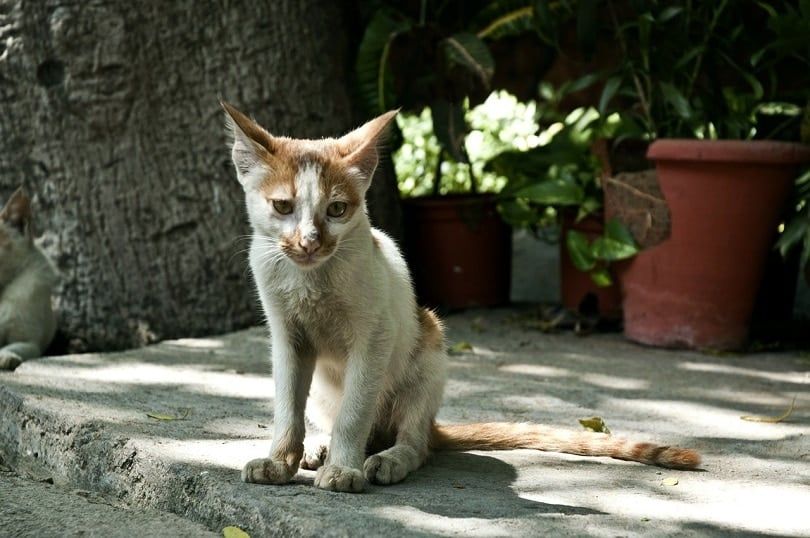
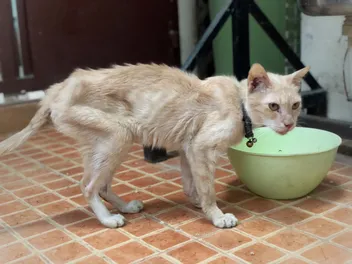
cat thin

Diabetes has become an epidemic, not just in people but also in pets. Feline diabetes is most similar to type 2 diabetes in humans, meaning that weight management and diet are critical factors in controlling the condition. Cats with diabetes often lose weight rapidly when their condition isn’t managed well, leading to further health complications and even death.

Let’s take a look at some tremendous diabetes-friendly foods you can feed your cat to help them gain weight.

divider cat paws oct 2024

What Is Feline Diabetes?

Feline diabetes is similar to human type 2 diabetes. It occurs when the pancreas is overloaded and shuts down, preventing or slowing the production of insulin—the hormone that processes the nutrients in our bloodstream into energy.

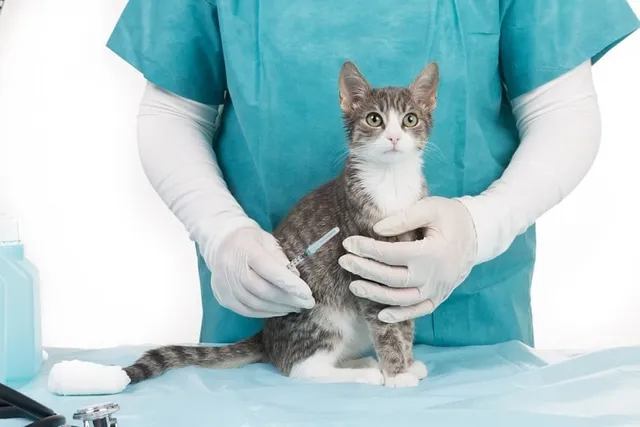
Cats with feline diabetes may need to be put on supplemental insulin, delivered by injection under the skin. These insulin injections provide the cat with the insulin the pancreas cannot make and allow them to process its food into energy correctly.

Diabetic cats who do not get insulin can die from an overage of blood sugar that will shock the body.

Best Foods for Diabetic Cats to Gain Weight

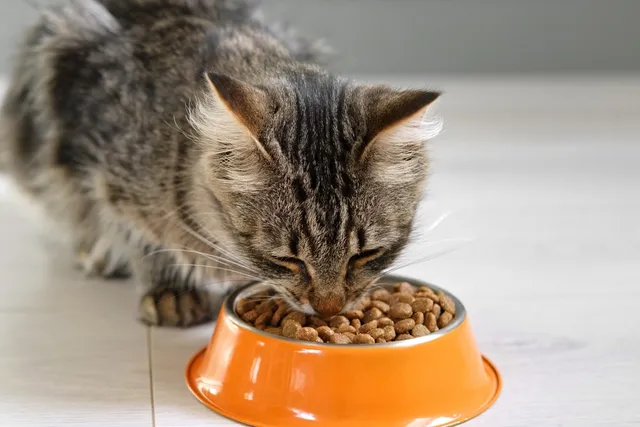
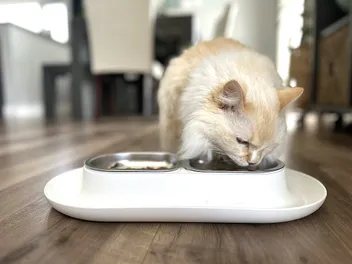
maine coon cat finished eating
Image Credit: Lita Keire, Shutterstock

Helping your cat gain back some weight they’ve lost in the beginning stages of its diabetes can be tricky since diabetes can cause consistent weight loss, even when it is eating enough. Diabetes also requires a special diabetes-friendly diet that prevents drastic spikes in blood pressure that overwork the pancreas. Thus, choosing the right food for your diabetic cat is critical to their continued health.

To help cats gain back the weight they lost from their diabetes, you’ll need to feed them a diet that won’t overload their pancreas to consume the correct number of calories to gain weight. This means you need to choose foods with a specific nutrient profile.

Low Carbohydrates

Diabetic cats should be fed low-carbohydrate diets. Truthfully, all cats should be fed a low-carbohydrate diet. Cats are scientifically classified as “obligate carnivores,” which means they’re biologically designed to eat a diet comprised of at least 70% animal proteins.

Carbohydrates also cause sudden spikes in blood sugar levels. This puts a lot of pressure on the pancreas to produce more insulin to process the carbohydrates into energy. When the pancreas is already struggling to produce insulin, forcing it to attempt to make more will only hasten its demise.

Cats with diabetes should be fed a diet of less than 10% carbohydrates, but some cats may need a carbohydrate content of 5% or less.

High Protein

Cats with diabetes should get most of their nutrients from protein. Again, all cats should be getting most of their nutrients from animal protein. Proteins are more accessible for the pancreas to break down and satiate the cat’s hunger drives longer. Protein is also the building block for cats. A cat’s body starts and ends with proteins. Ideally, most cats will do well on a diet that is at least 30% protein, but diabetic cats should be fed a diet that is at least 50% protein.

Fat

Your diabetic cat’s diet should be rounded out with healthy fat sources. At least 20% of their diet should come from healthy fats because these are also relatively easy on the pancreas.

Navigating all these specific nutritional requirements can be difficult for an ordinary cat parent, so don’t hesitate to reach out to a veterinarian and ask for guidance.

Need veterinary advice but can't get to the clinic? Catster recommends PangoVet, our online veterinary service. Talk to a vet online and get the answers and advice you need for your cat without having to leave your living room — all at an affordable price!

PangoVet_Mention-in-Content for PangoVet2 save money

divider cat paws oct 2024

Canned vs Dry

Canned food is typically better for cats with diabetes as carbohydrates are a critical component of making kibble. Canned foods usually contain lower carbohydrate content than dry food. Thankfully, if your cat will not eat canned food—a relatively rare occurrence in cats, you can look for special, low-carb kibble that provides the correct nutrient profile for diabetic cats.

top view of a cream maine coon cat eating dry and wet pet food from feeding dish
Image Credit: Nils Jacobi, Shutterstock

Do I Need to Feed My Diabetic Cat Prescription Food?

Contrary to popular belief, diabetic cats do not need to eat prescription diets. Many commercially available cat foods contain the protein, fat, and carbohydrate contents necessary to help treat feline diabetes without the added price tag.

divider cat paws oct 2024

Final Thoughts

Finding out that your cat has diabetes can be upsetting and worrying, but the good news is that it’s a condition that is relatively easy to manage with diet and medication. Getting your cat onto a diet specifically designed for its unique needs is critical to caring for a diabetic cat. So, talk with a vet to create an individualized plan for your cat’s continued health and overall well-being.


Featured Image Credit: Hanish, Pixabay

Want content like this delivered to you?

Sign Up For Our Newsletter

News, insights, expert advice, and everything cat

* By submitting, you agree to our Terms & Conditions and Privacy & Cookies Policy.


How useful was this post?

Click on a star to rate (you can leave written feedback after clicking submit)

Help us improve Catster for pet parents!

Your feedback really matters.

What did you like about this post? Also how can we improve it?

Join the conversation

2 Responses

  1. I am feeding him DM canned cat food once-a-day (I only see him for 2-3 hours a day (where I work) Also leaving a lot of Purina ProPlan DM dry food for the rest of the day (when no one else is around). I would like to add some "high-quality fat" to help him gain back lost weight. Can you suggest some sources for such fats? (Preferably a source that wouldn't spoil if left at room temperature over night). Thanks for considering my question.

    1. Sammy A Nicolosi, salmon oil, high-quality fish oil, and krill oil are all good fatty acid sources for cats. However, you will need to ensure they are consumed and not left outside as fats have a tendency to oxidize and become rancid. Likewise please get any supplement approved by your veterinarian beforehand.

Leave a Reply

You’re very welcome to leave a comment or question. Please know that all comments must meet our community guidelines, and your email address will NOT be published. Let’s have a positive and constructive conversation.


Talk With A Vet Online

Peace of mind,
anywhere, anytime

Affordable vet advice

The Cat Biting Mistakes Most Owners Make (And What Works Instead)

Cat bites sent more than 400,000 people to emergency rooms in the US each year.1 Not scratches. Bites. And the reason they’re so...

Do Cats Cause Schizophrenia? Scientists Find a Link – Here’s What It Means

Being a fierce advocate (and occasional recipient of) mental health support and awareness, the term ‘crazy’ is not one I like to fling...

One in 100 Cats Gets Diabetes – Here’s How to Catch It Early

One in every 100 cats develops diabetes.1 That’s not a rare, unlucky condition reserved for cats with obvious health problems. It’s common enough...

Dramatic Rescue Turns Into Dramatic Reunion

What started as a routine call for the RSPCA became a heroic, five-hour rescue featuring one trapped and traumatized cat, an emotional family...

More related

Why Is My Cat Suddenly Lethargic & Weak? 12 Vet-Verified Reasons

Cats don’t always make it obvious that they aren’t feeling well. They are notorious for concealing their symptoms until the health condition has...

Do Cats Like Being Brushed? Our Vet Explains

Pet cats are fascinating cuddly companions that bring joy to just about everyone who decides to adopt one. They’re well known for their...

Kitty Playtime: What Raphael’s Hunt Taught Me About Life

Welcome to the Wednesday Cats of Catster! Every week, we share a story from one of our cat-loving Catsters. This week is about...

Norwegian Forest Cat vs. Maine Coon: Vet-Reviewed Differences (With Pictures)

The Norwegian Forest Cat and the Maine Coon are two large, long-haired cats that are majestic and wild in their appearance. They share...

Keep reading

Why Is My Cat Suddenly Aggressive? Vet-Reviewed Reasons

It can be extremely disconcerting for your cat to suddenly begin to exhibit behavior that is unusual for them, especially if your once sweet kitty has suddenly become an aggressive monster. There are a few reasons that cats may suddenly...

kittens training

Why Do Cats Follow Strangers? 7 Possible Vet-Reviewed Reasons

Cats are mysterious creatures, and sometimes their behavior is hard to understand. One behavior that often baffles pedestrians is being followed. However, it makes more sense if you look at the reasons why a cat would follow you and decide...

Cat following a person walking

What to Feed a Cat That’s Vomiting: Foods to Help Care for Your Kitty

When your cat is sick, the last thing you want is to feed them something that will make it worse. But how do you treat a cat that’s still vomiting, and what should you do to calm their stomach? It...

What to Feed a Cat That's Vomiting

How to Calm a Crazy Cat: 6 Vet-Approved Tips & Causes of Extra Energy

With their sudden energetic outbursts, wall-climbing maneuvers, putting their butts in our face, and countertop cruising, you might be forgiven for thinking that cats are more than a little crazy. However, there’s a limit to how much ‘crazy’ we can...

playful british shorthair cat

How to Put a Cat on a Diet: How, Why & 4 Vet-Approved Steps to Follow

As you may or may not know, cat obesity is a problem in the United States, so much so that up to 63% of cats are deemed overweight 1. If you have an overweight cat, helping your cat shed that...

grey domestic hungry cat

Pure Vita Cat Food Review of 2026: Recalls, Pros & Cons

Review Summary Pure Vita Cat Food includes wet and dry food, but the wet food has higher-quality ingredients than the dry food. The dry food lacks some essential vitamins and minerals, while the wet food range is nutritionally well-balanced and...

Pure Vita Review

Can Cats Eat PopTarts? Vet-Reviewed Facts & FAQ

“Curiosity killed the cat” is a phrase that couldn’t be truer about some cats. It seems like you can’t leave them alone for more than a minute before they’re face first in something they’re not supposed to touch. The good...

Can Cats Eat PopTarts

Are Calla Lilies Poisonous to Cats? Vet-Verified Facts & Safety Guide

Are calla lilies poisonous to cats? This is a question that has come up many times and one that many people are unsure of the answer to. Calla lilies do contain a substance that causes harmful effects in cats. However,...

Catster_Are Calla Lilies Poisonous to Cats

Love Cats? So Do We! Join the Catster Community

Stay informed with expert pet care insights delivered straight to your inbox! Discover professional guidance on animal behavior, feeding tips, trusted product picks, and much more.


Sign up for the Catster Email Newsletter

Stay informed with expert pet care insights delivered straight to your inbox! Discover professional guidance on animal behavior, feeding tips, trusted product picks, and much more.