How Long Will a Cat With Diabetes Live Without Treatment? Vet-Verified Risks & FAQ

Diabetes is a common and serious disease that affects the health of cats. When left untreated, diabetes can cause life-threatening complications such as diabetic ketoacidosis, neurological disease, and other health problems. Fortunately, most cases of diabetes in cats can be controlled with diet and medication. How long a cat with diabetes will live without treatment depends on how long and how much their sugar levels have been uncontrolled and whether any other diseases are present. Generally speaking, untreated diabetic cats may only live a few months, but this is very hard to predict.
However, we know that a very high proportion (approximately 1 in 3) of diabetic cats that start prompt treatment can achieve diabetic remission. In that situation, your cat may no longer need insulin for months or even years.

Is Diabetes Treatment For Cats Expensive?
The cost of diabetes treatment for cats will vary depending on the severity of the condition, the type of medication or treatments prescribed, and whether any special foods or supplies are needed. Diabetes treatment for cats can be expensive as it often requires regular visits to a veterinarian and special food, medication, and insulin injections.
How Much Does Diabetes Treatment For Cats Cost?
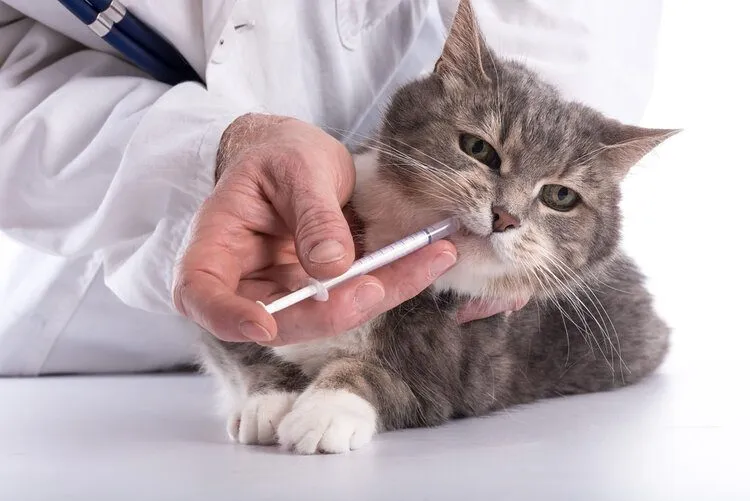
The cost of diabetes treatment for cats will vary depending on the specific needs of the cat. However, some ballpark estimates suggest that costs can range from around $50 to $200 per month, not including extra diagnostic testing or prescription medications. Treatment for diabetes in cats often includes a combination of regular insulin injections, dietary changes, and monitoring of blood sugar levels.
Should I Treat My Cat’s Diabetes?
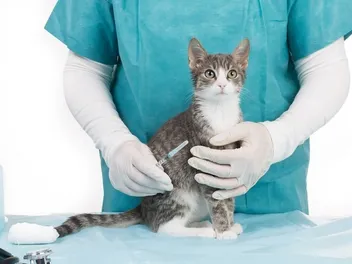
Yes, you must treat your cat’s diabetes. It is inhumane to allow the disease to go untreated. Diabetes mellitus is a chronic disease in cats caused by a lack of insulin and a lack of response to it. Without insulin, the body cannot use glucose for energy, and your cat will become ill. Diabetes treatment usually involves giving the cat insulin injections twice daily and feeding them a diet high in protein and low in sugar.
If your cat is diagnosed with diabetes, it is vital to treat the condition. Also, the sooner, the better, since your cat will have a higher chance of achieving diabetic remission. Untreated diabetes can lead to several life-threatening health problems, including diabetic ketoacidosis, neurological disease, and kidney failure. Your veterinarian can help you create a treatment plan for your cat.
Is It OK Not To Treat My Cat's Diabetes?
Some people may not treat their cat's diabetes if they feel they cannot afford it or do not have the time to care for a cat with diabetes properly. This can be very dangerous and lead to serious health problems, suffering, and death for the cat. It is not okay to allow a cat with diabetes to go without treatment. If you cannot treat your cat, it might be in your cat’s best interest to rehome them.
What Happens If You Don’t Treat a Cat With Diabetes?
The lifespan of a cat with diabetes without treatment is difficult to predict. The disease can progress quickly in some cats, leading to ketoacidosis, organ failure, and death within days or weeks. In other cases, cats may remain stable for weeks or months without any visible health problems.
Eventually, all untreated cats will suffer terribly and die prematurely. Ultimately, the length of time a cat with diabetes lives without treatment depends on the cat's health condition.

What Happens If My Cat Doesn't Get Insulin for a Week?
If a diabetic cat does not receive insulin for a week, their blood sugar levels will become dangerously high. This can cause ketoacidosis, a serious and potentially life-threatening condition. Without insulin, the body begins to break down fat for energy instead of glucose.
The byproducts of this process are acids called ketones, which can build up in the blood and urine. The high blood sugar levels will cause the cat to become dehydrated, and they can also go into a coma. Without treatment, the cat would eventually die from complications related to diabetes.
What Are the Final Stages Of Diabetes In Cats?
In the final stages of diabetes, a cat's blood sugar levels become dangerously high, which can lead to several serious health problems, including ketoacidosis, kidney failure, and seizures.

What Puts Cats At Risk Of Developing Diabetes?
Cats who are obese, old, inactive, and take steroids to treat other illnesses like skin problems are most likely to develop diabetes. Cats that are obese are up to four times more likely to develop diabetes, so the best thing a cat owner can do to reduce the risk of diabetes is to maintain a healthy weight and encourage physical activity.
Is There a Cure for Feline Diabetes?
There is currently no cure for diabetes in cats. However, with proper treatment and care, many cases of feline diabetes can be successfully managed with diet and medication, making it possible for cats to live long, healthy lives despite their diagnosis.
When diabetes is treated early and aggressively, many cats enter diabetic remission, meaning they will not need insulin injections to maintain normal blood sugar levels. If you start insulin therapy earlier and monitor it closely, the chances of diabetic remission are higher in older cats, cats who have taken steroids in the past, and cats who have been given glargine insulin.
Cats with diabetes who do not enter remission within 6 months will almost certainly need insulin for the rest of their lives. Cats with diabetes in remission should continue to be fed a low-carbohydrate diet and monitored closely.

How Long Does It Take For a Diabetic Cat To Go Into Remission?
Remission times can vary significantly from cat to cat. Some diabetic cats may go into remission quickly after diagnosis and beginning insulin, while others may take several months. The most critical factor in determining how long it will take for a diabetic cat to go into remission is how well the cat's diabetes is controlled.
Conclusion
Diabetes can be a serious illness for cats, but with timely treatment, most cats live relatively happy lives. With proper care, your cat can enjoy a long and healthy life. It is hard to say for sure how long a cat with diabetes will live without treatment. However, without proper care and management, most cats will not live long, and they will suffer horribly and unnecessarily before they die.
If your cat has been diagnosed with diabetes, it is vital to work with your veterinarian to create a treatment plan for your cat.
See also:
Can Steroids Cause Diabetes In Cats? Side Effects Of Depo Medrol In Cats
Should I Euthanize My Cat With Diabetes? Vet Reviewed Facts & FAQ
Featured Image Credit: Piqsels

Expert cat care, straight to your inbox
Vet-reviewed advice, behavior tips, and the best of Catster. Free, and you can unsubscribe anytime.
By signing up, you agree to our Terms & Conditions and Privacy & Cookies Policy.
Christian started writing for a local newspaper as a teenager, and he's been involved in the publishing industry for most of his adult life. Combining his love of writing with a passion for animals, he is currently the Director of Editorial at Pangolia and the Editor-in-Chief at Catster.
Christian lives in the Philippines with his wife, son, and four rescue cats: Trixie, Chloe, Sparky, and Chopper.
Join the conversation
Ask a question, share your story, or send private feedback.