Epsom Salt Bath for Fleas on Cats: Vet-Reviewed Effectiveness, Safety & Alternatives


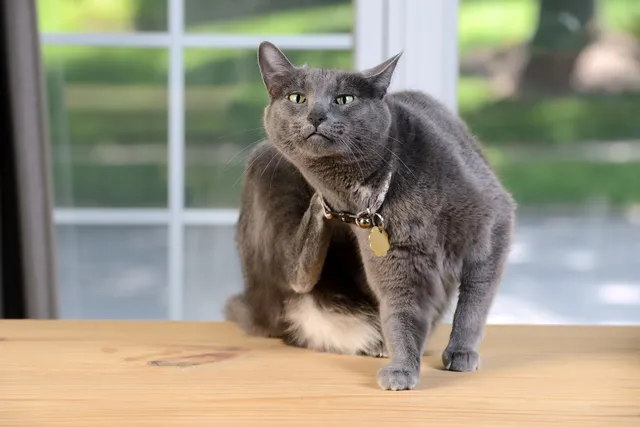
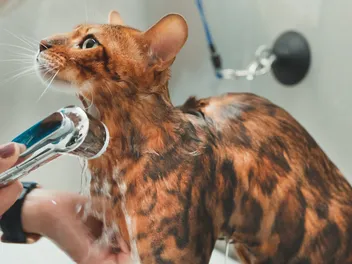
A flea infestation can make your cat miserable and put them at risk of diseases and internal parasites. Some cat owners prefer to avoid using pesticides and chemical methods to treat fleas in favor of homemade or natural remedies. One such home treatment, an Epsom salt bath, may remove fleas on a cat, but it won’t prevent reinfestation and is not an effective way to treat fleas on your cat!
Keep reading to learn more about the best flea treatments for cats, why Epsom salt baths are not great options, and other tips for treating parasites in cats. We also cover how to prevent a flea infestation, which is always easier than treating one!

Epsom Salt Baths for Cats: How They Work Against Fleas

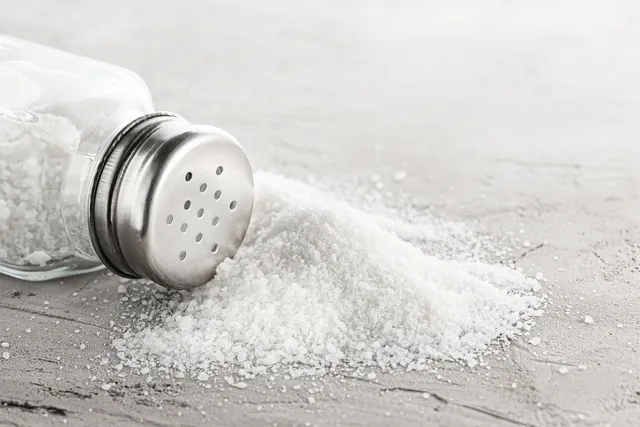
Epsom salts, or magnesium sulfate, are occasionally used to help treat wounds and swelling in pets. Just as you shouldn’t let your cat eat or drink Epsom salt bathwater, though, you shouldn’t really use it to help treat fleas on your kitty.
However, in rare instances, other baths are among the only safe methods for removing fleas from kittens too young for commercial flea control products. Mild dish soap is one of the most effective non-flea shampoos to use against fleas because it causes them to drown in the bath water. You may find that soap works better than an Epsom salt bath to get fleas off your cat.
Before giving your cat or kitten a bath, consult your veterinarian to ensure it won’t negatively impact your kitty’s health.
Epsom Salt Baths for Fleas: The Limitations
The fleas you see on your cat are only a small fraction of the insects present in your house or yard. Flea eggs and immature fleas are also abundant, and if you don’t treat these life cycle stages, bathing your cat will only offer temporary relief. This applies to any type of flea bath given to your cat. Therefore, always seek advice from your veterinarian about the best flea treatment options for your cat.

Tips for Treating Fleas on Your Cat
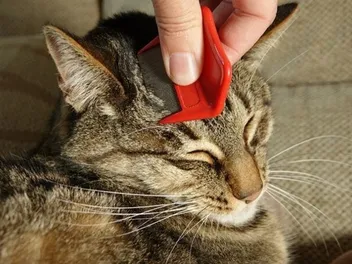
Flea control products recommended by your veterinarian are the most effective ways to kill fleas on your cat quickly and effectively. Spot-on treatments and tablets taken by mouth are both available.
To treat fleas in your house, vacuum frequently, paying particular attention to cracks in the floor, baseboards, or the base of cabinets. Flea eggs are more likely to be found in these areas. Empty the vacuum canister or throw the bag away outside your house each time to prevent any fleas from escaping back inside.
Wash your cat’s bed and your bedding in hot water, and use the highest dryer setting. The heat and water will kill the fleas and flea eggs. Ask your vet or pest control specialist which insecticides are safe for pets (or kids) in your home.
If your cat goes outside, you must also treat your yard for fleas. Although commercial products are available to treat your yard, they are less effective than professional treatments. Entirely eliminating a flea infestation can take weeks or more as you battle the life cycle of the insect.

Preventing Fleas on Your Cat
The same flea control products used to kill fleas on your cat can also help prevent them. Monthly flea control prevention is recommended for indoor cats because humans or other pets can easily track flea eggs into the house. Talk to your vet about the pros and cons of flea control products to find one you are comfortable using on your cat.
Why Treating Fleas on Your Cat Is Important
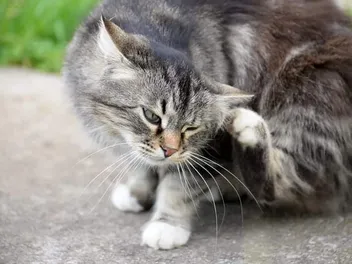
Besides making your cat miserable, fleas pose other health risks to your pet and can also be dangerous for humans. Some cats are allergic to flea bites, leading to severe scratching, skin damage, hair loss, and infection. Fleas can also carry tapeworms, an internal parasite that can infect your cat. Kittens, older cats, or sick kitties are at risk of flea anemia or losing too much blood from the insects feeding.
Fleas may also carry diseases that infect cats and people. Plague and Bartonella (cat scratch fever) are two of the most serious. While fleas don’t live on people, they won’t hesitate to bite and feed on them if given the chance.


Conclusion
While Epsom salt baths can remove fleas from your cat, they won’t prevent reinfestation and are less effective than vet-approved treatments. Before trying homemade concoctions or using commercial products, talk to your veterinarian about flea treatments. If the infestation in your home is severe, you should contact a reputable pest control service to treat your property. Although DIY recipes and brand-name pesticides may kill some fleas, they can’t eliminate the population and could harm your cat.
Featured Image Credit: inewsfoto, Shutterstock
Expert cat care, straight to your inbox
News, insights, and useful advice, delivered to you.

No spam — unsubscribe anytime.
By signing up, you agree to our Terms & Conditions and Privacy & Cookies Policy.
How useful was this post?
Click a star to rate. You can leave written feedback afterwards. (We read all feedback.)
Elizabeth Gray is a lifelong lover of all creatures great and small. She got her first cat at 5 years old and at 14, she started working for her local veterinarian. Elizabeth spent more than 20 years working as a veterinary nurse before stepping away to become a stay-at-home mom to her daughter. Now, she is excited to share her hard-earned knowledge (literally--she has scars) with our readers. Elizabeth lives in Iowa with her family, including her two fur kids, Linnard, a husky mix and Algernon, the worldʻs most patient cat. When not writing, she enjoys reading, watching all sports, and spending time outdoors with her family.