Is Waterless Shampoo Safe for Cats? Vet-Approved Benefits & Tips


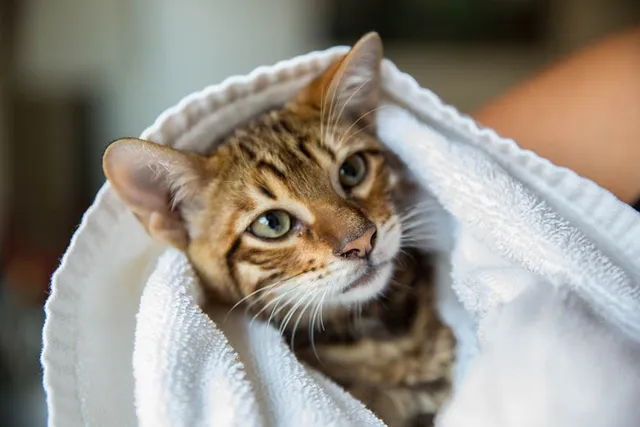
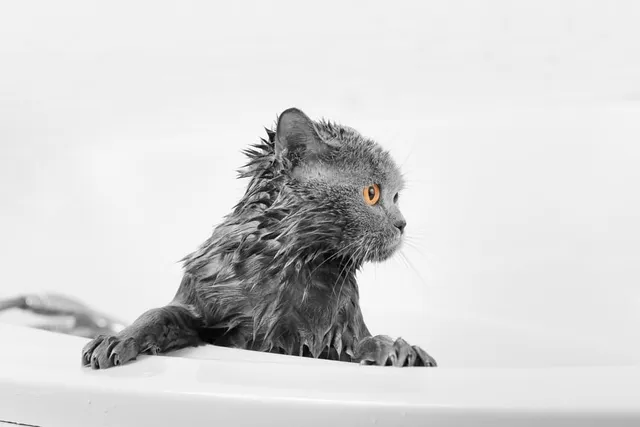
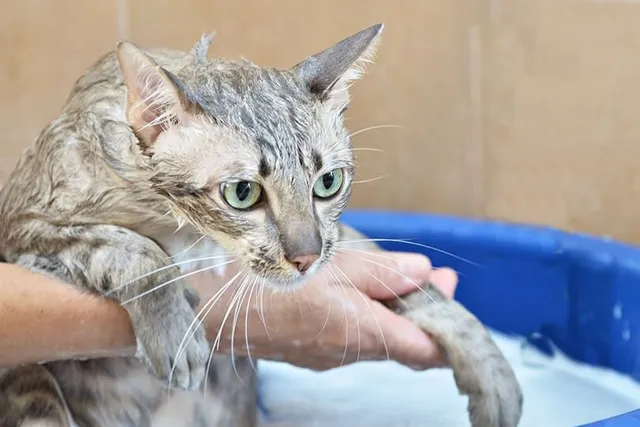
Not many owners manage to give their cat a bath and walk about without any damage! Most cats loathe water, avoiding it at all costs. If you are one of the few with a mythical cat that tolerates—or even enjoys—a bath, consider yourself lucky.
Despite their addiction to their own hygiene, there are some occasions when they can’t, or shouldn’t, clean themselves. The use of waterless shampoo is an excellent alternative to wrangling an angry cat into a bathtub, and it’s safe!
Read on to learn more about what to expect when bathing your cat without water.

Benefits of Waterless Shampoo for Cats
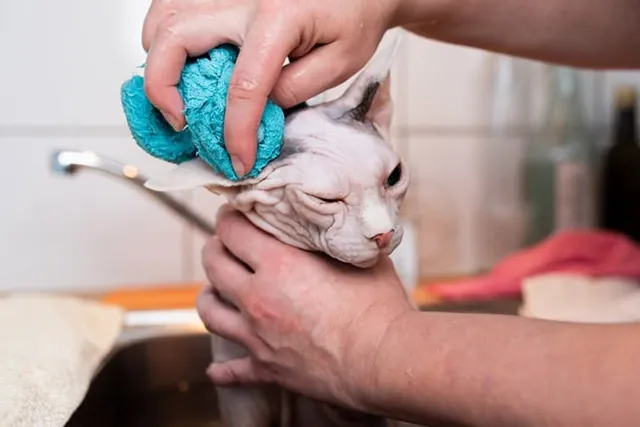
Whether with a bath or a waterless shampoo, cleaning your cat helps to reduce odors, remove grime, and control dander and shedding. In addition, there are some bonus benefits to dry shampoos.
- Quick. Half the work of a traditional cat bath is the aftermath. Drying an angry wet cat can be a struggle, and the whole process from start to finish can take some time, frustrating an impatient cat. A quick waterless wash will be over before you know it, reducing the stress on your cat.
- Versatile. Having a full bath for a small mess can feel counterproductive. Waterless shampoo can be used for a complete clean or spot treatment, saving time and product.
- Great for travel. What’s worse than giving your cat a bath? Giving your cat a bath in a hotel room! Traveling with your pet is becoming more common, so keeping some waterless shampoo on hand will be helpful when you find yourself in a pinch.

- Simply Brush - Waterless cat shampoo / dog shampoo means no rinsing required. Forget the bath! Simply lather through some foam and brush out. Perfect for busy pet-parents and animals afraid of water.
- No Soap - This fresh-smelling dry shampoo for dogs and cats is free from soaps, glutens, dyes, DEA, sulfates and phthalates means it's a hypoallergenic pet shampoo for a dog and cat's itchy skin
- Good for Nervous Pets - You don't want your pet to be afraid of getting clean, so this pet waterless shampoo is ideal for nervous dogs or cats. This waterless shampoo makes getting them clean a snap!
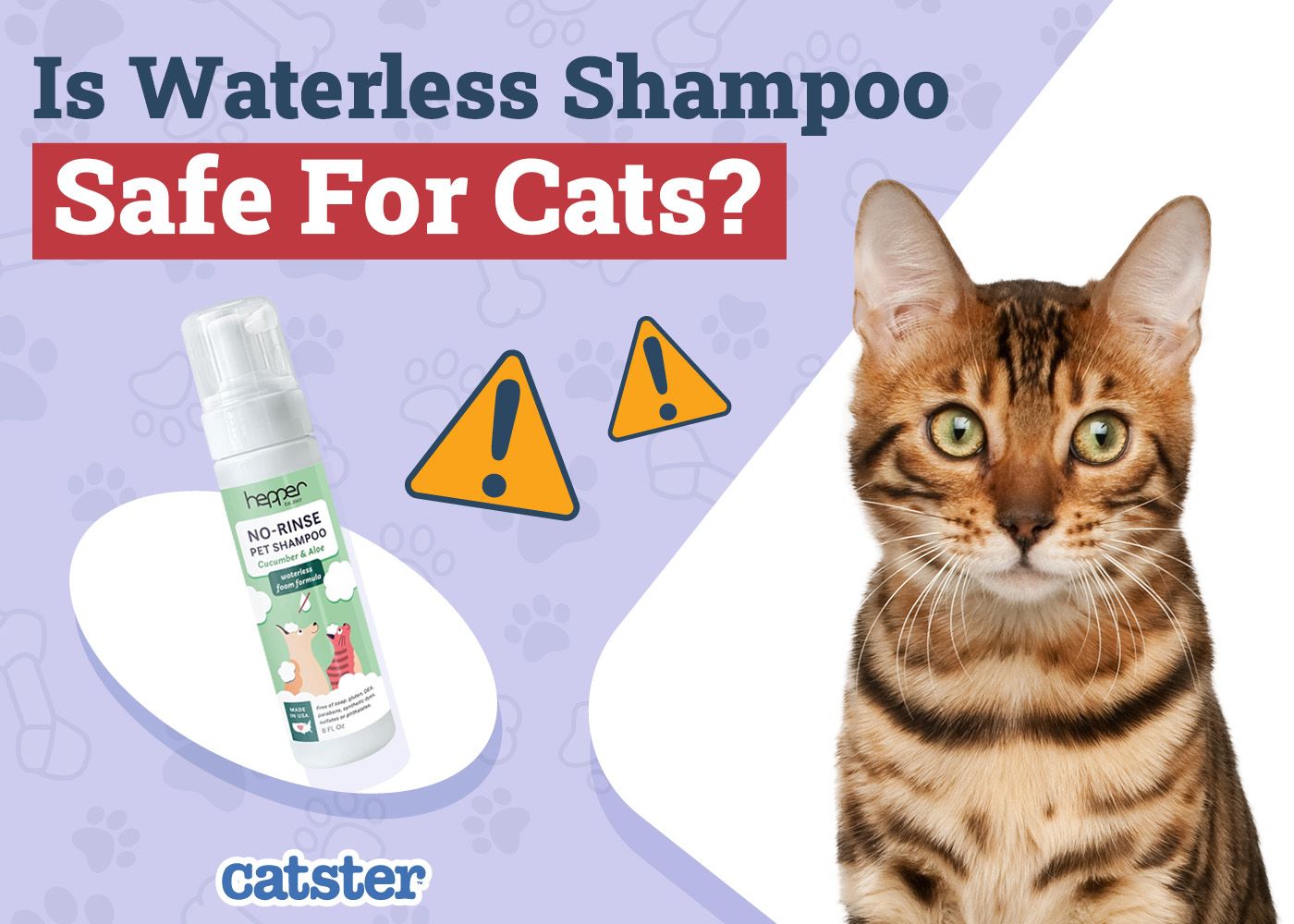
Dry shampoo is convenient, effective, and easy to use, but only if you pick the right product! Hepper's No-Rinse Pet Shampoo is made with soothing natural ingredients like cucumber and aloe vera. It smells great, cleans well, and won't cause irritation. You'll love the fresh, clean scent and your pet will enjoy the moisturizing, pH-balanced formula.
At Catster, we’ve admired Hepper for many years and decided to take a controlling ownership interest so that we could benefit from the outstanding designs of this cool cat company!
Risks of Waterless Shampoo
The thing about waterless shampoo is that there is no rinsing component—that would defeat the purpose. Without a rinse, anything left on your cat’s skin and coat will potentially be consumed when the cat goes on to groom itself.
For this reason, you must use a shampoo formulated for only cats. Do not use products made for other animals, and especially don’t use human dry shampoo.
Shampoos for other species may have toxic ingredients for cats to ingest. If they consume any residue on their coat, they may become ill. The severity will depend on the toxin and how much is consumed.
Unless specified by the manufacturer, waterless shampoos should not be used on kittens under 6 months of age. You should also avoid using them on pregnant or lactating cats unless the product explicitly states it’s safe. This usually means the product hasn’t been tested in those scenarios, so its safety for both the mother and kittens cannot be guaranteed.
If your cat has known allergies or sensitivities, always consult your veterinarian before applying any cleaning or grooming products.

Don’t Cats Groom Themselves?
All cat owners will know the dedication their cat has to cleaning themselves daily. After forcing a snuggle upon them, they’ll spend the next 15 minutes ridding themselves of your scent.
If they groom themselves, why do they need us to clean them?
Technically, cats clean but don’t fully groom themselves.
Their self-cleaning behaviors help upkeep their grooming by distributing oils over their coat for a tidy and sleek look. But cats self-cleaning has many other purposes, including:
- Regulating body temperature
- Encouraging circulation
- Removing parasites and allergens
- Preventing hairballs
- As a calming behavior
This licking behavior will keep them tidy, but it’s not always enough. Often cats need additional grooming or cleaning to remove heavier grime and dirt, excess shed, clean teeth, and dull claws.
When You Should Wash Your Cat
Most cats don’t need regular washing, and they take care of most of their hygiene themselves. However, there are a few circumstances where your assistance is required.

Limited Mobility
Cats that are elderly, obese, disabled, or injured often find the process of caring for their coat too difficult or strenuous. They usually are physically incapable of twisting themselves in positions to clean every inch. The hind end is the most missed area and is also the stinkiest.
Extra Dirty
Some cats are more “rough-and-tumble” than others and may find themselves in some grubby areas. Whether they’ve chased a bug into a mud puddle or ran through the spiderwebs under the house, sometimes they’ll need some help to get clean again.
Terrible Smell
If your cat is particularly pungent, you certainly don’t want them rolling in your bed in such a state. Before your cat cleans itself, it can spread gross smells across the home, so it’s easier to remove the odor yourself.
It’s Unsafe for Self-Grooming
A cat's curious nature may have them get into sticky situations such as car oil, paint, household cleaners, etc. They should not lick these off as ingestion of toxins could make them seriously ill! If your cat has been up to mischief, they may need an extra hand in cleaning.
Excess Dander & Shed
Long-haired cats can produce a tremendous amount of fur when shedding. Washing your cat can help strip away excess shed to reduce its distribution around your home and reduce the risk of hairballs. Washing can also help with excess dander by removing flakes and nourishing the skin.
Final Thoughts
Waterless shampoo is not only safe for cats, but it can be convenient for small-scale cleaning. Just make sure you only use shampoos formulated for cats. It is not a replacement for a full bath because sometimes a plunge, wash, and rinse is unavoidable.
Featured Image Credit: Nils Jacobi, Shutterstock
Expert cat care, straight to your inbox
News, insights, and useful advice, delivered to you.

No spam — unsubscribe anytime.
By signing up, you agree to our Terms & Conditions and Privacy & Cookies Policy.
How useful was this post?
Click a star to rate. You can leave written feedback afterwards. (We read all feedback.)
With an early start in the veterinary industry and as a conservation educator at Disney’s Animal Kingdom in Florida, Sophie has since been a successful Zookeeper and Conservationist, specializing in native New Zealand species. When she’s not bird watching in native forests or crawling through the underbrush at midnight searching for rare frog species, she can be found with her farmer husband on their sheep and beef station, far from civilization. Alongside them, they have 2 cats, 9 chickens, and 11 dogs (most notably, her sidekick, a black Labrador aptly named Jellybean). Sophie enjoys her writing career as it provides opportunities to help and support pet owners of all kinds to give animals the best welfare possible. The only downside is the long list of strange searches in her internet history!