Is Baby Powder Safe for a Cat? What You Need to Know! Vet-Approved Safety Info


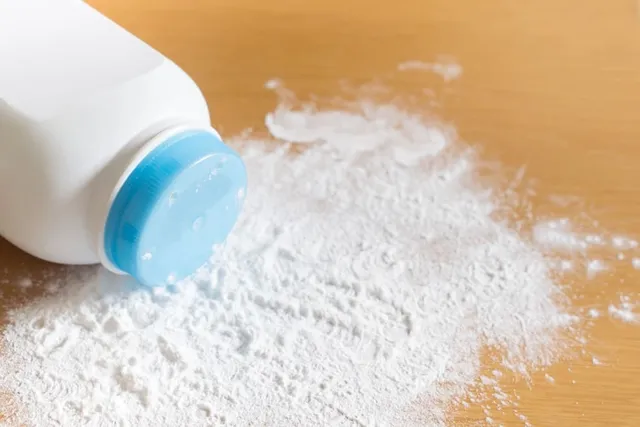
It has been common practice for groomers and cat owners to dust cats with baby powder, as it can leave the fur soft and has been known to help with detangling mats. But you may have heard differing opinions on whether it’s safe to use on cats.
Talcum powder can be carcinogenic if contaminated with asbestos, and if inhaled, it can lead to severe respiratory problems. Cornstarch is now being used instead of talcum for making baby powder, and although safer, it’s still not appropriate for use in felines. Here, we get into what talc is, why it can harm your cat, and what you can use instead.

What Is Talcum Powder?
Talc is the mineral used in talcum powder, which is naturally derived through mining.1 It’s made up of silicon, magnesium, oxygen, and hydrogen. When it is turned into powder form, it’s absorbent, which is why it was so popular when used as baby powder. It did an excellent job at preventing diaper rash and became a household product for other uses, like cosmetics.
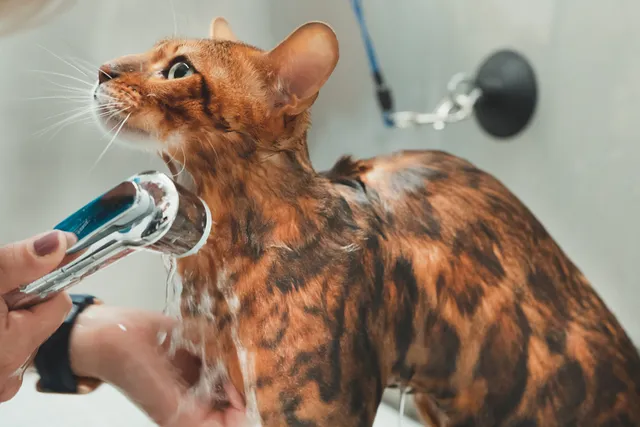
The use of talcum powder on pets was popular, especially with cat owners, since giving a cat a bath isn’t the easiest chore. The powder helped deodorize and wick moisture away, leaving the coat smelling nice and feeling soft.
Some people used talcum powder to help detangle mats and even as a kind of flea powder. However, it’s not effective whatsoever for eradicating fleas!

What Makes Talc Dangerous?
Talc has been linked to cancer in people, primarily due to some forms of talc containing asbestos, which may increase the risk for lung cancer when inhaled.2 Further research is required regarding the risks of cancer with exposure to talc, particularly lung and ovarian cancer, which will greatly depend on the varying amount of asbestos. No increased risk of lung cancer has been reported with the use of cosmetic talcum powder, according to the American Cancer Society.
However, even talcum powder without asbestos might be capable of causing tumors, but the studies conducted have not offered any definitive proof. Some laboratory animals exposed to talcum powder may form tumors due to particle overload and chronic exposure, while others don’t, although respiratory irritation and lung changes are likely to be present. Studies have also found that if talcum powder is used on a woman’s genitals, she might be at risk for ovarian cancer. But again, the results of these studies are uncertain.
The biggest takeaway here, though, is whether it is asbestos-free or not, it’s safest to stay clear of talcum powder made from talc.
Can You Use Baby Powder on Your Cat?
This is a big no! Since it’s in powder form, even if you were careful when applying it, the powder can still quite easily enter your cat’s lungs. It’s possible for your cat to experience lung issues, such as difficulty breathing, coughing, and distress. The other problem is that since cats groom themselves so often, they would also be at risk of ingesting the baby powder.
Cats that have inhaled or ingested talcum powder might exhibit the following signs:
- Trouble breathing
- Wheezing
- Coughing
- Loss of appetite
- Drooling
- Vomiting
- Diarrhea
- Lethargy
- Discharge from the nose or eyes
See your vet immediately if you notice your cat exhibiting any of these signs, particularly if baby powder was recently used.
Is Talcum Powder Still Used Today?
Most of us are likely familiar with the original talcum powder, which is Johnson’s Baby Powder. In 2020, Johnson & Johnson announced that it would discontinue selling baby powder that contained talc. While this talcum powder did not contain asbestos, the company was still deluged with lawsuits.
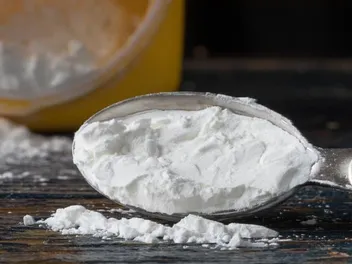
Today, baby powder is comprised primarily of cornstarch, which should still be avoided in cats.
However, while talcum powder has been discontinued, it’s still possible that you can find it for sale online or in stores. If you want to avoid using talcum powder (which you should), always read the ingredients on the product before purchasing.
What Are the Alternatives to Baby Powder for Cats?
Depending on what you want to use the baby powder for, there are several products that are formulated specifically for cats that you can try. Ensure that they do not contain any harmful ingredients and double-check their safety with a vet first. If you need to detangle some mats in your cat’s fur, invest in good tools designed to remove mats, get your cat used to being brushed regularly, and always be gentle and careful not to injure their skin. If you’re looking for something to remove fleas and other parasites from your cat, consult with a vet who can recommend a suitable veterinary-approved product formulated for cats.
If your cat isn’t grooming as well as they should and their coat is a little greasy, first speak to a vet to ensure that the excess dandruff and greasy fur aren’t from an underlying medical condition.
As we already mentioned, cornstarch powder is safer than talc, but it’s still not something we would recommend using on cats. They can inhale it, leading to respiratory irritation, or they could ingest it, possibly causing a stomach upset.
Conclusion
While baby powder might have been helpful at removing mats and keeping a cat’s coat silky, it is just a bad idea all around. Any chance of a cat inhaling or ingesting baby powder can lead to serious lung conditions and just isn’t worth it.
Cats spend an inordinate amount of time grooming themselves, so anything you put on their fur needs to be non-toxic, as it’s likely to end up getting inhaled or ingested. There are enough products available that were created for cats that can give you the same results but in a much safer way.
Sources
Featured Image Credit: MIA Studio, Shutterstock
Expert cat care, straight to your inbox
News, insights, and useful advice, delivered to you.

No spam — unsubscribe anytime.
By signing up, you agree to our Terms & Conditions and Privacy & Cookies Policy.
How useful was this post?
Click a star to rate. You can leave written feedback afterwards. (We read all feedback.)
Kathryn was a librarian in a previous lifetime and is currently a pet writer. When she was a child, she hoped to work in ZOOs or with wildlife in some way, thanks to her all-consuming love for animals. Sadly, she's not strong in the sciences, so she fills her days with researching and writing about all kinds of animals and spends time playing with her adorable but very naughty tabby cat, Bella. Kathryn is hoping to add to her family in the near future – maybe another cat and a dog.