What Cleaning Products Are Safe for Cats? 10 Vet Approved Items to Keep at Home


In this article
Cleaning when you have cats can be a worrying business. Common cleaning agents like ammonia, chlorine (bleach), phenols, rubbing alcohol, formaldehyde, benzalkonium chloride, and essential oils can all be harmful to cats if they come into contact with them.
If you use these products, some of the chemicals in them can cause irritation to the respiratory tract if your cat inhales them, or they can cause irritation to the eyes or skin by coming in contact with them. Cats can even ingest these chemicals directly or by licking them off of their hair after rolling on a cleaned surface. This can cause irritation to the mouth and throat and serious issues in the rest of the digestive tract. Rather than risk harm to your cat, let’s look at some safer cleaning agents you can use in your home instead.

The 10 Cat-Safe Cleaning Products
1. Pet-Safe Commercial Enzyme Cleaners
Commercial enzyme cleaners are formulated to tackle urine, feces, and vomit stains and odors left behind on floors, carpets, and other surfaces. You can also get enzyme cleaners designed for specific purposes, like carpet shampoo. When used as directed, they’re typically safe to use around pets, but you should always check the label to make sure.
Our Favorite Enzyme Cleaner
The Hepper Advanced Bio-Enzyme Pet Stain & Odor Eliminator Spray is our favorite enzyme cleaner out there. It permanently removes even the very worst kitty stains and smells, leaving your home fresh and clean! Click here to learn more about this amazing product and get yourself a bottle.

- ADVANCED ENZYMATIC CLEANER - Penetrates the most stubborn smells and stains at the deepest molecular levels to dissolve any pet mess you encounter and lift it away at the source.
- FOR ANY MESS, ON ANY SURFACE - This pet odor eliminator cleans your carpets, floors, furniture, fabrics, and more. Whether it's urine, feces, vomit, or drool, you can erase all foul spots and smells!
- FRESH, NATURAL ODOR - Our unique formulation doesn't rely on dangerous or unpleasant chemical fragrances to get the job done. We eradicate smells and stains, not just cover them up.
At Catster, we’ve admired Hepper for many years, and decided to take a controlling ownership interest so that we could benefit from the outstanding products of this cool cat company!
2. Baking Soda
Baking soda is an inexpensive but powerful odor and stain eliminator. It’s often mixed with other ingredients like vinegar and lemon to make non-toxic cleaning solutions and is even found in some types of cat litter. Some cat parents add a thin sprinkling of the stuff at the bottom of the litter box to help with odor control.
You still need to be careful, though: if a cat manages to eat a large amount of baking soda, it could be toxic to them. In standard-sized cats (10 pounds), any amount greater than 0.3 tbsp is enough to cause toxicity. Luckily, it’s unlikely for cats to be tempted to eat baking soda; just be sure to store it properly where your kitty can’t get to it.

3. Distilled White Vinegar
Another affordable and non-toxic product, distilled white vinegar effectively disinfects surfaces, neutralizes odors, and removes stains. It also contains anti-fungal properties. As such, this is one cleaning product we think every cat parent should have in their cupboard.
4. Lemon Juice
Adding lemon juice to a baking soda and/or vinegar DIY cleaning solution mix not only gives it a nice, zesty scent, but it also has antibacterial and anti-fungal properties. It’s commonly used for degreasing surfaces, adding shine to glass, and getting rid of food stains.
Take note, however, that consuming lemon plants, flesh, and peel can make cats sick. In addition, a highly concentrated lemon juice cleaning solution can cause some irritation to a cat’s eyes and upper respiratory tract if they are confined in a small space when you use it.

5. 3% Hydrogen Peroxide
Hydrogen peroxide is an alternative to bleach. It breaks down quickly into water and oxygen and doesn’t contain chlorine. It’s often used to tackle odors and kill mold, fungi, and bacteria, and is commonly blended with baking soda, white vinegar, and lemon juice in DIY solutions.
You should never apply hydrogen peroxide to your cat’s skin or let them ingest it. If your cat has a wound that needs cleaning, please seek veterinary advice.
6. Pet-Safe Laundry Detergents
If you’re worried about washing your cat’s bedding or toys in standard laundry detergent, you can get pet-safe detergents for this purpose. These are formulated with natural, plant-based ingredients that are free from harsh chemicals, fragrances, and dyes that could be harmful to pets. Some are even vet-formulated!

7. Cat-Safe Dish Soap
If your cat's bowls need cleaning, opt for unscented, pet-safe dish soap. Look for products labeled “non-toxic” and free of dyes, fragrances, and harmful chemicals. Always rinse thoroughly to ensure no residue is left behind.
8. DIY All-Purpose Cleaner for Cat Owners
Creating your own cleaning solution at home ensures safety for your feline friend while being environmentally friendly. Here’s a simple recipe:
9. Microfiber Cloths & Hot Water
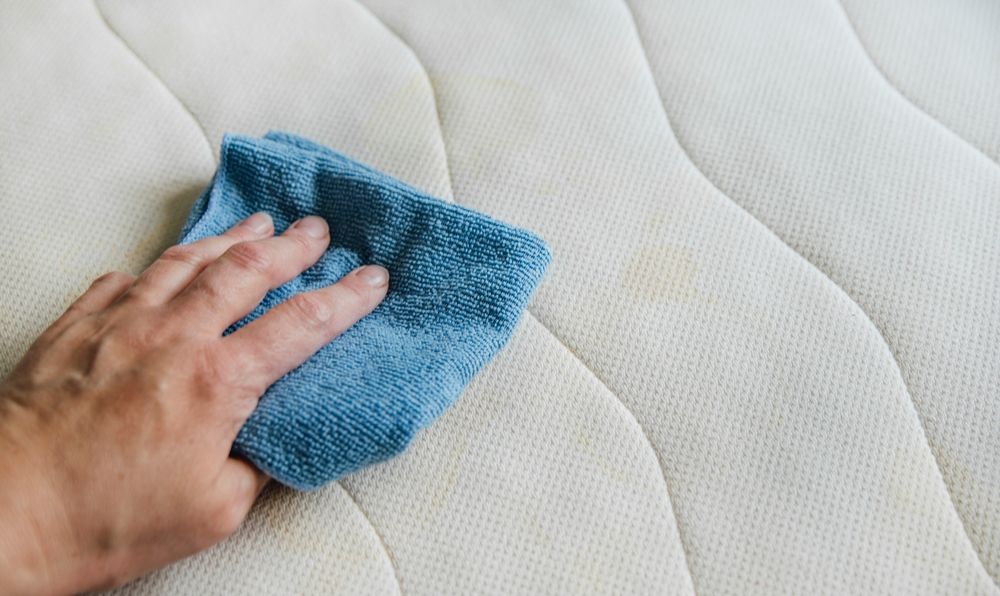
For a chemical-free option, damp microfiber cloths are fantastic for wiping surfaces. Pair them with hot water for added disinfecting purposes. Microfiber cloths are reusable, eco-friendly, and excellent for trapping dirt and bacteria without harsh chemicals.
10. Steam Cleaners
Steam cleaners use heat and water to sanitize surfaces, eliminating the need for chemicals. They’re great for cleaning floors, tiles, and even fabric. Since no residue is left behind, you can feel confident that the cleaned areas are safe for your cat to explore once dry.

What If I Need to Use Standard Cleaning Products?
We get it—sometimes, only certain products can cut it. You can still use your regular cleaning products in a home with cats as long as you take certain precautions to keep them safe.
Here are some tips:
What Are the Signs of Poisoning?
If your cat experiences toxicity from coming into contact with cleaning products, they may display a number of signs. If you spot any of these signs, please contact a vet at once.
- Pawing at the face and mouth
- Drooling
- Trouble breathing
- Foaming at the mouth
- Vomiting
- Coughing
- Collapsing
- Sores or ulcers on the skin, paws, tongue, or in the mouth
- Swelling of the skin, paws, or mouth
- Fatigue
- Difficulty eating
- Lack of appetite
- Twitching
- Seizures
- Shock
- Depression

Conclusion
There are a number of pet-safe cleaning products you can use, and many are very inexpensive and easy to find. To reiterate, if you do need to use cleaning products that are toxic to cats, please make sure your cat stays away from the area until the cleaning products are dry to prevent them from walking on, rolling on, or licking any toxic substances.
Sources
https://vetmeds.org/pet-poison-control-list/baking-soda/#!form/PPCDonations
https://anicira.org/blog/10-foods-that-are-dangerous-for-cats/
https://www.aspca.org/pet-care/animal-poison-control/toxic-and-non-toxic-plants/lemon
https://www.preventivevet.com/pets/pet-safe-home-cleaning-products#DIY-pet-safe-cleaners
https://www.cats.org.uk/help-and-advice/home-and-environment/poisoning
https://www.pdsa.org.uk/what-we-do/blog/how-to-keep-your-pets-safe-from-toxic-cleaning-products
Featured Image Credit: Isaeva Studio, Shutterstock
Expert cat care, straight to your inbox
News, insights, and useful advice, delivered to you.

No spam — unsubscribe anytime.
By signing up, you agree to our Terms & Conditions and Privacy & Cookies Policy.
How useful was this post?
Click a star to rate. You can leave written feedback afterwards. (We read all feedback.)
Kit Copson is a freelance writer and lifelong animal lover with a strong interest in animal welfare. She has parented various furry beings over the years and is currently a proud cat mom of two—one very chilled (unless hungry) Siamese and a skittish but adorable Domestic Shorthair—and dog mom of one—an adopted Bichon Poodle cross. When not writing about or spending time with animals, Kit can be found doodling in her sketchpad, reading, or more often than not, drinking tea.