How Often Do I Need to Bathe My Cat? Facts & 7 Vet-Approved Reasons Why

In this article
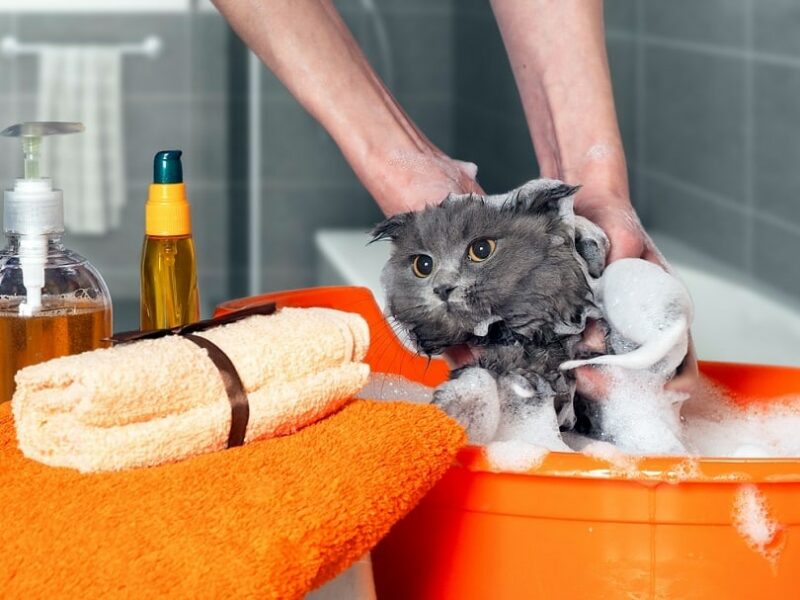
Bathing your cat is not something most owners think about. Cats are notorious for being self-grooming animals. For the most part, they do a darn good job of keeping themselves clean. Most cats don't need frequent baths. However, there are certain situations where a cat may need a little extra help in the hygiene department. Unless there's an issue—and we’ll cover that later in the article—you probably won’t need to lather up your kitty.
So, how often should you bathe your furry BFF? The real answer—as is so often the case with pet advice—depends on the needs of your particular pet, but there are some general guidelines to consider.

Why Cats Generally Don’t Need a Bath
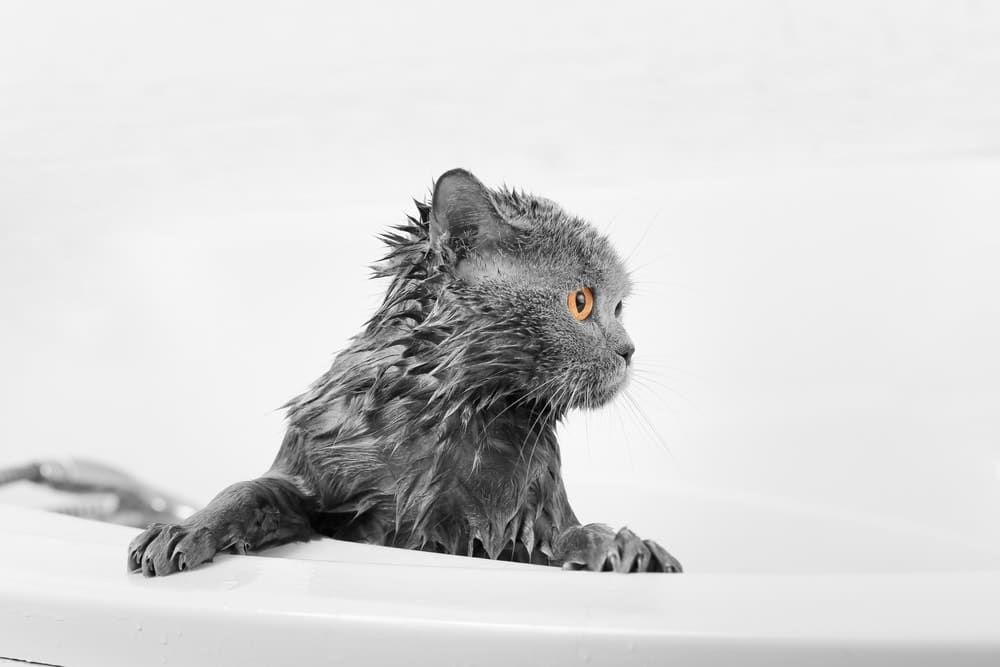
Regular bathing is actually unnecessary for cats and can even be detrimental to their health. Cats are very clean animals that typically groom themselves daily using their saliva. This grooming process helps keep them clean and healthy without the need for additional baths from a caregiver. In fact, bathing a cat too often can dry out their skin, leading to irritation and other health problems. Too much bathing can cause skin irritation due to over-drying of the skin, causing itching and discomfort, and possibly leading to infections if left untreated.
Cats are very fastidious animals and very good at keeping themselves groomed. More importantly, most cats usually do not like water and will try to avoid it, so bathing them can be quite stressful for both you and the animal. So, most cats do not require bathing as part of their grooming routine.
How Often Can I Bathe My Cat?
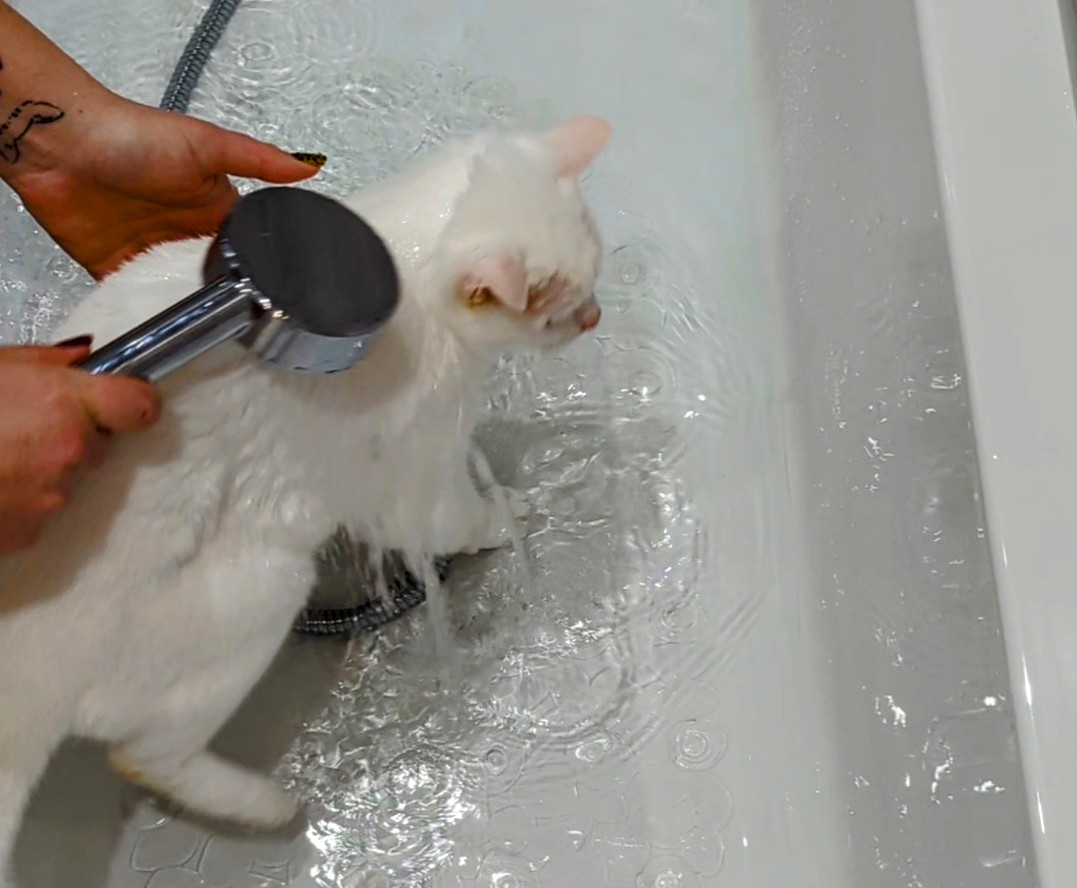
The general rule of thumb is that cats need a maximum of one bath every few months (or even less frequently) unless they get into something particularly dirty or smelly. No matter the reason, ideally, you shouldn’t bathe your cat more than once every 4 to 6 weeks. Don’t bathe your cat more often than once a month unless you’re doing so under the direction of your vet.

At Home Grooming Products
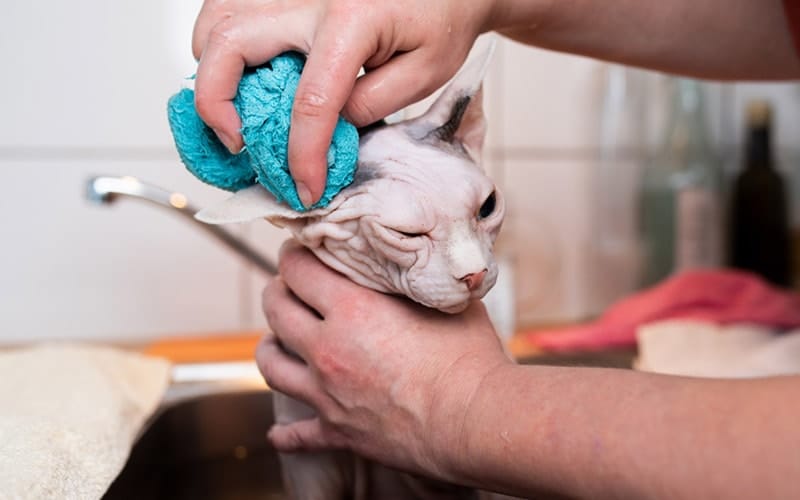
Cats can be unpredictable, so it’s important to be prepared when grooming them. Always use cat-safe grooming products, such as shampoo (for full baths), cat wipes, and even dry shampoo for cats that dislike water or when a full bath isn’t necessary.
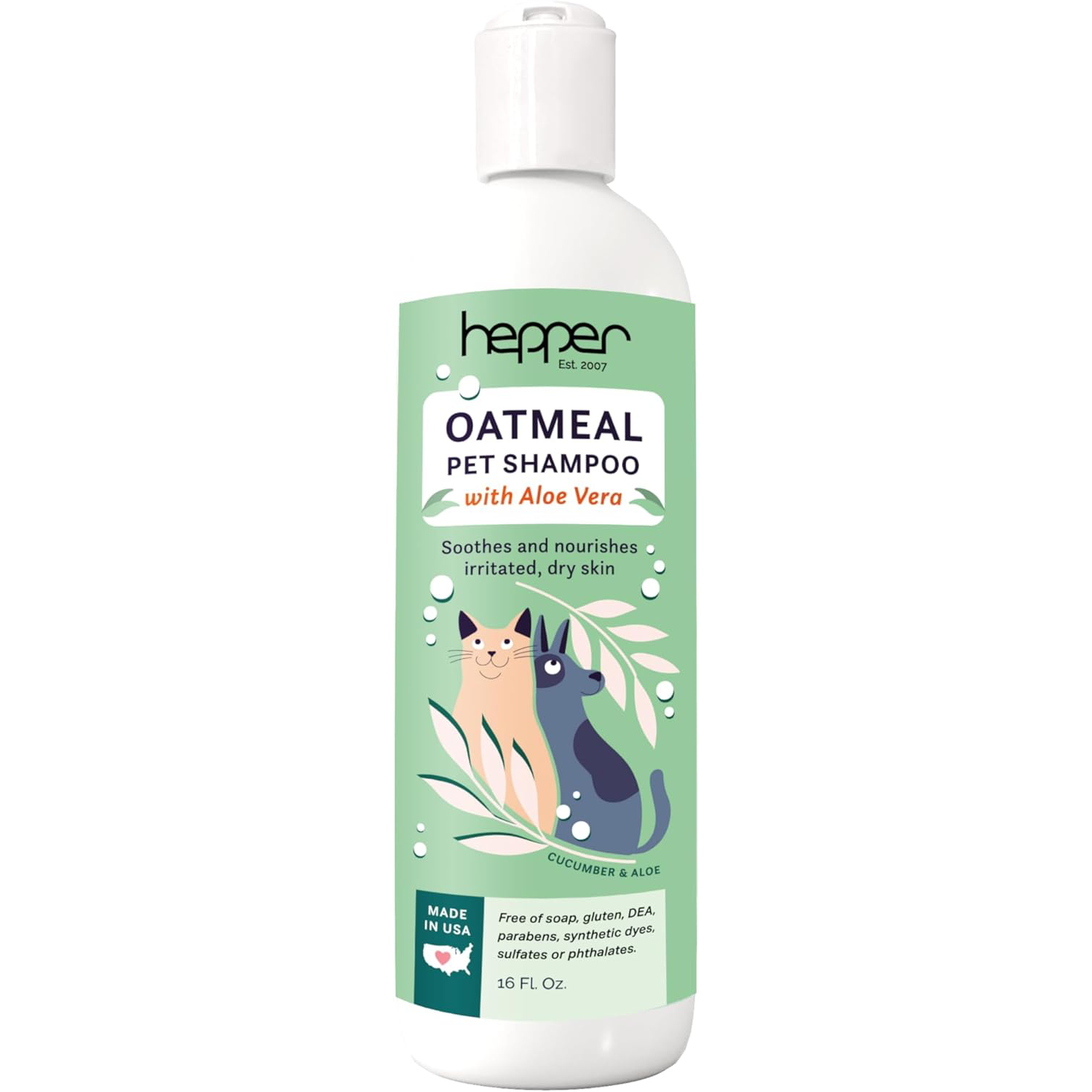
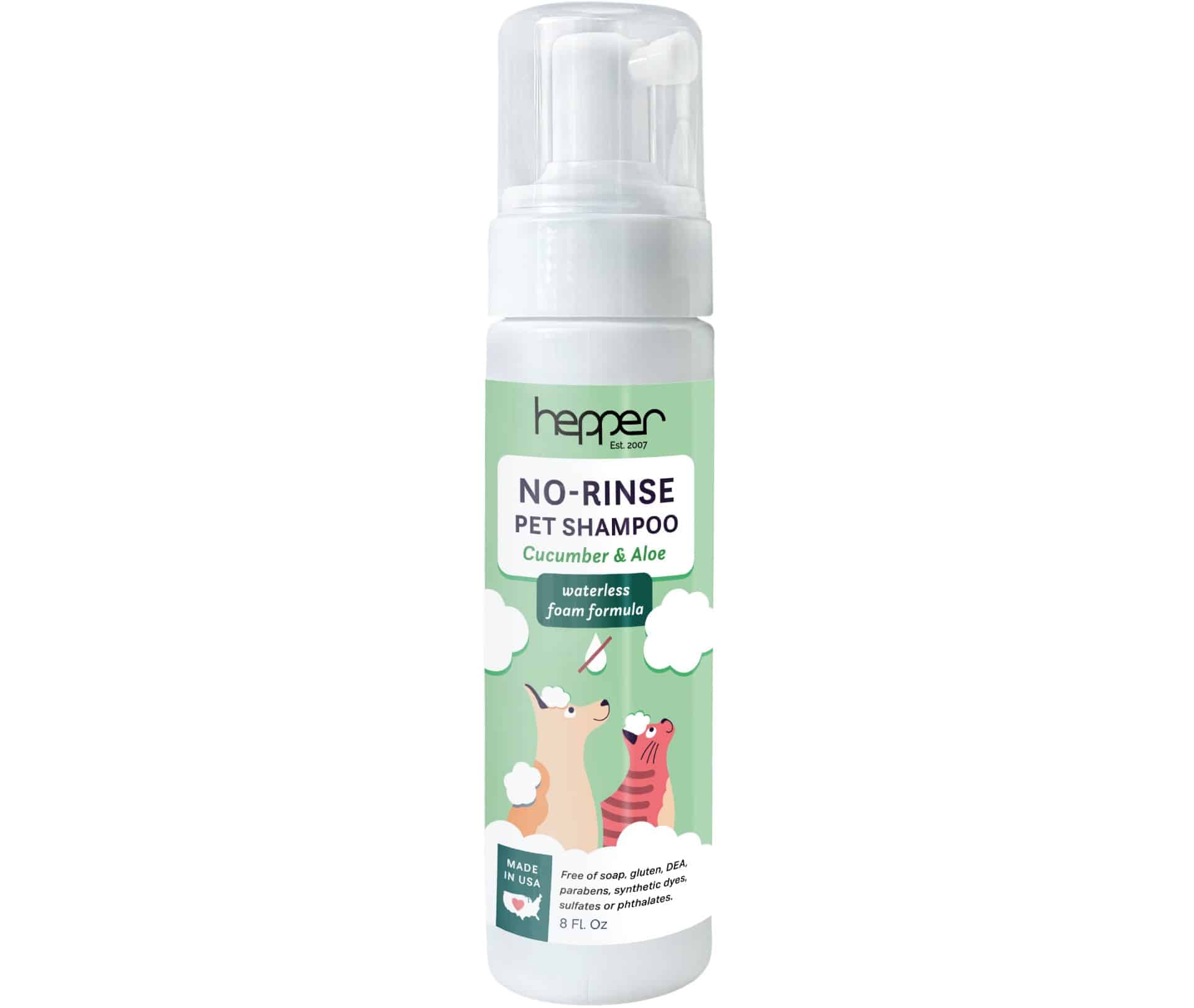
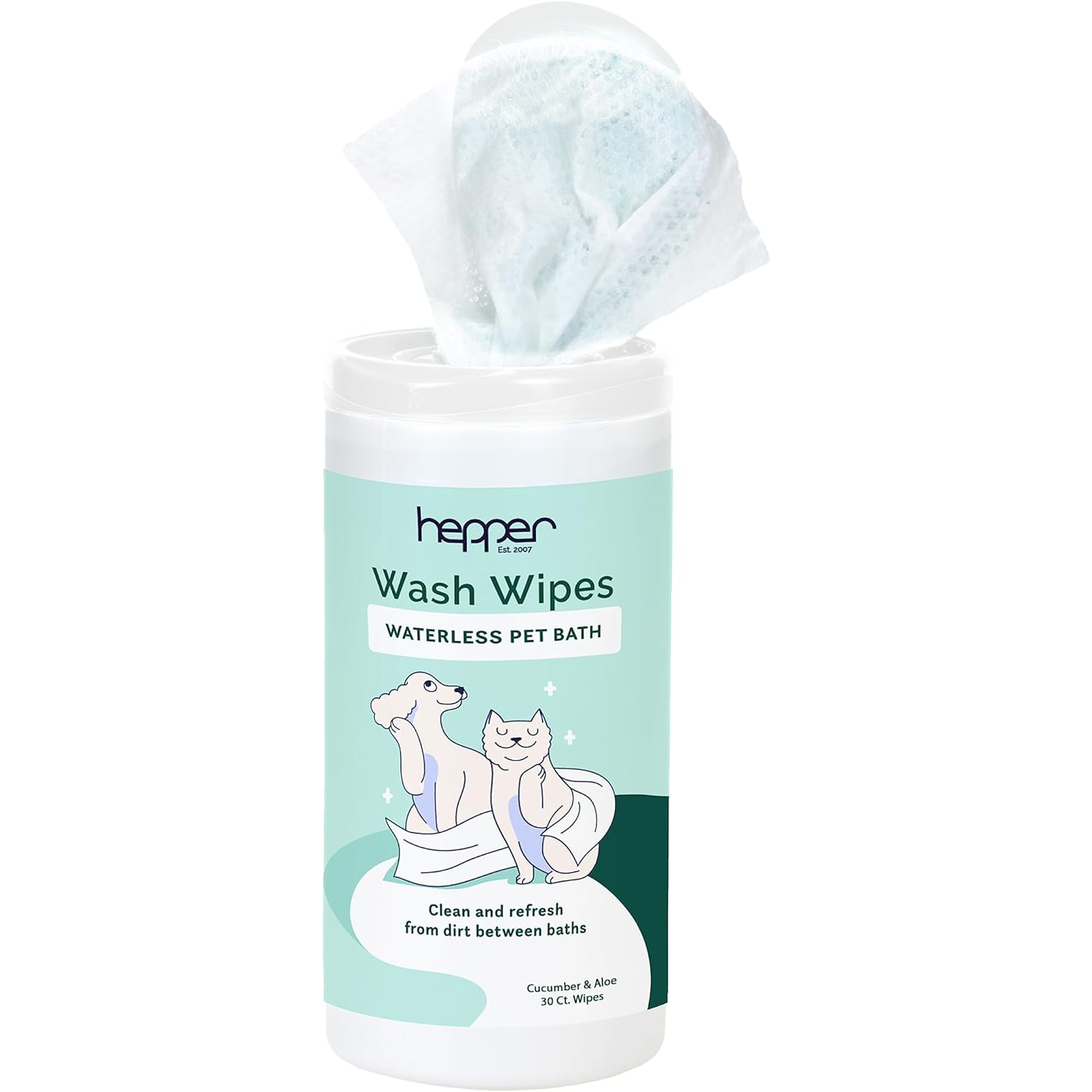
Here are our top picks for pet-friendly grooming products that can help make bathing and cleaning your cat a more positive experience for both of you. Hepper's Colloidal Oatmeal Pet Shampoo does a great job of cleaning your cat without causing irritation by combining soothing ingredients like aloe vera and colloidal oatmeal. The Hepper Waterless No-Rinse Pet Shampoo keeps your pet's coat smelling fresh between baths. The Wash Wipes are perfect for a quick refresh or cleaning of sensitive areas.
| Image | Product | Details | |
|---|---|---|---|
|
Hepper Colloidal Oatmeal Pet Shampoo |
|
Check Price |
|
Hepper Waterless No Rinse Pet Shampoo |
|
Check Price |
|
Hepper Wash Wipes |
|
Check Price |
At Catster, we’ve admired Hepper for many years and decided to take a controlling ownership interest so that we could benefit from the outstanding designs of this cool cat company!

The 7 Reasons to Bathe Your Cat
Although cats generally groom themselves quite efficiently through licking, sometimes they can use a helping hand from their owners. Let’s look at some of the reasons why you might want to give your cat a bath.
1. Long-Haired Cats
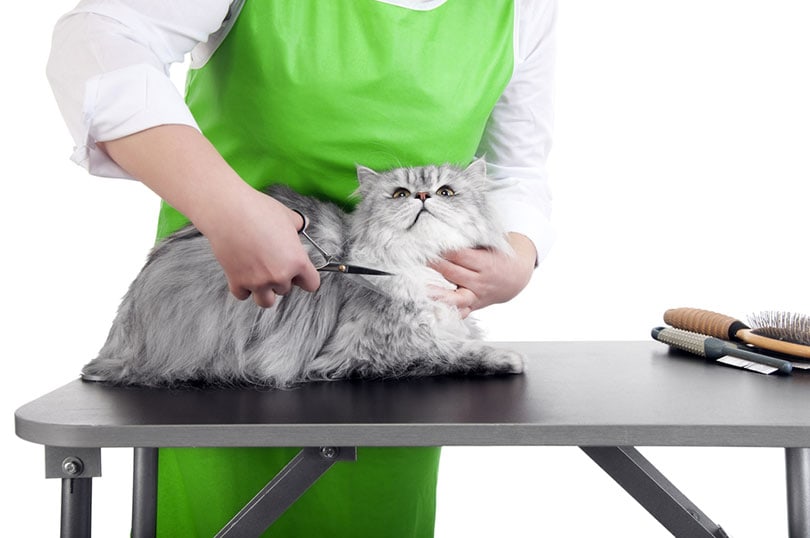
Regular brushing of long-haired cats helps to keep the fur clean, but bathing can help with cats that tend to experience matting. Bathing removes dirt, oils, and other skin irritants that accumulate on some cats, despite regular brushing sessions. Baths can help prevent tangles, which are a common problem amongst cats with longer coats.

2. Reducing Dander
Regular bathing helps reduce the amount of loose dander in your home, which can be especially helpful for those who suffer from allergies. Dander consists of small particles that are shed from the animal’s skin and fur and can cause sneezing and other allergic reactions in humans. Reducing dander levels is possible with regular baths for cats, preferably once every few weeks. Additionally, bathing a cat will provide them with a cleaner living environment and help keep its fur soft and tangle-free.
3. Flea Control
Fleas can cause cats to become unwell and uncomfortable due to the irritation they cause on the skin. Regular bathing can help get rid of any existing fleas, as well as prevent future infestations. This is one of the major reasons pet owners turn to bathing their cats regularly.
Not only does bathing provide relief from itching and irritation caused by fleas, but it also helps maintain your cat's overall health and cleans up their living environment. Fleas are annoying for both you and your pet, and they can also trigger serious health problems if left untreated, including skin irritation and even anemia in extreme cases. Bathing can remove existing fleas and prevent new ones from returning. Regular baths with quality flea shampoo will keep these pesky parasites at bay.

4. Feline Acne
Feline acne is one condition that can be treated with regular bathing. The skin disorder is caused by blocked hair follicles, which may become infected or cause inflammation of the skin. Bathing your bestie with a medicated shampoo designed specifically for feline acne can help clear up signs like redness, sores, and blackheads.
5. Skin Allergies
One instance where giving your cat a bath is essential is when they suffer from skin allergies. Skin allergies often cause severe itching and discomfort, so regular baths may help to reduce signs. When cats have skin allergies, there are usually several signs that owners should look out for, such as excessive scratching or licking of their fur, redness of the skin, or bald patches.
If you notice any of these signs in your cat, then it’s time to take them to the vet who will likely recommend bathing as part of an allergy treatment plan. During baths with mild shampoo, allergens are removed from the fur, which can help ease irritation on the skin and reduce further inflammation.

6. Old Age
As cats age, it is important to keep up with their regular grooming habits. This includes bathing your cat when they reach old age. There are a few reasons why this is beneficial and important for your senior kitty’s health and well-being. Senior cats may not be able to groom themselves as well as they used to when younger.
Bathing can help reduce the amount of loose hair in their coat as well as help remove any dirt or debris that has built up since their last bath. This will ensure that your cat’s coat stays clean, healthy, and free from matting and tangles that could cause skin irritations or infections. Regular baths can also help prevent odors, which can become a problem due to decreased grooming habits in older cats.
7. Rolling in Something Stinky
If your feline companion has been rolling around in something stinky, like skunk spray or garbage, it is important that you take action and bathe them as soon as possible. Doing so not only provides relief from the odor, and getting rid of the smell quickly will stop it from spreading throughout the house. Stinky smells can linger for days if not removed quickly enough. Giving your cat a bath with specially designed pet shampoo will help remove both the odor and any residue left behind on their fur coat.


Do Cats Enjoy Being Bathed?
They are all different! When it comes to bathing, cats aren't all the same. Some cats are total chill and don't mind getting wet and sudsy, while others are basically the feline version of "Oh heck no!" when it comes to baths.
If your bud falls into the latter category, it's important to take a slow and gentle approach to bathing them. Gradually introducing them to the idea of a bath (like letting them sniff and investigate the bathroom and bathtub before actually getting them wet) can help make the experience less traumatic for them.

Conclusion
In conclusion, the frequency of cat bathing is not a one-size-fits-all answer. It depends on the cat's breed, medical condition, and overall grooming needs. However, as a general rule of thumb, cats only need to be bathed every few months unless they get into something particularly dirty and stinky. Remember, although some cats are hydrophilic, the vast majority of cats don’t like to get wet.
Take it easy on your kitty and be gentle in your approach to bath time.
See Also:
Featured Image Credit: Irina Kozorog, Shutterstock

Expert cat care, straight to your inbox
Vet-reviewed advice, behavior tips, and the best of Catster. Free, and you can unsubscribe anytime.
By signing up, you agree to our Terms & Conditions and Privacy & Cookies Policy.
Christian started writing for a local newspaper as a teenager, and he's been involved in the publishing industry for most of his adult life. Combining his love of writing with a passion for animals, he is currently the Director of Editorial at Pangolia and the Editor-in-Chief at Catster.
Christian lives in the Philippines with his wife, son, and four rescue cats: Trixie, Chloe, Sparky, and Chopper.
Join the conversation
Ask a question, share your story, or send private feedback.