Is Bathing a Cat Necessary: Or Is It Just a Myth? Vet-Verified Explanation


In this article
All feline owners are familiar with dreaded bath days. It’s hard to say who enjoys it less—you or your cat. Most felines do not tolerate water well and can do some serious damage if they feel insecure. Those claws are no joke!
It might be such a hassle that you wonder if it's really worth all the fuss. So, is cat-bathing overhyped or does it serve a real benefit? The truth is, despite all of the self-cleaning cats do, there are circumstances in which a bath is absolutely necessary. For example, they will need a bath if they soiled themselves when ill; got covered with mud, paint, or other chemicals; were prescribed it as a treatment for flies, yeast, or bacterial infections; or got sprayed by a skunk. Baths might also be necessary for cats that cannot properly groom themselves due to being overweight or having arthritis, among other health issues. Let's discuss the importance of kitty hygiene.

Do Cats Like Baths?
Some cats really like water, others are curious about it—and then there are those classic felines that absolutely despise being anywhere near water. It's as if your cat is the Wicked Witch of the West, melting into a puddle each time they get close to it.
Even when you expose cats to water at an early age, they might hate it all their life. That makes it really hard when it comes to bath time. Acclimating a young kitty has much higher success rates with bath tolerance, but each cat will respond based on their individual personality.
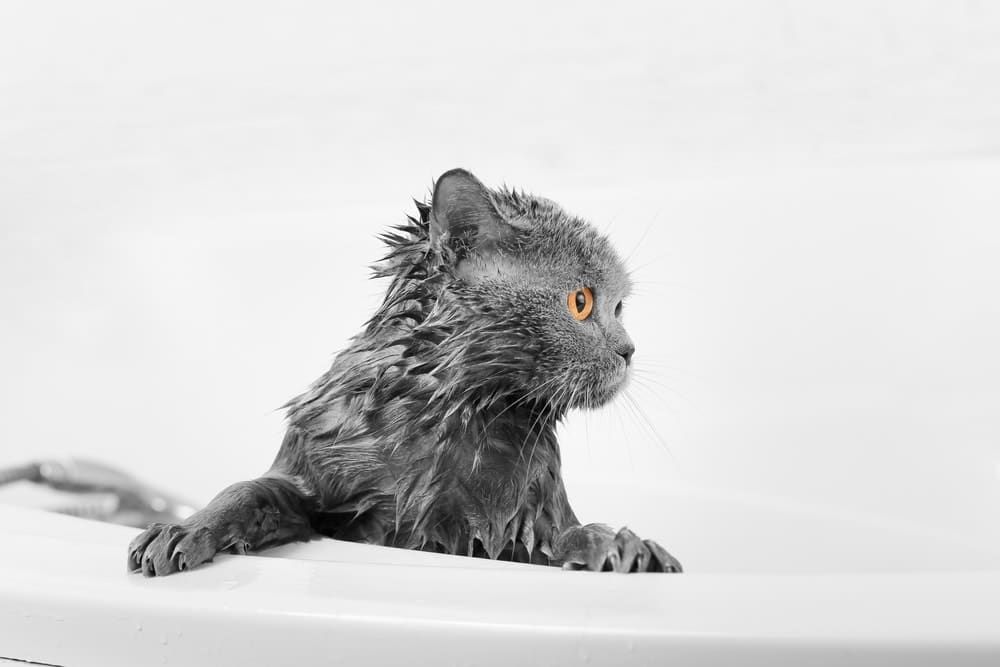
Unless you have a special case, you can almost guarantee your cat won't be crazy about bath time. They are wet, cold, and helpless—and we all know how our cats hate feeling dependent.
How Often to Bathe Your Cat
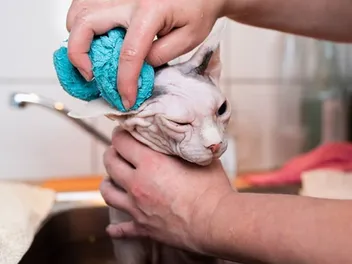
All cats have different coats, habits, and behaviors, so there are no set rules about their bathing frequency. If you have a constantly self-grooming cat with short fur, you might be able to wait a little longer in some scenarios. However, if you have a hairless cat, you will need to bathe them every couple of weeks to help them remove the oily buildup on their skin. Once you find what works best for your cat, you can create a grooming schedule.

Cat-Friendly Shampoo Options
When you buy shampoo, it should always be specifically formulated for felines. These shampoos have the right ingredients and pH levels to appropriately clean your cat.
However, not all shampoos are created equal in the pet supply world. Cat shampoo should have soothing, all-natural properties.
Always make sure to choose a shampoo that is free of:
*Tip: Never use human or dog shampoo on your cats.
The best pet shampoos are carefully formulated to clean your pet without causing irritation. Hepper's Colloidal Oatmeal Pet Shampoo does a great job of this by combining soothing ingredients like aloe vera and colloidal oatmeal. It is also pH-balanced and free of irritants like dyes, soaps, sulfates, and phthalates. You and your pet will both enjoy the fresh, clean scent, too!

- Only Natural Pet Shampoo - Our vegan, plant-based formulation is made with safe and natural pH-balanced ingredients to moisturize and soothe skin, leaving a fresh, soft and glossy coat to turn heads
- No Soap - A cat and dog wash free from soaps, glutens, dyes, DEA, sulfates and phthalates means it's a hypoallergenic dog shampoo for itchy skin / cat shampoo for itchy skin made with only good stuff
- Colloidal Oatmeal - Formula soothes and nourishes dry, irritated skin, providing itchy skin relief for dogs and cats alike. Trust us - they'll thank you with lots of licks!
At Catster, we’ve admired Hepper for many years and decided to take a controlling ownership interest so that we could benefit from the outstanding designs of this cool cat company!
Benefits of Cat Bathing
- Bathing removes any dirt or debris in the fur.
- Bathing leaves your cat's coat soft and refreshed.
- It reduces the likelihood of matting or tangling.
- It keeps your furniture and fabrics clean.
- It removes any litter box leftovers from their paws.
Why You Shouldn't Over-Bathe Your Cat
Cats are very good at grooming themselves naturally. Plus, their skin excretes oils to protect their fur and keep it nice and shiny. If you strip the oils too often, it can make the coat dim or lackluster.
The overuse of shampoo might even cause skin irritation, dry and flaky skin, and hair loss. Use only cat-safe, proven shampoo brands that match your feline's pH levels.
Other Times to Bathe Your Cat
Of course, cats might have a different plan when it comes to getting dirty. Sometimes, you will have to bathe your cat sooner than the schedule says.
Some reasons might be:

If any of these situations occur, it's okay to bathe your cat. But try to stretch out bath time when you can.
How to Bathe Your Cat
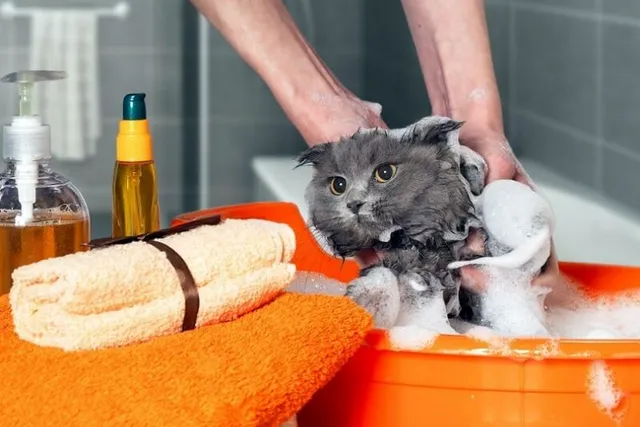
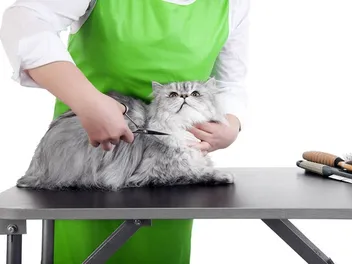
Bathing styles can vary depending on your cat's temperament. When it's time for a bath, you can give your cat the royal treatment. Use this as an opportunity to take care of other basic hygiene, like nail clipping, teeth brushing, and fur detangling.

Before you start, you'll need to grab a few supplies:
Here's a Painless Way to Bathe Your Cat:
- Ready your cat for bath time. Round them up, and make sure you have anything you need for bath time bribery—like yummy treats.
- Draw a few inches of lukewarm water in a sink or tub. Make sure the water isn't too hot or cold for your kitty. You want them to be as comfortable as possible.
- Make sure you have all the necessary supplies. Don't start the bath and forget the towel. Double-check to see if all your supplies are on standby.
- Put on your gloves and any other protective gear. Gloves can help protect your skin from your cat's claws if they stress out or struggle.
- Making your cat feel as secure as possible, lower them into the water. If you need a partner for this part, more power to you. Whatever it takes to make your cat feel at ease.
- Lather their bodies with shampoo and gently scrub. You can use about a quarter-sized portion of shampoo to get a nice lather, but you might need more, depending on fur length.
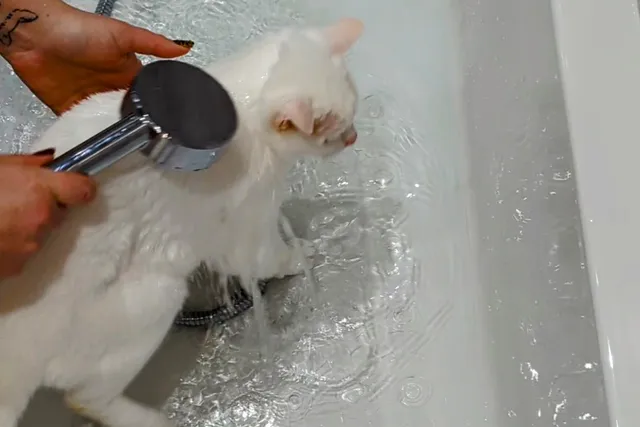
- Rinse thoroughly. You won't want to leave any shampoo to dry in their fur, as this can irritate their skin.
- Using only water on a rag, clean your cat's face last. You don't want to get any soap on the face because of sensitive parts like eyes and ears. With a damp cloth, gently clean the face.
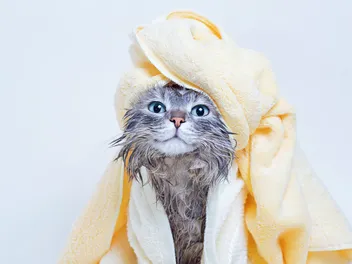
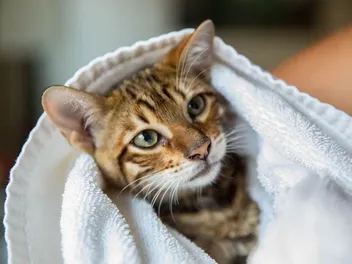
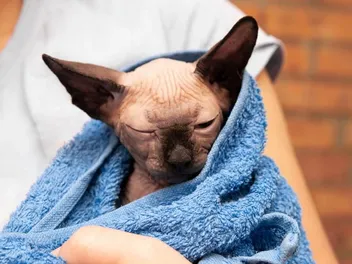
- Wrap up your kitty in a towel. Make sure to snuggle them a little extra since you just traumatized them in the tub. Gently rub or dab your kitty until they're mostly dry before you let them go. You won't want them shivering. If where you live is cold, you might have to use a hairdryer on the lowest setting to completely dry them. If you choose this method, be sure to constantly move the dryer and avoid only focusing on one spot.
- Do any cleanup or aftercare. Now it's time to do any extras, like brushing, ear cleaning, tooth brushing, and nail clipping. Then, you get to clean up the mess with no help from the cat.
How to Ease Your Cat’s Stress During Bath Time

Baths can be traumatic for cats, especially if you don't do it correctly. Water typically makes them feel very insecure, so making sure that they feel safe is paramount. You don't want to have a lousy bath experience because it will most certainly lead to others.
To make the experience easier:
Final Thoughts
So, even though your cat might despise bath time, it's a necessary part of cat care. Some cats might need baths less often than others. It depends on the situation and environment and the characteristics and habits of your cat. But for one reason or another, nearly every pet cat will need a bath sometime! It isn't a myth—but a professional recommendation.
Your cats might not like it so much, but they will feel better once all is said and done.
See Also:
Featured Image Credit: Zulkarnieiev Denis, Shutterstock
Expert cat care, straight to your inbox
News, insights, and useful advice, delivered to you.

No spam — unsubscribe anytime.
By signing up, you agree to our Terms & Conditions and Privacy & Cookies Policy.
How useful was this post?
Click a star to rate. You can leave written feedback afterwards. (We read all feedback.)
As a freelance dog writer and passionate pet enthusiast, Ashley Bates is pursuing studies in animal therapy. A mother to four human children and 23 animal companions, Ashley is dedicated to volunteering at shelters, advocating for animal rights, and rescuing animals in need. Her goal is to spread awareness, provide education, and offer entertainment about pets to reduce homelessness. Ashley's specialties include dogs and cats.