Get

In Your Inbox

Catster is reader-supported. When you buy via links on our site, we may earn an affiliate commission at no cost to you. Learn more.

Do Long-Haired Cats Need Baths? Vet Approved Grooming Advice

Share

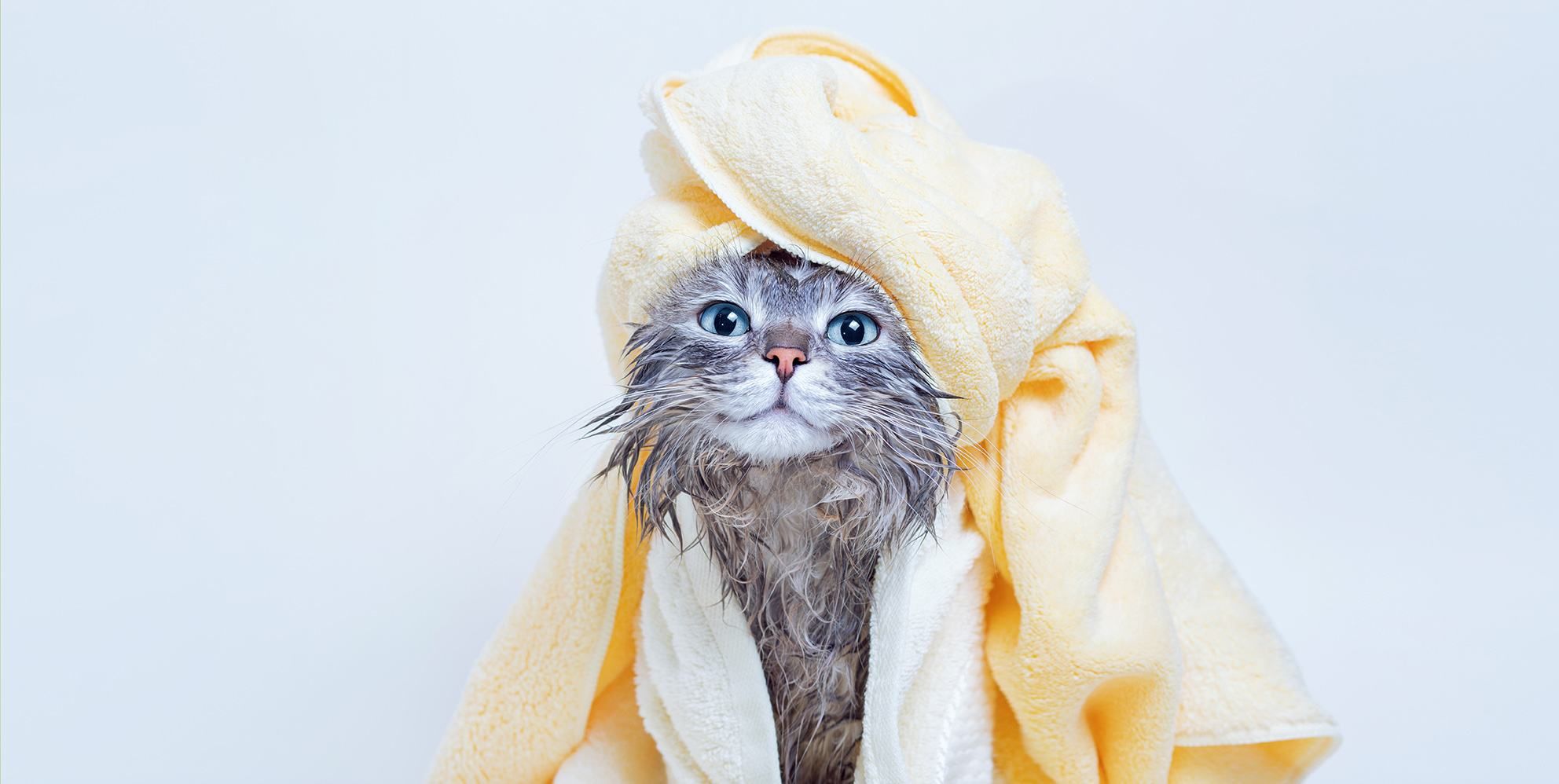
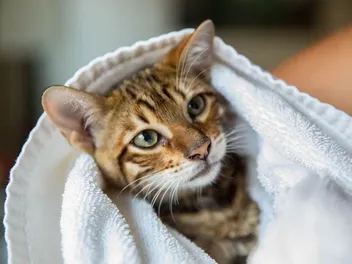
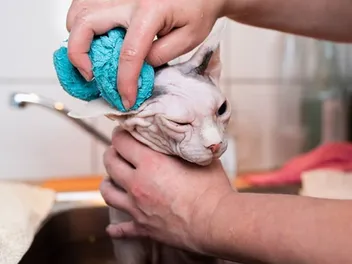
gray cat newly bathe

Most felines are notorious for disliking getting wet, so bathing a cat might seem challenging. The good news is that most cats rarely need baths! But what if you have a long-haired cat? With all that hair, do they require baths?

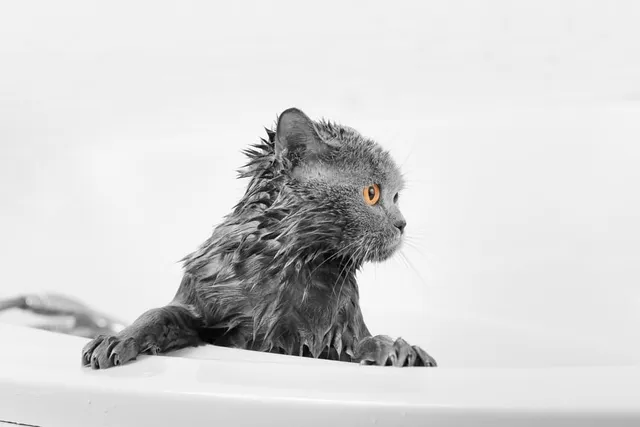
Long-haired cats shouldn’t need to be bathed often, as they are excellent at keeping themselves clean. In fact, bathing a long-haired cat can actually cause the fur to become knotty and matted, so you’re best off keeping them on solid ground. However, there may also be occasions when a long-haired cat gets extremely dirty and requires a bath.

Here’s what you should know about long-haired cats and baths.

divider cat paws oct 2024

Do Long-Haired Cats Need Baths?

Mostly, long-haired cats don’t need baths any more than short-haired cats, and in fact, the opposite is usually true. That long coat stops dirt and grime from penetrating down to the skin, so most long-haired cats will come up nice and clean with a good brushing. If you are wanting to get that just-shampooed look and smell, try a waterless shampoo or wet wipes to remove any surface dirt and keep them smelling amazing. Detangling sprays are also a great accompaniment to a long-haired cat grooming session.

Keeping your cat clean doesn't always mean you have to give them a full bath. The Hepper Waterless No Rinse Shampoo and Wash Wipes are great waterless products to keep on hand. They're specially formulated to be safe for cats of all ages and breeds. The hypoallergenic formulas contain natural, moisturizing ingredients that effectively remove dirt without irritating your cat's skin. The waterless shampoo is the ultimate fur refresher, and the wipes make cleaning sensitive areas like eyes, ears, paws, and bum a breeze. Learn more about each product in the table below. 

Image Product Details
Waterless Hepper Waterless No Rinse Pet Shampoo Hepper Waterless No Rinse Pet Shampoo
  • Cleanses & deodorizes without water
  • Natural ingredients & pH balanced
  • Fresh scent
  • On-The-Go Hepper Wash Wipes Hepper Wash Wipes
  • Great for on-the-go
  • Perfect for sensitive areas
  • Tough on dirt, gentle on skin
  • At Catster, we’ve admired Hepper for many years and decided to take a controlling ownership interest so that we could benefit from the outstanding designs of this cool cat company!

    How Do I Bathe a Long-Haired Cat?

    Some cats have a nose for mischief, and if you find yourself faced with a filthy feline, you may need to brace yourself and give your cat a bath.

    Here are a few tips for bathing a long-haired cat.
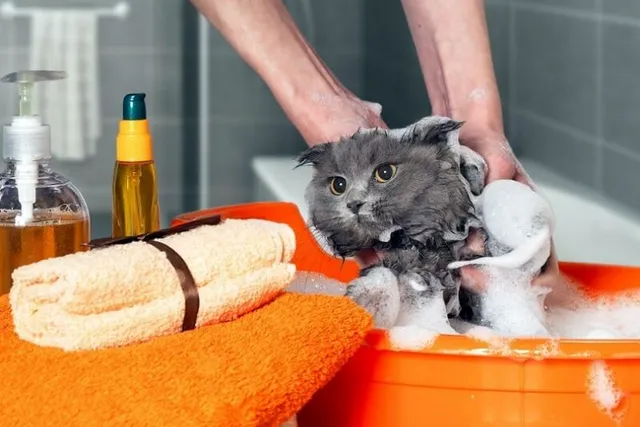
    • Before you try your first bath, get your feline friend used to the bathroom, sink, or tub. Try putting a little water in the sink or tub and encourage them to play with it (you can even toss some toys in!).
    • Gather everything you need for a bath before you start, like shampoo and conditioner designed for felines, and towels. Make sure they are all within your reach, but not easily knocked over. You will need at least two towels; one for the first dry, then others to keep on drying.
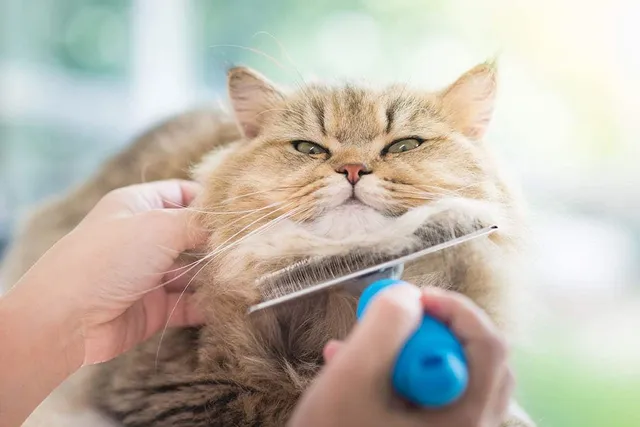
    • Be sure you brush your pet beforehand to get rid of as many mats and tangles as possible, as this is more difficult to accomplish with wet hair.
    • Play with your kitty before a bath to help them get rid of some energy. A tired cat can be easier to handle during bath time.
    • Close the bathroom door before starting the bath, so your cat can’t escape.
    • If you have a handheld showerhead, use that to bathe your pet instead of putting them in water (just make sure it isn’t on a high setting; you want a gentle rain feel). You can also use cups to pour water (gently!) over them. Avoid getting water over the face or in the ears.
    • If you’re unable to bathe your kitty in this way, then fill the tub or sink with a few inches of warm (not hot!) water. Ideally, you want the water to come to just above their belly; if it’s too shallow, you’ll have trouble getting them wet and rinsing shampoo. Plus, if they think they have a chance of getting away without getting wet, they will struggle even harder. Most of the time, once your cat is completely wet, they tend to accept their fate!
    • Give your cat plenty of reassurance and praise while bathing them.
    • Only use a small amount of shampoo!
    • Stay calm while bathing your pet. Felines can easily pick up on emotions like stress, and if your cat feels you’re stressed, they’ll become stressed, too.
    • Once your cat is clean, use the towels to dry them off. Many cats are scared of hair dryers, so use the towels to dry them off as best as possible. If your pet isn’t afraid of the hair dryer, you can set it to low heat to dry them.
    • Because wet fur is more likely to become knotted or tangled, use a detangling spray and comb out the fur as it dries.
    • If your pet seems severely distressed by the bath, stop and let them go. Forcing them through something that’s causing an overwhelming amount of stress will be traumatic for your cat.
    • And, if all else fails, take your cat to the groomer to be bathed.
    white-British-long-haired-cat-smiling-or-happy
    Photo Credit by: Sviatoslav Shevchenko, Shutterstock

    Can I Keep My Long-Haired Cat Clean Without Baths?

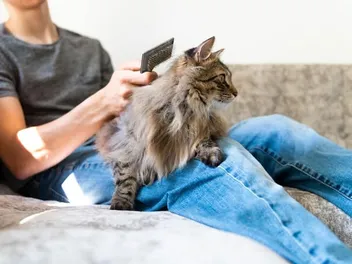
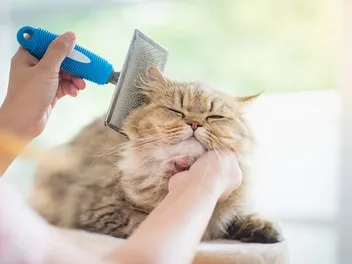
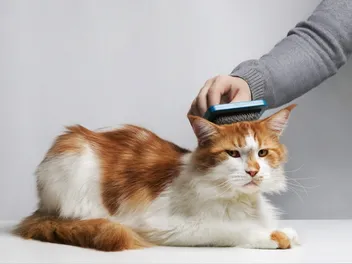
    Regular brushing is the best way to do this, particularly for long-haired cats. Long-haired cats require regular brushing (at least once a day is advisable) to help keep their coats from tangling and matting. Brushing also gets rid of dead fur and stimulates the natural oils of your cat’s skin, which leaves their coat looking healthier. Plus, getting rid of all that dead hair means your cat is swallowing less fur when they groom themselves, which can help decrease the number of hairballs they get.

    Keeping your cat’s face clean by cleaning their ears and wiping around the eyes (especially if they have runny eyes) will also help.

    What if My Long-Haired Cat is Really Matted?

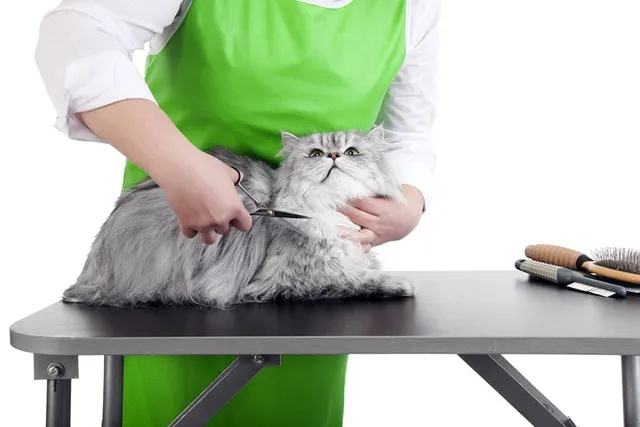
    It’s quite common for long-haired cats to get little dreadlocks, and these can quickly turn into big dreadlocks. If you are dealing with smaller knots, you can try using a good detangling comb or even some pet clippers to cut the knotted fur away. Be really careful when using clippers, as cat skin is quite fragile, and many kitties have needed stitches after an ill-fated grooming session. Never use scissors. If your cat has a really matted coat, you are probably best going to your vet or a groomer to have them clipped. Sometimes cats need a sedation to have their whole body clipped, so keeping on top of grooming is the best way to avoid this.

    If your cat is not used to being brushed, start out with a soft bristled brush to get them used to the sensation, without risk of pulling the fur. Once they are accustomed to being brushed, you can introduce a more effective detangling brush to tackle small knots and keep on top of shedding hair. Grooming mitts are a great way to sneak in some grooming without them noticing!

    divider cat paws 2 oct 2024

    Final Thoughts

    Long-haired cats don’t necessarily require baths, but on occasion, they may need to take the plunge. Because wet hair is more likely to tangle, it is much better to stick to brushing as your grooming mainstay for your long-coated feline, using products like dry shampoo or detangling spray to help get through any knots and keep them smelling fresh.

    If you have a long-haired cat in the family, or are thinking of getting one, get them used to being brushed on a regular basis, preferably from a very young age. Teach them to associate a brush with treats and kind words, so that you can maintain their coat without claws and recriminations.


    Featured Image Credit: KDdesignphoto, Shutterstock

    Want content like this delivered to you?

    Sign Up For Our Newsletter

    News, insights, expert advice, and everything cat

    * By submitting, you agree to our Terms & Conditions and Privacy & Cookies Policy.


    How useful was this post?

    Click on a star to rate (you can leave written feedback after clicking submit)

    Help us improve Catster for pet parents!

    Your feedback really matters.

    What did you like about this post? Also how can we improve it?

    Join the conversation

    Leave a Reply

    You’re very welcome to leave a comment or question. Please know that all comments must meet our community guidelines, and your email address will NOT be published. Let’s have a positive and constructive conversation.


    Catster's Digital Magazine is Back!

    Vet-approved health & behavior advice

    Real cat stories & community features

    Chatting About the Importance of Spaying/Neutering, Cat Retail Shopping Ban & Red-Level Storms | Chatty Cattys, Episode 30

    In this episode of Catster’s Chatty Cattys podcast, Nicole and Dr. Karyn are celebrating a major legal win for pets before diving into...

    Is Your Cat Happy? Here’s How You Can Tell

    Cats have a reputation for being indifferent, even inscrutable. But despite their seemingly ambivalent appearance, cats experience many emotions, including happiness, and they...

    Human Brains Age Like Cats – New Study Debunks the 7-Year Rule

    If you’ve ever caught your senior cat staring blankly at a wall, wandering the halls at 3 am, calling out for no clear...

    Chatting with Devin About Here! Have a Kitten, Fostering, & Why Two Are Better Than One | Chatty Cattys, Episode 29

    In this episode of Catster’s Chatty Cattys podcast, Nicole & Dr. Karyn sit down with Devin, the founder and one-woman show behind “Here...

    More related

    Can Cats And Dogs Drink From the Same Water Bowl? Vet Approved Facts & Tips

    If you live in a multi-pet household and own both a cat and a dog, you may be wondering if these animals can...

    Will Cayenne Pepper Keep Cats Away? Vet-Reviewed Facts & FAQ

    Because cats are naturally curious, they often make a nuisance of themselves in spaces where they don’t belong. Indoors, that might mean prowling...

    Cat Tracking Chips: GPS vs. Microchip Technology Explained & Vet-Reviewed

    One in three pets go missing in their lifetime. Over 10 million pets in the U.S. go missing every year.1 Sadly, many are...

    Mastitis in Cats: Our Vet Explains Signs, Causes & Treatment

    Mastitis is not frequently seen in cats. This could be due to many outdoor cats giving birth and nursing out of sight. Or...

    Keep reading

    How Do I Get Poison Ivy Off My Cat Safely? 5 Vet Recommendations

    Poison ivy can cause serious problems for you and your cat. You can spread the oils that cause the rash to each other, and complications can pop up in humans and felines. Luckily, poison ivy is typically nothing more than...

    Poison Ivy Plants

    The Real Reasons Kittens Suckle! Warning: High Level of Cuteness Follows

    If you’ve welcomed a new kitten into your home, you already know they come with a whole toolbox of adorable quirks. But there’s one behavior many pet parents don’t expect: suckling. Whether it’s a blanket, a finger, or their own...

    sphynx kitten, webbed feet, sucking a blanket

    How Often Will a Feral Cat Move Her Kittens? Vet Approved Facts & FAQ

    You may have seen your domestic mama cat move her kittens more than once, and the same behavior is common for feral mother cats. Feral cats will move their kittens for various reasons. If the mother cat is unsatisfied with...

    kittens in the grass with their mother

    Can Cats Eat Cottage Cheese? Vet-Verified Nutrition Facts

    We know that cats can be picky eaters, but cheese seems to be one treat that is universally loved. So, can cats eat cottage cheese? Yes, you can feed cottage cheese to your cat, but only in moderation. Some vets...

    Can Cats Eat Cottage Cheese

    Can Cats Eat Turkey Bacon? Vet-Approved Risks & FAQ

    Turkey and bacon are two legitimate meats in their own right, and each of these meats is popular with both humans and pets alike—even if our pets shouldn’t be eating them. Cats are known as obligate carnivores, meaning they must...

    Can Cats Eat Turkey Bacon

    Do All Cats Have Thumbs? Vet-Reviewed Explanation of Polydactyl Cats

    Cats are agile animals that can run, jump, and scratch with ease. All cats have the same general physical features—four legs, two ears, a tail, and a stout body—that help them maintain their agility and sprightliness. However, not all cats...

    tabby cat paws on backrest of couch

    Can Cats Eat Gravy? Nutritional Facts & FAQ

    Like humans, cats enjoy a good meal. And while many people might think that all cats only eat dry food, that is not the case. Many cats love gravy, and several wet foods are made with gravy; some even have...

    Can Cats Eat Gravy

    Injection-Site Sarcoma: 9 Vet-Verified Facts

    Injection-site sarcomas, also called feline injection-site sarcomas (FISS), are cancerous skin tumors that can develop in cats after they have received an injection, more specifically a rabies or leukemia vaccine 1. This is an uncommon but serious adverse reaction that...

    vet injecting a cat at the clinic

    Love Cats? So Do We! Join the Catster Community

    Stay informed with expert pet care insights delivered straight to your inbox! Discover professional guidance on animal behavior, feeding tips, trusted product picks, and much more.


    Sign up for the Catster Email Newsletter

    Stay informed with expert pet care insights delivered straight to your inbox! Discover professional guidance on animal behavior, feeding tips, trusted product picks, and much more.