Does My Cat Need Breed-Specific Food? Vet-Approved Nutritional Advice


In this article
The pet food industry is exceedingly complex and overwhelming. Every time your cat needs a new bag of food, it seems there are a handful of new pet diet trends on the rise.
One diet trend that is making its rounds in the cat food industry right now is breed-specific food. Does your pedigreed kitty need a diet tailored specifically for its breed? As it turns out, breed-specific diets are not completely necessary, but they shouldn't be entirely off the table. Confused? Read on to learn more.

Is a Breed-Specific Diet Necessary?
Generally speaking, diets formulated for cats that are nutritionally complete (in the US such diets are AAFCO-approved) can be given to any breed of cat.
A breed-specific diet isn’t essential. However, it can be useful as these foods take into account specific nutrients you might consider when feeding a particular breed of pedigree cat to help keep them in optimal health. Each cat is an individual and the most important thing is that they are fed a high quality, complete, nutritionally balanced cat food. If your cat has health issues this is far more important to consider than your cat’s breed and you should always consult a veterinarian for help in choosing the right diet.
What Is the Reasoning Behind Breed-Specific Food?
A breed-specific food is designed to provide your purebred pet with the exact nutrients they need to thrive. These tailored diets consider your kitty's body type, genetics, and coat type. Certain health conditions are more prevalent in particular breeds and these foods aim to help prevent some of them. Breed-specific kibble might also be shaped to conform to a breed's unique jaw shape.

What Do Breed-Specific Diets Aim to Do?
Breed-specific foods aim to address a breed's physical appearance and nutritional needs.
These can include things such as:
Many popular pet food brands have begun manufacturing breed-specific formulas for cats. They have kibble for Maine Coons, Persians, Bengals, Ragdolls, and more.
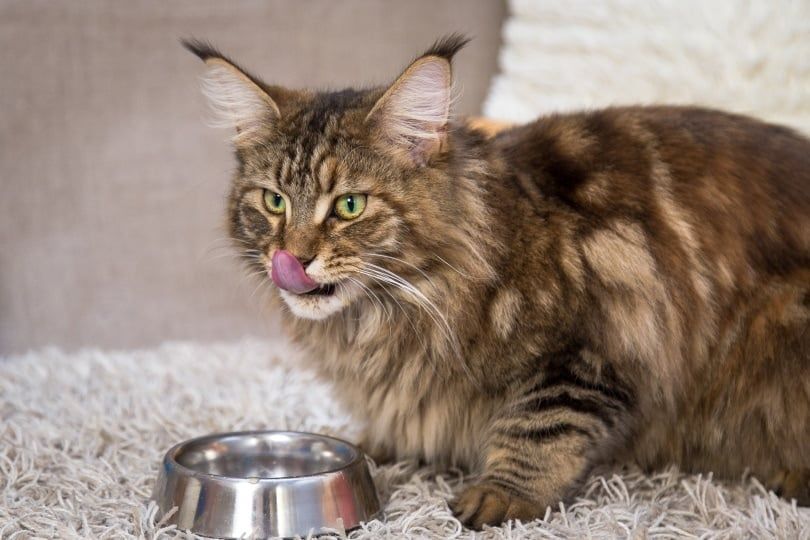
Food intended for large cats, such as the Maine Coon, aims to support the healthy bones and joints of these large kitties. This breed has a predisposition to cardiac issues and the taurine, EPA, and DHA that this food contains helps maintain healthy heart function. Food specifically formulated for Maine Coons also includes a specific combination of amino acids, vitamins, and omega fatty acids to help the breed’s dense coat and finer undercoat.
Food formulated for the Persian breed contains a specific blend of fibers to reduce how many hairballs these long and luxuriously furred kitties develop. It also contains nutrients to support the Persian's skin and coat health. Food intended for Bengal cats has been formulated to help these athletic kitties maintain their muscle mass. Bengals can often suffer from digestive sensitivity so the diet is highly digestible.
In addition to providing specific nutrient profiles for a breed's needs, these diets also consider the unique shape and size of each breed's jaw and have different kibble shapes to help support them. This will encourage proper chewing, positively impacting digestion.
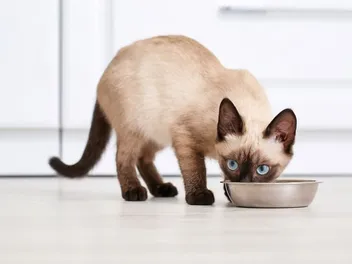
For example, Siamese cats have narrower and more pointed jaws and the shape of Siamese kibble is specially designed so it is easier for them to pick up. Siamese also tend to eat very quickly which can cause issues with regurgitation. This kibble has a texture that encourages crunching to slow down food intake.

Final Thoughts
Different breeds of cats are more susceptible to certain health conditions and breed-specific foods may help to prevent and possibly treat some of these conditions. The kibble shape may also be beneficial for that particular breed and the shape of their jaw. So breed-specific food can have some benefits but is not essential.
If your kitty has an underlying health condition, this is the most important factor when choosing their diet. A breed-specific food won't replace therapeutic diets for common diet-responsive health conditions.
We recommend making an appointment with your vet if you feel overwhelmed by the pet food industry and always if your cat has an underlying health condition that needs a special diet. They can help you find the best food for your kitty, as they will know your cat’s health and unique nutritional needs.
Featured Image Credit: Lita Keire, Shutterstock
Expert cat care, straight to your inbox
News, insights, and useful advice, delivered to you.

No spam — unsubscribe anytime.
By signing up, you agree to our Terms & Conditions and Privacy & Cookies Policy.
How useful was this post?
Click a star to rate. You can leave written feedback afterwards. (We read all feedback.)
For Chantelle, writing and animals are the two driving forces in her life. Growing up on the Canadian prairies surrounded by pets, she now shares her home with five cats, two guinea pigs, and a bearded dragon. Chantelle, her husband, and their child pride themselves on being dedicated pet parent, even spending a fortune on wall-mounted cat shelves to provide their cats with an indoor jungle gym. When she's not snuggling with her cats or photographing their humorous moments, Chantelle is exploring the Rocky Mountains, rewatching her favorite Netflix series, and reading up on various random subjects.