Get

In Your Inbox

Catster is reader-supported. When you buy via links on our site, we may earn an affiliate commission at no cost to you. Learn more.

Ragdoll Cat Health Problems: 20 Vet-Reviewed Issues

Share

Catster_Health Problems of Ragdoll

As one of the most popular cat breeds, Ragdolls are known for their docile and placid temperament. Their trademark move is to go limp in your arms when you hold them, hence the name “ragdoll.” They’re typically healthy and free of health problems when properly cared for, however, like all cats, they are susceptible to certain health problems.

Some of the problems mentioned are more common in Ragdolls, while other problems can affect all cats, Ragdolls included. With that being said, here’s a look at the most common Ragdoll cat health problems and how you can prevent them.

divider cat paw scratch oct 2024

The 20 Common Ragdoll Health Problems

1. Respiratory Problems

Respiratory problems are relatively common in Ragdolls, due to their flat faces and short noses. These features can make it difficult for them to breathe, which can lead to respiratory infections. They can also inhale food and debris, leading to respiratory and sinus infections.

Respiratory infections are another common health problem in Ragdolls. This can be caused by several different things, such as a viral infection or allergies. Respiratory problems can lead to a number of serious health problems, such as pneumonia and difficulty breathing, so it is vitally important to take steps to prevent them.

Prevention

To help prevent respiratory problems and infections in your Ragdoll, make sure to keep their living area clean and free of dust. You should also check their faces for mucous, food, or other debris that may be impacting their breathing. Keeping their faces clean can go far to keep their airways clear.

Seek veterinary advice if you’re concerned about your pet’s well-being.

If you need to speak with a vet but can't get to one, head over to PangoVet. It's an online service where you can talk to a vet online and get the advice you need for your pet — all at an affordable price!

PangoVet_Mention-in-Content for PangoVet2 save money

2. Heart Disease

Heart disease is another common health problem in Ragdolls. It is often caused by a congenital heart defect called hypertrophic cardiomyopathy, which can be present at birth or develop over time. As Ragdolls are prone to obesity, they can also develop heart disease as a result of being overweight.

Prevention

To help prevent heart disease in your Ragdoll, you should ensure that they maintain an appropriate body weight and avoid feeding them foods that are high in fat or sugar. If your cat has been diagnosed with heart disease, you may need to adjust their diet and give them medications prescribed by a vet.


3. Kidney Disease

Kidney disease in Ragdoll cats can be caused by a variety of factors, such as genetic predisposition and obesity. Cats with regular urinary tract problems and cats that are chronically dehydrated are also at an increased risk of kidney disease. Polycystic kidney disease is a condition where the glomerulus portion of the kidney stops working. It can be fatal.

Prevention

There are several steps that you can take to help prevent kidney disease in your Ragdoll. First, make sure they are at a healthy weight and do not overfeed them. You should also feed them a high-quality diet that is low in salt and phosphorus. A vet may recommend a special prescription food if your cat starts to show signs of kidney trouble. Additionally, you should give them several sources of hydration, such as a water bowl, a water fountain, and high-moisture wet foods.

Ragdoll kitten on blue background
Image By: Linn Currie, Shutterstock

4. Skin Conditions

Ragdolls, and all cats in general, can be prone to a number of different skin conditions, such as allergies, infections, and mites. Allergies are the most common skin condition, and they can be caused by a variety of things, such as pollen, food, and cleaning products. Skin infections can also occur if your Ragdoll’s skin is damaged or if they have a weakened immune system. Mites are tiny parasites that live on the skin and can cause irritation and hair loss.

Prevention

There are several steps you can take to help prevent skin conditions in your Ragdoll. First, if your cat has allergies, you should identify the allergen and remove it from their environment. If they have a skin infection, you should take them to the vet for treatment. To help prevent mite infestations, you should regularly groom your Ragdoll and check their skin for any signs of irritation. Regular brushing, petting, and cuddling are low-stress ways to monitor your cat’s skin.


5. Hip Dysplasia

Hip dysplasia is a condition that can occur in any cat, but it is particularly common in Ragdolls. It occurs when the hip joint does not develop properly and results in pain, lameness, and arthritis. It can also be worsened by obesity, which puts excess strain on the joints. A sedentary lifestyle can also contribute.

Prevention

There is no sure way to prevent hip dysplasia, but there are some things you can do to reduce your Ragdoll’s risk. First, make sure they stay at a healthy weight and get regular exercise. You should also avoid feeding them foods that are high in fat or salt. If your cat has been diagnosed with hip dysplasia, a vet may recommend supplements or medications to help relieve their pain and improve their mobility.

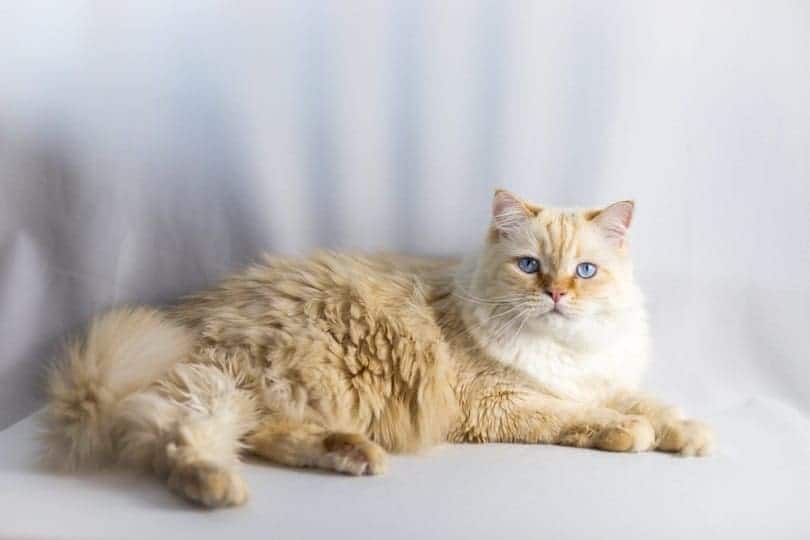
flame-point-ragdoll-cat
Image Credit: Carolyn R, Shutterstock

6. Behavioral Issues

Ragdolls typically have a mild, sweet temperament, but like all cats, they can develop behavioral issues. These issues are often caused by a lack of socialization, a lack of stimulation, or a lack of attention from their owners. As Ragdolls are a people-oriented breed, they thrive on human interaction and can become withdrawn or aggressive if they feel neglected.

Prevention

To help prevent behavioral problems in your Ragdoll, make sure to give them plenty of attention and engage them in games and activities that stimulate their minds. You should also take them to the vet for regular checkups so that any early signs of behavioral issues can be detected and addressed as soon as possible. Many pet owners don’t know that sudden behavioral problems can be your cat’s way of telling you they’re sick or in pain.


7. Aggression

Some behavioral issues, such as aggression, may be caused by genetics or other factors that are difficult to prevent. By providing your cat with regular care and attention, however, you can help reduce their risk of developing these conditions. Aggression can be a common behavioral issue in Ragdolls, especially if they are mistreated or not properly socialized when they are young.

Prevention

To help prevent aggression in your Ragdoll, you should ensure that they receive plenty of socialization and positive reinforcement as early on as possible. Additionally, it is important to keep them safe from potential triggers, such as other animals. If you suspect that your cat is developing aggressive tendencies, it is important to consult with a vet as soon as possible in order to address the issue before it becomes more serious.

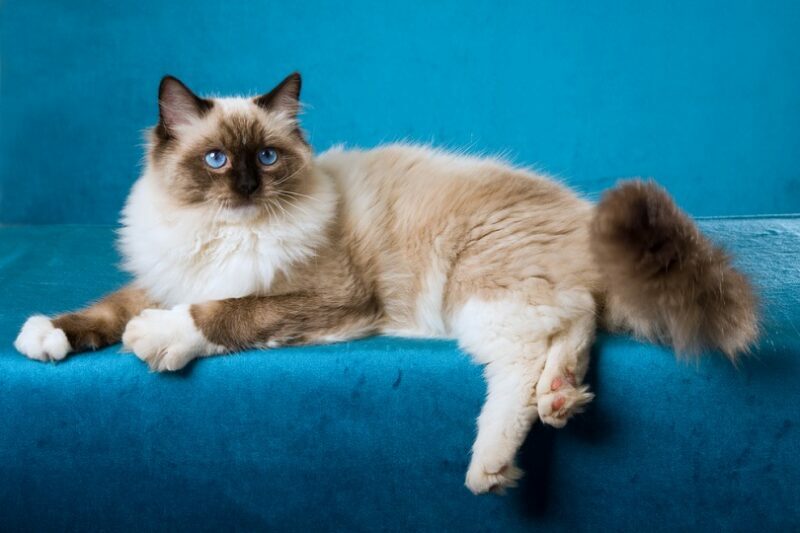
chocolate point ragdoll cat lying on the floor
Image Credit: atrix9, Pixabay

8. Separation Anxiety

Separation anxiety is another common behavioral issue in Ragdolls. This can be caused by a lack of socialization or separation from their owner.

Prevention

To help prevent separation anxiety in your Ragdoll, you should ensure that they receive plenty of socialization and positive reinforcement as early on as possible. Additionally, it is important to keep them from becoming overly attached to one specific person, as this can make separation anxiety more likely.


9. Excessive Meowing

Excessive meowing is another common behavioral issue in Ragdolls. This can be caused by a lack of attention from their owner or boredom.

Prevention

To help prevent excessive meowing in your Ragdoll, you should ensure that they have plenty of toys and activities to keep them amused. Additionally, you should make sure that their food and water bowls are always full, as hunger and thirst can often lead to excessive meowing. If you think that your cat is meowing excessively, it is important to consult with a vet in order to rule out any potential medical causes.

Ragdoll-blue-point-little-kitten-on-a-colored-background-studio
Image Credit: dezy, Shutterstock

10. Obesity

Obesity is a dangerous health problem in all cats, especially Ragdolls. This is often due to their sedentary lifestyle and love of food. Obesity in cats can lead to a number of other health problems, such as joint problems and diabetes. Obesity can sometimes be caused by genetics or other factors that are difficult to prevent. By providing your cat with regular care, however, you can help reduce their risk of developing this condition.

Prevention

First, you should ensure that your Ragdoll gets plenty of exercise and maintains a healthy weight. You can do this by feeding them a high-quality diet that is low in salt and phosphorus and avoid overfeeding your Ragdoll as well. Additionally, you should give them regular checkups with the vet so that your cat’s weight can be monitored and any potential problems can be detected and treated early on.


11. Urinary Tract Infections

Urinary tract infections sometimes happen in Ragdoll cats, even those that seem otherwise healthy. This can be caused by a number of different things, such as a lack of hydration or a diet that is too high in salt and phosphorus, or a genetic predisposition to urinary tract problems.

Prevention

To help prevent urinary tract infections in your Ragdoll, you should ensure that they are properly hydrated and that their diet is low in salt and phosphorus. Additionally, you should give them regular checkups with the vet so that any potential problems can be detected and treated early on. If you think that your cat is suffering from a urinary tract infection, it is important to consult with a vet as soon as possible in order to avoid serious complications.

Ragdoll cat lying on cat bed_Shaun Dowdall, Shutterstock
Image Credit: Shaun Dowdall, Shutterstock

12. Hairballs

Hairballs are a common problem for all cats, but they can be especially problematic for Ragdolls because of their long fur. Hairballs are caused when your cat grooms themselves and ingests too much hair. This can lead to digestive issues.

Prevention

To help prevent hairballs in your Ragdoll, you should groom them regularly with a brush that is designed for long-haired cats. Additionally, you can give them special foods and supplements that are designed to help reduce hairballs. If you think that your cat is suffering from hairballs, it is important to consult with a vet in order to rule out any potential underlying health problems.


13. Diabetes

Diabetes is a serious health condition that can be caused by a number of different things, such as obesity or a lack of exercise. Diabetes can lead to a number of serious health problems, such as weight loss and even death. If ignored, diabetes can turn deadly in a very short time.

Prevention
To help prevent diabetes in your Ragdoll, you should ensure that they maintain a healthy weight and get plenty of exercise. Additionally, you should give them regular checkups with the vet so that any potential problems can be detected and treated early on. If you think that your cat is at risk for diabetes, it is important to consult with a vet in order to make sure that they are properly monitored.

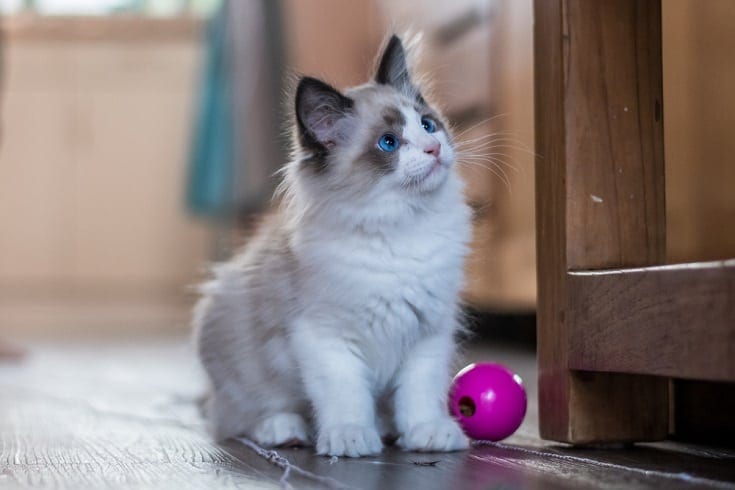
bicolor ragdoll kitten
Image Credti: Serita Vossen, Shutterstock

14. Arthritis

Arthritis is a common and often painful health problem in Ragdolls, especially as they age. This condition can be caused by a number of different things, such as a lack of exercise or obesity. Arthritis can lead to problems such as immobility, so it is important to take steps to prevent it.

Prevention

To help prevent arthritis in your Ragdoll, you should ensure that they get plenty of exercise and maintain a healthy weight. Additionally, you can give them supplements that are designed to help reduce inflammation. If you think that your cat is suffering from arthritis, it is important to consult with a vet in order to rule out any potential underlying health problems.


15. Fatty Liver Disease

Fatty liver disease is a serious health condition that can be caused by a number of different things, such as a lack of exercise or a diet that is too high in fat. Fatty liver disease can lead to other serious health problems such as anorexia, so it is important to take steps to prevent it.

Prevention

To help prevent fatty liver disease in your Ragdoll, you should ensure that they get plenty of exercise and that their diet is not too high in fat. Additionally, you should give them regular checkups with the vet so that any potential problems can be detected and treated early on. If you think that your cat is at risk for fatty liver disease, it is important to consult with a vet in order to make sure that they are properly monitored.

long-haired ragdoll cat lying on couch
Image Credit: Light Hound Pictures, Shuttersrtock

16. Gastrointestinal Problems

Gastrointestinal problems such as vomiting and diarrhea affect Ragdolls about as often as other cat breeds. They can be caused by a number of different things, such as a lack of exercise or a poor diet, as well as other underlying health conditions. Gastrointestinal problems can lead to a number of serious health problems, so it is important to take steps to prevent them.

Prevention

To help prevent gastrointestinal problems in your Ragdoll, you should ensure that they get plenty of exercise and that they eat a healthy diet. Additionally, you can give them supplements that are designed to help improve digestion. If you think that your cat is having difficulty digesting their food, it is important to consult with a vet to rule out any potential underlying health problems.


17. Dental Problems

Dental problems are a common health problem in Ragdolls. This can be caused by a number of different things, such as a lack of dental care or a poor diet. Dental problems in Ragdoll cats include periodontitis and gingivitis, which can lead to other more serious dental issues if left untreated.

Prevention

To help prevent dental problems in your Ragdoll, you should ensure that they have regular dental checkups and that they eat a healthy diet. Additionally, you can give them supplements that are designed to help improve oral health or brush your cat’s teeth regularly. If you think that your cat has a dental problem, it is important to consult with a vet as soon as possible in order to avoid serious complications.

Sealpoint Ragdoll on blue background
Image Credit: Linn Currie, Shutterstock

18. Worms and Parasites

Worms and parasites can affect any cat. They are be caused by a number of different things, such as spending time outdoors, exposure to other infected animals, or a lack of hygiene. Worms and parasites can lead to other serious health problems such as digestion issues, weight loss, and other gastrointestinal problems, so it is important to take steps to prevent them.

Prevention

To help prevent worms and parasites in your Ragdoll, you should ensure that they are clean and that they do not have any exposure to other animals. Additionally, you can give them supplements that are designed to help kill and prevent worms and parasites. If you think that your cat has worms or parasites, it is important to consult with a vet and start medication.


19. Viruses

Viruses are a common health problem in Ragdolls. This can be caused by a number of different things, such as exposure to other infected animals or a lack of a hygienic environment. Viruses in cats can lead to a number of serious health problems, so it is important to take steps to prevent them. Common ragdoll viruses include the feline leukemia virus (FeLV) and feline immunodeficiency virus (FIV).

Prevention

To help prevent viruses in your Ragdoll, you should ensure that they are clean and that they do not have any exposure to other animals. Additionally, you can give them vaccines that are designed to help protect them from viruses. If you think that your cat has a virus, make an appointment with a vet right away.

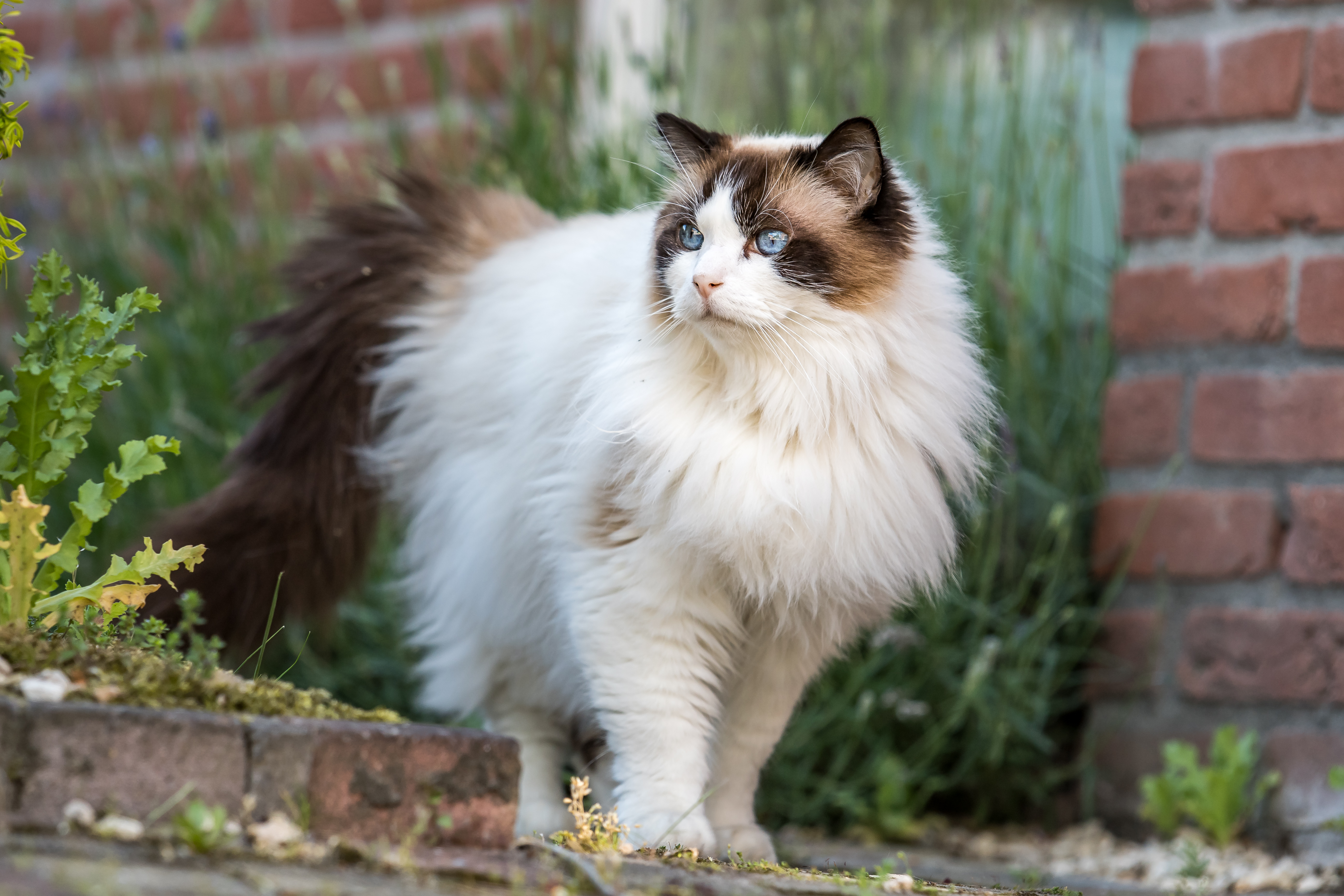
blue ragdoll outdoors
Image Credit: Agata Światowska, Pixabay

20. Constipation

Constipation happens to most cats from time to time, especially Ragdolls. This can be caused by a number of different things, such as a lack of exercise, a diet that is low in fiber, or a lack of fluids in the diet.

Prevention

To help prevent constipation in your Ragdoll, you should ensure that they have a diet that is high in fiber and moisture, and that they get plenty of exercise. Additionally, you can give them supplements that are designed to help relieve constipation. Ask a vet for the best treatment for your individual cat.

divider cat paws oct 2024

Conclusion

There are many other potential health and behavioral problems that can affect your Ragdoll cat, but by taking steps to keep them healthy and happy, you can help prevent these issues and ensure that they live a long and fulfilling life. While it can be difficult to deal with health problems in any pet, it is important to be patient and provide your Ragdoll with the care and support they need.​


Featured Image Credit: tativophotos, Shutterstock

Want content like this delivered to you?

Sign Up For Our Newsletter

News, insights, expert advice, and everything cat

* By submitting, you agree to our Terms & Conditions and Privacy & Cookies Policy.


How useful was this post?

Click on a star to rate (you can leave written feedback after clicking submit)

Help us improve Catster for pet parents!

Your feedback really matters.

What did you like about this post? Also how can we improve it?

Join the conversation

Leave a Reply

You’re very welcome to leave a comment or question. Please know that all comments must meet our community guidelines, and your email address will NOT be published. Let’s have a positive and constructive conversation.


Talk With A Vet Online

Peace of mind,
anywhere, anytime

Affordable vet advice

The 10 Common Causes of Sudden Death in Cats (And Which Ones Are Preventable)

Most cat owners don’t think much about heart disease, internal hemorrhage, or viral infections until they’re staring at an empty bed. Sudden death...

Ask Dr. Paola – Help! My Cat Suddenly Has Dandruff! (March 30, 2026)

Welcome to our “Ask Dr. Paola” series, where every Monday we bring expert advice straight from Dr. Paola Cuevas (MVZ) to help our...

Your Cat Keeps Vomiting After Eating: Here’s What’s Going On

Cats vomit. It’s one of the less glamorous facts of life with a feline, and most cat owners have cleaned up more than...

Ask Dr. Paola – Help! My Cat Gets Diarrhea from Wet Food! (March 23, 2026)

Welcome to our “Ask Dr. Paola” series, where every Monday we bring expert advice straight from Dr. Paola Cuevas (MVZ) to help our...

More related

Cat Spraying vs Peeing: Vet-Verified Differences

Dealing with your cat peeing inappropriately in your home can be exceedingly frustrating. Many cat owners don’t realize there’s a difference between your...

Why Do Cats Lick Themselves After You Pet Them? Deciphering Cat Behavior (Vet-Reviewed)

Cats engage in many behaviors that can leave us scratching our heads and wondering what’s going on. If you’ve found that your cat...

What Shots Do Kittens Need? Vet-Reviewed Schedule, Facts & FAQ

Kittens need several vaccinations to protect them from infectious diseases. All kittens are susceptible to these diseases, no matter what their breed is....

How to Clean Up Cat Hair: 10 Easy Ways

Cat hair has a way of finding its way all over everything in your home. Whether your cat has touched the item or...

Keep reading

How to Care for Hairless Cats: Vet-Approved Tips & Guide

Hairless cats are a real eye catcher for most people. Even people who aren’t too cat crazy might be mesmerized by the odd look and interesting breed characteristics. If you live in a home with an allergy sufferer, hairless cats...

hairless cat feline

Why Do Cats Like Warm Things So Much? 6 Vet-Reviewed Reasons

You may have seen your cat cuddling with things like air vents or heaters. This may pique your interest, causing you to wonder why they like warm stuff so much. The answer is complicated, as cats love warm places for...

cat enjoying the warm spot

How Long Do Russian Blue Cats Live? Vet-Reviewed Lifespan & Care Tips

You love your feline friends, but you’re aware they won’t be around for your entire life. However, some cats live longer than others, so certain breeds will be in your life for far longer than other breeds. Knowing how long...

Grey little cat breed Russian Blue Cat

How Far Away Can Cats Smell Catnip? Vet-Approved Facts & FAQ

Compared to humans, cats have a superior sense of smell, sometimes able to detect scents as far as 1.5 to 4 miles away . In fact, a cat’s sense of smell is 14 times more accurate than our own. However,...

cat smelling catnip

Birman Cat Health Problems: 14 Common Issues

If you’re a Birman parent—lucky you! These gorgeous purr-machines always win hearts with their beauty and affectionate natures. Cat parenting does come with many worries, though—especially if your furbaby gets ill or you’re concerned about congenital illnesses. In this post,...

Catster_Health Problems of Birman Cats

IAMS Cat Food Review 2026: Pros, Cons, Recalls, & Verdict

As cat owners, we always strive to give our beloved furry family members the best. Unfortunately for some of us, our budget doesn’t always align with the top-tier food options. However, you don’t want to pick any old food you...

IAMS Cat Food Review

Cat Splashes Water Out of the Bowl: 5 Vet-Verified Reasons & How to Stop It

While the behavior can be frustrating due to the mess, your cat splashing their water out of their water bowl and all over the floor is normal and usually no reason for concern. Despite having a reputation for being afraid...

a cat dipping its paws on a bowl of water

Why Does My Cat Meow in the Litter Box? 6 Vet Reviewed Reasons

Most of the time, you won’t notice if your cat has gone to the toilet because they are usually very silent. However, sometimes, going to the bathroom is noisy, leaving cat owners wondering what the fuss is about. Cats meow...

blue tabby maine coon sitting in litter box

Love Cats? So Do We! Join the Catster Community

Stay informed with expert pet care insights delivered straight to your inbox! Discover professional guidance on animal behavior, feeding tips, trusted product picks, and much more.


Sign up for the Catster Email Newsletter

Stay informed with expert pet care insights delivered straight to your inbox! Discover professional guidance on animal behavior, feeding tips, trusted product picks, and much more.