Do Ragdoll Cats Need a Companion? Vet-Verified Facts & Info

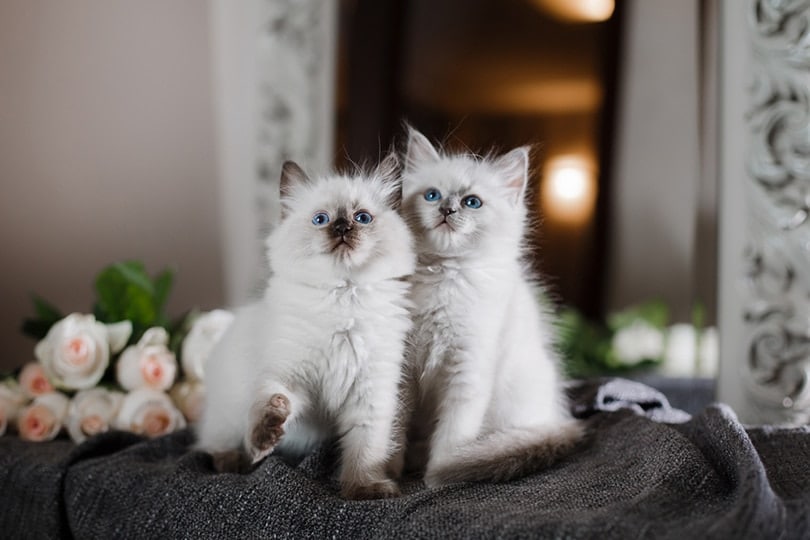
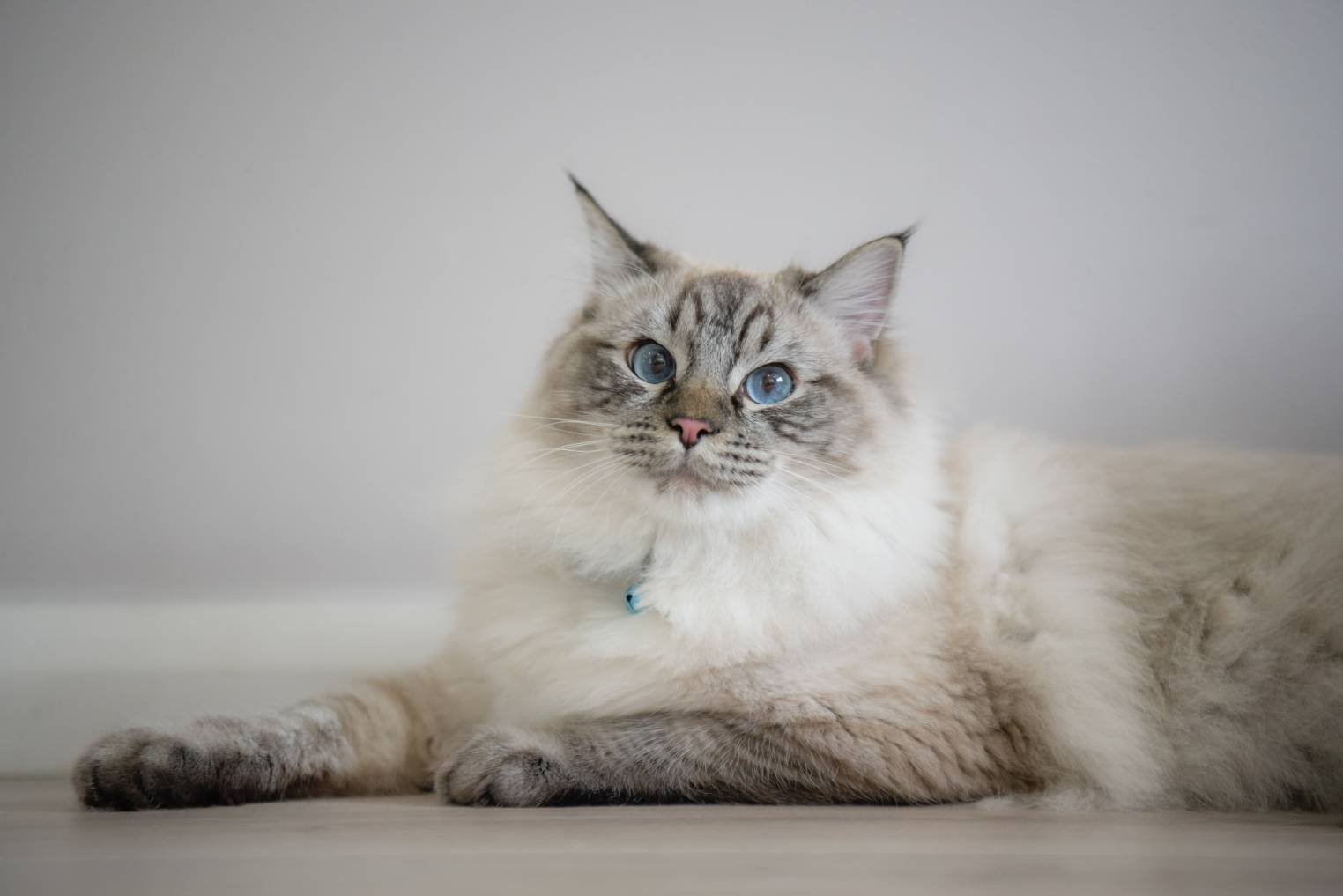
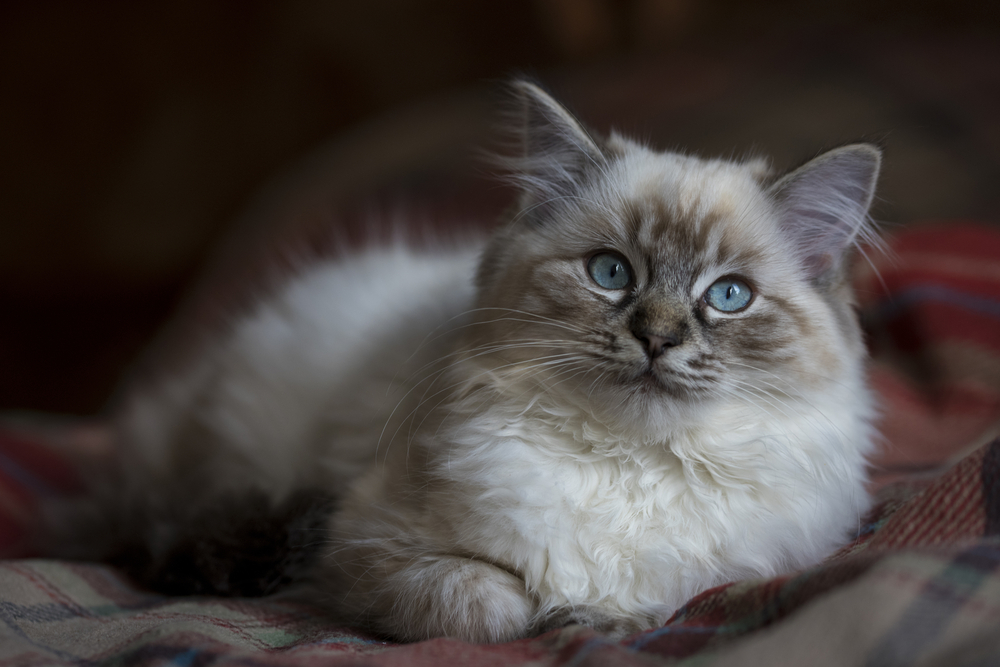
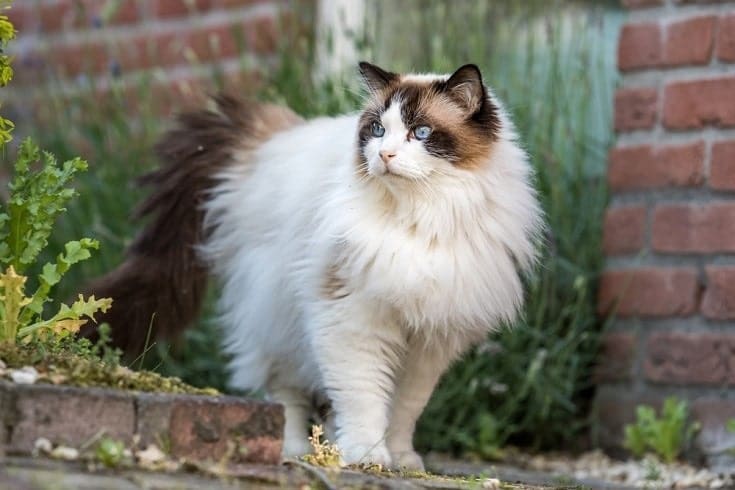
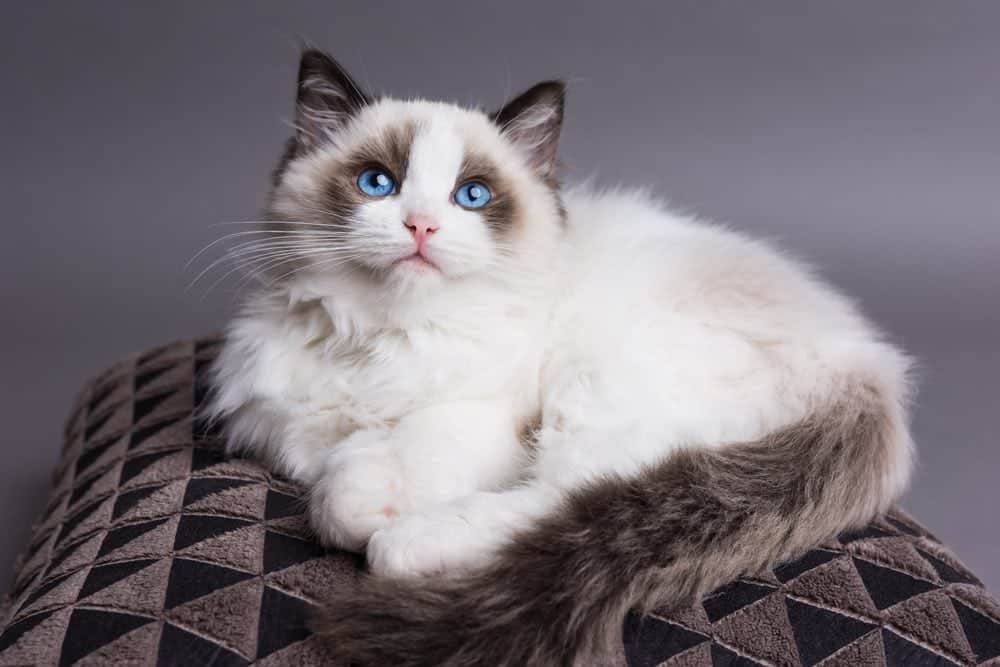
Known for their fluffy fur, sparkling blue eyes, and lovable personalities, Ragdoll cats are excellent companions that make them the perfect family cat. They love attention, affection, and are in constant need of companionship from their owners.
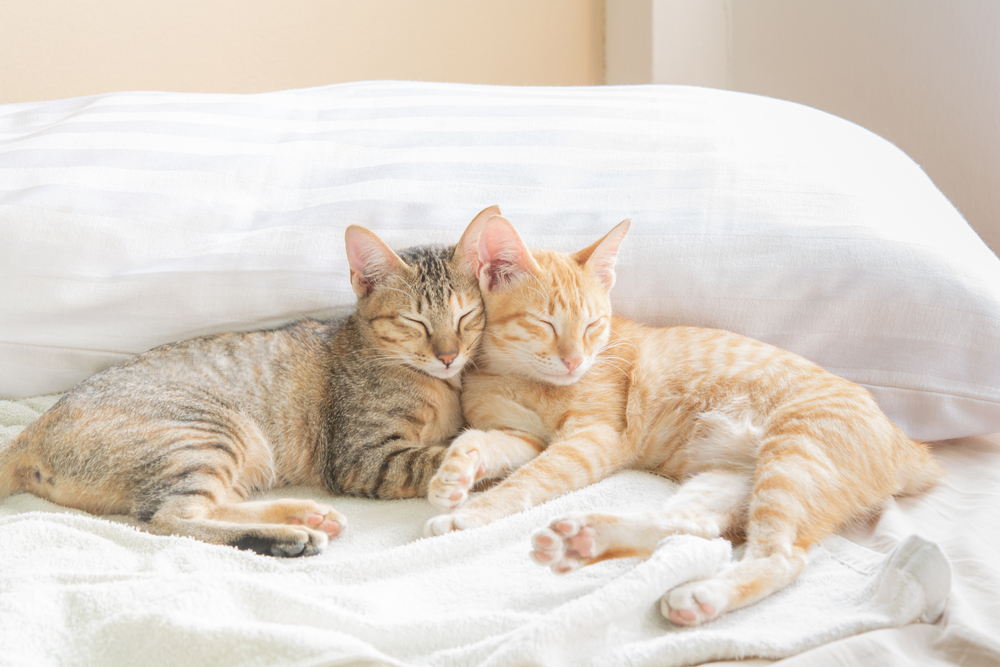
Like most cats, Ragdolls can live independently in a household, but they do crave feline companionship as well. Which begs the question, do Ragdoll cats need a companion? The answer is Yes! Ragdoll cats can easily feel lonely, so it is recommended that they have a companion to keep them company—especially if their humans are frequently out and about.
But what makes Ragdoll cats so different from other cats that can easily thrive alone? Why do they need a companion? Read on to learn more.

Why Do Ragdoll Cats Need a Companion?
The common stereotype for cats is that they are independent and do not require as much attention compared to dogs. While this is also generally true of Ragdoll cats, they do need more attention compared to their other feline counterparts. Ragdolls, as a breed, are docile and dependent. In fact, they were bred for the purpose of companionship, giving them an innate need for socialization.
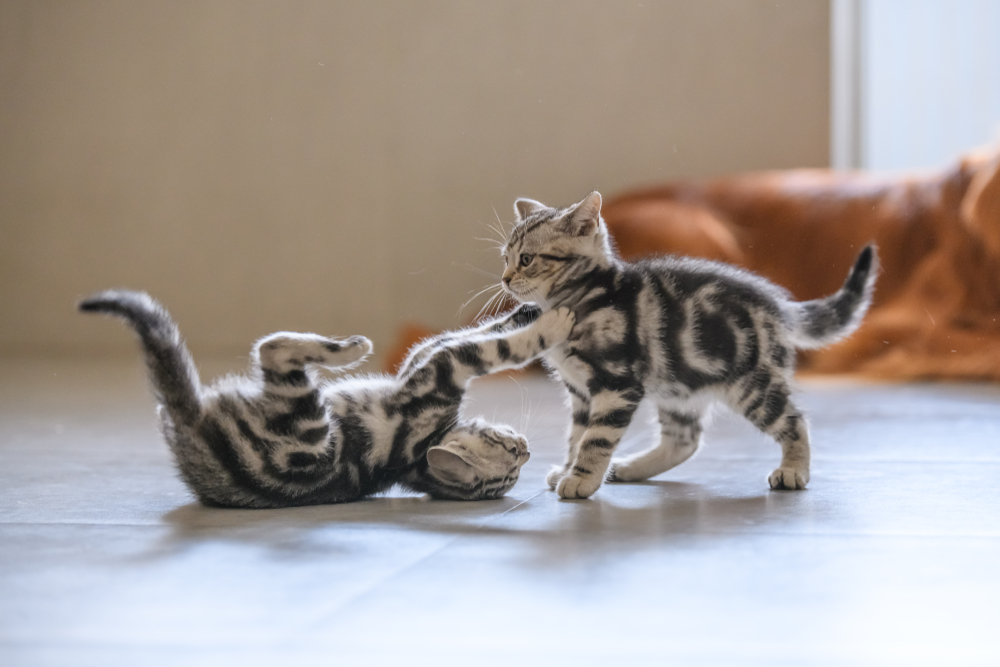
Ragdoll cats are incredibly affectionate and energetic, especially as young kittens. While they enjoy the company of their owners, they are also more at risk for loneliness and separation anxiety. Having a feline friend to socialize and play with can help ease their anxiety so they don’t feel so lonely.
For Ragdolls, socialization and companionship are just as important as a proper diet and exercise to ensure they are happy and healthy.

Signs That Your Ragdoll Cat Is Lonely
Ragdoll cats can easily get lonely, especially when their owners are not always home, putting them at risk of depression if they constantly feel alone. As pet owners, it is important to understand their behavior and monitor any changes that may suggest that they are getting lonely.
The following are certain changes in behavior to watch out for:
It’s important to note that not all Ragdoll cats are the same. Ragdoll cats are lovable and energetic cats, but each individual Ragdoll also has their own unique personality and behavior. They may attempt to communicate with you in their way, and it is up to us cat parents to understand the needs of our feline friends. Some Ragdoll cats may exhibit some of the above behaviors, while some may not. Regardless, having a companion for your Ragdoll cat is beneficial to them and can help improve their overall quality of life.
While it is important to watch out for changes in behavior, these changes may not always be due to loneliness or depression. When in doubt, it is always best to consult with a veterinarian to rule out any possible health complications your Ragdoll cat may be experiencing.
How Long Can Your Ragdoll Cat Be Left Alone?
When planning to get a Ragdoll cat, a very important thing to consider is how often and for how long you usually leave home. Ragdolls may be independent cats, but they also don’t do well with long periods of isolation. Your Ragdoll cat may survive if you are gone for a typical 8-hour workday, provided that they receive a proper amount of attention and affection during the hours that you are together. But if left alone for a few days or more, your Ragdoll cat may not do so well.
Ragdoll cats are docile and extremely dependent on companionship. They can easily feel lonely and suffer from separation anxiety, even if left alone for only a few hours. Having a fellow feline in their company can help ease their anxiety and reduce the risk of loneliness. For instances when they have to be left alone for more than a few days, hiring a pet-sitter is recommended.
When left alone, appropriate amounts of food and water are recommended. They also need an outlet to stimulate themselves, such as toys and scratching posts. Giving your Ragdoll cat access to view out a window is also a good way for them to entertain themselves when left alone.

Benefits of Having a Companion
Having a companion for your Ragdoll is very important for their overall well-being. For one, they will always have someone to talk to, and they won’t feel so alone when their owners leave the house. They are a clingy and needy breed of cat, so they can receive some amount of attention from their feline friend, rather than fully depending on their owner for it.
In addition, having a companion can also reduce their destructive behavior, clinginess, and aggression. Companionship will keep them engaged and stimulated through play and mutual grooming, improving their overall quality of life.
Who Would Make a Good Companion for Your Ragdoll Cat?
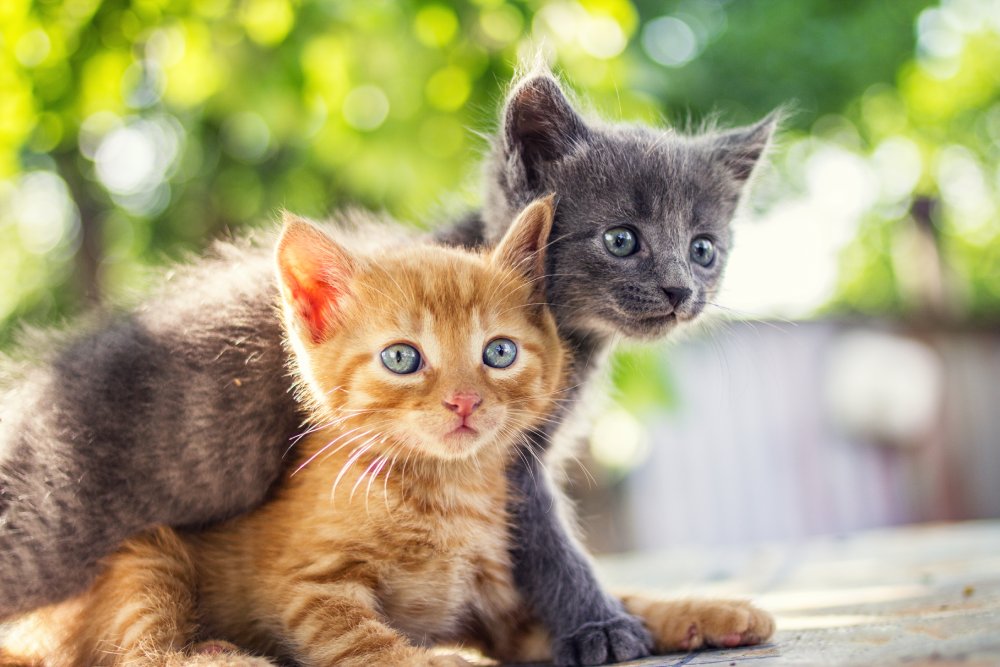
Ragdoll cats are a sociable breed and can get along with almost any kind of cat. Yes, they can even get along with dogs! Ragdoll cats are calm and friendly, so other breeds of cat that have a similar level of energy and personality are recommended. Getting a cat similar in activity level and age is also recommended to prevent any tension or unwanted conflict between cats. Kittens are also a good option, as older cats do not tend to perceive younger kittens as threats and will also have a natural protective behavior toward the more fragile kitten.
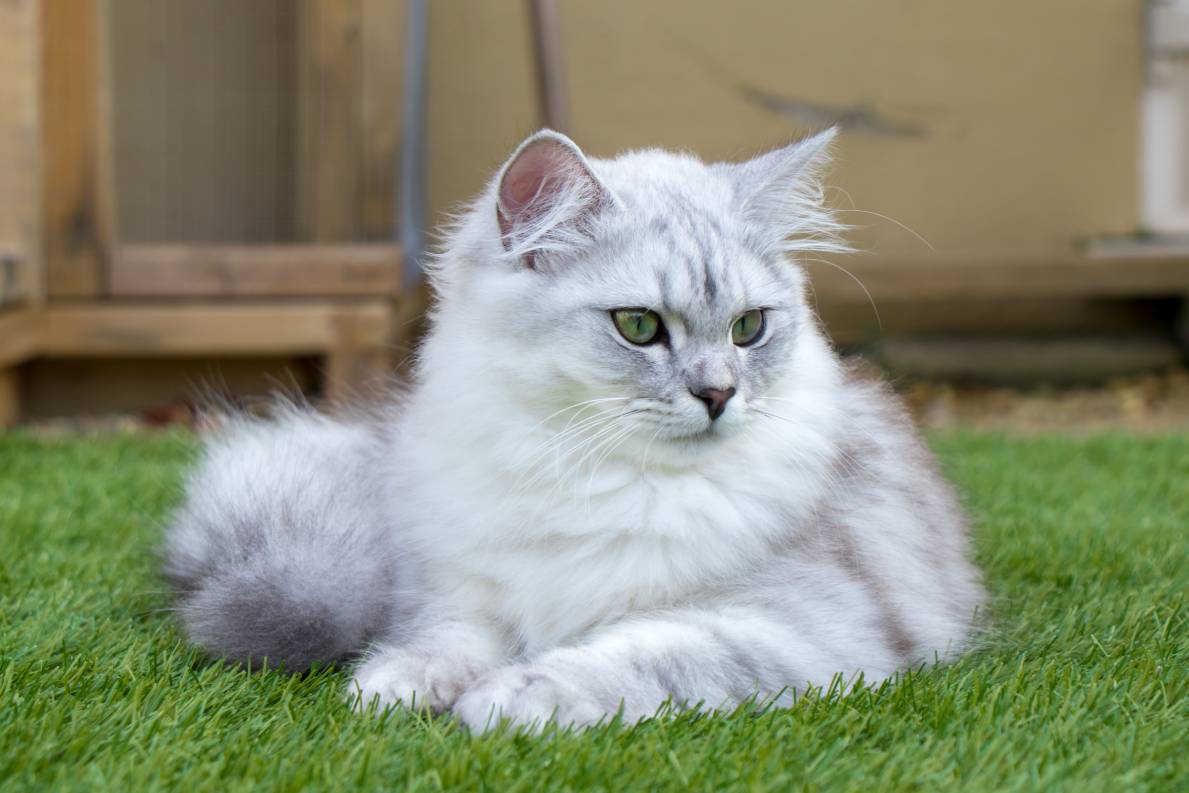
Cat breeds that generally get along with Ragdoll cats include:
When introducing a new cat into your Ragdoll’s family, it is important to be patient and let them warm up to each other before letting them interact unsupervised. This may take time and patience, but it will ultimately be beneficial for your Ragdoll’s well-being. Just be sure to monitor any negative or aggressive behaviors to prevent any unwanted conflicts between the cats.
Conclusion
Ragdoll cats are a docile and dependent cat breed that requires more attention than other breeds. While they may do well independently for short periods, Ragdoll cats can easily feel lonely and depressed when left alone. Fortunately, they can easily get along with other pets—both cats and dogs. Adorable, affectionate, and full of personality, Ragdoll cats live their best life in the company of their owners and other fellow pets!
Related Read: Can a Ragdoll Cat Be Left Alone? Tips to Keep Them Happy
Featured Image Credit: dezy, Shutterstock

Expert cat care, straight to your inbox
Vet-reviewed advice, behavior tips, and the best of Catster. Free, and you can unsubscribe anytime.
By signing up, you agree to our Terms & Conditions and Privacy & Cookies Policy.
Christian started writing for a local newspaper as a teenager, and he's been involved in the publishing industry for most of his adult life. Combining his love of writing with a passion for animals, he is currently the Director of Editorial at Pangolia and the Editor-in-Chief at Catster.
Christian lives in the Philippines with his wife, son, and four rescue cats: Trixie, Chloe, Sparky, and Chopper.
Join the conversation
Ask a question, share your story, or send private feedback.