Can Cats Eat Curry? Vet-Reviewed Facts & FAQ


In this article
Curry is a popular dish made with various spices, including turmeric, cumin, and coriander. While it is enjoyed by humans all over the world, can cats eat curry too? And is it healthy for them? While most people believe that cats can't eat anything but commercial cat food, this is not the case. In fact, cats can eat a variety of different foods.
Some people argue that cats can eat curry as long as it is not too spicy. However, onions and garlic are common ingredients in curries, and both of these ingredients are toxic to your cat if they consume them. This makes curry a food not suitable for cats.
If your cat has eaten or licked any curry, depending on the amount and ingredients, some of which are toxic, this can lead to a digestive upset and other health issues, so it’s important to contact your vet for advice. Always consult with your vet when it comes to your cat’s nutrition and health.

Is Curry Good for Cats?
No, and it may even be harmful. There are absolutely no benefits of curry for our feline companions, due to the variety of ingredients, many of which are unhealthy and even toxic to cats. Many of the spices used in curry can be harmful to cats, particularly if consumed in large quantities, while others, such as garlic and onions, are toxic.
While there are some claimed benefits of curry and its spices for humans, such as the antioxidant content, it is highly unlikely that these benefits extend to cats.
We do know, however, that onions and garlic—often used as a basic ingredient in curries—are toxic to cats. For this reason alone, you shouldn’t feed your cat a curry made with these two ingredients.

Are Garlic and Onions Dangerous for My Cat?
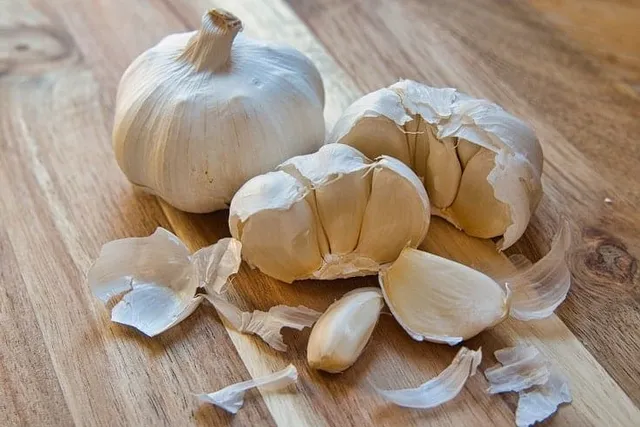
Our pets can get very sick from eating garlic and onions. Garlic and onions are part of the Allium family, which also includes leeks, scallions, and chives. These vegetables contain sulfur compounds, N-propyl disulfide, that is responsible for the toxic effects on the health of cats and dogs. While a large dog may not be too affected by a very small taste, cats aren't so fortunate, as the toxic dose for cats is much smaller than dogs, plus they weigh less. The ingestion of garlic and onions can initially cause gastrointestinal upset, including vomiting and diarrhea.
Your cat's red blood cells can be damaged if they eat a toxic dose of garlic or onions, and this usually occurs within 3-5 days from exposure. This condition is called Heinz body anemia and may lead to severe illness and even be life threatening if left untreated.
What Is Heinz Body Anemia?
Heinz body anemia is a type of anemia that is caused by the formation of precipitates and Heinz bodies in red blood cells. These Heinz bodies are composed of hemoglobin and can cause the red blood cells to become fragile and burst, which can lead to a decrease in the number of red blood cells in the blood.
If your cat has eaten any curry, other human food containing garlic or onions, or other Allium species, contact your vet immediately for advice on the next step. Do not wait for the signs of toxicity to develop, as these will be more difficult to treat.
There are ways your vet can induce vomiting in your cat safely using specific medication and decontaminate their stomach to reduce the toxic effects. Otherwise, the treatment is symptomatic.
Signs of Heinz body anemia in cats include lethargy and weakness, loss of appetite, exercise intolerance, pale gums, blood in the urine, jaundice, increased respiratory rate or labored breathing, and abdominal pain. In the event that you observe these signs in your cat, take them to the veterinarian right away.

Can Cats Eat Korma?
Some people believe that korma is a safer dish for cats to eat, while others think that it may not be the best option for their diet. Korma is a dish made with meat or vegetables cooked in a spiced yogurt sauce. It is typically served with rice or naan bread. Korma is a fairly mild dish, but it does contain some spices that may be harmful to your kitty, and many cats are lactose intolerant, so dairy products may cause an upset stomach.
There are also some ingredients in a korma, such as onions and garlic, that are toxic to cats. Korma is also high in dairy which is not ideal for felines. Therefore, it is best to avoid giving korma to cats.

Can My Cat Eat Butter Chicken?
Butter chicken is a dish originating from the Indian subcontinent made from chicken that has been cooked in a butter and tomato sauce. It is often served with naan bread, rice, roti, and raita. It is not inherently dangerous for cats to eat butter chicken, but it is not typically a recommended food item for felines due to its high fat and high-calorie content.
The sauce in butter chicken can also be high in sodium, which can be harmful to cats if eaten in large quantities. While butter chicken may be considered a safer dish for cats to eat than some other curries, it is important to understand that it’s not appropriate for cats. It would be much better to offer your kitty plain chicken that is cooked properly without any seasonings or spices.
Can Cats Eat Chicken With Spices?
While it is safe for cats to eat plain cooked chicken, adding spices to the dish is not a good idea. Some spices, like garlic and onion, are toxic to cats if ingested in certain quantities, as already discussed in previous paragraphs. So, if you are intending to share any chicken meat with your cat, avoid using any herbs or spices that could potentially make your cat sick. If you are unsure whether a particular food ingredient is safe for your cat, it is crucial to first consult with your vet.

Does Spicy Food Affect Cats?
The jury is still out on how spicy food can affect cats. A very small amount is less likely to cause your cat serious harm, but we would recommend against feeding your cat spicy food, as it may lead to digestive issues and oral irritation. There has been no scientific study conducted on the matter, so it is difficult to say for certain what the effects of spicy food are on cats.
However, it is generally accepted that cats are more sensitive to spices than humans and can experience negative side effects, such as digestive problems, from consuming them. Many spicy foods contain capsaicin, which can cause irritation of the mouth and throat with discomfort and drooling if ingested in significant amounts. Therefore, it is generally advisable to avoid giving your cat spicy food.
Is Chili Toxic to Cats?
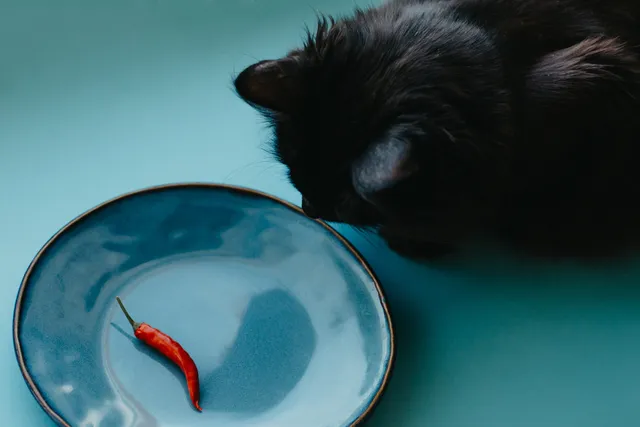
Chili peppers, or Capsicum annuum, belong to the family Solanaceae. Plants from this family are generally considered toxic to cats, according to the ASPCA, causing gastrointestinal signs such as vomiting, diarrhea, possible ulceration of the stomach and intestines, and neurological and respiratory signs, depending on the ingested amount. The toxic principle is based on the effects of a compound called solanine, while they also contain previously discussed capsaicin.
The effects of chili ingestion can vary depending on the concentration or the amount licked or ingested. Therefore, if you suspect your cat has ingested chili, it is best to contact your veterinarian for advice.

What Should I Feed My Cat?
Cats have different dietary needs, but in general, cats should eat a diet that is high in protein, moderate in fat, and low in carbohydrates. Cats are obligate carnivores, meaning that they require animal-based protein to survive. A diet that is high in carbohydrates or too rich in calories is not appropriate for most adult cats, as they do not have a need for dietary carbs, and excess calories may predispose them for obesity, depending on their lifestyle.
There are many opinions on what cats should eat, but the established scientific consensus remains that cats are obligate carnivores and need a diet rich in high-quality animal protein in order to thrive. Commercial cat food is generally based on wet and dry food, but there are also raw and freeze-dried food options. Speak to your vet about the most appropriate food for your cat based on their age, lifestyle, and medical history, and consider health and safety risks and precautions when offering your cat fresh or freeze-dried cat food.
Conclusion
In conclusion, cats should not eat curry, as it’s not appropriate or safe for them. Some of the spices and ingredients are directly toxic to cats. Cats may have a reaction to spicy food, which may exhibit as diarrhea or an upset stomach, irritation to the mouth, drooling, or other health issues, depending on the ingested amount.
Curry is not something you should be offering to your cat for many of the already discussed reasons, and there are many other species appropriate and safe treats you can consider instead. However, a small lick of curry is probably unlikely to cause significant health issues in your cat, depending on the ingredients.
Animal-based protein in the form of balanced commercial cat food is the best diet for your kitty. Before giving your cat any new type of food, it is important to speak with your veterinarian.
Related Read:
Expert cat care, straight to your inbox
News, insights, and useful advice, delivered to you.

No spam — unsubscribe anytime.
By signing up, you agree to our Terms & Conditions and Privacy & Cookies Policy.
How useful was this post?
Click a star to rate. You can leave written feedback afterwards. (We read all feedback.)
Christian started writing for a local newspaper as a teenager, and he's been involved in the publishing industry for most of his adult life. Combining his love of writing with a passion for animals, he is currently the Director of Editorial at Pangolia and the Editor-in-Chief at Catster.
Christian lives in the Philippines with his wife, son, and four rescue cats: Trixie, Chloe, Sparky, and Chopper.