Can Cats Eat Lasagna? Vet-Approved Nutritional Facts


In this article
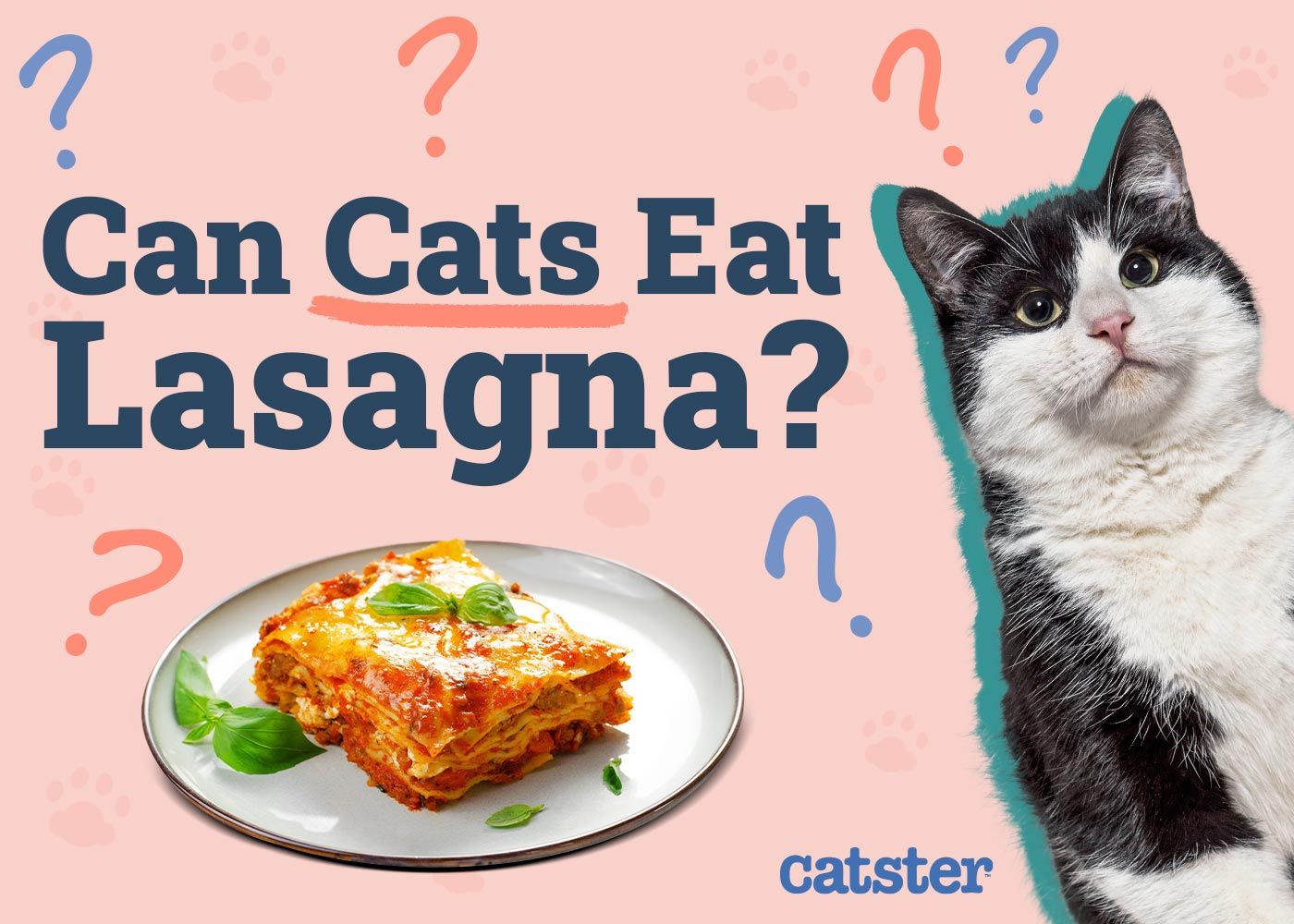
If you were brought up watching Garfield on television or reading the comics, you might come into the world of cat ownership thinking that cats (a) hate Mondays and (b) love lasagna. While both might be true, it’s impossible to know for sure if cats truly hate Mondays or if they do, in fact, love lasagna. What we can comment on, however, is whether they should eat this tomato-based noodle dish. We know Garfield loves lasagna, but can cats eat lasagna in real life? The answer to this question is complicated as lasagna’s safety for felines depends on its ingredients.
Keep reading to learn all you need to know before you make like a Jon Arbuckle and give your kitty a plate of lasagna.

What Do I Do If My Cat Has Eaten Lasagna?
If your cat has had a small taste of your prepared lasagna, chances are they’ll be fine. This is especially true if your lasagna is void of any garlic or onion ingredients. That said, the best course of action, if your pet has eaten any human food, is to give your veterinarian a call. This will give you peace of mind and allow your vet to be kept in the loop in case your cat does come down with symptoms after the fact.
A cat that has ingested garlic will need to be seen by a veterinarian immediately. Your vet will likely induce vomiting if the garlic was recently consumed and administer activated charcoal to help absorb toxins before they can enter your cat’s bloodstream.
There is no antidote for onion toxicity. Your vet will do all she can to provide supportive care through potential hospitalization and IV therapy. The fluids your cat will get through his IV will help flush the body of the onions’ toxins and help to protect the kidneys and support blood pressure.
You might wish to give the 24/7 ASPCA Animal Poison Control Center hotline a call if you are unable to get in touch with your regular vet. A consultation fee does usually apply but it’s a small price to pay for the health of your pet.
Do Cats Like Lasagna?
The answer to this question depends entirely on your individual cat. The meat sauce will entice some. Cats have a very strong sense of smell, especially when it comes to sniffing out animal protein. The scent of cooking ground beef might be enough to wake them from a dead sleep.
If your cat is showing interest in your lasagna, it’s likely due to the smell of the meat and not the other goodies in the pasta dish.
Can Cats Eat Lasagna Noodles?

Lasagna noodles themselves are not poisonous to cats. Does that mean that they’re healthy and okay to offer to your cat, though? Noodles are a carbohydrate-rich food and cats’ diets should mainly consist of meat proteins.
So, while a lasagna noodle here and there is unlikely to harm your cat, it won’t be adding anything of nutritional value to their diet, either.

What’s the Problem with Lasagna?
The problem lies in the non-pasta ingredients one might choose to include in their pasta dishes to add flavor.
1. Garlic
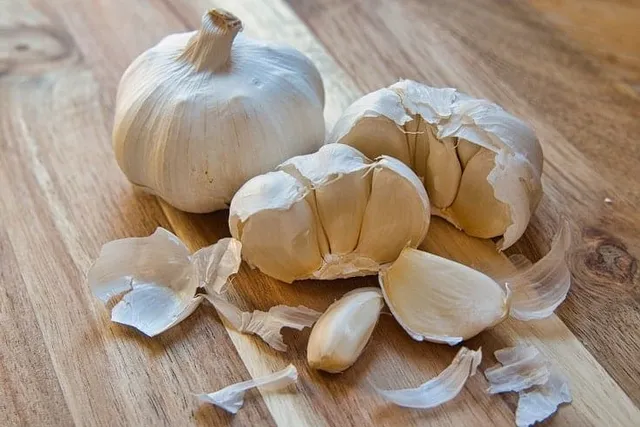
Garlic is a popular ingredient in pasta dishes as it packs a powerful nutritional and flavorful punch. Garlic is chock full of nutrients and is a powerful antioxidant. That must mean that it’s healthy and tasty for your cats then, right? Wrong.
Giving your cat garlic in large quantities is very harmful. The amount of garlic that it takes to harm your cat will depend on their weight and breed. Most of the time it only takes a single clove to cause garlic poisoning.
The chemicals in garlic can enter your cat’s bloodstream and lead to oxidative damage of red blood cells; the body then destroys them faster than they can be made.
Cats that have ingested garlic may not show symptoms of poisoning right away. It can sometimes take up to four days for symptoms to appear. Keep a lookout for symptoms like gastrointestinal distress (vomiting, diarrhea), fatigue, difficulty breathing, and increased respiratory and heart rates.

2. Onions
Onions are another popular addition to lasagna. Again, they have health benefits for humans, so are they healthy for cats? Absolutely not.
No matter the form of onion – raw, cooked, dehydrated, or powdered – they are toxic to cats. They can become toxic if more than one gram per five pounds of your cat's body weight has been eaten. Onion powder has a higher toxicity rate than fresh onion.
The ingestion of onions results in hemolysis – the breakdown of your cat’s red blood cells. As these cells break down, your cat will have fewer red blood cells to circulate throughout its body. This will lead to weakness and panting as these cells will no longer be able to carry oxygen.
Symptoms of onion poisoning to be on the lookout for include panting, weakness, blood in the urine, lethargy, collapse, and gastrointestinal upset.
Onion ingestion can lead to death if your cat is not seen immediately by a vet.
3. Cheese
Cheese is a must-have part of every lasagna dish, and while your cat might love the taste of cheese, it’s not great for them. It’s a common misconception that milk products are healthy for cats. We often see cats lapping at plates of milk on TV or in cartoons, but the truth is that cats can’t digest lactose. Like most species of mammals, cats are lactose intolerant and can be allergic to dairy products.
Many cats will develop gastrointestinal upset if they eat too much cheese. This will manifest as diarrhea and vomiting.

4. Meat
Cats are carnivores which means that meat is good for your cats to eat. They can eat many types of the same meat we humans do so long as they’re cooked. The ground beef in your lasagna is one of the ingredients that likely won’t harm your cat. That said, if you’re mixing the meat with potentially harmful ingredients during the cooking process, like garlic or onions, you shouldn’t be offering any to your pet at all.
If you wish to offer your pet some of the lasagna meat, set aside a small portion of it before adding onions or garlic and before it makes it to the lasagna pan.
5. Tomatoes
Tomatoes and tomato sauce are another essential part of every lasagna dish. Tomatoes contain tomatidine which is toxic to cats. If they eat the stem, leaves, and unripe fruit, your kitty could be left with gastrointestinal upset as well as lethargy or a slower heart rate.
That said, ripe fruit is safe for cats and the chances of you including the stem and leaves of the plant in your lasagna are low. Some commercial pet foods even use tomato paste as one of their ingredients, and since it is made with ripened tomatoes and is used in small quantities, it won’t harm your cat.
Tomato sauces, however, do usually contain a large amount of salt. Excessive salt can wreak havoc on your kitty’s sensitive system and cause excessive thirst and urination or even sodium ion poisoning according to the ASPCA.

Final Thoughts
Will a stolen bite of lasagna hurt your cat? It’s unlikely. Offering your pet a bowl of lasagna (or even a forkful) is not a good idea, though. Not only could it cause tummy upset, but it could lead to garlic or onion poisoning if those ingredients were used in the makings of your dish. It’s best to leave the lasagna noshing to Garfield and give your cat a diet of cat-centric food instead.
See Also:
Expert cat care, straight to your inbox
News, insights, and useful advice, delivered to you.

No spam — unsubscribe anytime.
By signing up, you agree to our Terms & Conditions and Privacy & Cookies Policy.
How useful was this post?
Click a star to rate. You can leave written feedback afterwards. (We read all feedback.)
For Chantelle, writing and animals are the two driving forces in her life. Growing up on the Canadian prairies surrounded by pets, she now shares her home with five cats, two guinea pigs, and a bearded dragon. Chantelle, her husband, and their child pride themselves on being dedicated pet parent, even spending a fortune on wall-mounted cat shelves to provide their cats with an indoor jungle gym. When she's not snuggling with her cats or photographing their humorous moments, Chantelle is exploring the Rocky Mountains, rewatching her favorite Netflix series, and reading up on various random subjects.