Cat Bunting: What Is It? Vet Approved Feline Behavior Guide


In this article
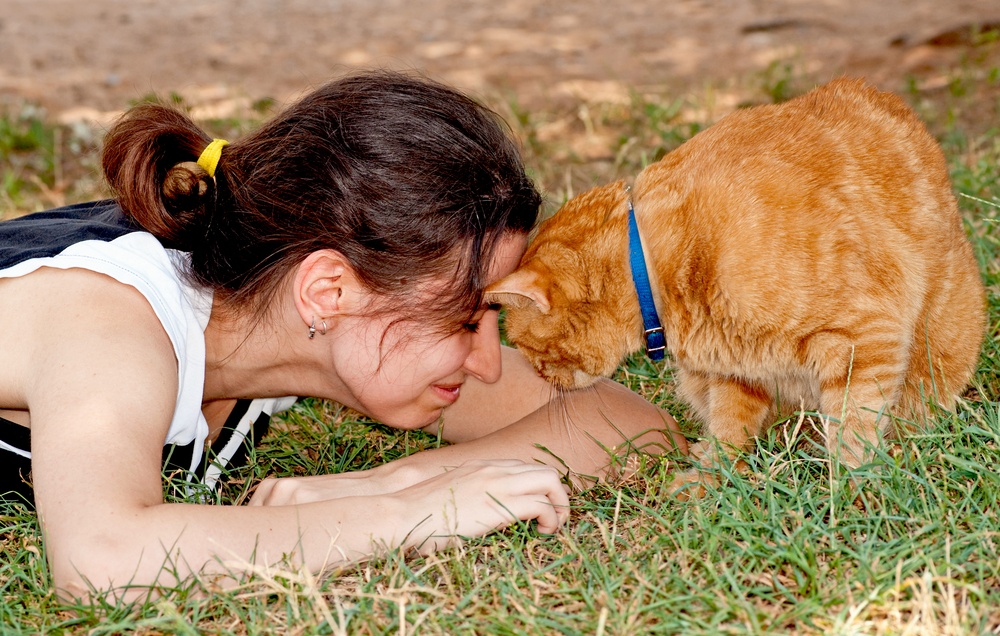
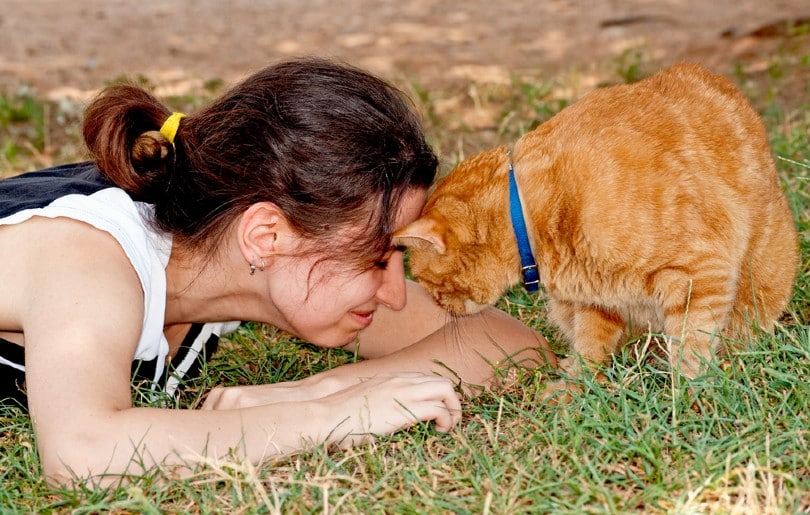
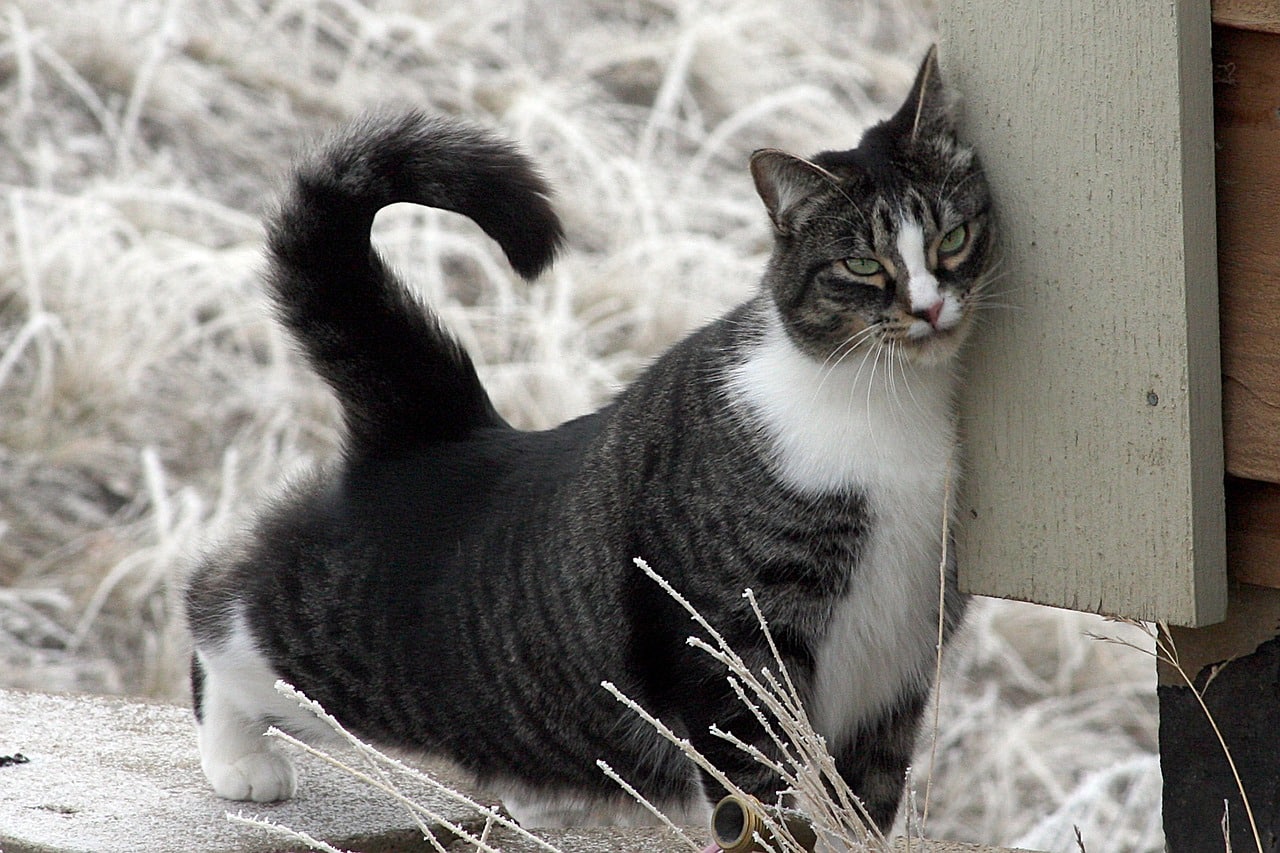
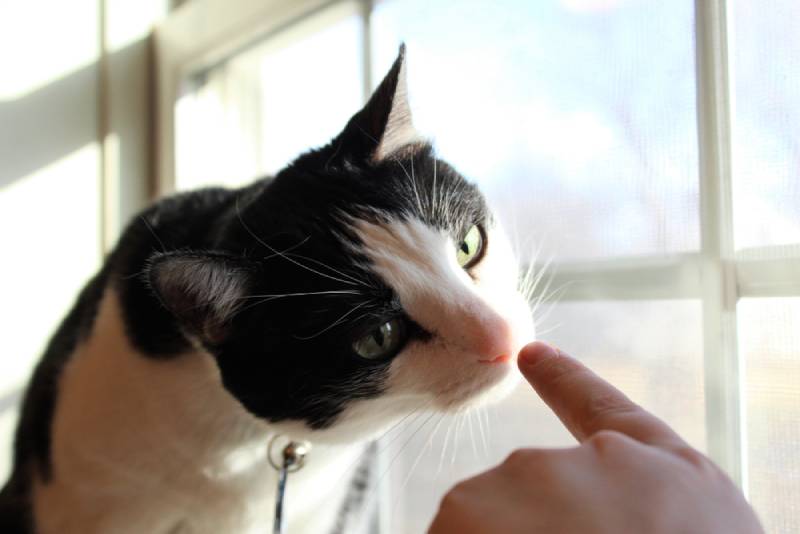
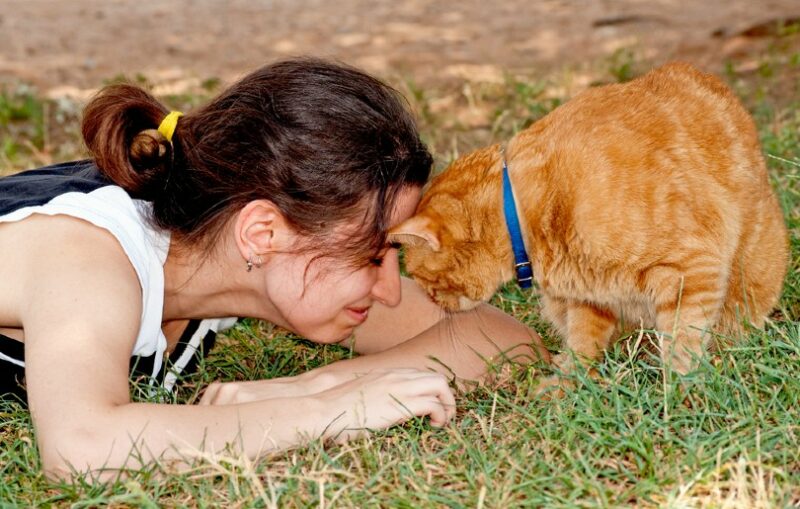
Cats are curious creatures that have many behaviors that we must study to understand, as they are not natural human ones. One such behavior is something called cat bunting. In short, cat bunting is when a cat places or butts their head on a human, object, or other animal. They often finish the behavior by rubbing their forehead and cheeks on the bunting subject.
So, what exactly is cat bunting, and why do cats participate in such behavior? These are great questions that we aim to answer for you here. Read on!

What Is Cat Bunting Exactly?
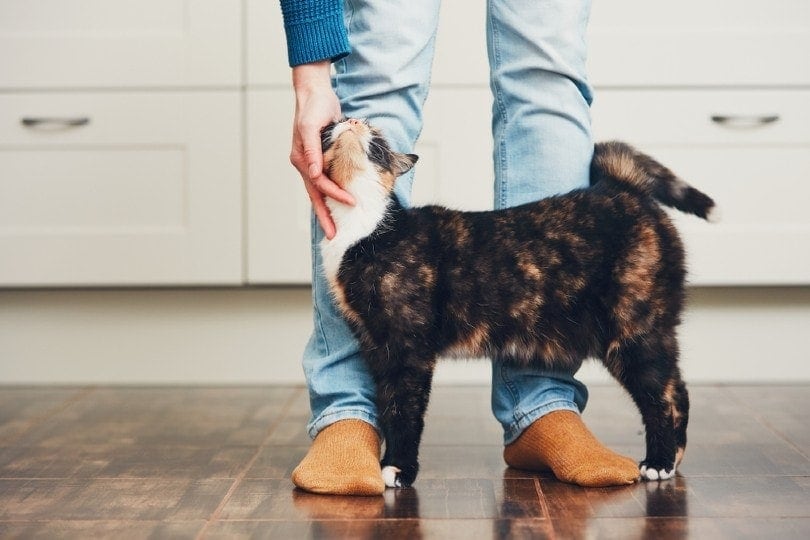
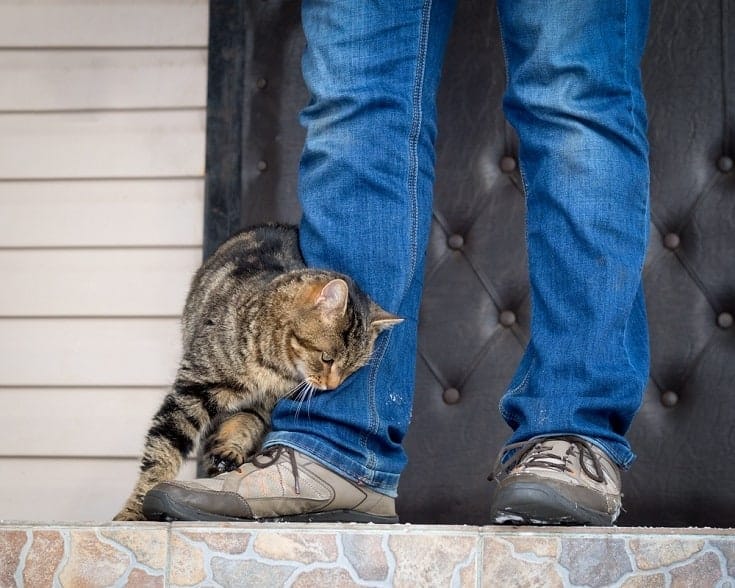
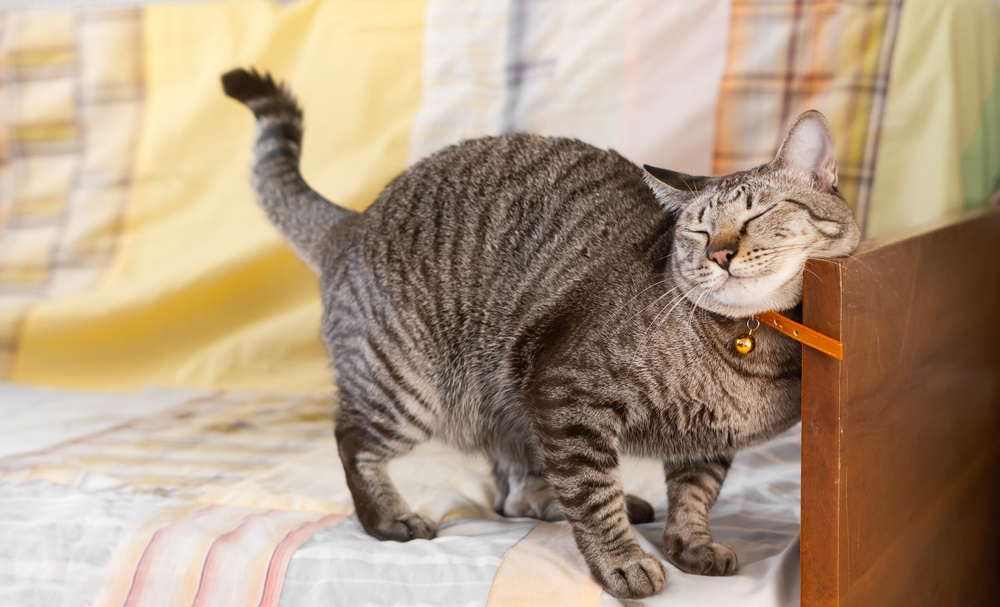
Cat bunting is a common action among all cat breeds. You know when your cat is “bunting” if they press their forehead against your body (usually your own head) and then carefully rub their forehead and cheeks against you. Cats are also known to bunt other cats and dogs in their household as well as things like furniture and walls. There are a few different reasons for this behavior, all of which have everything to do with nature and instincts.
Now for a little anatomy lesson. Cats have scent glands on various parts of their body, including the top of their head, cheeks, lips, and tail. These scent glands secrete pheromones which are natural messengers to other cats and animals. Pheromones can be used to create a calming sensation, convey identification information, and claim territory or individuals. These scent glands are one of the main components behind cat bunting.

The 4 Reasons Why Cats Practice Head Bunting
There are multiple reasons that cats “bunt” their heads and rub their cheeks against people, animals, and objects. None of them are harmful or aggressive. Instead, the reasons are interesting and even endearing.
1. Bonding
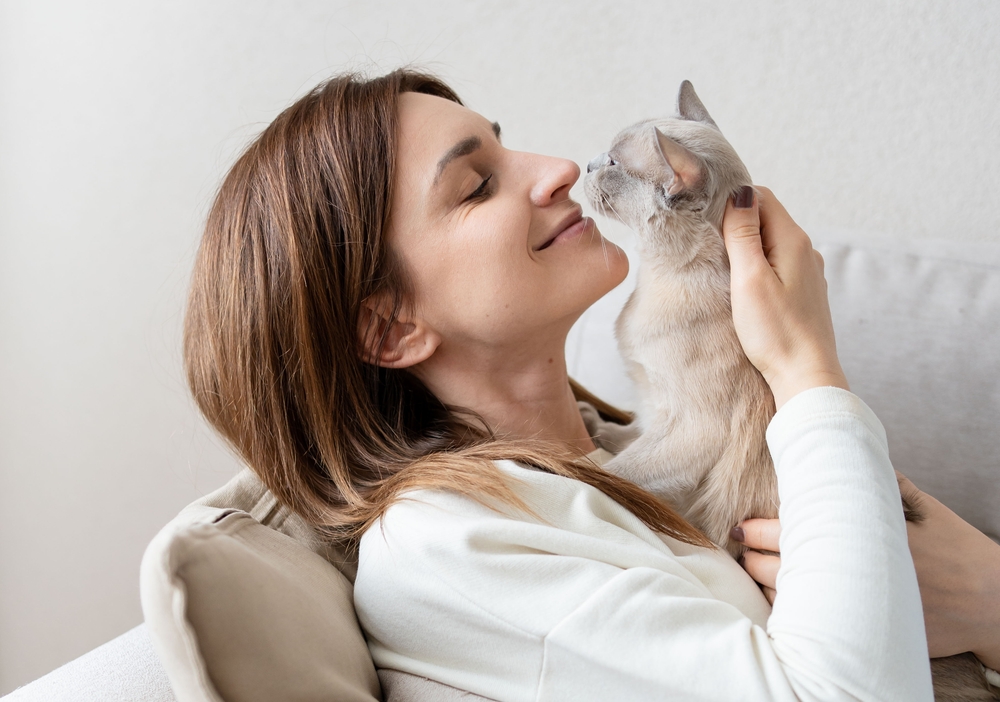
Cats will engage in bunting behavior to bond with their companions. This is more so a behavior that is intended to let you know that you have been accepted as part of your cat’s group or “feline family.” It’s bonding in a sense but it goes further than that. Once you have become part of the trusted family, you have a responsibility to participate in the various behaviors that are natural in the feline kingdom—or at least, your cat thinks that you do!

2. Social Ranking
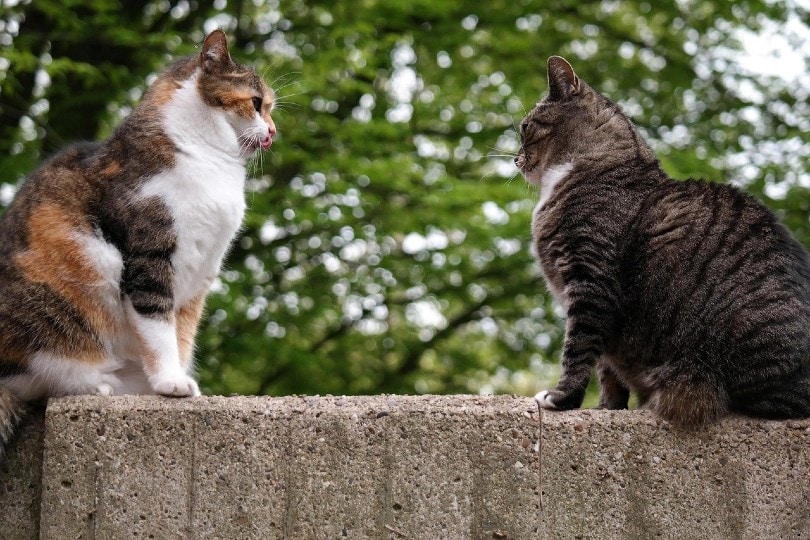
Cats tend to bunt those in their group as a way of creating a social hierarchy. The dominant cat of the group will bunt the other cats to spread their pheromones to the whole group. This helps create a group scent, so any other animals around know that all the cats in the group belong, work, and protect together. Bunting also makes sure all the cats in the group know who the “boss” is. Other cats in the group may bunt each other to help create a functional social ranking that helps keep the peace and stave off serious confrontations.
3. Marking Behavior
Another reason that a cat might engage in bunting is to mark territory. They typically do this to objects like furniture and clothing. They’re trying to make sure other animals know that they have been there and are indicating to cats and humans in their group that the area is safe. It’s not so much to territorially mark objects, but it’s more like leaving behind “news” that the cat doing the bunting has been there. It’s a way of spreading their pheromones and making sure others catch wind of said pheromones whenever they get close.

4. Scent Sharing
Cats will bunt their human and animal companions to share their scent. They hope that their scent will be spread and shared with other beings in the surrounding area. It helps create a sense of community and balance for all group members involved and helps stave off other groups that could be trying to encroach on their territory. Scent sharing is common in households with multiple cats living in them and communal places like boarding centers and humane societies.
How Should You Respond to Cat Bunting?
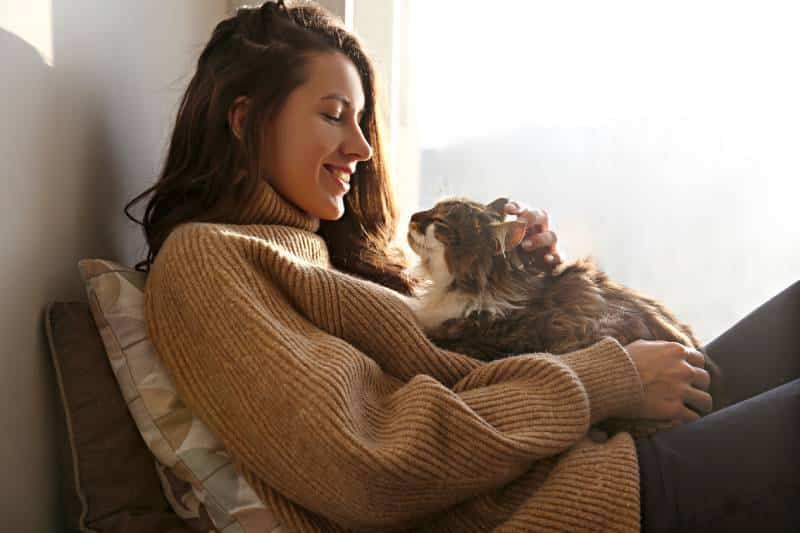
You can respond to your cat’s head bunting in various ways, but you should never do so negatively. You may gently “bunt” your kitty back, give them a few pets, or pick them up and cuddle with them. Maybe playing a game is the response that your kitty is looking for. Whatever your chosen response, pay attention to how your kitty responds in return.
Once you figure out what responses your cat likes the best, you can respond in those ways whenever bunting comes into play. Always pay attention to how other animals react to a cat’s bunting, especially when dogs are the subject of such behavior. If aggression is the response, it is important to take steps to train the animals in how to interact with each other or separate the animals if necessary, especially when they are not being supervised. You can consult a vet about the best approach to your pets.
Conclusion
Cat bunting is not usually a harmful or aggressive behavior. If your cat bunts you, chances are that they’re just letting you know that you are accepted as a part of their group, or they are trying to communicate with you. Whatever the reason for your cat’s bunting behavior, there should be no reason to worry unless it causes problems with other animals in your home.
Sources
Featured Image Credit: Sari ONeal, Shutterstock

Expert cat care, straight to your inbox
Vet-reviewed advice, behavior tips, and the best of Catster. Free, and you can unsubscribe anytime.
By signing up, you agree to our Terms & Conditions and Privacy & Cookies Policy.
Rachael has been a freelance writer since 2000, in which time she has had an opportunity to research and write about many different topics while working to master the art of fusing high-quality content with effective content marketing strategies. She is an artist at heart and loves to read, paint, and make jewelry in her spare time. As a vegan, Rachael is obsessed with helping animals in need both in her community and anywhere in the world where she feels she can make a difference. Animals also happen to be her favorite topic to write about! She lives off the grid in Hawaii with her husband, her garden, and her rescue animals including 5 dogs, a cat, a goat, and dozens of chickens.
Join the conversation
Ask a question, share your story, or send private feedback.