Get

In Your Inbox

Catster is reader-supported. When you buy via links on our site, we may earn an affiliate commission at no cost to you. Learn more.

Why Do Cats Rub Their Face on Corners? 5 Vet-Verified Reasons


Share

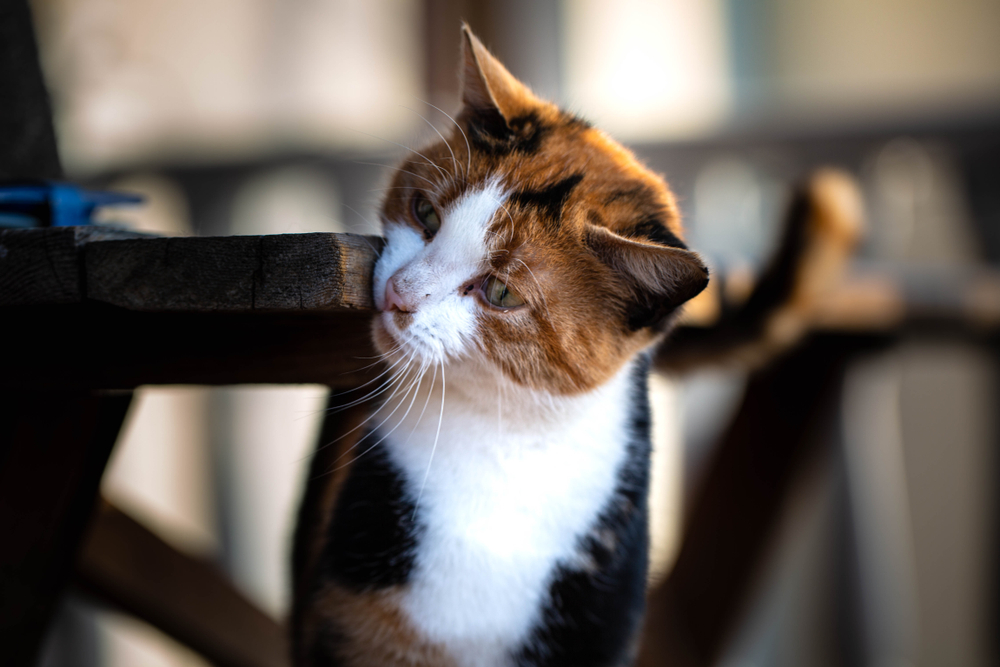
Tricolor ginger white and back cat rubbing his cheek against the garden corner table

Cats often engage in behaviors that leave us feeling puzzled or confused. Even though we might find them to be strange, many of these behaviors are normal for cats. New cat owners may be surprised by just how much their cats will rub their faces against corners, objects, and even people. However, this action is common feline behavior, and you don’t usually have to be alarmed by it.

While it’s not completely certain why cats will rub their cheeks against corners, cat behaviorists and experts do share a few common speculations. Here are a few possible reasons why your cat may rub their face on corners.

divider cat faces oct 2024

The 5 Reasons Why Cats Rub Their Faces on Corners

1. Marking Territory

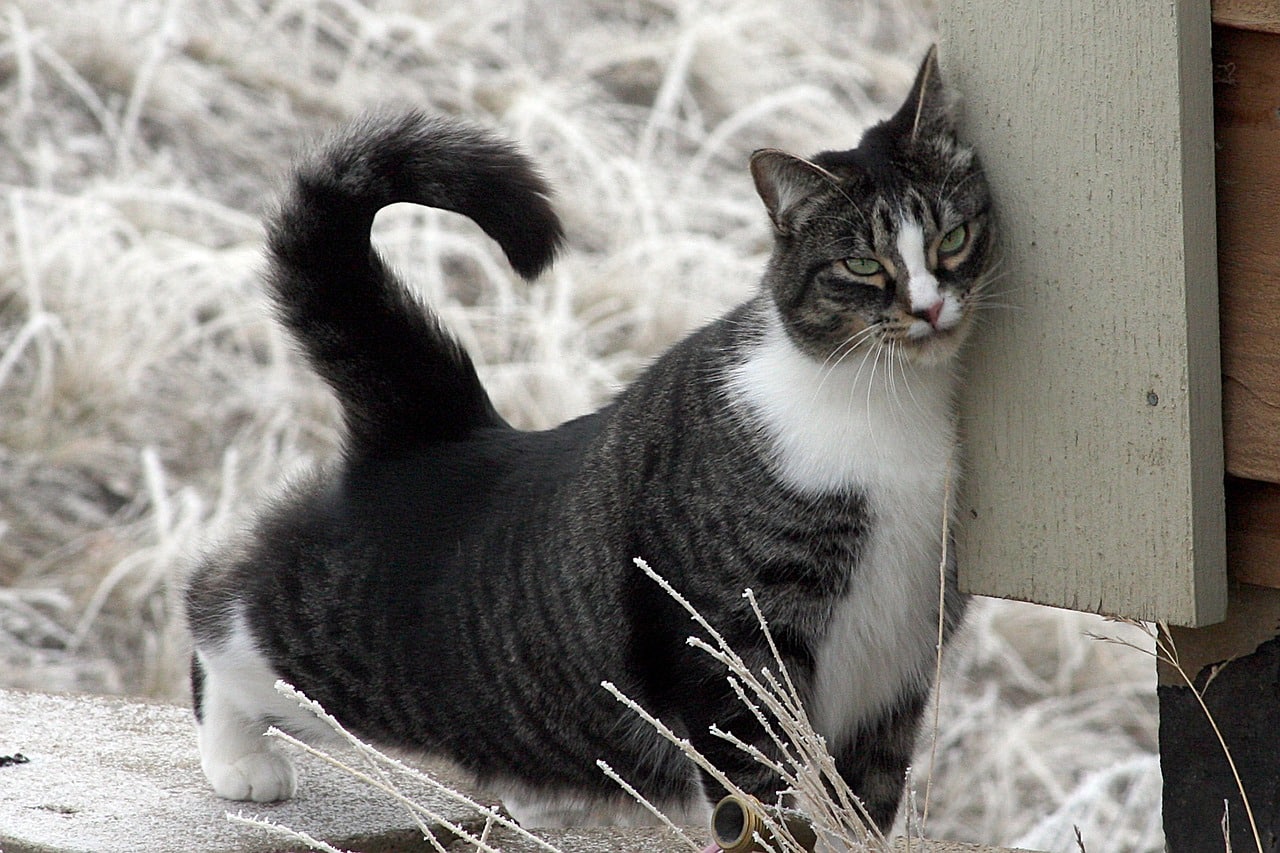
One of the most widely accepted theories for cats rubbing their faces on corners is that they’re leaving their scent on objects. Cats use scents to communicate, and they have scent glands located around their cheeks. When cats rub their faces on objects, they leave behind a scent that other cats can detect. Cats can pick up information about other cats when they sniff these scents.

Cats may tend to prefer rubbing their cheeks against corners because corners provide the best grip for them. Rubbing their faces against flat walls can be more difficult, so they’ll usually opt for wall and furniture corners.

cat-rubbing-its-face-on-wood
Image Credit: bombermoon, Shutterstock

2. Greeting

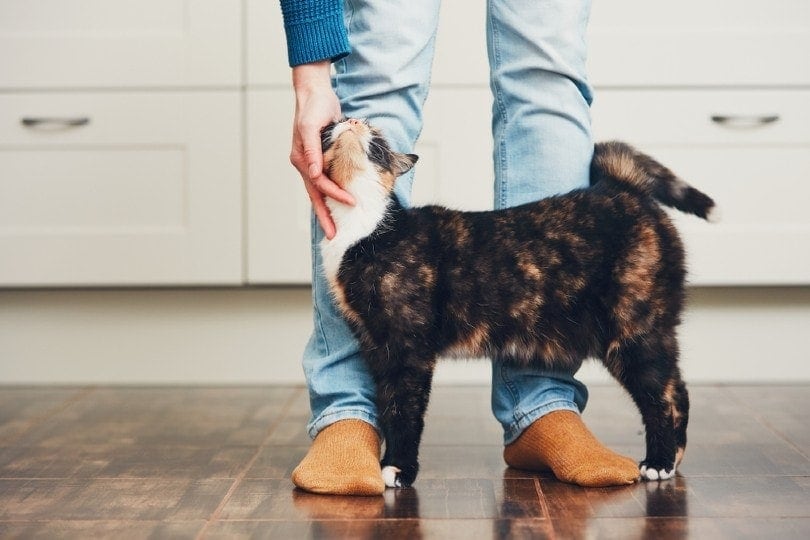
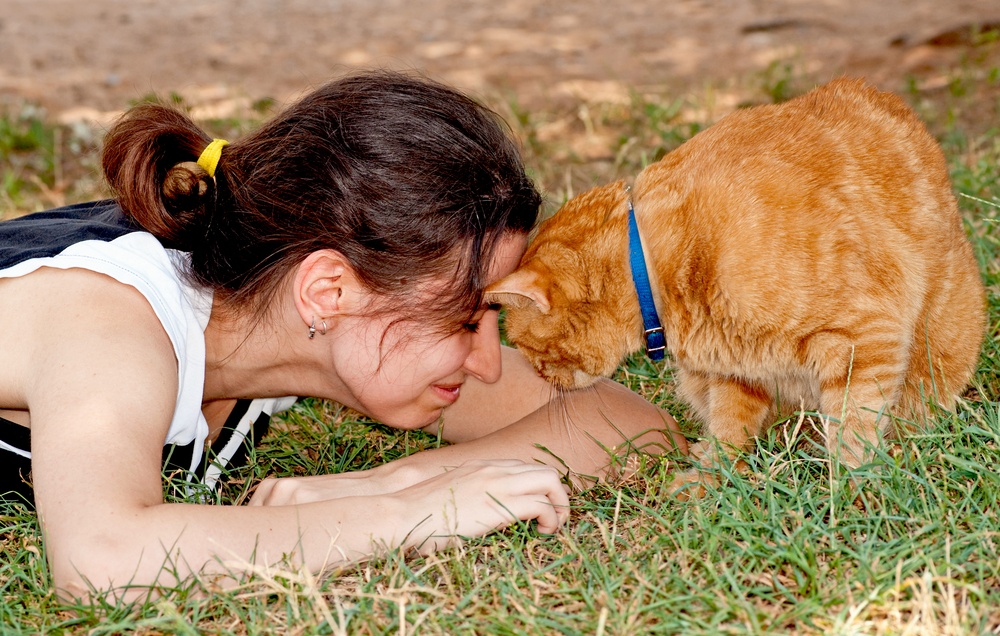
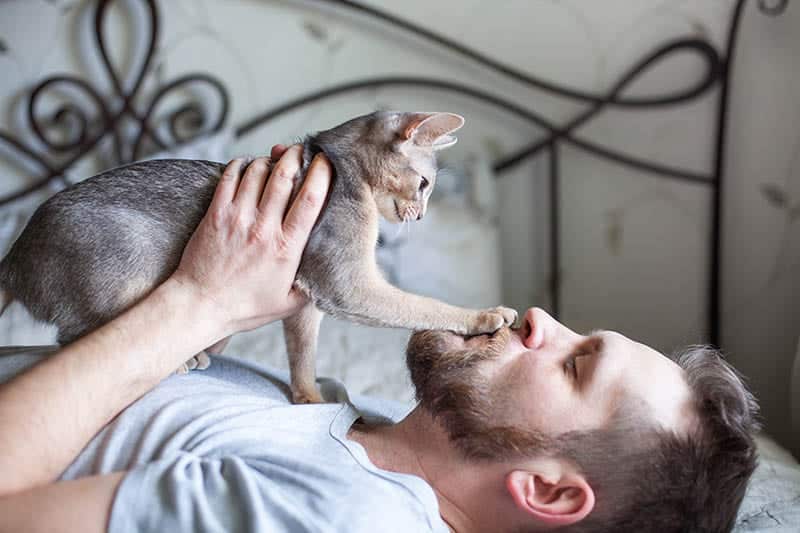
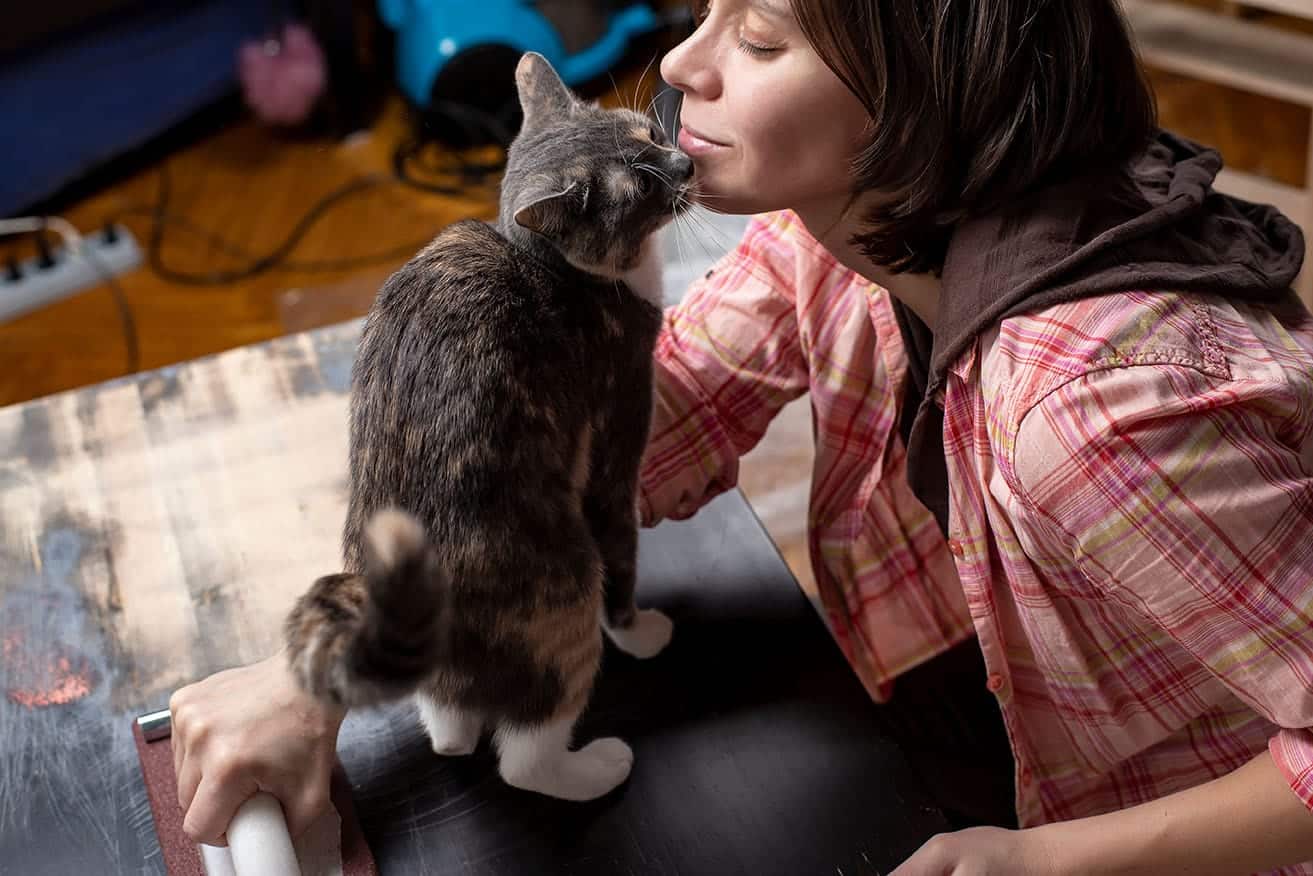
It’s common for cats to greet each other by rubbing their faces. This behavior enables them to exchange scents and learn more about each other. If your cat starts to feel comfortable and likes you, they can start to rub their cheeks against you as soon as you return home to them. You can take this as a sign that your cat is greeting you and wanting to let you know that they like that you’re home.

It’s important to note that not all cats will engage in this behavior with humans. So, you don’t have to be too concerned if your cat doesn’t rub their cheeks against you. They’re probably showing you love and affection through other means and expressions.


3. Wanting Attention

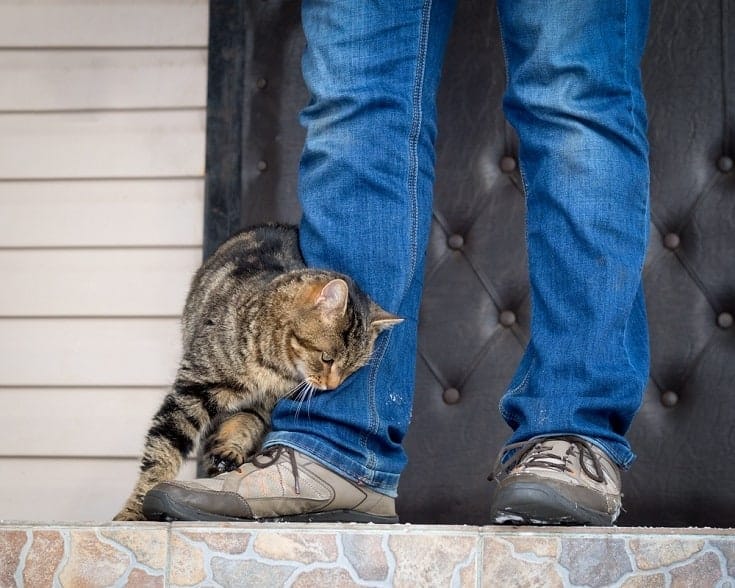
Cats are observant animals and are quick to know what sorts of behaviors grab your attention. Therefore, if you have a habit of giving your cat attention when they rub against you, they’re more likely to continue this behavior. This behavior is reinforced each time you acknowledge your cat when they rub their face against you. Consequently, many cats will start to rub their cheeks against their owners when they’re bored, hungry, or feeling lonely.

Gray-cat-rubbing-against-womans-leg
Image Credit: Gordana Sermek, Shutterstock

4. Showing Affection

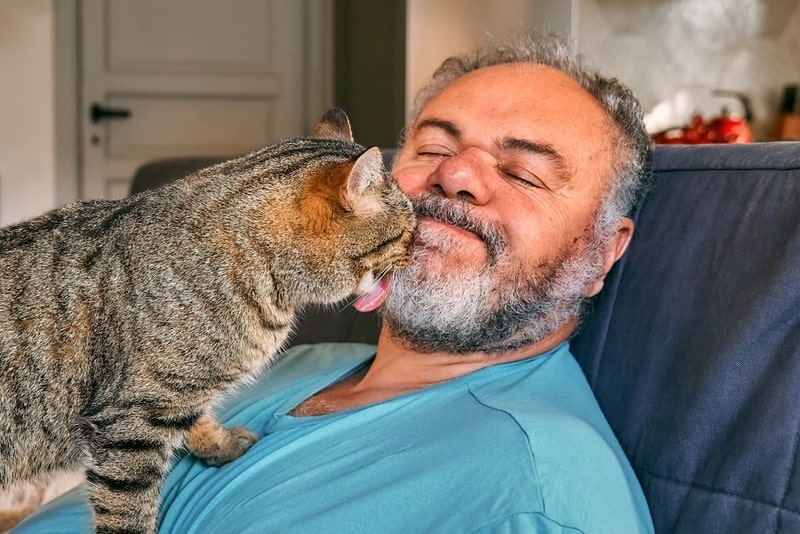
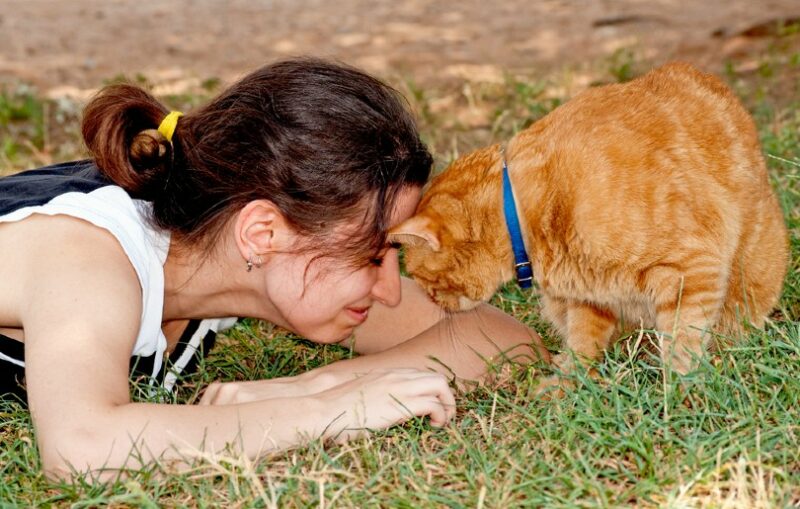
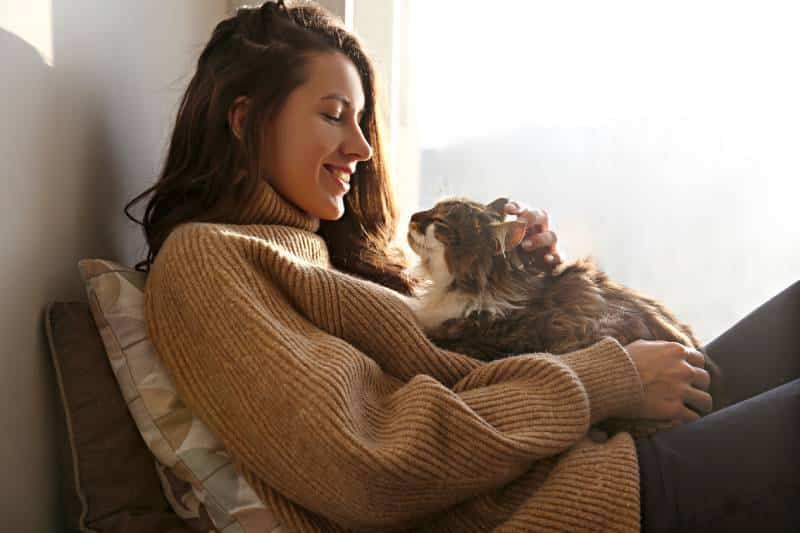
Your cat may also rub their cheeks against you as a means of showing affection. Similar to marking territory, cats leave their scent on people by rubbing their cheeks against them. Rather than seeing it as possessiveness, you can receive this behavior as a compliment. Cats won’t rub their cheeks against people they don’t trust or don’t like. So, you can take it as a sign that your cat likes you and sees you as one of their own if they start to rub their cheeks against you.


5. Stress Relief

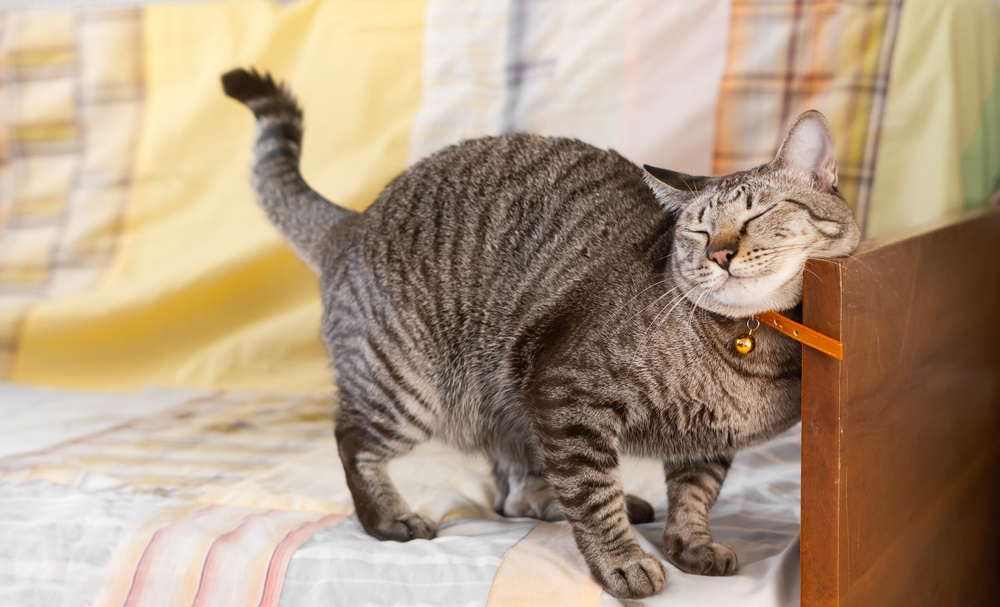
The act of rubbing faces against something often feels comforting and relaxing for cats. So, they may engage in this behavior when they want to relax or self-soothe. Sometimes, cats will begin to rub their faces against something when they’re feeling stressed or anxious and want to calm down.

Cats also usually start to rub their cheeks against things when they settle down and feel comfortable in a home. In this context, you can take this behavior as a good sign that indicates your cat acknowledges that your home is also their home.

cat-rubbing-its-face-on-the-wall
Image Credit: Irina Safonova, Shutterstock

Is It Bad if My Cat Rubs Their Faces on Everything?

While rubbing faces on objects and people is common behavior in cats, there are some cases when it can indicate an underlying problem. Sometimes, rubbing faces can become a compulsive behavior, which is usually caused by a disease or mental health issue. For example, cats can start to rub their faces and press their head against things repeatedly when they have trauma to the head or nervous system, encephalitis, or tumors. Cats may also resort to compulsive head pressing if they’re under a lot of stress or have anxiety.

Compulsive behavior of this sort is also often accompanied by other signs. Your cat may also display increased pacing or circling. They may also become disoriented or lack coordination. Sometimes, you might notice sudden changes in mood or behavior.

If you suspect your cat’s behavior is abnormal, it’s best to contact a veterinarian right away for a physical examination. The veterinarian can diagnose the cause of the behavior and provide the appropriate treatment.

If you need to speak with a vet but can't get to one, head over to PangoVet. It's an online service where you can talk to a vet online and get the advice you need for your pet — all at an affordable price!

PangoVet_Mention-in-Content for PangoVet2 save money

divider 3 paws

Conclusion

For the most part, you don’t have to worry if your cat is rubbing their face against corners and other objects. In fact, you can take it as a compliment if your cat starts to rub their cheeks against you. If you do notice that your cat is starting to rub their face against things much more frequently or notice other changes in their behavior, don’t hesitate to consult your veterinarian to determine what’s causing these changes.


Featured Image Credit: Maria Wan, Shutterstock

Want content like this delivered to you?

Sign Up For Our Newsletter

News, insights, expert advice, and everything cat

* By submitting, you agree to our Terms & Conditions and Privacy & Cookies Policy.


How useful was this post?

Click on a star to rate (you can leave written feedback after clicking submit)

Help us improve Catster for pet parents!

Your feedback really matters.

What did you like about this post? Also how can we improve it?

Join the conversation

4 Responses

    1. Hi Jane, It's not uncommon for cats to lick on plastic bags. They may be drawn to the texture, the sounds, or both, so your cat's interest is not an isolated case. Some cats also display a behavior called "suckling," where they nurse on their human's finger or objects like blankets, clothing, or, in your cat's case, plastic. This behavior is often seen in kittens that were weaned too early and is more common in certain oriental breeds, such as Siamese and Burmese, which may have a genetic predisposition to it.

      The main concern with this behavior is the risk it poses to your cat, including choking, asphyxiation, or ingesting parts of the plastic, which could lead to serious intestinal blockages requiring emergency surgery. To help manage this behavior, provide alternative activities such as interactive toys to redirect his attention. Additionally, continue ensuring that plastic bags are kept out of his reach to reduce risks and keep him safe.
      the following post might be helpful for you:
      Why Do Cats Suck on Blankets? – https://www.catster.com/cat-behavior/why-do-cats-suck-on-blankets/
      How to Stop a Cat From Suckling –
      https://www.catster.com/cat-health-care/how-to-stop-a-cat-from-suckling/
      We hope this helps! If you need individual support please don't hesitate to book a consultation with www.pangovet.com, they will be delighted to help you.

  1. I enjoy reading Catster & learn new things about my Cat, with every article!!
    Thanks so much for all you all do,
    Sincerely,
    Lisa & Tippy
    Harrisburg, PA

    1. Hi Lisa & Tippy,

      Thank you so much for your kind words! We're thrilled to hear that you enjoy reading Catster and that our articles are helping you learn new things about your wonderful cat. It’s always our goal to provide helpful and insightful information for cat lovers like you.

      We truly appreciate your support and are glad to have you as part of our community.

      Wishing you and Tippy all the best from the entire team!

Leave a Reply

You’re very welcome to leave a comment or question. Please know that all comments must meet our community guidelines, and your email address will NOT be published. Let’s have a positive and constructive conversation.


Talk With A Vet Online

Peace of mind,
anywhere, anytime

Affordable vet advice

Ask Dr. Paola – Help! My Cat Pees on My Bed (April 27, 2026)

Welcome to our “Ask Dr. Paola” series, where every Monday we bring expert advice straight from Dr. Paola Cuevas (MVZ) to help our...

When Healing Goes Both Ways: Mochi’s Fight Against FIP and the Strength We Found Together

Why I’m Sharing This Now Five years ago, I was in the middle of one of the hardest seasons of my life. I...

Why One Squinting Eye in Cats Is Never Worth Ignoring

A cat squinting both eyes is usually a sign of contentment. A cat squinting just one eye is a different story. That asymmetry...

Ukrainian Troops Turned a Supply Drone Into a Pet Rescue Mission

Good news can be pretty hard to come by these days, particularly with war becoming a popular global pastime. But as we’ve discovered,...

More related

Chinese Dragon Li Cat Breed Info: Pictures, Temperament & Traits

Have you heard of the Chinese Dragon Li cat before? There’s a chance that information about this cat has become apparent to you....

Tennessee Rex Cat Breed: Info, Pictures, Temperament & More

Tennessee Rex cats are gorgeous medium-sized cats with soft wavy hair. They come in long and short-haired versions, but all have fur with...

6 Interesting Facts About Cats’ Testicles & Vet Approved Neutering Advice

Companion animals are commonly neutered, so it’s easy to forget that when male cats are born, they come into the world with all...

How Big Do Bengal Cats Get? Vet-Verified Average Size & Growth Information

Bengals are fascinating cats with an even more interesting history. These relatively modern cats were developed in the 1990s by an American breeder,...

Keep reading

How to Tell Whether a Male Cat Is Fixed: Vet-Verified Facts & Neuter Info

There is no centralized organization maintaining an accurate headcount of cats in shelters, so the best numbers we have for the total shelter cat population in the United States are estimates. According to the president and CEO of the Humane...

Cat Blood Test Results Explained – What Should I Look For?

Sometimes, cats show signs of an illness or disease, but a confirmed diagnosis isn’t possible without blood tests. Blood tests have a wide range of uses in veterinary medicine. They can help verify the good health or illness of a...

cat blood sample

Can Cats Eat Sage? Vet-Reviewed Nutritional Facts & FAQ

If you have a cat and like plants, you know how hard it is to keep your furry friend away from them. We try our hardest to shoo them away, but our cats always seem one step ahead of us....

Can Cats Eat Sage

Can Cats Eat Avocado? Vet-Verified Health Concerns & FAQ

Avocados have several nutritional benefits for humans; they are low in sugar and packed with healthy vitamins and minerals. They are considered great for heart health and may help lower inflammation. Avocados can be made into dips like guacamole, added...

Can Cats Eat Avocado

Does My Cat Need a Veterinary Neurologist? 5 Vet Reviewed Signs

Nothing is more terrifying than having your cat diagnosed with a health condition. It’s tough to see them suffering, whether it’s a minor trauma during playing or an underlying neurological disorder. Many cats show prominent signs when they need a...

cat and vet.

Snowshoe Cat Lifespan: How Long Do They Live? Average Lifespan Data & Facts

You may not be familiar with the Snowshoe cat, but it’s a breed that is a mix between Siamese and the American shorthair. These felines are sociable, fun, playful, and affectionate, but if you are considering adopting one, you should...

Snowshoe cat lying on woven mat

Can Cats Drink Almond Milk? Vet Approved Nutrition Facts

In recent years, there has been a huge movement away from cow’s milk toward other lactose-free options, including almond and soy milk. While many of us enjoy the lactose-free benefits of these milk replacements, can cats drink almond milk. The...

Can Cats Drink Almond Milk

5 Best Cat Foods for Feral Cats in 2026 – Reviews & Top Picks

If you are used to feeding feral cats, you probably think of them as your own. After all, it takes a lot of responsibility and care to look after animals with nowhere to go and no reliable source of food....

feral calico cat

Love Cats? So Do We! Join the Catster Community

Stay informed with expert pet care insights delivered straight to your inbox! Discover professional guidance on animal behavior, feeding tips, trusted product picks, and much more.


Sign up for the Catster Email Newsletter

Stay informed with expert pet care insights delivered straight to your inbox! Discover professional guidance on animal behavior, feeding tips, trusted product picks, and much more.