Tennessee Rex Cat Breed: Info, Pictures, Temperament & More

In this article
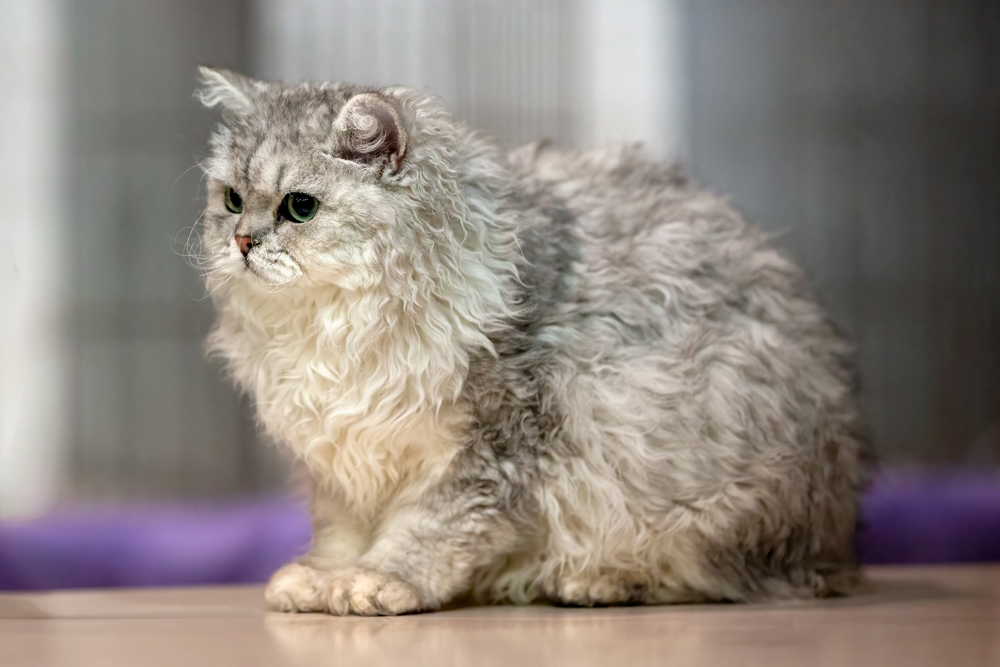
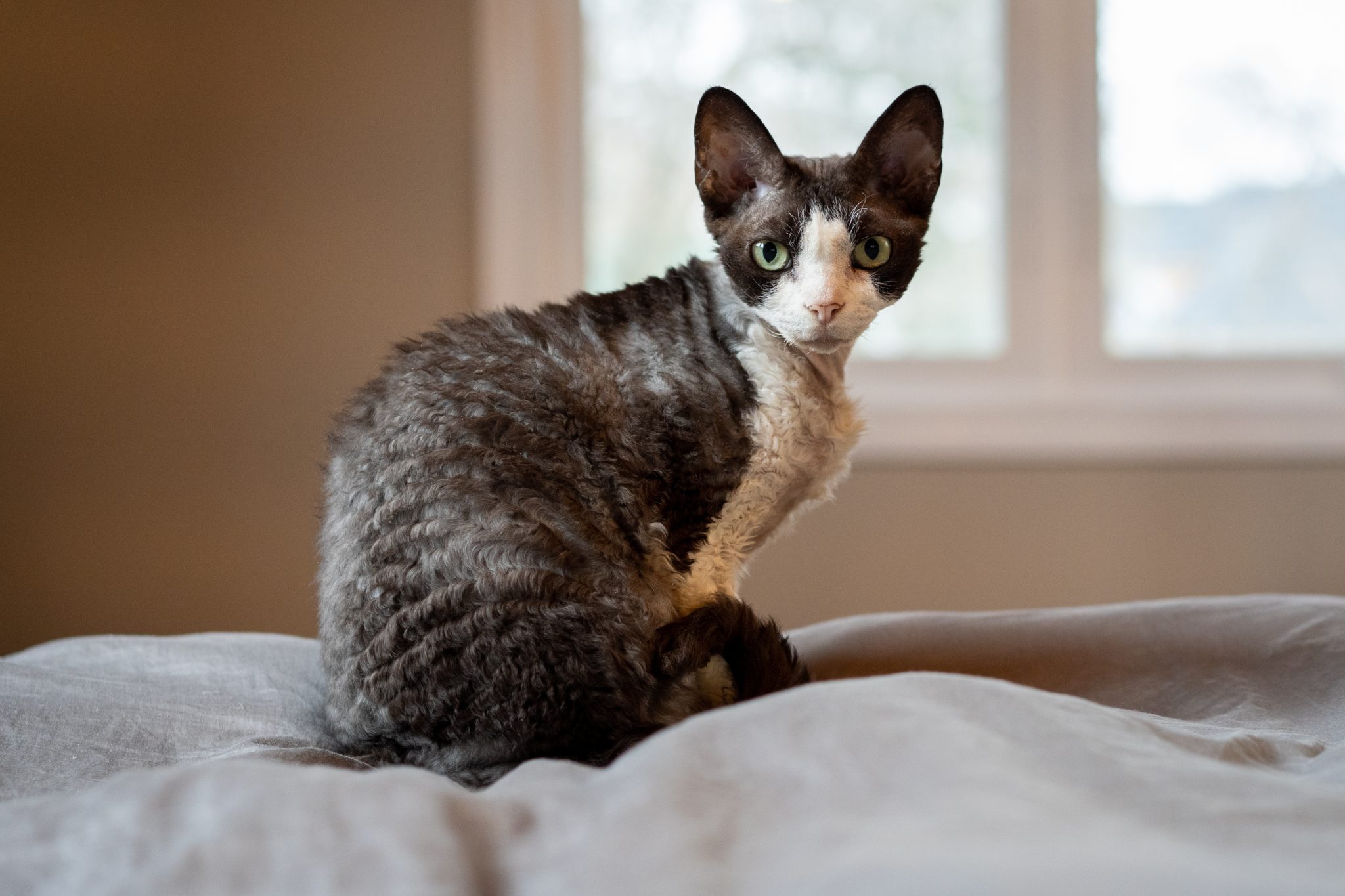
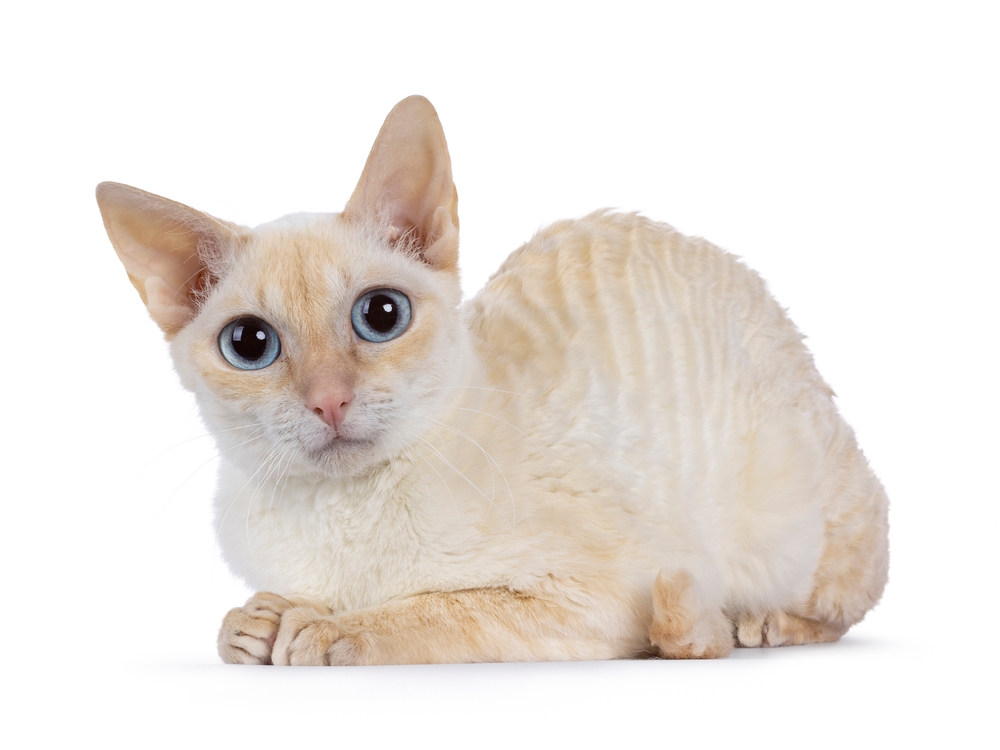
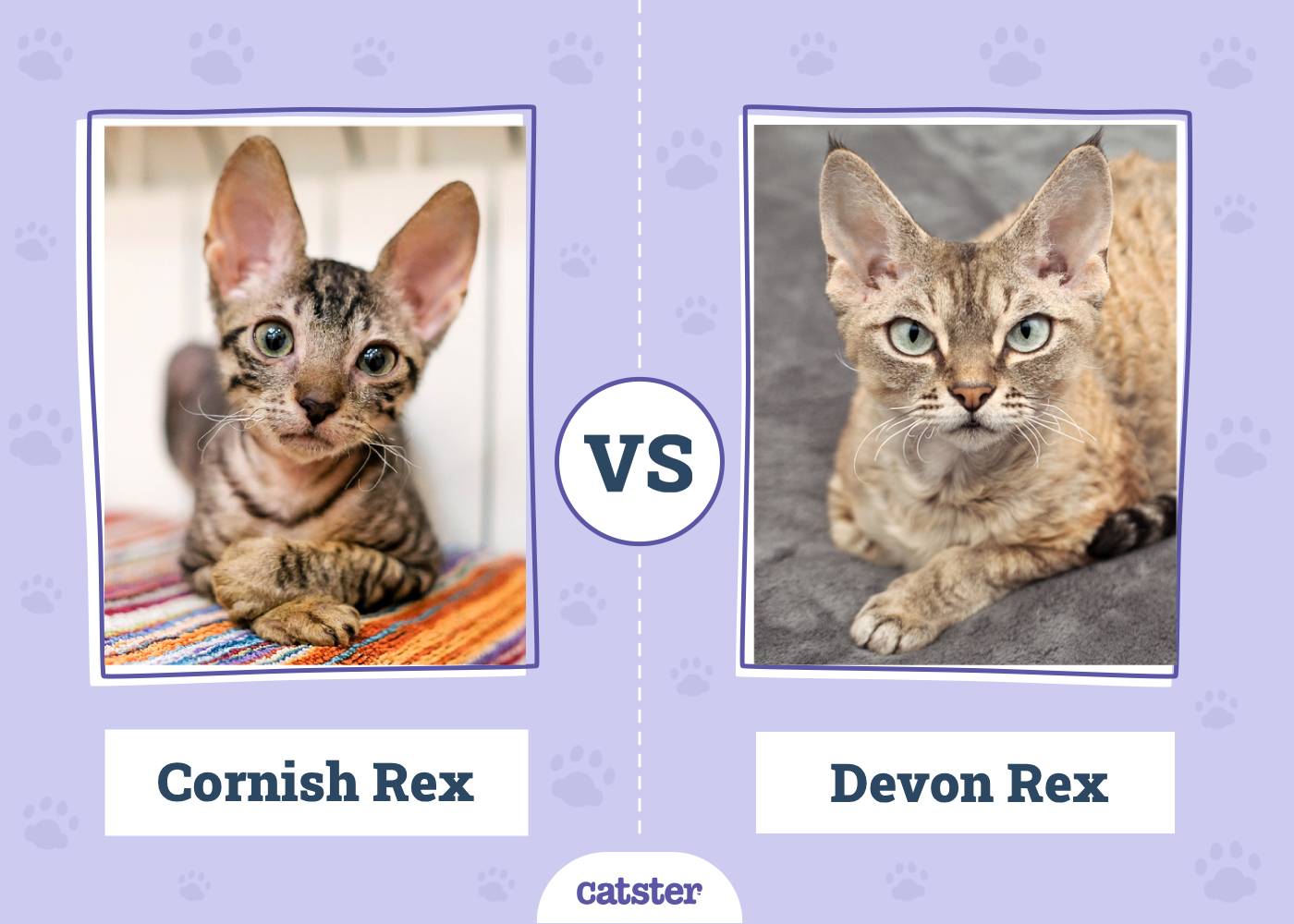
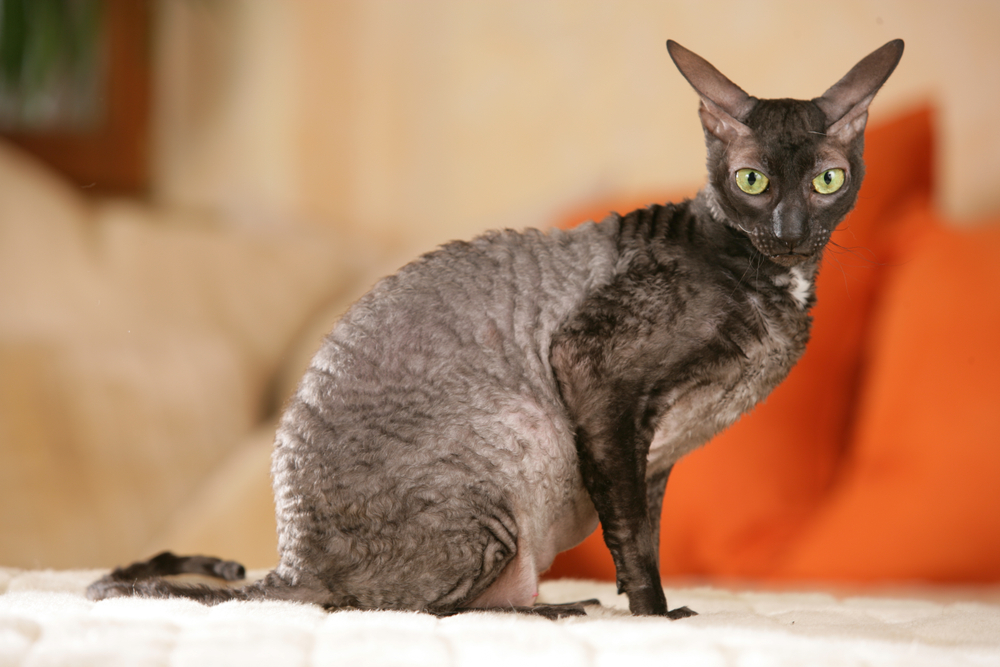
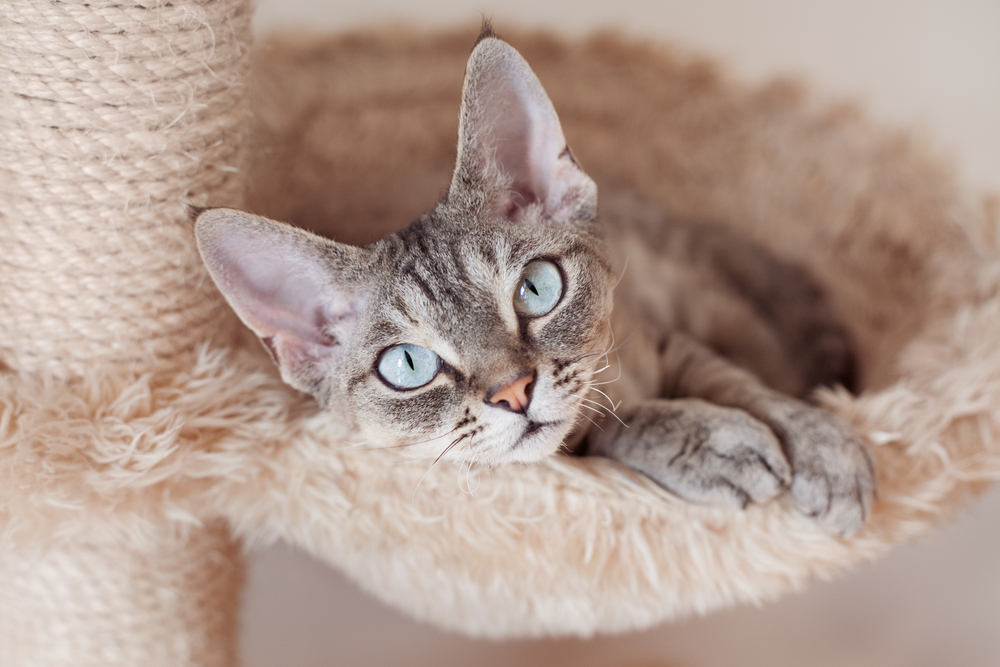
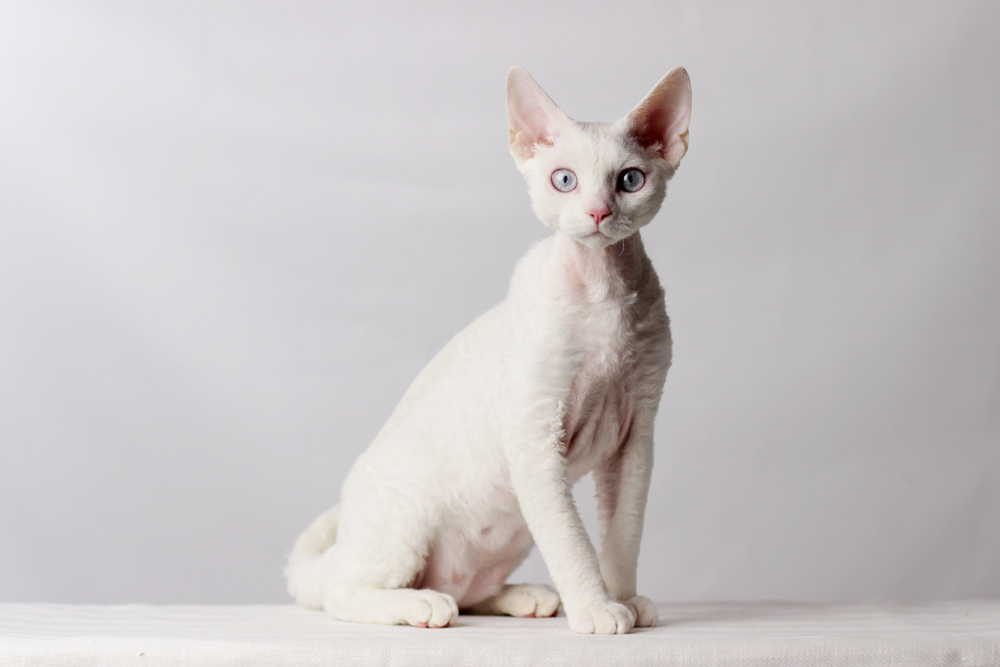
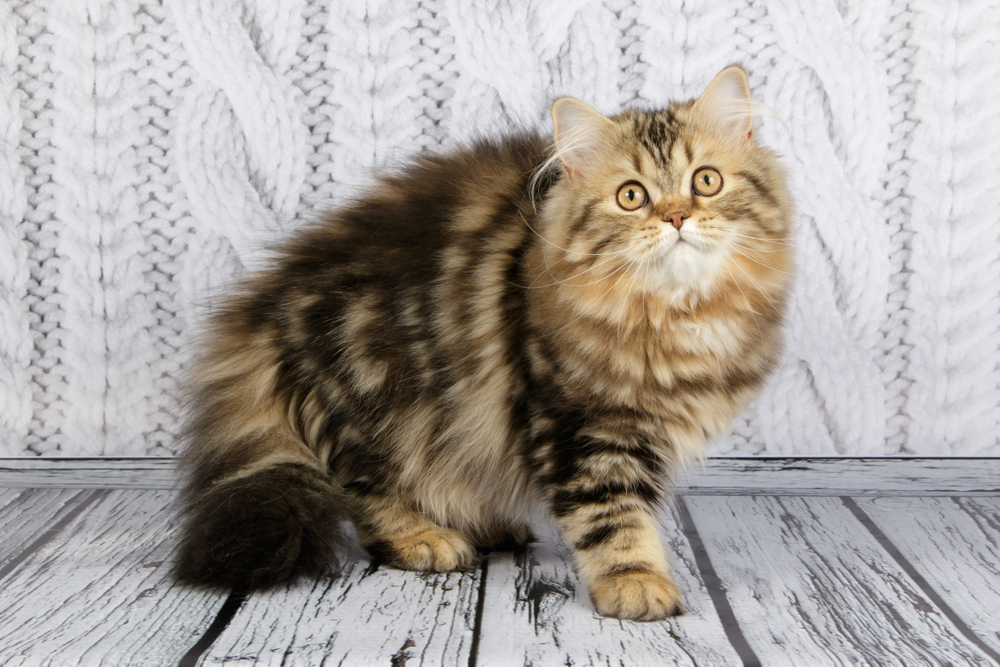
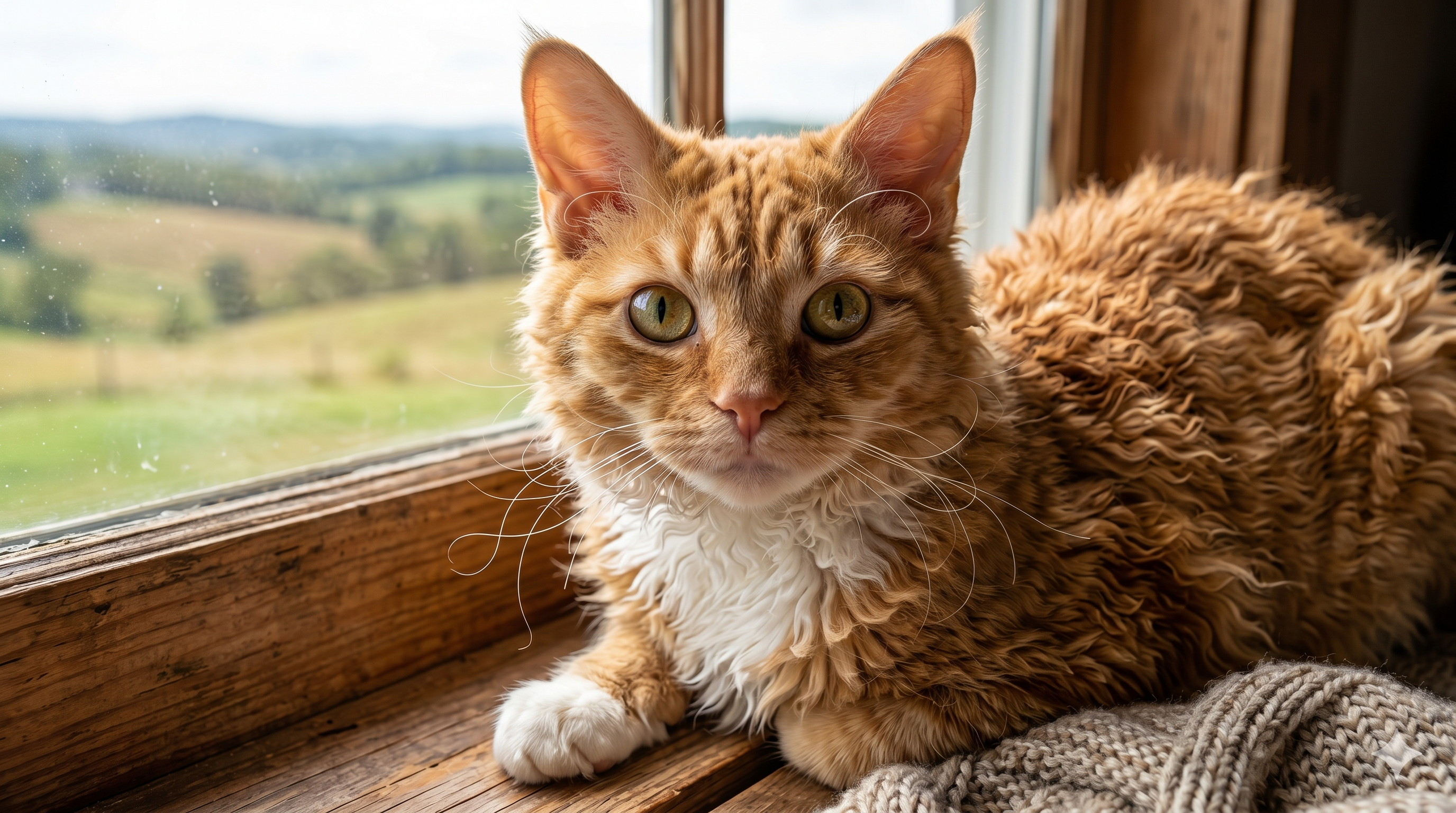
Tennessee Rex cats are gorgeous medium-sized cats with soft wavy hair. They come in long and short-haired versions, but all have fur with a beautiful satiny finish, kinked or wavy whiskers, and slightly wedged, gently rounded heads. These relaxed and easygoing cats love spending time with humans. They're playful, curious, loyal, and loving, making them absolutely fantastic family cats.
Breed Overview
Height:
Weight:
Lifespan:
Colors:
Suitable for:
Temperament:
While you might think that a cat with so many amazing qualities resulted from years of scientific breeding efforts, the Tennessee Rex is a natural breed that first emerged in 2004. A gentleman in Tennessee, Franklin Wittenburg, began taking care of a semi-feral cat who gave birth to kittens, two of whom had incredibly soft curly.
Wittenburg, sure there was something special about his kittens' fur, contacted several breeders and the International Cat Association (TICA). A feline geneticist eventually determined that the kittens had rare genes responsible for their curly fur.
TICA admitted the Tennessee Rex as a preliminary new breed in 2009, meaning the kitties are permitted to participate in TICA-sponsored shows but can't earn titles.
Tennessee Rex Cat Characteristics

Tennessee Rex Kittens
Unfortunately, because the Tennessee Rex is such a new breed, there aren't many catteries out there breeding these kittens, so it can be particularly difficult to find one of these gorgeous kitties. And there's almost no information on how much these cats usually cost. Franklin Witterburg, the man who discovered the breed, set up a program in conjunction with experienced breeders, but there's not much information about where to find adoptable kittens or how much you can expect to spend. Adoptable kittens are sometimes available through breeders showing adult Tennessee Rexes at cat shows.
Temperament and Intelligence of the Tennessee Rex Cat 🧠
Tennessee Rex cats are known for their mellow, easygoing personalities. They're sweet, pretty, and easy to please. Read on for more information about the temperament and intelligence of these adorable kitties.
Are These Cats Good for Families? 👪
Absolutely! Tennesse Rexes might just be the perfect family pet. They have the mild temperament of mixed domestic cats and love human attention. They're known as mellow kitties who love to spend time relaxing in the company of their favorite humans.
Because they don't have a strong prey drive or aggressive tendencies, you don't have to worry about the cats becoming aggressive towards other four-legged household members. And the shorthaired versions don't even require much grooming, making these kitties perfect for families. Most adapt well to using the litter box and spending time alone, so they're also great for singles looking for feline companionship.
Does This Breed Get Along with Other Pets? 🐶🐱
Tennesse Rexes are known for their laid-back personalities, but remember that the breed has only been around for a few decades. These cats don’t have strong prey drives or other characteristics that make them incompatible with other pets. Most
Tennesee Rexes are cuddlers, preferring a nap on their person's lap to running about wreaking havoc. Most cats can get along quite well with dogs if introduced slowly and under the right circumstances.
Things to Know When Owning a Tennessee Rex Cat
Tennessee Rexes are sweet cats that don't require extra care or attention. Read on for information about their dietary requirements, general health, and more.
Food and Diet Requirements 🐡
Tennessee Rex cats don't need special food unless they're suffering from a medical condition like kidney disease that requires a prescription diet. All cats benefit from high-quality food made with whole proteins such as fish, chicken, beef, and turkey. As obligate carnivores, cats can't obtain the nutrients they need to survive from plant-based foods, making protein-rich meals important for their health.
Obesity is one of the biggest feline health issues. Almost 50% of cats in the United States are overweight. And being overweight has been clearly linked to the development of conditions such as arthritis, diabetes, and heart disease in cats. Most cat foods come with feeding instructions on the package that provide specific information about how much cats of different weights and activity levels should be fed.
Exercise 🐈
Tennessee Rex cats don't have any special needs regarding exercise. They're cuddlers that won't start going crazy if they don't get enough activity. But all cats require mental and physical stimulation to remain healthy. Most veterinarians recommend that cats get at least 40 minutes of playtime broken down into shorter 10-minute sessions every day.
Not only does sufficient exercise help prevent obesity and the development of related diseases such as diabetes, but it's also essential in limiting the development of feline anxiety and stress. Playtime and walks are also critical for the development of human-cat bonds.
Training 🧶
Most cats can be trained if you have the patience and interest. Tennessee Rexes enjoy spending time with and pleasing humans, so there's no reason to suspect any difficulties regarding training. Cats typically do best with clicker-based training that emphasizes positive reinforcement.
Stick to multiple short training sessions to keep your cat from losing concentration. Many owners find cats particularly receptive to training right before meals. Most cats can be trained (without too much trouble) to walk on a leash. Kittens usually learn faster than adult cats, so it pays to start early!
Grooming ✂️
Neither short nor longhaired Tennessee Rex cats require much attention in the grooming department. Both look their best with regular brushing. Once weekly bushings are more than sufficient for shorthaired Tennessee Rexes. Longhaired variants require more frequent grooming to keep their coats from becoming matted.
Tennessee Rexes must have their teeth regularly brushed with cat-friendly, fluoride-free toothpaste. And their ears tend to accumulate wax and other debris, but that's quickly addressed at home with a quick once-a-month q-tip cleaning. Like all cats, Tennessee Rexes need to have their claws trimmed every 2–3 weeks or whenever claw growth warrants it.
Health and Conditions 🏥
Very little is known about Tennessee Rex cats, mainly because the breed has only been around since 2004. Veterinarians and scientists don't have enough information to determine whether or not these cats are predisposed to any particular illnesses or conditions.
However, remember that the Tennessee Rex is a natural breed, meaning it hasn't been strategically mated to emphasize specific characteristics prized by humans. In fact, Wittenburg's original kittens were born to a semi-feral mother, so the chances are pretty good that these cats will not end up suffering breeding-related genetic weaknesses.
Male vs. Female
Male cats of all breeds tend to be larger and weigh more than females of the same type, but these differences aren't usually all that pronounced. Some gender-based behavioral differences exist but are only seen in intact cats. Unneutered males often mark indoors and are more inclined to exhibit aggression towards other animals.
Unspayed female cats are prone to extreme vocalization and sometimes exhibit clingy behavior when in heat. There are, however, few behavioral differences between male and female cats who've been spayed or neutered. Veterinarians recommend that cats get spayed or neutered by 5 months of age.
3 Little-Known Facts About the Tennessee Rex Cat
Are you dying to learn more about these adorable silky cats? You're in the right place. Read on for three little-known facts about Tennessee Rex Cats.
1. Tennessee Rexes Have an Amazing Backstory
Tennessee Rex cats were born to a semi-feral mom! In fact, the first of these gorgeous cats may have been born under a riding lawnmower. Although no one's entirely sure where the first Tennessee Rexes first saw the light of day, we know they were found in a cooler on Franklin Wittenburg's back porch in Tennessee.
2. They Come in Multiple Colors
Tennessee Rexes all have curly, satiny fur with sparkly undertones. But they come in all sorts of colors, from red to tortoiseshell. While certain colors, like red and orange-red, are more common, you can find these kitties in just about every color under the sun.
3. They're a Natural Breed
Tennesse Rexes are a natural breed, meaning they haven't been subject to human trait-based selection and are less likely to have genetic diseases and deformities. The species was first discovered in 2004 and acknowledged by TICA in 2009. Other famous natural breeds include the Maine Coon, Thai, and Norwegian Forest cats.

Final Thoughts
Tennessee Rexes are gorgeous curly-haired cats with sparkly, satiny fur. They're also known for their friendly, laid-back personalities, making them great additions to any family. They’re not known for aggression or temperamentality, and they're good for families with kids.
Tennessee Rexes are ideal for those looking for a lap cat interested in spending time with humans. They don't have much energy or outsized exercise needs, and they're excellent pets for apartment dwellers. As a natural breed, the cats have a unique look without the health issues that often arise due to selective breeding.
The biggest issue you'll probably face if you decide to adopt one of these cats is finding a reputable breeder with available kittens. Tennessee Rex cats are so new that there aren't many breeders working with the breed. However, the relative anonymity of these cats won't last for long. It’s only a matter of time before cat lovers around the world come to recognize just how sweet and beautiful Tennessee Rexes are.
See also:
Cat Temperature: Our Vet Explains What Is Too High, Low & How to Take It
Cat Quality of Life Scale: Making End-of-Life Decisions (Vet Answer)
Sources
Featured Image Credit: Created by Gemini AI due to the rarity of this breed

Expert cat care, straight to your inbox
Vet-reviewed advice, behavior tips, and the best of Catster. Free, and you can unsubscribe anytime.
By signing up, you agree to our Terms & Conditions and Privacy & Cookies Policy.
Lorre Luther is a writer who is firmly convinced that cats are smarter than humans. She left her law career in the United States and moved to the Netherlands to follow her dream of becoming a writer. Lorre currently lives in Rotterdam, she enjoys traveling and greatly appreciates the beauty of nature. Lorre has a spot for animals and admires the intelligence of cats.
Join the conversation
Ask a question, share your story, or send private feedback.