Cornish Rex vs. Devon Rex: Main Differences (With Pictures)
In this article
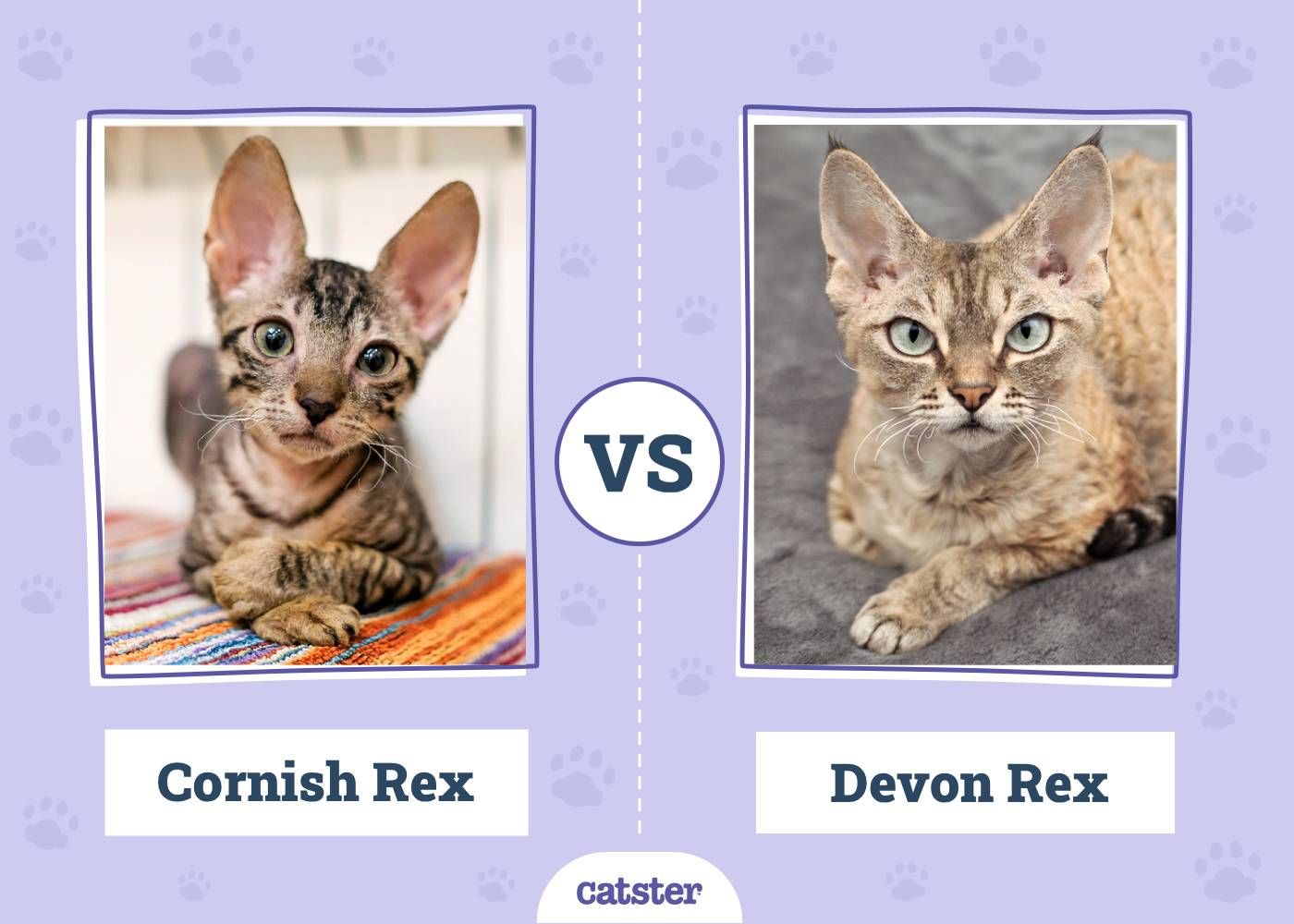
It can be easy to confuse the Cornish Rex and the Devon Rex. Their names alone are so similar, coming from the breeds’ origins in the United Kingdom. Both cats look alike, with lean, muscular bodies, large ears, and wavy coats. Despite these similarities, several unique distinctions set each breed apart.
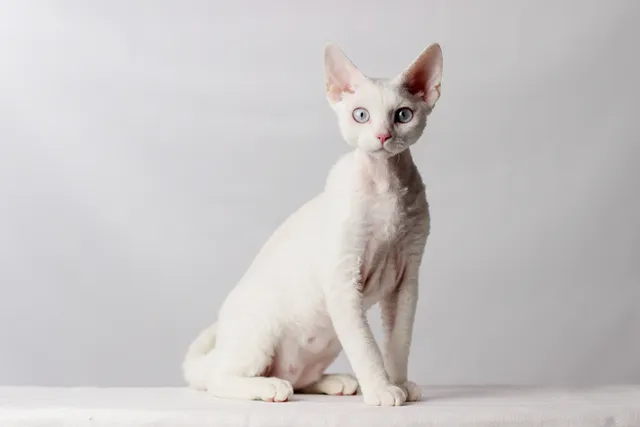
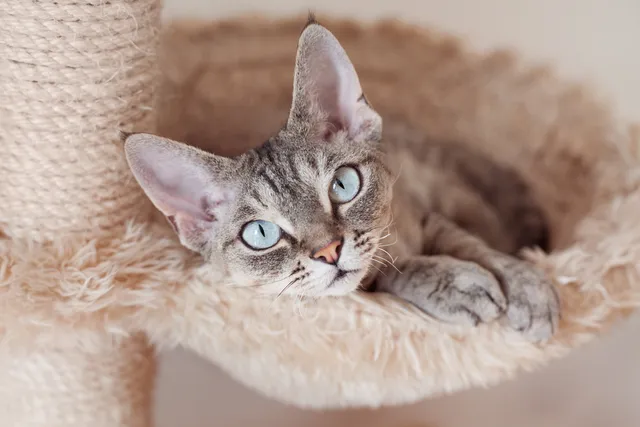
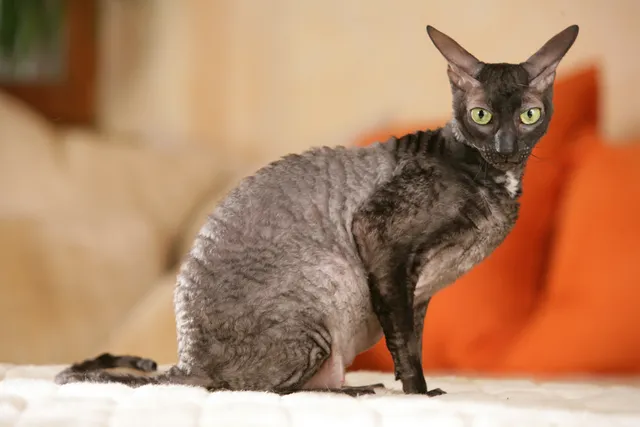
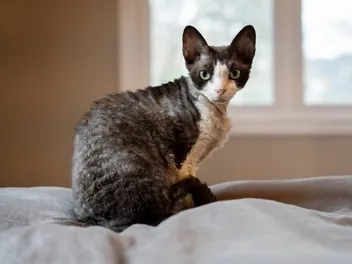
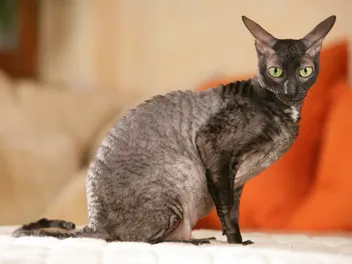
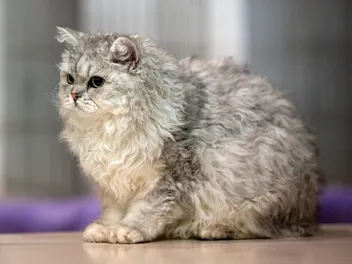
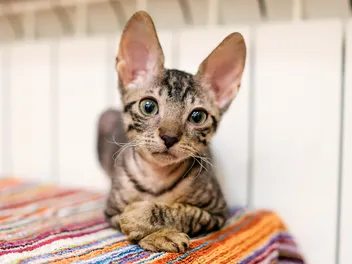
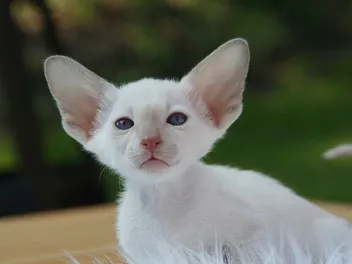
The Devon Rex has a few easily identifiable physical traits that make them unique from the Cornish Rex, including their large, low-set ears, much shorter whiskers, and slightly shorter and more muscular legs. On the other hand, the Cornish Rex has longer legs, a smaller waist, a larger chest, and a finer coat than the Devon Rex.
Other than these subtle physical traits, there are distinct personality differences, too. In this article, we’ll look at each breed and identify precisely what sets the two apart.

Cornish Rex vs Devon Rex: Visual Differences

Cornish Rex vs Devon Rex: At a Glance

Cornish Rex Overview
The Cornish Rex was named after the Cornwall region of the United Kingdom, where the breed originated in the 1950s. They have curly-haired coats and long legs. A recessive gene makes their coat curly, and the first curly-haired kitten was further bred with British Shorthairs and Siamese Cats, among others, to develop the trait. The Cornish Rex was officially recognized by the Cat Fancier’s Association (CFA) in 1964.

Personality / Character
The Cornish Rex can best be described as a charming, regal, intelligent, and confident cat that loves to be around their owners. They are happy to be handled and held, even by children, making them ideal family pets. Many Cornish Rex owners describe them as “dog-like” due to their ease of training and ability to retrieve toys.
They are playful cats known to retain a kitten-like playfulness well into adulthood. Although not as vocal as some other breeds, like the Siamese, they are not afraid of voicing their opinion and are by no means silent!
Training & Exercise
With their eagerness to please and interact with their owners and their high intellect, training a Cornish Rex is a breeze. They are active and agile cats that love to climb, so a climbing tree is an excellent investment because they’ll love looking down on their kingdom from above.
Command training and puzzle toys are no match for this intelligent cat, and you’ll be surprised at how quickly they learn new puzzles and games. They love playing and entertaining themselves for hours with a well-designed puzzle toy.
Health & Care
With their short and smooth coat, grooming a Cornish Rex is a simple affair. Even regular stroking and petting are usually enough to keep the cat groomed, and an occasional brush will suffice for Cornish Rexes with slightly longer coats. However, the short coat doesn't have a protective outer coat, and they’ll need to stay inside in colder climates.
The Cornish Rex is generally a healthy breed but has a few hereditary diseases to look out for. They include congenital hypotrichosis, a condition that is likely caused by the breed’s recessive gene that may cause baldness, and hypertrophic cardiomyopathy, a fairly severe form of heart disease.

Suitability
The Cornish Rex is a great family cat because they are gentle and affectionate with children and are more than happy to play games for hours on end. They are better suited for indoor living due to their short coat and lack of protective overcoat, and as long as they are kept active, they are more than happy with indoor life.
They love to be around their owners and are ideally suited for owners who are not frequently away from home. Other cats and dogs are no problem for these friendly and outgoing felines.
Devon Rex Overview
Like their Cornish cousins, the Devon Rex originated in the United Kingdom in their namesake Devonshire, albeit about a decade afterward. A unique genetic mutation similarly caused their short and wavy coat, and the breed was thought to be genetically the same as the Cornish Rex, but that was quickly proven not to be the case. The CFA officially recognized the Devon Rex in 1979, which was over a decade after the Cornish Rex.
Personality / Character
The Devon Rex is an affectionate cat that loves to be wherever you are. They can usually be found not far from their owner, watching closely and observing their actions with quiet and gentle grace. They are a fun-loving breed always up for a play session but far more relaxed and laidback than their Cornish cousins.
Devon owners claim loyalty is a common trait in their pets, and the cats are happy as long as they are close to their family, whether playing, cuddling on the sofa, or sleeping in bed!
They are social cats that need constant companionship, but they are different from the Cornish Rex in that the companionship can come in the form of people, other cats, and even dogs! Indeed, Cornish Rexes are not overly discriminatory of the company they keep and make fast friends with everyone.

Training & Exercise
Devon Rexes are playful and retain their kitten-like antics well into adulthood, although far less so than their Cornish cousins. While they love to play and keep children endlessly entertained with their antics, they are fairly easy-going and docile and are far more likely to be curled up on the sofa with their family.
Their high intellect makes training a breeze; they can swiftly learn commands, and house training is no issue. They can easily be taught tricks and are often taught to retrieve toys with little guidance.
Health & Care
Grooming a Devon Rex is simple, even though their coats are slightly wavier and slightly longer than the Cornish Rex. They are low-shedding felines, and brushing them weekly can remove dead hairs or dirt and keep their coats smooth. Like the Cornish Rex, their coat is fairly thin and short, so you’ll need extra care in cold weather to keep them warm.
Like the Cornish Rex, the Devon Rex is prone to congenital hypotrichosis and may experience varying degrees of balding at times due to their unique genetic mutation. Hypertrophic cardiomyopathy is another disease the breeds share, but it is fairly rare.
They are prone to several skin issues, too, including urticaria pigmentosa and Malassezia dermatitis, which are easily treated with a good diet and medication. Devon Rex myopathy, also known as spasticity, is unique to the breed and causes general muscle weakness and lethargy.
Suitability
The Devon Rex is a loving and affectionate cat that makes a great family pet. They are well suited to homes with children and make fast friends with other family pets, too. They are more laidback and docile than the Cornish Rex and make ideal companions for seniors and people living in small apartments.


What Is a “Rex” Cat?
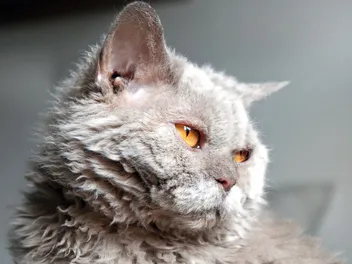
Other than the Devon and Cornish Rex, there are several other “Rex” breeds, including the LaPerm, Selkirk Rex, and German Rex. The “Rex” in their name refers to the unique genetic mutation that causes them to have uniquely soft and curly fur. This genetic mutation has a similar appearance but is uniquely different among the breeds, and the cats are all completely unrelated.
The coats are typically wavy or crimped, exceedingly short, and devoid of an outer coat, and the cats usually have short and crinkled whiskers.
Conclusion
These two breeds are similar in more ways than they are different, and either cat is sure to be an affectionate, outgoing, playful, and loyal family companion. They both have a uniquely beautiful appearance, with their wavy and short coats, crinkled whiskers, and large, low-set ears. Both cats are also easy to look after, with low grooming requirements.
However, Cornish Rexes are slightly more energetic, a bit smaller, and have a slightly longer lifespan. They also have fewer hereditary diseases to be concerned with, but both breeds are known to be healthy overall.
If you are looking for a playful, energetic cat that is affectionate, loving, and loyal, either breed is a great choice, but the Devon Rex may be more docile and easy-going than the Cornish Rex.
You might be interested in:
How Long Do Devon Rex Cats Live? (Average Lifespan Data & Facts)
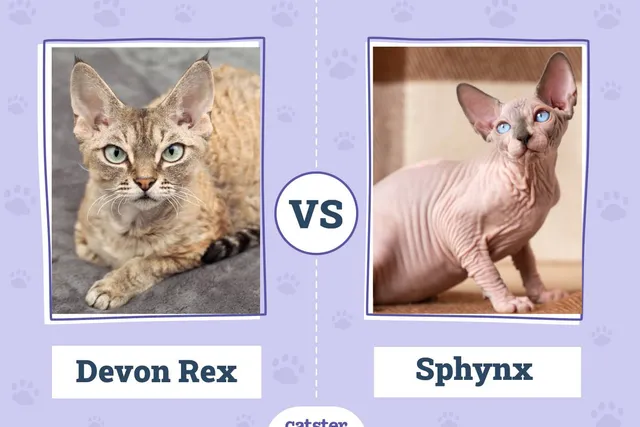
Devon Rex vs Sphynx Cat: What’s the Difference (With Pictures)
Featured Image Credit: Left - Elena Loginova, Shutterstock | Right - Veera, Shutterstock
Expert cat care, straight to your inbox
News, insights, and useful advice, delivered to you.

No spam — unsubscribe anytime.
By signing up, you agree to our Terms & Conditions and Privacy & Cookies Policy.
How useful was this post?
Click a star to rate. You can leave written feedback afterwards. (We read all feedback.)

Christian started writing for a local newspaper as a teenager, and he's been involved in the publishing industry for most of his adult life. Combining his love of writing with a passion for animals, he is currently the Director of Editorial at Pangolia and the Editor-in-Chief at Catster.
Christian lives in the Philippines with his wife, son, and four rescue cats: Trixie, Chloe, Sparky, and Chopper.