Cat Quality of Life Scale: Making End-of-Life Decisions (Vet Answer)


In this article
It's hard to know when it's the right time to say goodbye to our loving feline family members. In the past, veterinarians have recommended looking at factors like whether the cat is eating. There had to be a better way to quantify our cat's condition to allow us to make end-of-life decisions for our cats. That's where the cat Quality of Life Scale comes into play.

What Is the Cat Quality of Life Scale?
The Quality of Life Scale was created by a veterinary oncologist, Dr. Alice Villalobos.1 The scale gives you, the pet owner, and the vet a numerical measurement to assess your cat's quality of life. This value doesn't just give you a way to judge if it's time to say goodbye to your furry friends; it gives you a measurement to compare to on another day. You and the veterinarian can track if treatments seem to be helping or if your cat's status is worsening.
The Quality of Life Scale aims to preserve the human-animal bond. Ultimately, you are the person who knows your cat best and the person who knows what you can and can't handle, but this tool helps you see if the efforts you are making are aiding the bond you have with your cat. For example, it's unhealthy for you and your cat if your cat has trouble using a litter pan and excreting fecal material all over your house. In many cases, hospice or palliative care can be directed to improve specific areas of your cat's life, at least for a time.

Understanding the Cat Quality of Life Scale
The feline Quality of Life Scale has you examine several categories to analyze your cat's quality of life. You'll want to be honest with yourself and the veterinary team.

Interpreting the Cat Quality of Life Scale
You'll give each category a score from 1 to 10, 1 being the lowest score and 10 being the highest. The maximum score is 70. A score of 35 or more suggests an acceptable quality of life for your kitty and that current treatment measures are working.
You can use the scale to assess your cat as often as you need to. You can evaluate your cat daily, weekly, monthly, or anytime something changes. If your assessment exceeds 35, you should speak to a veterinarian. Other treatment options could be considered, such as giving fluids at home to a kidney failure kitty. If you can't make a measurable difference quickly, you need to consider humane euthanasia.
The 7 Categories of the Cat Quality of Life Scale
1. Hurt
Hurt looks at two major components, the first being: can your cat breathe comfortably? Does your cat need to receive supplemental oxygen, and if so, can you provide it?
It also looks at your cat's pain level. Are they in pain? Is their pain well-controlled, either through pharmaceuticals, alternative therapies like acupuncture, or a combination of those?

2. Hunger
Can and will your cat eat? Do they need assistance? Can you provide that assistance, such as hand feeding? Do you have to try different foods to get them to eat? Are they taking in enough calories to maintain their body size?
- Our Recommendation: Best Cat Foods - Catster's Reviews & Top Picks
3. Hydration
Is your cat getting enough fluids every day, either by ingesting them from food or water dishes or by having you give fluid therapy at home? The goal is to have them receive at least 10 mL of fluid per pound of body weight each day. Cats with underlying health issues, such as kidney failure, may need more fluids.
- Our Recommendation: Best Cat Water Fountains - Catster's Reviews & Top Picks

4. Hygiene
Is your cat able to groom itself? If not, can you groom your cat and help keep your feline clean? Matted hair can become painful and even lead to sores. If your cat has a surgical incision or a wound, you'll need to follow the vet's directions for keeping the area clean. If you have an arthritic cat that has trouble getting in and out of litter pans, can you offer your cat a different option for hygienic eliminations? Consider litter pans with lower lips so your cat can get in and out unencumbered.
5. Happiness
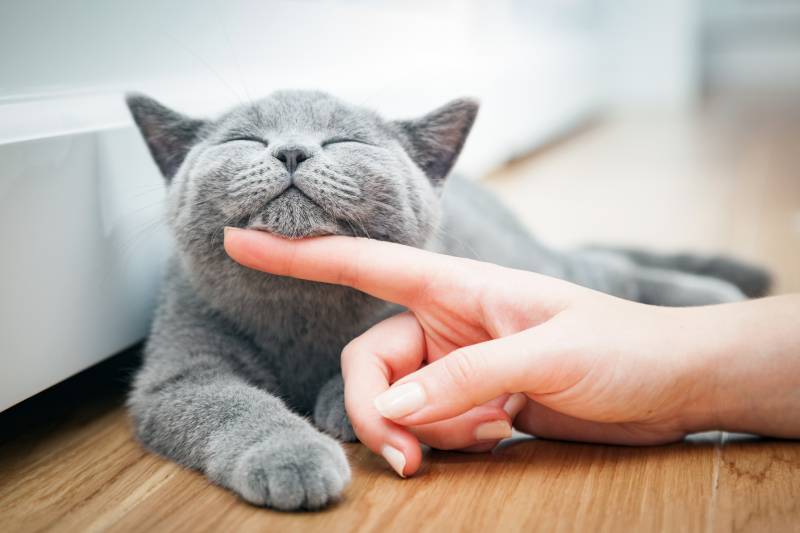
The core thought behind this category is ensuring your cat is engaged and still connected with your family. Do they still try to play or purr for chin rubs? You'll need to consider if your cat is stressed, depressed, or bored. A veterinarian may be able to help from a pharmaceutical perspective, but are there things you can do at home, such as moving your kitty's bed closer to the TV so you can snuggle together after your cat at work?

6. Mobility
You need to examine your cat's ability to walk for mobility considerations. Are they able to perform necessary life functions, with or without assistance? If your cat can't walk to the food dish, can you hand-feed it?
Mobility devices are available for cats, so a cat without the ability to use all four legs could still wheel about with some help. You may also need to provide physical therapy, such as passive range of motion exercises.
7. More Good Days Than Bad
This section might seem self-explanatory, but assessing it can often be challenging. Does your cat have more good than bad days, or do the bad days outweigh the good ones? You'll need to consider your cat's health status: are they constantly vocalizing in pain or having seizures even if they're on anticonvulsant medications? Is your cat on edge all the time, scared or depressed?


Frequently Asked Questions (FAQ)
What is a quality-of-life exam for a cat?
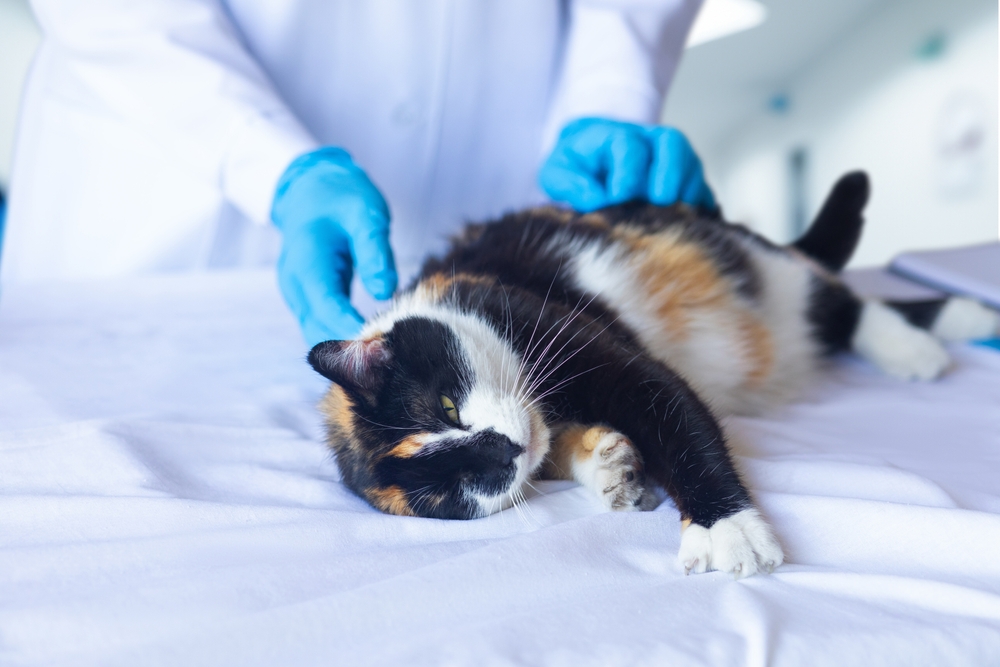
During a quality-of-life exam, the veterinarian will evaluate your cat, checking how pre-existing health issues are managed and if new ones have developed. They'll also talk with you about your cat's quality of life at home. Many veterinarians utilize a Quality of Life Scale to help determine when it's time to say goodbye or offer suggestions on the next steps for treatment.

Will my cat pass away at home?
Some cats do pass away in their sleep at home, but many need to be assisted as the last measure of peace we can offer our feline family members. Chronic conditions, such as kidney failure, can weaken our cats, decreasing their quality of life. If your cat shows signs of worsening quality of life, you'll need to work with a veterinarian to determine if it is time to say goodbye.
Conclusion
Losing our furry family members is difficult, and deciding to end their suffering is not an easy one. For many people, it's one of the most difficult decisions we ever make. The Quality of Life Scale helps provide a quantitative measurement to decide your cat's condition.
Sources
See also:
Scottish Fold Ragdoll Mix: Pictures, Info, Temperament & Traits
Tennessee Rex Cat Breed Info: Pictures, Temperament & Traits
Featured Image Credit: rolehcab, Shutterstock

Expert cat care, straight to your inbox
Vet-reviewed advice, behavior tips, and the best of Catster. Free, and you can unsubscribe anytime.
By signing up, you agree to our Terms & Conditions and Privacy & Cookies Policy.
Dr. Samantha Devine DVM (Veterinarian)
Samantha Devine is a practicing veterinarian who loves to share her experience with animal species and their health. Whether it's a guinea pig question or a pressing matter about something your cat ingested, she strives to provide clear answers. She is passionate about preventative care and firmly believes in the old adage, "An ounce of prevention is worth a pound of cure."
Dr. Devine has been practicing veterinary medicine for over 12 years and has spent a great deal of that time writing online to educate pet owners. In addition to general practice small animal medicine, she has worked with horses. zoo animals and aquatic species. She enjoys all aspects of preventative medicine, from nutrition to vaccines.
Dr. Devine received her degree from the Virginia Maryland Regional College of Veterinary Medicine.
Join the conversation
Ask a question, share your story, or send private feedback.