Osteomyelitis in Cats: Signs, Causes & Treatment (Vet Answer)

In this article
If you are or have ever been “owned” by a cat, you will know that beneath their sweet, civilized exterior lies an untamable tiger with an insatiable need to explore, find trouble, and generally cause mayhem before returning to their position of quiet superiority. During their more chaotic periods, cats are known to sustain all sorts of ailments and injuries. Abscesses from fighting, wounds from misadventures, or viruses from unsavory sources are all common reasons for a cat to wind up at the vet with an infection. In most cases, they are sent away with pain relief and antibiotics and are back to their normal tricks in no time. In other cases, however, an infection may penetrate deeper structures and prove more difficult to eliminate. Osteomyelitis is one such example.
With very few exceptions, osteomyelitis in cats is due to infection, and the most common source is from fighting—a single puncture from a cat’s tooth is like an injection of bacteria. Dental disease is another common culprit, with opportunistic bacterial, fungal, or viral infections being less common.
Osteomyelitis is a serious condition, and early diagnosis and treatment are essential for a positive outcome.

What Is Osteomyelitis?
Osteomyelitis is inflammation that involves the bone and bone marrow. Here are a few terms to know:
- “Osteo” = bone
- “Myelo” = bone marrow
- “Itis" = inflammation
Almost all instances of osteomyelitis in veterinary medicine are due to infection, and in cats, this is almost always a bacterial infection. Penetrating wounds from cat fights are the most common causes of these infections, but it is often difficult to be certain about the inciting incident. The initial soft tissue infection can take 3–5 days to appear, with involvement of the bone not becoming evident for 10–14 days post-infection.

What Are the Stages of Infection?
When we look at infection, there are four distinct stages that occur:
- Incubation
- Prodromal phase
- Illness
- Convalescence
To better understand what these stages are and how they relate to osteomyelitis, let’s use the example of a cat that has been bitten by another cat.
1. Incubation
This is the period of time between the infection being introduced (the bite) and the onset of any clinical signs or reactions to the infection. The bacteria have entered the body and started replicating, but the body has yet to mount a defense. The length of the incubation period can be a matter of hours, days, or weeks, but in the case of a cat bite, it tends to be around 2–4 days.
2. Prodromal Phase
The bacteria are replicating, and the body’s immune system has started to respond, sending inflammatory cells like neutrophils and macrophages to attack the bacteria. This results in swelling and pus around the site of infection, as well as other signs, like fever and pain, that start to develop.

3. Illness
This is the stage of infection where diagnosis tends to occur. Clinical signs become more apparent, such as lethargy, inappetence, marked swelling, and pain/lameness, as more and more inflammatory cells are recruited to fight off the infection.
In a simple soft tissue infection, this will usually appear as an abscess, the treatment of which usually involves:
- Draining the abscess — This may occur spontaneously if the abscess ruptures, or it may need to be drained manually by the vet.
- Antibiotic treatment — This is typically the use of a broad-spectrum antibiotic.
- Anti-inflammatory medication — This helps alleviate the side effects of the body’s inflammatory response (pain, swelling, and fever).
4. Convalescence
The convalescent period is the time between treatment of the infection and full recovery. In cats with an abscess, this can take 3–4 days or longer, depending on how severe the infection is and how long it took for diagnosis and treatment to occur.
In some cases of mild soft tissue infection, the body’s immune response is sufficient to treat and eradicate the infection without medication.


How Does Infection Differ for Osteomyelitis?
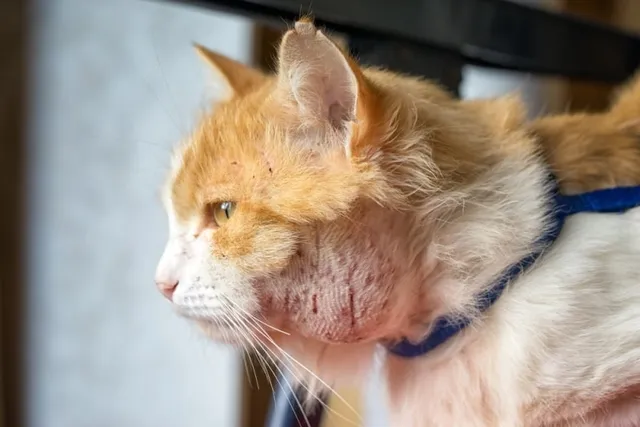
If we continue to use the case of the cat bite as our example, the stages of infection are the same, but the clinical signs and timings are different. The cat may still develop an abscess, but instead of only affecting the superficial soft tissue, the infection spreads into the bone. If the bite itself damages the bone, there may be less soft tissue swelling, and this can result in a significant delay in diagnosis.
With osteomyelitis, the phases of infection can occur at the same time as the soft tissue infection, but most of the time, there is a delay. It can be several weeks before infection takes hold in the bone and even longer for a diagnosis to be made. The same sort of inflammatory reaction is occurring, but instead of being in soft tissue that can swell, it is taking place within an unyielding bone.
The clinical signs associated with osteomyelitis usually include:
Another way in which osteomyelitis will differ from a simple infection is in the convalescence stage. Due to the inevitable delay in diagnosis, osteomyelitis can be quite advanced before treatment is commenced, and it usually takes high doses of specific antibiotics for extended periods to treat the infection. In some cases, treatment is unsuccessful, resulting in amputation, sepsis, or even death.
How Is Osteomyelitis Diagnosed?
In most cases, the diagnosis of osteomyelitis will be based on clinical signs and history that lead to a suspicion of bone infection.
In the case of a cat bite, we would usually see one of two presentations:
The next steps in diagnosis may include:
Which of these steps are performed will depend on how suggestive the history and clinical signs are but may also depend on financial limitations.

Treating Osteomyelitis
The treatment of osteomyelitis must be aggressive. Ideally, culture and sensitivity tests should be performed in order to make sure the right antibiotics are being used. In most cases, your cat will be started on one of several antibiotics that are known to reach good concentrations in the bone until the lab results confirm which one is the best choice. Often, it will be the antibiotic they have already been started on, but sometimes a change will be needed.
Depending on the type of infection, antibiotic treatment will be for a period of several weeks, sometimes months.
In some cases, surgical resection or amputation may be necessary to save your cat’s life, particularly if the infection is aggressive or resistant to antibiotic therapy or if your cat’s immune system is compromised. Cats with feline immunodeficiency virus (FIV) or feline leukemia virus (FeLV) will struggle to mount a defense against this sort of infection. Sadly, it will often be fatal, even with aggressive treatment.
What Is the Prognosis for a Cat With Osteomyelitis?
How well a cat responds to treatment for osteomyelitis will depend on a number of factors:


Conclusion
Osteomyelitis in cats is most commonly due to a bacterial infection, either from direct penetration of the bone or spread from a superficial wound. Diagnosis is often delayed in cases of osteomyelitis, as it is relatively uncommon, so it can be quite advanced before clinical signs become apparent.
Diagnosis is often based largely on examination and history but may require additional steps, such as radiography (X-ray), culture and sensitivity, cytology, or advanced imaging.
Successful treatment of osteomyelitis relies on aggressive and targeted therapy, which may involve prolonged antibiotics or surgery. However, there are cases, particularly in cats with FIV or FeLV, where treatment will be unsuccessful, and the cat will succumb to the infection.
Sources
Featured Image Credit: brodtcast, Shutterstock
Expert cat care, straight to your inbox
News, insights, and useful advice, delivered to you.

No spam — unsubscribe anytime.
By signing up, you agree to our Terms & Conditions and Privacy & Cookies Policy.
How useful was this post?
Click a star to rate. You can leave written feedback afterwards. (We read all feedback.)
Dr. Karyn Kanowski BVSc MRCVS (Veterinarian)
Dr. Karyn comes from Queensland, Australia, and has lived in the UK for the past 10 years. In 2010, she graduated from The University of Queensland School of Veterinary Science and also has a Bachelor’s degree in Zoology. She is passionate about using evidence, experience, and owner collaboration to provide the best solutions for pets, and believes in making reliable information about animal health accessible to all. Dr. Karyn shares her home with five cats, four dogs, and one husband. When she is not in the scrubs, she spends her time writing, gardening, and cleaning up pet hair!