Feline Upper Respiratory Infection: Vet Reviewed Causes, Signs & Care


In this article
Respiratory infections are unfortunately pretty common in cats, but are they something your cat will get over, or do you need to take them in to see the vet? And what about secondary illnesses? We’ll take a closer look at the causes, signs, and care your kitty will need if they have an upper respiratory infection (URI).

What Is a Feline Upper Respiratory Infection?
The upper respiratory tract includes the oral cavity, nasal passages, the back of the oral and nasal cavity (pharynx), sinuses, and vocal folds (larynx). Respiratory infections are relatively common in cats, especially if they live or have spent time in high-density populations like shelters or batteries1.
Generally, the cats are crowded and stressed, which lowers their immune function. A variety of bacteria, fungi, and viruses can cause infections, and while vaccines have been successful in reducing the incidence of respiratory disease in cats, they have not eradicated the highly contagious pathogens that cause them.
The bacteria and viruses that cause URIs are highly contagious and are generally passed through infectious particles in the saliva or secretions from the eyes or nose2. Cats can get the infection by direct contact with the infected cat or by environmental exposure, like water and food bowls, toys, litter boxes, or bedding.
Typically, the cases are associated with direct contact because the bacteria and the virus only survive in the environment for short periods and are destroyed by proper disinfection.
What Are the Signs of Feline Upper Respiratory Infections?
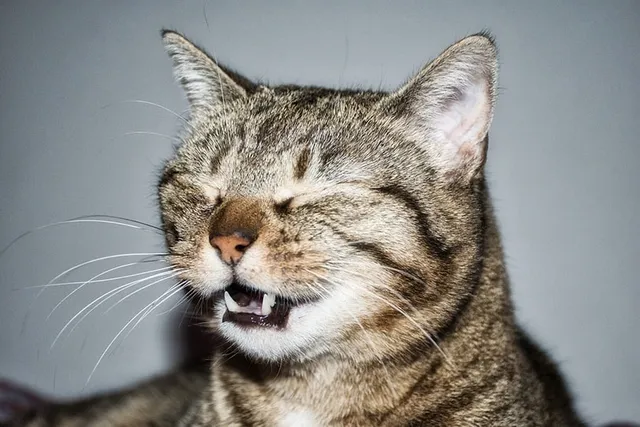
Coughing or sneezing are signs that your cat has a URI. The most common signs include noisy breathing, discharge from the eyes or nose, no voice or a hoarse meow, and ulcers on the nose or mouth3. The discharge can be clear or cloudy in appearance and include puss. These signs can also be displayed:
- Not eating
- Fever
- Squinting
- Enlarged lymph nodes around the head and neck
- Difficulty breathing (severe cases)
If your pet is showing these signs, we suggest you speak to a vet.
What Are the Causes of Feline Upper Respiratory Infections?
The most common causes of URI in cats are two viruses: the feline herpesvirus (FHV) and the feline calicivirus (FCV). There are other causes behind feline URIs, like mycoplasma, chlamydiosis, and Bordetella, and some cats might also be infected with more than one virus.
Thankfully, your veterinarian can run tests to narrow down the cause of the infection. FHV and FCV are responsible for around 90% of URI cases. Generally, the tests are carried out when the cat is severely infected or when several cats have been exposed.
How Do I Care for a Cat With an Upper Respiratory Infection?
You’ll be relieved to know that most URIs resolve with just a little time and TLC from you. However, more serious infections require treatment or hospitalization, so it’s important to know what to look out for. If your cat is active, eating, and generally seems normal, you can watch them at home.
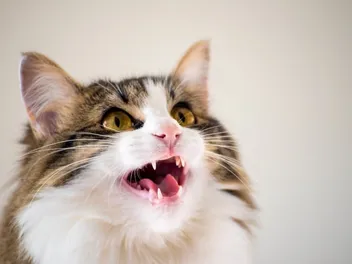
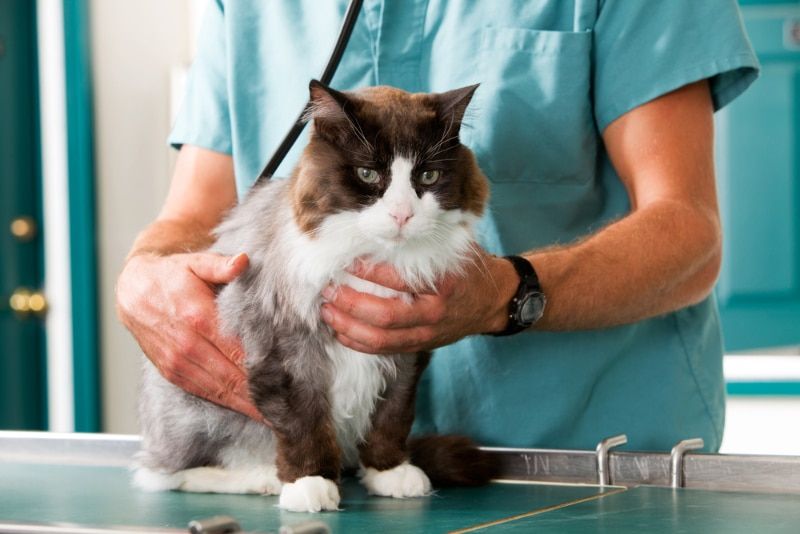
However, if your cat isn’t eating, is congested enough that they need to open their mouth to breathe, or seems listless, you need to take a trip to the veterinary hospital. Your vet might prescribe antibiotics, and while antibiotics don't treat viruses, they will protect against secondary bacterial infections.
Giving your cat canned food might also help because it’s softer than dry food and encourages them to eat. If your cat is congested, warm up their food or add gravy, which will make it smell more enticing.
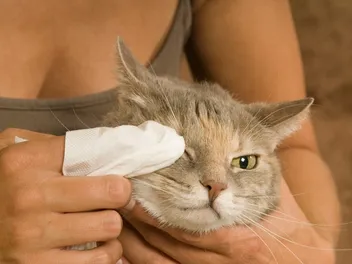
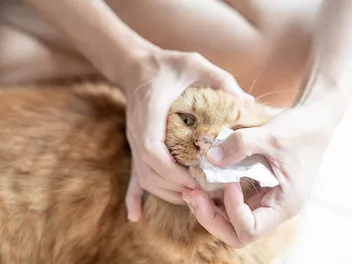
You can also put your cat in the bathroom when you take a warm shower; the steam will loosen up the congestion and make your cat feel more comfortable. You can set up a comfortable space for your cat to rest and gently clean the discharge from their eyes or nose if they let you.

Frequently Asked Questions
How Long Does a Feline Upper Respiratory Infection Last?
When a cat has been exposed, they go through an incubation period of 2–10 days before developing clinical signs. Generally, it will then last for 7–10 days if the infection is uncomplicated, but the signs of infection can persist for up to 21 days. During this time, your cat will be contagious to other cats.
When it comes to FHV, many cats become chronic carriers and have the disease for life. A stressful event could then cause the virus to become reactivated. Similarly, with FCV, many infected cats become carriers for a few months. In a small percentage of cats, they may become carriers for life. While these persistent carriers are asymptomatic, they will potentially remain a source of FCV to susceptible cats.

How Can I Minimize the Severity of URIs in a Group of Cats?
You can protect your pets if you bring a new cat home that might be infected. First, vaccinate the cats in your house before the new cat arrives. When you bring the new cat home, quarantine them away from the other ones for 10–14 days while they adjust to their new home.
This will also allow you to watch for signs of the disease while reducing the stress levels for your cats as they become acquainted with one another. Ensure you wash items like litter scoops and bowls with bleach during this period. Once you’ve interacted with the new cat, change your clothing.
Conclusion
It’s upsetting when our pets are unwell, but sometimes URIs require TLC and time for your cat to return to normal. While they are sick, you must keep a close eye on them, and if you notice their health deteriorating or new signs appearing, contact your vet or take them to the hospital immediately. Most cats make a speedy and complete recovery if diagnosed and treated properly.
Sources
Featured Image Credit: Tyler Olson, Shutterstock
Expert cat care, straight to your inbox
News, insights, and useful advice, delivered to you.

No spam — unsubscribe anytime.
By signing up, you agree to our Terms & Conditions and Privacy & Cookies Policy.
How useful was this post?
Click a star to rate. You can leave written feedback afterwards. (We read all feedback.)
Kerry-Ann lives in Scotland and would love to have a bigger garden so she could have her very own Highland cow. But her dogs probably wouldn’t like that idea very much. She has a La Chon called Harry who was sick with a liver shunt when he was a puppy. It wasn't likely he would make it into adulthood, which was difficult to comprehend, but he beat the odds and is a healthy old man now. She also has a Pug called Maddie who is a big foodie. She’s small, sassy, and every day she finds a new way to wind her brother up.
When she isn’t writing you can find Kerry-Ann going for long walks when it isn't raining, reading, or watching cartoons. She would one day like to be a tourist in her own country and travel through the Highlands with her family.