How to Make a Cat Tree More Stable: 6 Vet-Approved Tips & Tricks


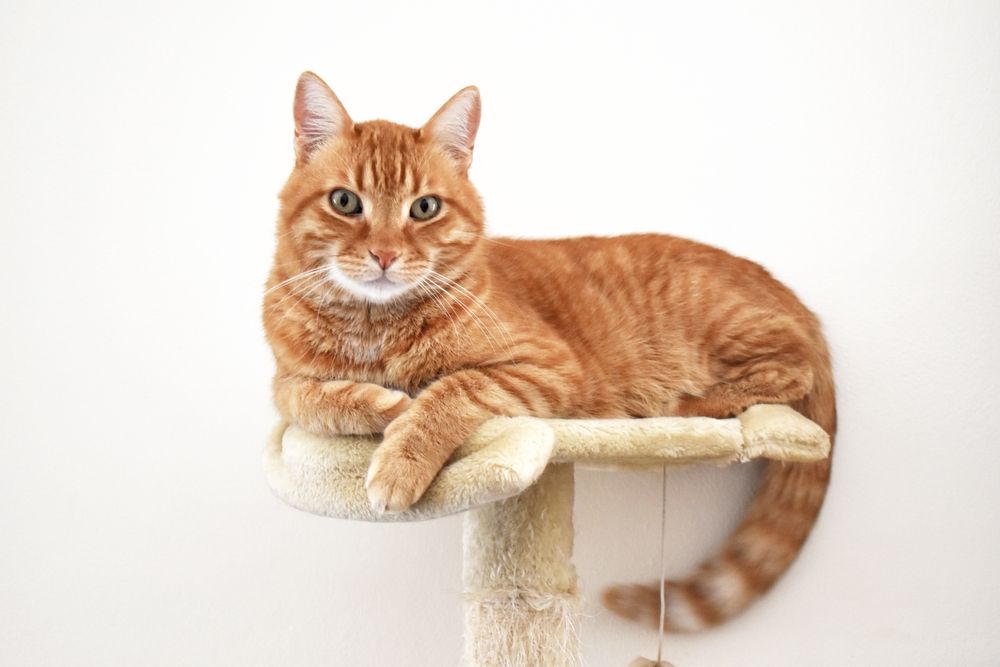
When they’re in the mood, cats love to play and throw themselves around. It can be fun to watch but also worrying when their favorite cat tree isn’t stable enough to withstand their playful vigor. It’s essential to ensure your cat tree doesn't fall over and hurt your cat.
Fortunately, stabilizing a cat tree is an easy DIY project you can handle at home with the right tools. To start making your cat tree sturdier, here are a few tips and tricks to help.

The 6 Tips to Make a Cat Tree More Stable
1. Secure the Base With Strong Fasteners
Using strong fasteners is essential to securely attaching the post to the base platform. Instead of nails or staples, use screws or bolts, as these provide a much stronger hold. For added durability, pre-drill holes in both the post and the base platform. This ensures the screws go in straight and prevents the wood from splitting.
Applying wood glue along the contact surfaces before securing the post will also add an extra layer of bonding security, making the connection more stable.
2. Use a Heavy Base
A heavier base is one of the most effective ways to ensure your cat tree remains stable. A solid base will help prevent tipping, especially if your cat is large or very energetic. Materials like natural wood, or secured bricks provide the necessary weight and durability. By choosing a thicker material, you can ensure the base is sturdy enough to support the entire structure.
Additionally, a wider base will distribute the weight more evenly, reducing the risk of the tree tipping over.

3. Reinforce the Post Attachment
To make the attachment of the post even more secure, you can use angle brackets or corner braces. These metal reinforcements can be installed between the post and base to add extra support and prevent wobbling. Attach the brackets with screws to both the post and the base, to ensure they are firmly in place.
Additionally, using long screws or bolts that go through both the post and the base will offer greater support. Longer screws create a more secure connection, preventing any instability.
4. Stabilize With Extra Support
If your cat tree has multiple levels or a tall structure, installing beams between the base and the posts can increase the stability of the cat tree. Having additional support aside from the main post will distribute the weight of the perches, and will make it a lot harder to tip over. This type of reinforcement ensures the entire tree remains solid, even if your cat is very active or heavy.

5. Use Non-Slip Pads Under the Cat Tree
Non-slip pads or rubber grippers are an effective solution to keeping your cat tree from sliding across the floor. These pads can be attached under the base platform. By preventing the tree from shifting or moving when your cat climbs or jumps, non-slip pads reduce the risk of instability and tipping.
They’re especially helpful if your cat tree is placed in a more open area, if your floor is slippery, or if you have hardwood or tile floors.
6. Place the Cat Tree in a Corner and on Even Flooring
Where you place the cat tree can also make a big difference in its stability. If possible, position the tree in a corner or against a wall. For large cat trees, in particular, corners provide an easy way to stop your cat tree from falling over when your cat jumps from perch to perch. A corner will also give you plenty of wall space to secure your cat tree with metal brackets.
Make sure the base is on solid and even flooring. Avoid placing part of the cat tree on different flooring textures. For example, if there’s a rug in your home, place it completely on the rug or off of it. If the floorboards are damaged or warped, or there’s a dip in the floor, your cat tree will be likelier to wobble or lean to one side. Even in open spaces, positioning the tree in an area that’s less prone to movement can help prevent it from shifting.

Why Should You Secure a Cat Tree?
While you might not have a problem with a short cat tree, unless it has a proportionally larger and heavier base; a tall cat tree can be less stable simply due to its height. That is why it’s recommended to secure it against a wall and place it in a corner to give it extra stability. There are several reasons that unstable cat trees are dangerous not just to your cat but also to you and your children.
Injury
For safety reasons, cat trees are designed to be heavy. When your cat hops from perch to perch, the tree can wobble if it’s not secured properly. If you have several cats fighting over the top perch, they may even make it wobble enough to topple over.
A falling cat tree can injure your cat, but it can also damage nearby furniture or land on children playing with your cats around the tree.
Trauma
It’s not just the injury that your cat can sustain that they have to recover from but the trauma from experiencing the injury in the first place. If your cat associates your cat tree with danger, pain, and fear, they’ll stop using it.
Sometimes, a bad fall isn't the only thing that will upset your cat. The wobbling of a cat tree can be disconcerting enough that your cat won't climb it at all, no matter how enticing the highest perches are. If they don’t feel safe, they’ll stay away.
Conclusion
Cats love to jump around and observe you from high spots around the house, a cat tree is an essential addition to your home décor. They’re fun and cozy, with plenty of space for your cat to nap or be out of the way for a while. However, they can also be dangerous, and ensuring they are stable will keep your cat safe as they play or climb up to the top. Make sure your cat tree is sturdy by following these tips and tricks.
See Also:
15 DIY Floor to Ceiling Cat Tree Plans You Can Create at Home (With Pictures)
20 DIY Cat Furniture Plans You Can Make Today (With Pictures)
Sources
Featured Image Credit: Maliflower73, Shutterstock
Expert cat care, straight to your inbox
News, insights, and useful advice, delivered to you.

No spam — unsubscribe anytime.
By signing up, you agree to our Terms & Conditions and Privacy & Cookies Policy.
How useful was this post?
Click a star to rate. You can leave written feedback afterwards. (We read all feedback.)
Christian started writing for a local newspaper as a teenager, and he's been involved in the publishing industry for most of his adult life. Combining his love of writing with a passion for animals, he is currently the Director of Editorial at Pangolia and the Editor-in-Chief at Catster.
Christian lives in the Philippines with his wife, son, and four rescue cats: Trixie, Chloe, Sparky, and Chopper.