How to Reupholster a Cat Tree: 13 Useful Tips
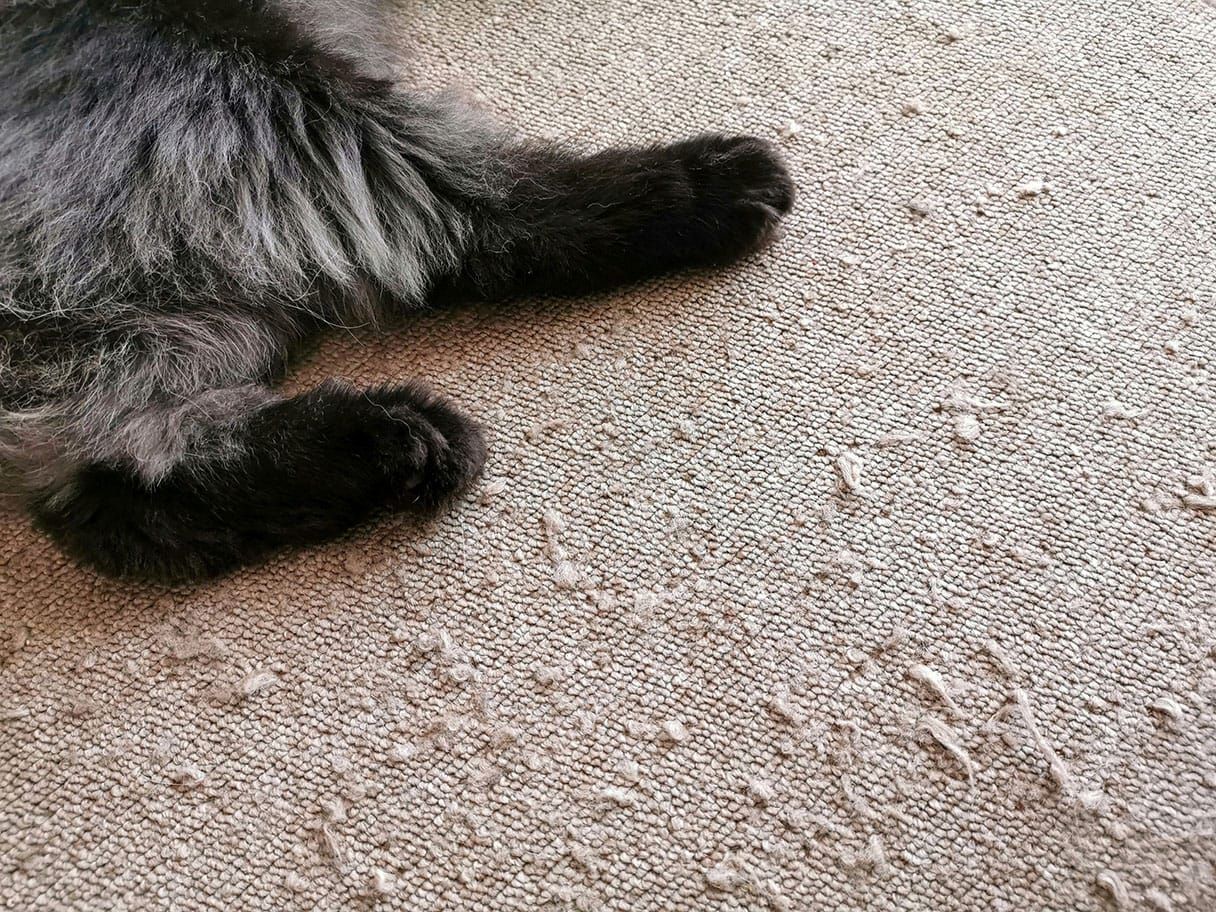
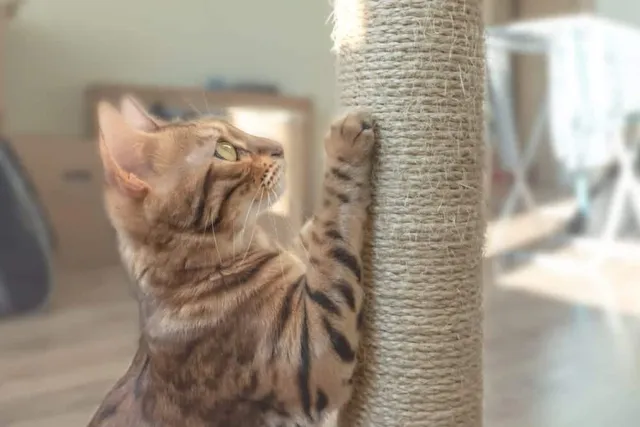
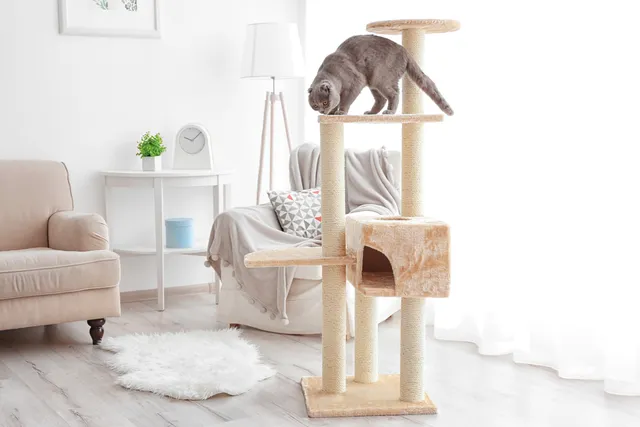
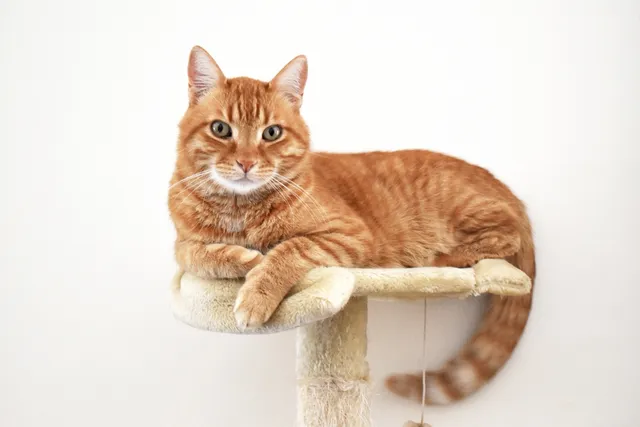
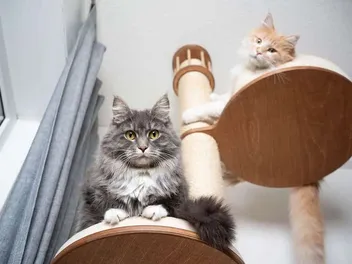
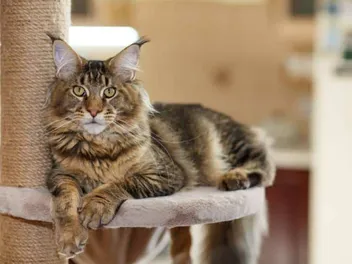
Even if you adore cats as many people do, you know that, without something to scratch on, they will scratch on whatever they can find. That includes your furniture, curtains, carpet, and pretty much anything. That’s why giving them something to scratch is essential if you have one or more felines in your home. Better still would be to give your cats something to scratch, relax, and play on, which is why many people purchase cat trees for their furry friends.
If you have a cat tree that has seen years' worth of scratching and other cat-related activities but don't want to invest in another, your best choice is to reupholster it. How do you reupholster a cat tree, you ask? That’s a great question, and one we’ll answer for you below with our 13 tips and tricks to re-upholstering your cat tree.

Preparations Before You Start
Depending on where your cat tree is located and if it’s permanently affixed to the wall or ceiling, you may need to prepare things first. For example, if the cat tree can’t be moved (or moved easily), you should cover nearby furniture with old sheets or tarps. That way, dust, dirt, cat dander, and other grime will not get on everything.
Also, you should gather the tools you need ahead of time. You’ll likely need a razor knife, pliers, nail puller, hammer, and drill. To reupholster, you’ll also need a heavy-duty staple gun and glue like Gorilla Glue. Also, it might be a good idea to keep your cats away while you work so that they don’t hurt themselves or get in your way.
How to Reupholster a Cat Tree
1. Pick Out New Material Before You Start
It’s not essential, but picking and purchasing new material before you start is a good idea if you don’t want to stop in the middle of the cat tree reupholstering project. Carpet is what many folks choose because cats love it. Some of your cat tree’s components can be covered in different materials. New cotton batting for padding, or foam cushion, is used on most cat trees for extra comfort where they nap. Lastly, sisal rope, a natural twisted fiber rope, is used on many cat trees because it’s durable and fun to scratch.

2. Save Money by Reusing Carpet, Material, and Sisal Rope that’s In Good Shape
Cats love cat trees but don't always use every part or level. If there are some areas they haven’t touched that are still in good shape, you can reuse them. You might even consider leaving them in place, which will reduce the time it takes to finish the project.
3. Go Slowly When Removing the Old Upholstery and Fabrics
This might sound like a “duh!” tip, but it behooves you to take your time when taking off the old upholstery. First, it will reduce accidents that could hurt you. Second, it will limit any damage you do to the cat tree’s frame. The goal is to reupholster the cat tree, not remake or repair it because it fell apart while you were taking off the old stuff.
4. Take Carpet and Fabric Off in One Piece
When reupholstering anything, including a cat tree, most DIYers tend to cut, rip, tear, and pull until all the old fabric and carpet are off. But here’s the thing; those pieces are already cut to the correct size. If you take them off intact, you can use them as a pattern for the new pieces, saving you a lot of time and effort. It can also save you from wasting material that you accidentally cut too small. With some sections, you might not be able to do that, but with parts you can, it’s a huge help.

5. Remove Any Nails, Staples, and Other Dangerous Metal Parts
Once you’re done removing carpeting and fabric from your cat tree, carefully go around the entire structure and remove any nails, screws, or staples that might have remained. The last thing you want is to leave something behind that could hurt your cats or yourself.
6. Leave Foam Padding in Place
If your cat tree used foam padding in areas meant for relaxing rather than scratching, consider leaving it in place. That will reduce your cost and time to finish the project. This trick is especially true if the foam is still in good shape. However, removing and replacing it is probably better if it's in bad shape. When you do, keep it in one piece to use as a pattern for the new foam.
7. Sand Down Any Areas That Were Damaged
Removing carpet and cloth material from your cat tree can sometimes lead to small amounts of damage, like splintered wood. If so, sanding those damaged areas and removing them before reupholstering is best to reduce any chance of injury or the new covering getting damaged.

8. If Possible, Turn the Cat Tree Upside Down
If your cat tree isn’t too large or attached permanently to the wall or ceiling, turning it upside down to reupholster can be very helpful. That’s because most of the stapling you’ll be doing is on the underside of the various platforms. If it’s right side up, you’ll have to put yourself in uncomfortable and potentially risky positions to staple the new carpet and material.
9. Paint Poles with Glue Before Attaching Sisal Rope
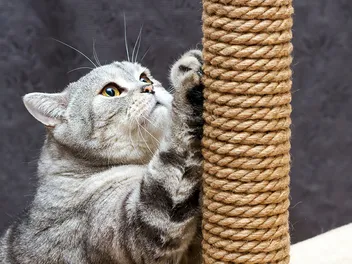
Sisal rope is excellent for winding around the poles of your cat tree, but if your cats get too aggressive, the rope can come loose and look ugly. To prevent that, paint the poles with glue before putting on the new rope. When you’re ready, quickly but firmly wrap the sisal rope into place, making sure to keep it tightly wound together. Once the glue dries, you’ll have a surface your cats can scratch to their heart’s content without pulling off the pole.
10. Use Colors That Match Your Decor
Most cat trees come in tan, which, while it might work with your decor, can be dull. To make it more fun, at least for you, using different colored fabrics and cloth materials that match your furnishings is a great idea.

11. Save Money by Using Carpet Remnants
When purchasing new carpeting for your cat tree, you can get any kind or color you like. However, carpeting can be expensive. That’s why you should ask the attendant at the carpet store or big box home improvement store if there are any carpet remnants you can purchase. Carpet remnants are end pieces that are too small to be used in a large room and are sold at a discount.
12. Use a Heavy Duty Stapler
Most people have at least one construction stapler at home, but to make sure the carpet on your cat tree stays in place, a truly heavy-duty stapler is needed. That is because carpeting has a heavy base, and you will be stapling into plywood. If you use a weak stapler, the carpet will start to come loose. If you are not sure which stapler to use, ask the expert at your local home improvement store.
13. Test the Structure for Strength
Once everything is in place and your cat tree is finished, test it out to be sure it is still structurally sound. Pull, tug, and move everything; if anything seems loose, staple or glue it in place more firmly.

Final Thoughts
Reupholstering a cat tree will likely be a 1- or 2-day project if you have decent DIY skills. The tips and tricks we have shared with you today should make it much easier and help you get fantastic results that your kitty cats will thoroughly enjoy. We hope you enjoyed our suggestions and wish you the best of luck with a cat tree that looks fantastic and keeps your cats happy and content!
Alternatively, if you want to surprise your cat with something cool, check out the Hepper Hi-Lo Cat Scratcher. It's not just a scratcher; it's a piece of modern furniture that your cat can play on. It's got a curvy design that's perfect for stretching and moving, and it's built tough with strong birch plywood and thick B-flute cardboard. You can adjust it to three different heights, which keeps cats entertained. Plus, it won't break the bank! Our cats love it, and we do too.
At Catster, we’ve admired Hepper for many years, and decided to take a controlling ownership interest, so that we could benefit from the outstanding designs of this cool cat company!
Featured Image Credit: Maliflower73, Shutterstock
Expert cat care, straight to your inbox
News, insights, and useful advice, delivered to you.

No spam — unsubscribe anytime.
By signing up, you agree to our Terms & Conditions and Privacy & Cookies Policy.
How useful was this post?
Click a star to rate. You can leave written feedback afterwards. (We read all feedback.)

Gregory Iacono former chiropractor and self-taught writer. Greg has experience in a wide variety of subjects including video script. As a man of clinical experience, Greg has the ability to digest a complex subject and make it accessible to the reader. Greg enjoys traveling and spending time with his two daughters and son.