Do Cats Need a Cat Tree? Vet Approved Pros, Cons & Considerations


In this article
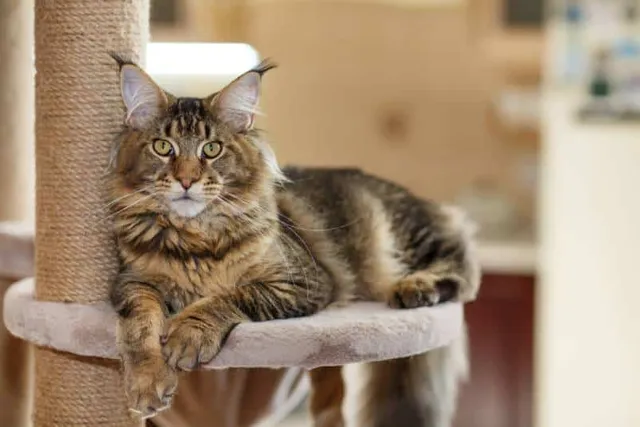
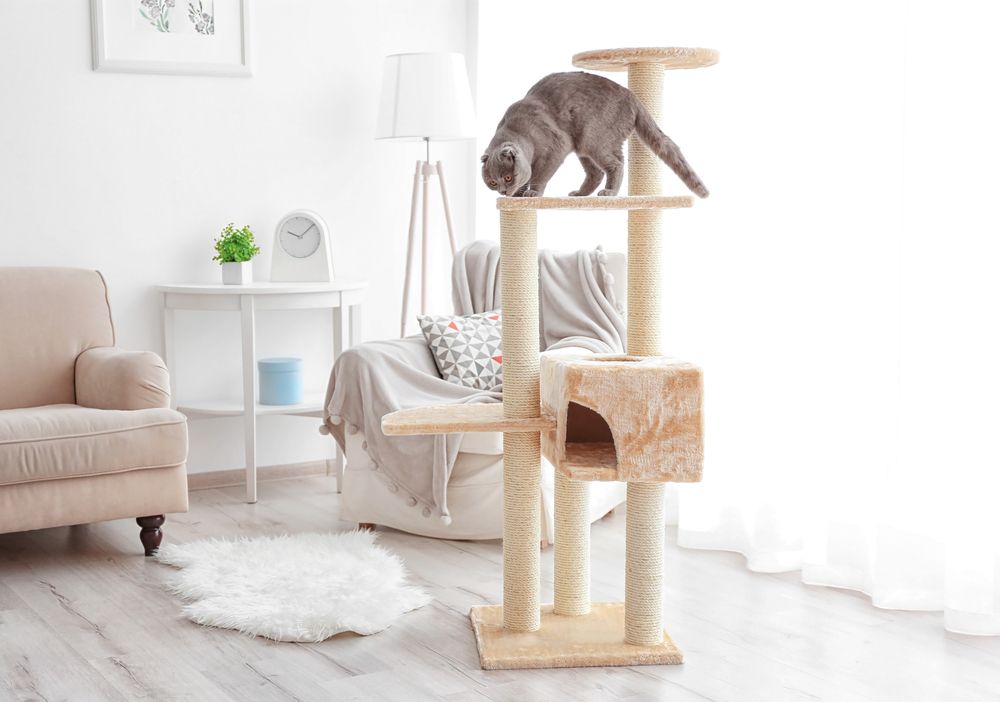
Cats love to be up high and observe everything around them but also enjoy having their own space while they sleep their day away. Cat trees are a common staple in most cat-owning households. Not only do they provide that private space up high, but most will double as a scratching post.
Cats don’t necessarily need a tree, but having one certainly has plenty of benefits. Multiple trees are a great idea for multiple cat households. Keep reading to learn more about the importance of cat trees and why they are so beneficial.

The 4 Benefits of Having a Cat Tree
1. They Provide Personal Space
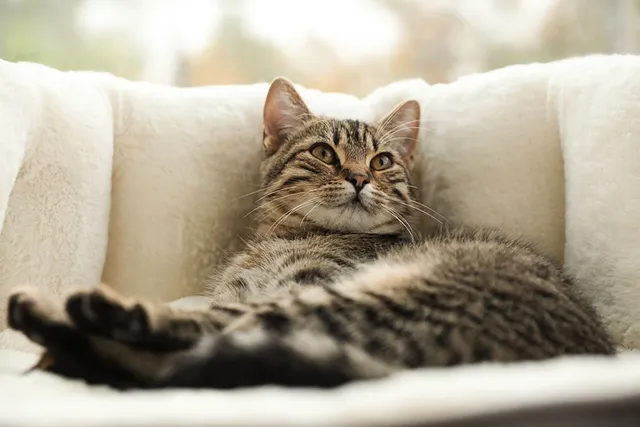
Cats enjoy their privacy and like to have their personal space. They spend at least half of the day sleeping and they prefer to have a comfortable space that is away from household traffic to make them feel secure. Most cat trees are designed to give them that safe space they so desperately need.
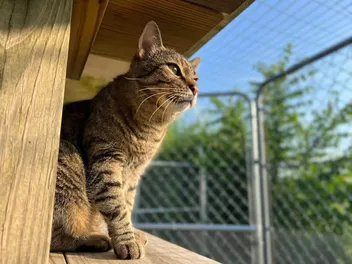
Not only does it serve as a great place to nap the day away, but it also serves as a perch for those that enjoy being up high to observe their surroundings. A lot of cat owners will place the tree near a window to give them a great view and access to sunshine.
Some owners will even allow their cat to eat up high in the cat tree to avoid any other pets from stealing the food. This is also a great place for grooming because they will be much more comfortable being groomed in a safe place.
2. Serves as a Scratching Post
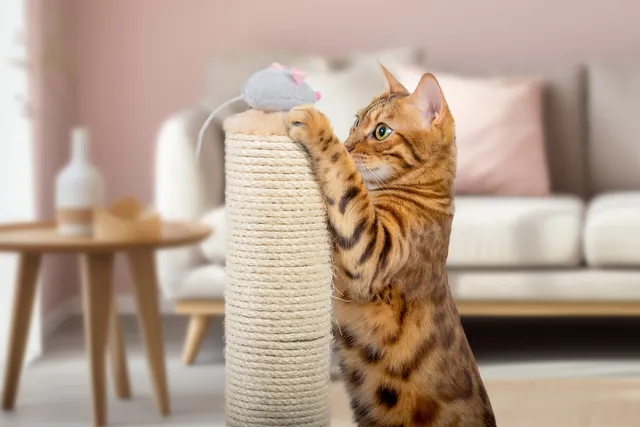
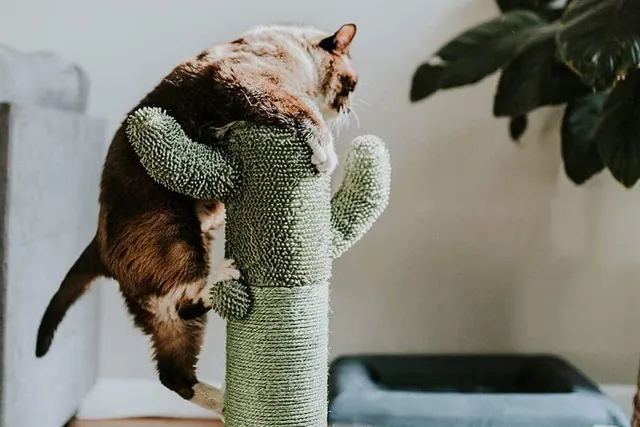
There’s no getting around a cat’s need for scratching. This is a natural self-grooming behavior that sharpens the claws. It is also a way for them to mark their territory by leaving their scent behind. Feeling secure in their territory is very important to cat wellbeing.
When your house lacks a cat tree or a scratching post, household items can easily become the victim of those sharp kitty claws. Having a tree that they love will provide them with a scratching outlet and may keep them from using your furniture, carpets, and curtains to get the job done.
Alternatively, if you want to surprise your cat with something cool, check out the Hepper Hi-Lo Cat Scratcher. It's not just a scratcher; it's a piece of modern furniture that your cat can play on. It's got a curvy design that's perfect for stretching and moving, and it's built tough with strong birch plywood and thick B-flute cardboard. You can adjust it to three different heights, which keeps cats entertained. Plus, it won't break the bank! Our cats love it, and we do too.
At Catster, we’ve admired Hepper for many years, and decided to take a controlling ownership interest, so that we could benefit from the outstanding designs of this cool cat company!
3. Keeps Cats Off Furniture
In addition to saving your furniture from those pesky claws, cat trees also encourage cats to stay off the household furniture. Cats that don’t have perches available in the home will likely resort to sleeping and lounging on the sofas, chairs, and beds.
While furniture sharing typically isn’t a problem for most cat owners, it does help alleviate the wear and tear and can help your furniture last longer.
4. Provides Exercise
Cat trees are also a great way for your cat to get in some much-needed exercise. They come in all different shapes and sizes and will even have different features. There are plenty of cat trees on the market that also serve as a playground or a home gym for cats.
Exercise is very important for the overall health of your indoor cat. Not only does it get their body moving but it also provides mental stimulation and prevents boredom.


The 4 Downfalls of Cat Trees
1. They Can Be Costly
There is a wide variety of cat trees available on the market and those that are durable and of good quality can cost you a pretty penny. We don’t recommend purchasing a low-cost cat tree because they typically don’t last very long and most of the time they aren’t nearly as safe, or sturdy, and tend to fall apart more easily. Opting for an inexpensive cat tree will likely result in having to purchase a new one before too long.
2. Some Cats May Not Use Them
Cats can be finicky little creatures, so you run the risk of investing in a cat tree that your cat will not use. Unfortunately, this is something that takes trial and error. You may bring a cat tree into the home and your cat has no desire to use it, or they may only enjoy certain parts of it. There’s no way to know until there is one available. Encourage your cat to explore the tree by placing treats or catnip on it.

3. They Take Up Space
Another drawback of cat trees is that they occupy space. You will need to find a good spot within the home that has enough space for this large piece of furniture. Some cat owners will designate a cat room if they can, while others will try and find a spot in their cat’s favorite area in the house, which is typically near a window.
4. They Can Be an Eyesore
In addition to taking up room, cat trees aren’t exactly aesthetically pleasing when you’re talking about the interior design of your home. There’s no way to prevent your cat tree from standing out for exactly what it is. Now, more modern-looking cat trees are meant to fit in a little better for those wanting to keep up with a sleek look, but a cat tree is still a cat tree.

How to Choose the Right Cat Tree
If you’ve decided on purchasing a cat tree, there are some things you should consider before making your final decision. Here are some tips on finding the right cat tree for your household:
Single Cat vs. Multiple Cat Households
Having one cat versus having multiple cats can have a significant impact on your decision-making. There are plenty of cat trees designed to hold multiple cats, but you can also consider buying more than one tree for the home if that would suit your cats better.
Consider Your Cat’s Preferences
Does your cat enjoy perching? Are they active? Do they enjoy scratching? All these questions are something you should ask yourself to help you narrow down the right type of cat tree. There are plenty of different styles, sizes, and features available in the cat tree world, so you want to pick one that suits your cat’s personality and preference. This will make it more likely that your cat will use the tree instead of letting it sit unused.

Look for Safety & Durability
We touched briefly above on the importance of getting a good quality cat tree. You want something that will be long-lasting, can withstand excessive scratching, and will not tip over easily. You should also check into the safety of the materials the cat tree is constructed from. Higher quality trees will be a more costly investment, but they will be worth it in the long run.
Read the Reviews
We highly recommend that once you’ve narrowed down your choices, take a close look at the customer reviews. Look at unbiased websites like Chewy or Amazon rather than getting your information straight from the manufacturer’s website. Skim through what people like and don’t like about each potential cat tree to help you come up with the top contenders.


Conclusion
Cats don’t necessarily need a cat tree, but they do provide benefits to both you and your cat and are highly recommended by owners and even veterinary professionals. Like with any other purchase, cat trees have their downfalls and you run the risk of certain cats not using them at all.
For multiple cat households, it may be an idea to have more than one tree, but they also make cat trees designed for multiple cats. When shopping for a cat tree, consider both your and your cat’s preferences to help you decide which cat tree is best suited for your home.
Featured Image Credit: Africa Studio, Shutterstock
Expert cat care, straight to your inbox
News, insights, and useful advice, delivered to you.

No spam — unsubscribe anytime.
By signing up, you agree to our Terms & Conditions and Privacy & Cookies Policy.
How useful was this post?
Click a star to rate. You can leave written feedback afterwards. (We read all feedback.)
Lindsey and her husband enjoy traveling the US with their kids and photographing wildlife. Her passion is to educate others on the importance of proper animal care, with an emphasis on reptiles and exotics since their care requirements can be much more complex. She is also a huge advocate for bully breeds. She feels most at home in the forest either on horseback or in hiking boots.