Why Is My Cat Gagging? 7 Vet-Reviewed Reasons


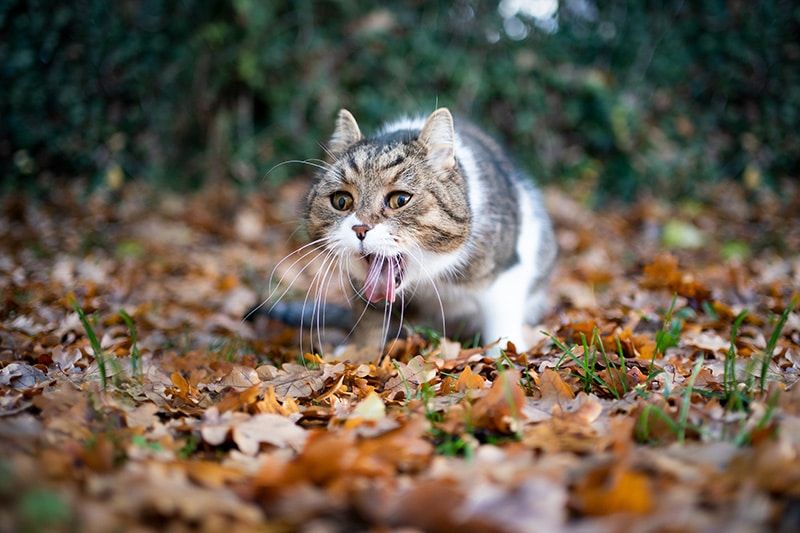
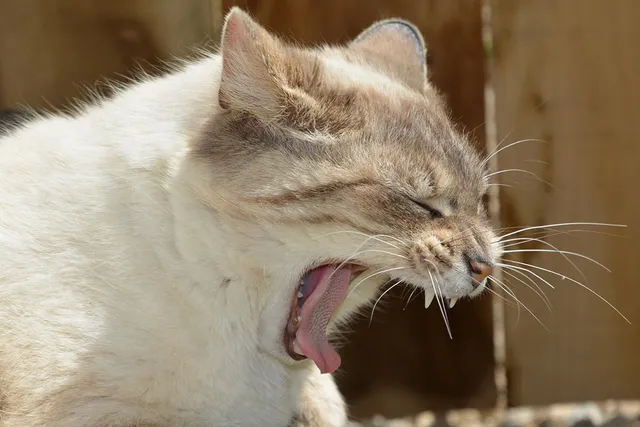
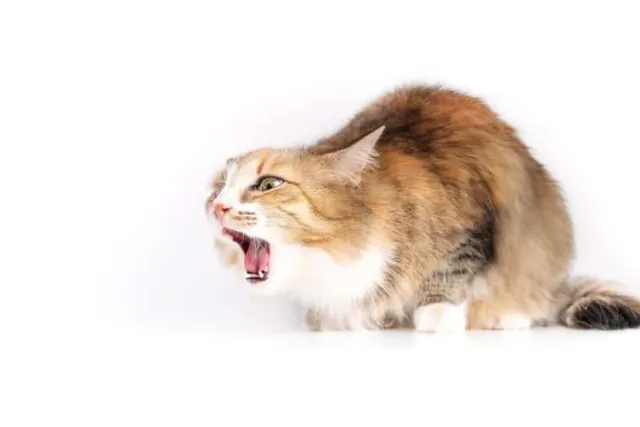
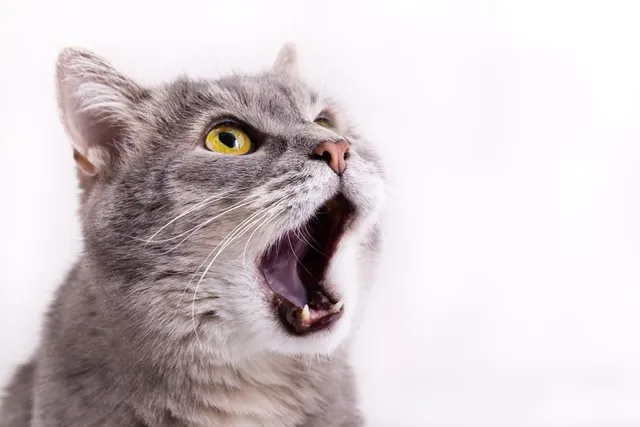
If you've recently seen your cat gagging, you may wonder what causes it and whether you should be concerned. Gagging is a confusing term, as it can mean different things to different people. Short of boring you with medical definitions, the various things that people might be referring to when talking of gagging can encompass a variety of different diseases, including true gagging (choking), unproductive vomiting, and coughing, to name a few.
Occasional gagging is potentially nothing serious, but if your cat is gagging you should still speak with a vet. Keep reading to learn more about seven common reasons your cat could be gagging.

The 7 Reasons Why Your Cat Might be Gagging
1. Speedy Eating
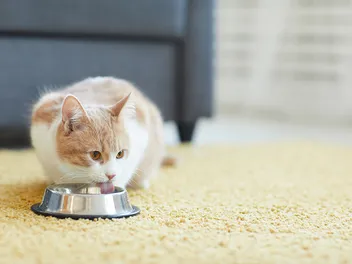
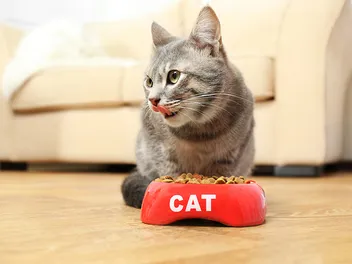
Cats that eat their food a bit too quickly sometimes end up gagging. Speedy eating can also cause cats to regurgitate what they just gobbled down. It's usually pretty easy to identify this sort of gagging, as it happens right after cats eat, and if they vomit, it usually contains undigested kibble.
The situation sometimes occurs in homes with more than one cat where there's resource competition occurring. Feeding the cats in different locations can cut down on conflict and tension that can cause some pets to resort to speedy eating.
Interactive and slow feeders can assist solo cats that tend to get carried away at mealtime. Not only do they slow cats down, but they also provide mental stimulation that's critical for their overall well-being.

2. Hairballs
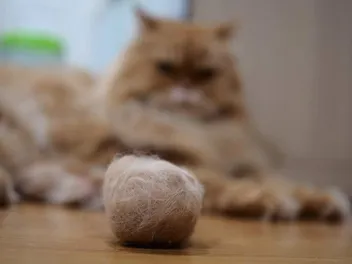
Cats can vomit up hairballs, and some people consider this to be “gagging”, however it is actually vomiting. Hairballs form when cats groom themselves and ingest too much hair, which then doesn't pass through the digestive tract. When enough fur accumulates, cats attempt to vomit it up, and successful attempts usually produce fur and a bit of liquid. Unsuccessful attempts may sound to the untrained ear like gagging.
While occasional hairballs are usually nothing to worry about, cats that regularly struggle with them should be seen by a veterinarian, as the situation could be linked to health issues such as parasites, gastrointestinal disease, or even allergies.
3. Upset Stomach
Nausea can sometimes lead to unproductive vomiting that some people incorrectly call gagging, but other causes are more common. Common signs of nausea include producing lots of saliva, excessive tiredness, overgrooming, a lack of appetite, or lethargy.
Cats can throw up after eating something that doesn't agree with them. New cat food can also be problematic. Conditions such as food allergies, inflammatory bowel disease, and kidney disease can also upset feline stomachs.

4. Respiratory Conditions
Cats cough when suffering from respiratory conditions, which can often be mistaken for gagging. Bacteria and viruses can both cause upper respiratory infections, which result in inflammation, sneezing, and excessive mucous production.
Feline herpes virus and feline calicivirus are behind most upper respiratory infections in cats. However, conditions such as pneumonia and pleural effusions can also cause cats to cough.
Cancers of the respiratory tract can lead to the development of signs that can resemble gagging in cats. The occasional cough is usually nothing to worry about, particularly in happy and healthy cats, but a veterinarian should see pets that have coughs that don't resolve.
5. Foreign Objects
Cats are well known for nibbling on odd things, which they sometimes end up consuming. Some foreign objects can make it through their digestive tracts without incident, but occasionally, the material gets stuck, which can lead to vomiting and even the development of abdominal obstructions. Toys, plants, and buttons are just a few of the things cats are fond of eating. In these instances, people may again confuse unproductive vomiting with gagging.
String and yarn are particularly dangerous since they can cause intestinal damage and lead to infections such as peritonitis. Signs of foreign body ingestion include lethargy, pain in the abdominal area, lack of appetite, and vomiting.
Call your veterinarian immediately if you suspect your cat has eaten something harmful. If you see anything hanging from your cat's bottom or a bit of string wrapped around their tongue, leave everything as it is and take your companion in for professional help.
6. Toxins and Irritants
Vomiting and coughing can be signs that a cat has been exposed to a toxic product or something irritating their airways. Particularly sensitive cats can react to litter dust and fragrances.
Essential oils dispersed through diffusers can make breathing difficult for cats. Droplets from diffusers can land on cats’ fur, where they can be ingested during grooming, which has the potential to make them quite ill. Several essential oils are highly toxic to cats.
Other common items that can cause problems include bleach, rodenticides, deicing salts, as well as plants such as amaryllis and chrysanthemums. Reach out to your veterinarian if your cat consumes anything toxic.
It’s vital to let them know what your cat got into, how much they were exposed to when they ingested the substance, and if your cat is showing any signs such as coughing, lack of interest in eating, bruising, fast breathing, or pale gums.
7. Asthma
Cats with asthma often have dry, unproductive coughs that can sometimes sound like gags. Cats with asthma experience pulmonary inflammation after breathing in dust mites, cat litter particulates, and other allergens. Strongly scented products such as air fresheners and potpourri can cause some cats to react.
Persistent coughs should be evaluated sooner rather than later by a veterinarian. Diagnosis usually involves blood tests, X-rays, and parasite testing, as heartworm disease can sometimes cause similar signs in cats.
Treatment is aimed at managing the condition and usually involves long-term use of anti-inflammatory medication. Inhalers are often prescribed, but other modalities, such as pills and injections, are also available. Most cats diagnosed with the condition need to continue taking the medication even when they do not have difficulty breathing.

Conclusion
Gagging is easily confused with coughing or non-productive vomiting in cats. Various conditions can therefore be described as gagging by owners, when in reality, true gagging is relatively uncommon in cats. The occasional gag (or cough, or vomit) is usually not a huge deal, but a veterinarian should see cats if the problem persists.
Sources
Featured Image Credit: Nils Jacobi, Shutterstock
Expert cat care, straight to your inbox
News, insights, and useful advice, delivered to you.

No spam — unsubscribe anytime.
By signing up, you agree to our Terms & Conditions and Privacy & Cookies Policy.
How useful was this post?
Click a star to rate. You can leave written feedback afterwards. (We read all feedback.)
Lorre Luther is a writer who is firmly convinced that cats are smarter than humans. She left her law career in the United States and moved to the Netherlands to follow her dream of becoming a writer. Lorre currently lives in Rotterdam, she enjoys traveling and greatly appreciates the beauty of nature. Lorre has a spot for animals and admires the intelligence of cats.