Scented No More: Dr Elsey's Cat Litter Makes a Sensible Switch
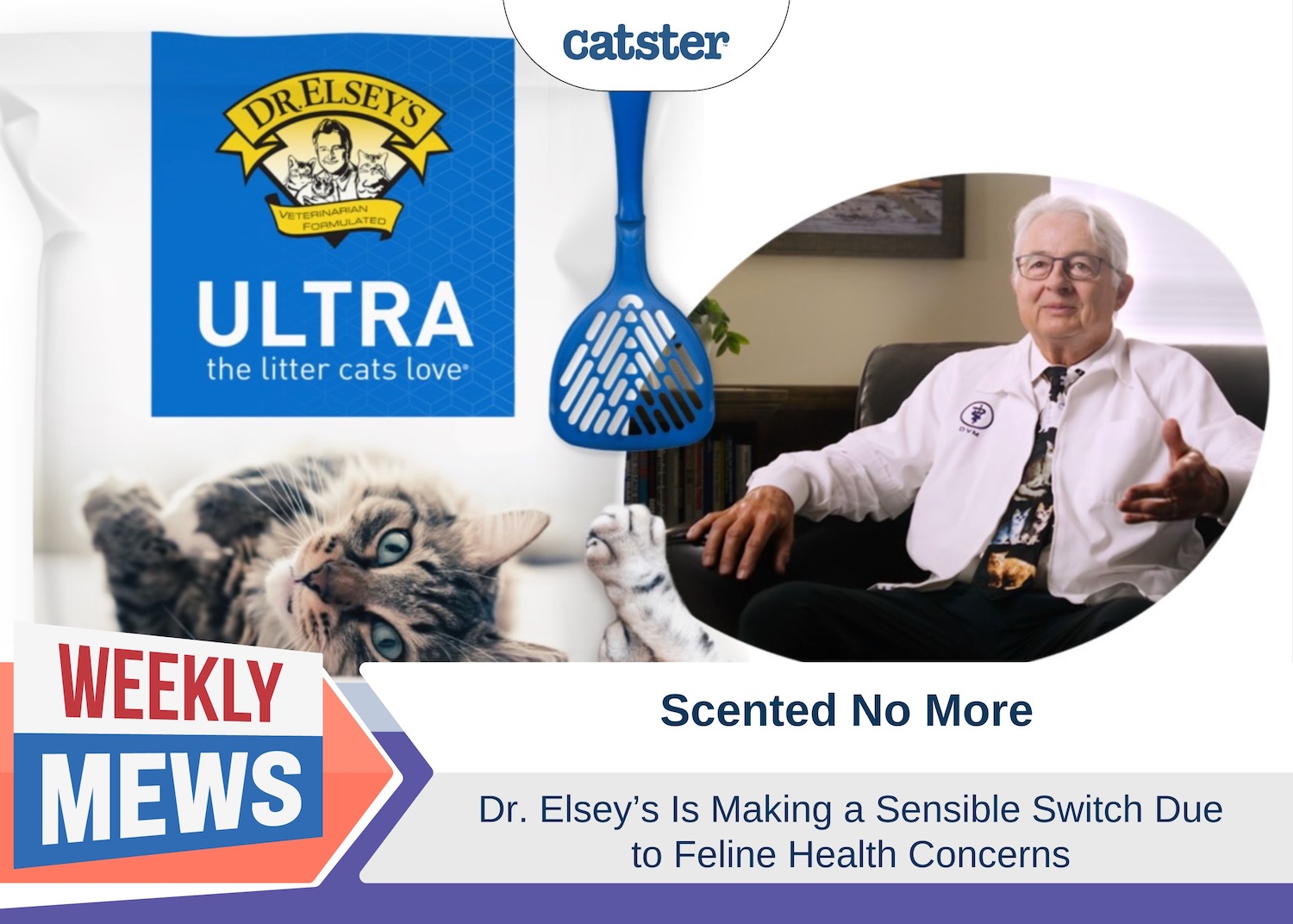
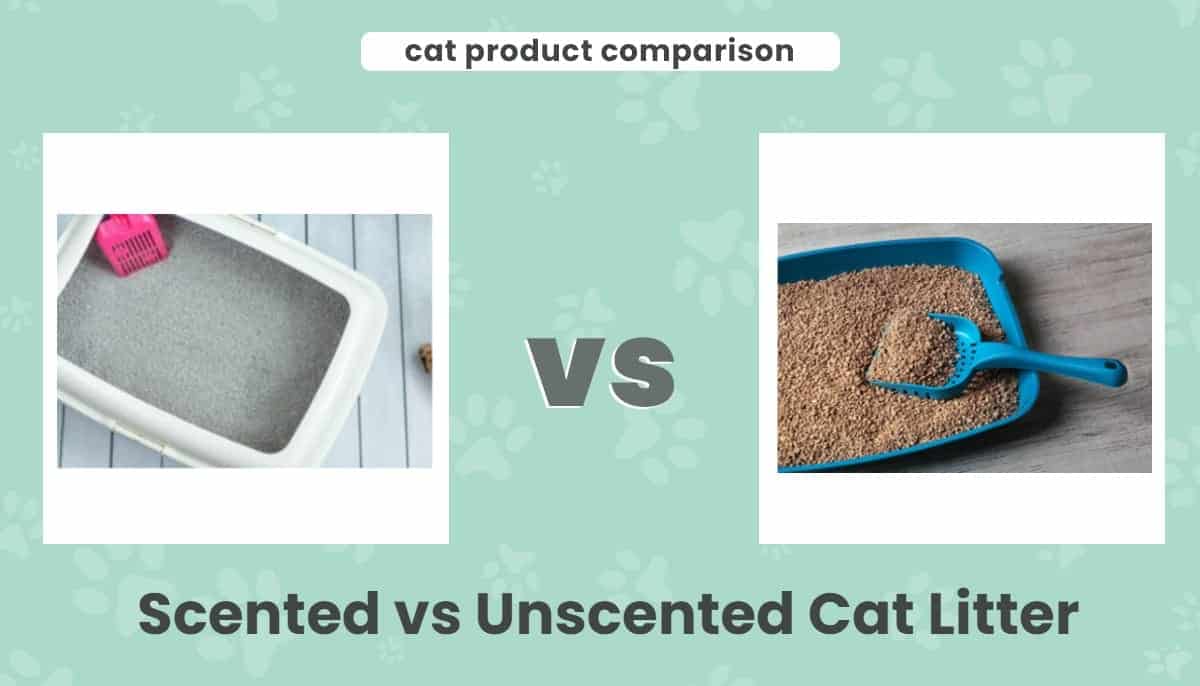
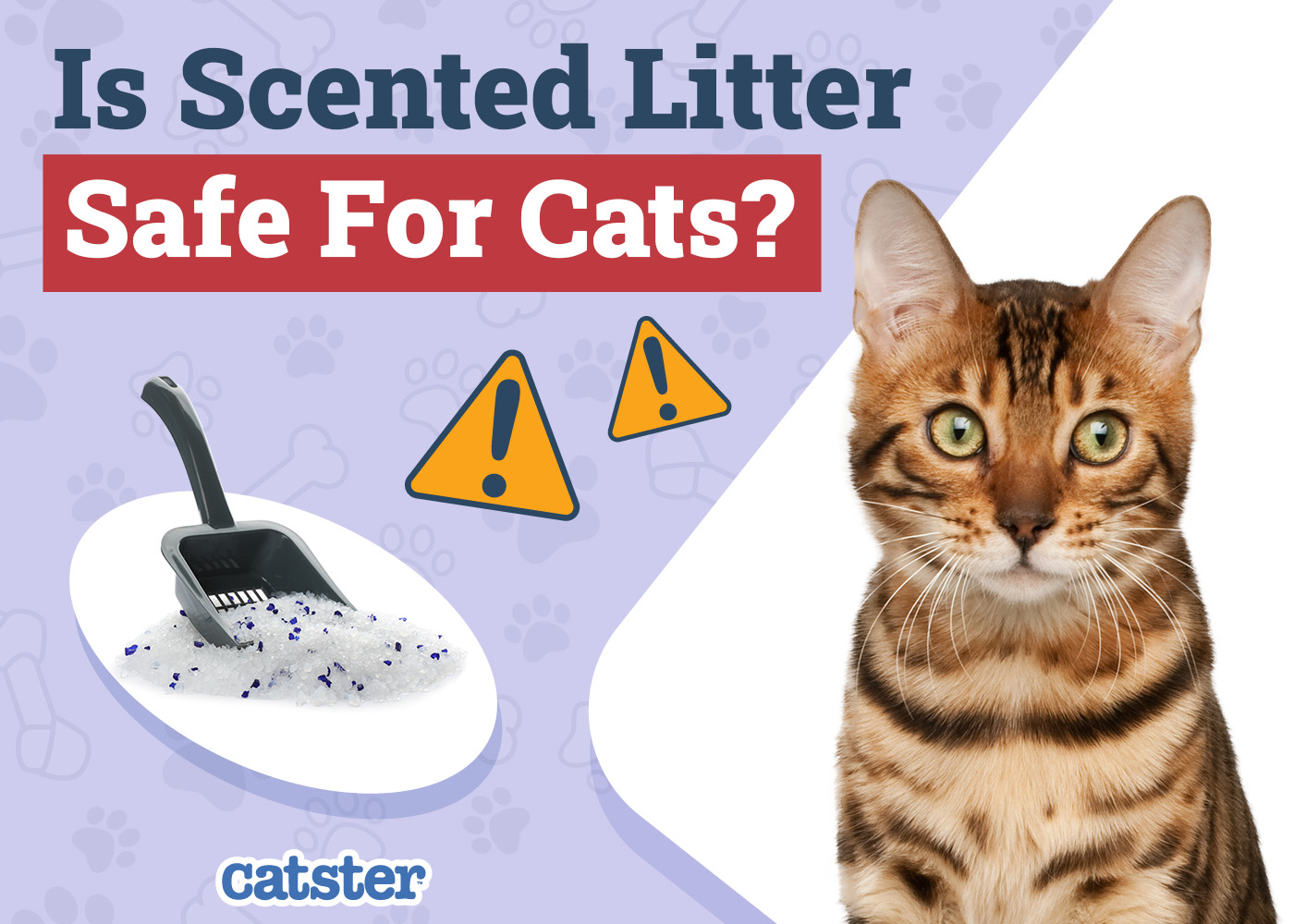
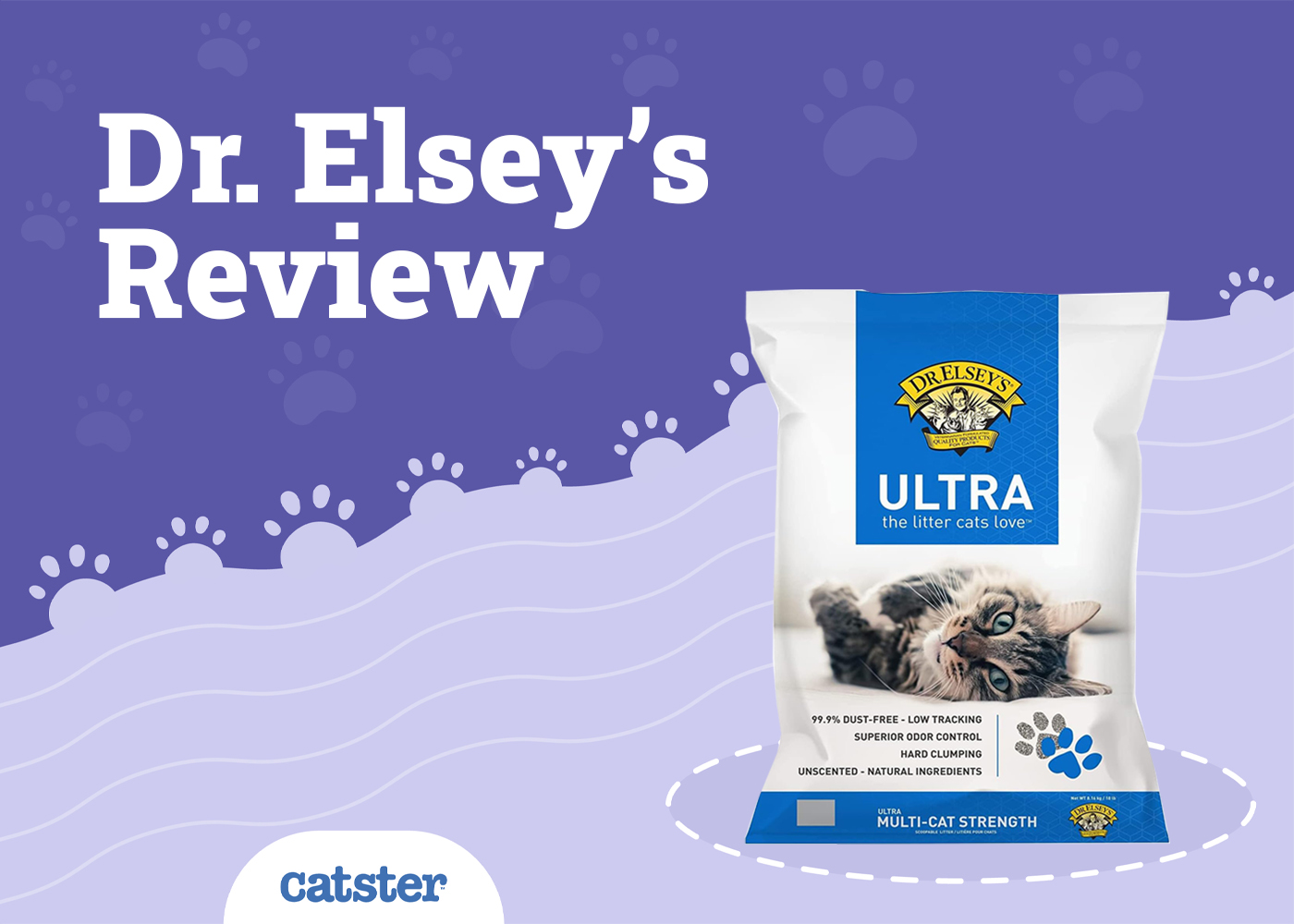
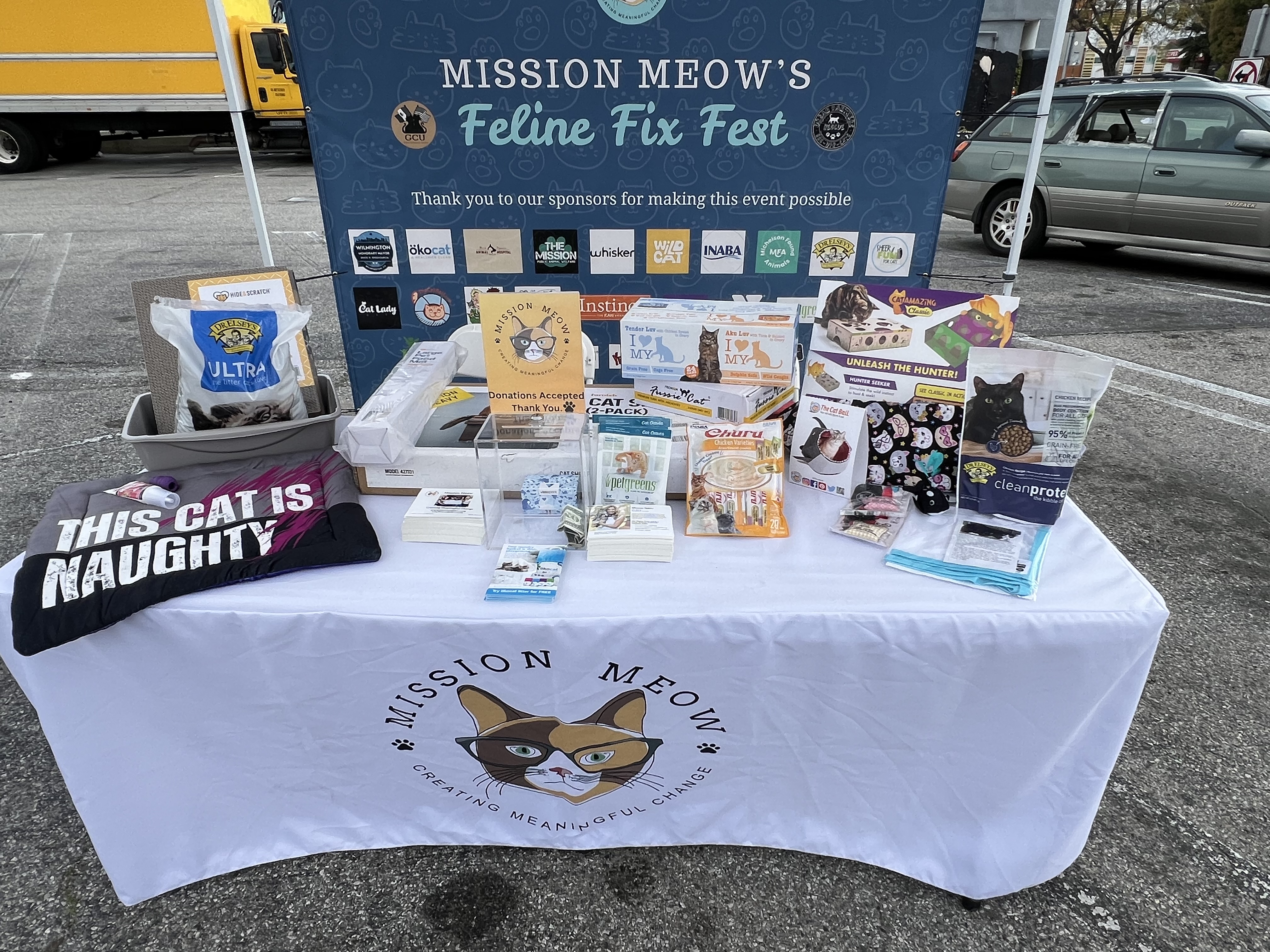
Dr Elsey’s has been a household name in cat food and litter for decades, but just because they’ve been around for a long time doesn’t mean they’re old news. In a surprise decision, the company, led by Dr Bruce Elsey, has decided to stop production of their popular Ultra Scented Cat Litter. This is not due to a problem with the litter itself, but is a reflection of research that suggests that scented cat litter may have a negative impact on feline health.
It’s not often that a sales-driven company prioritises the health and well-being of their customers (or in this case, customers’ pets) over profits, but this would appear to be exactly what Dr Elsey’s are doing.
We answer to our values, not profit margins. Being independent allows us to act quickly and decisively when we discover better ways to protect and care for cats. Discontinuing scented litter is one of those steps.
The Problem With Scented Cat Litter
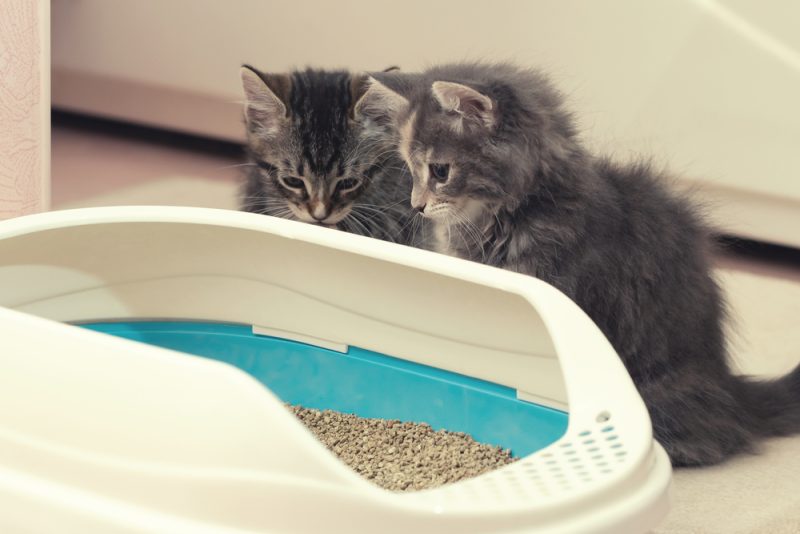
The unpleasant odors that emanate from the litter box are the bane of many cat guardians, with scented cat litter providing a welcome olfactory improvement. Although the scented litter is a big winner with consumers, research has shown that it’s not necessarily in the best interests of the cats using it.
With a sense of smell at least 14 times stronger than that of a human, cats rely on their nose to tell them information about the environment and those that share their space. The chemicals that improve the scent-appeal of cat litter for humans may mask important – albeit unpleasant – olfactory cues that are important to our feline companions.
Cats rely on their sense of smell to navigate their world, and artificial fragrances can significantly disrupt their instincts, causing stress and discomfort. We've always been committed to doing what's best for cats, and breakthrough scientific studies now show us that scented litters introduce unnecessary risks. We're acting on that knowledge and making this important change, and we are hoping and advocating that other manufacturers do what is right and follow our example.
Did you know a pet-safe litter additive can significantly reduce litter box smells? Learn about our favorites here!
The Possible Risks of Scented Cat Litter
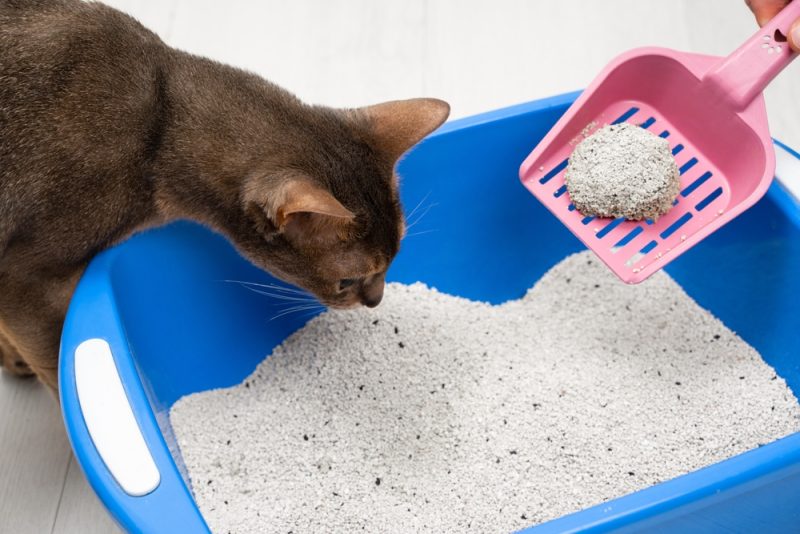
While there isn’t complete consensus on the subject, Dr Elsey’s has based their decision on a number of scientific studies that have indicated that scented litter may have a number of negative effects on cats, including:
Disrupting Natural Instincts: Cats use scent to detect threats and communicate. Strong artificial fragrances can overwhelm their sensitive noses, leading to anxiety and stress.
Triggering Feline Idiopathic Cystitis (FIC): Studies show that environmental stressors, including overpowering scents, contribute to FIC, a painful urinary condition that affects many cats.
House-Soiling and Shelter Surrenders: Stress from litter box aversion can cause cats to stop using their litter box, a leading cause of feline abandonment and surrender to shelters. By eliminating scents, Dr. Elsey's aims to reduce this heartbreaking issue and keep cats in loving homes.
While scented litter is a very popular option with cat owners, it is not the best for the cat and the household. The choice for us is simple, we will only produce products that help improve the lives of cats.
Reducing Odor Naturally
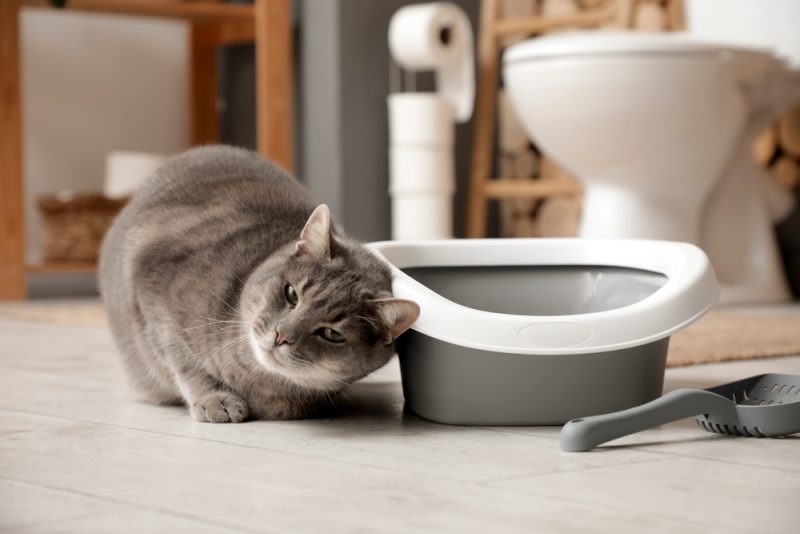
Fans of scented cat litter may be wondering how they can reduce the unpleasant smells that go hand-in-hand with a litter box, whilst putting their cat’s health and wellbeing first. Fortunately, there are plenty of things you can do to help keep your kitty’s litter from hurting your home’s olfactory profile.
Regular scooping and cleaning: litter boxes should be scooped and topped up at least once daily, litter changed weekly, and boxes completely emptied and cleaned at least once a month.
High absorption litter: the more urine is absorbed, the less smelly the litter will be. There are lots of different types of cat litter, with some being much better at odor control than others.
Litter box location: the ideal location for a litter box is somewhere away from busy, high-traffic areas, in a well-ventilated space. Choosing spots that are further away from commonly used areas like the kitchen and living room will help, too.
Litter box design: Closed-in litter boxes are popular for containing the smell, but we need to be mindful of how that affects our cats as well. If the litter box smell is overpowering when you lift the lid, imagine what it’s like for your cat. Litter boxes should have ventilation to help reduce the buildup of odors and allow them to evaporate.
Improve air quality: High humidity and low air movement will keep odors lingering, so consider placing a dehumidifier or air purifier nearby.
Check their diet: very pungent urine and extremely stinky poops can be an indicator of poor digestion, and a high quality, highly digestible diet can go a long way to improving the olfactory presence of your cat’s waste.
Should I Stop Using Scented Cat Litter?
Not necessarily. Although we can agree that scented cat litter has been designed with human needs in mind, it’s not necessarily a ‘bad’ or harmful product. As the old saying goes, “if it ain’t broke, don’t fix it,” and if your cat is using their scented cat litter with no signs of aversion or problems, there is no need to suddenly make a change. In fact, if they are accustomed to a certain product, a sudden change could also lead to problems.
Given the choice, however, it certainly stands to reason that it is better to focus on litter box smells through management and hygiene than to artificially manipulate the scent of the litter.
Do what's best for the cat—not just the owner. That's our commitment. We are dedicated to keeping cats happy, healthy, and in loving homes.
Wise words that apply to all aspects of pet care, not just litter management.
Did You Know?
- Our breaking news articles are featured in our weekly emails. Don't miss out on the latest and sign up for our newsletter below!

Expert cat care, straight to your inbox
Vet-reviewed advice, behavior tips, and the best of Catster. Free, and you can unsubscribe anytime.
By signing up, you agree to our Terms & Conditions and Privacy & Cookies Policy.
Dr. Karyn Kanowski BVSc MRCVS (Veterinarian)
Dr. Karyn comes from Queensland, Australia, and has lived in the UK for the past 10 years. In 2010, she graduated from The University of Queensland School of Veterinary Science and also has a Bachelor’s degree in Zoology. She is passionate about using evidence, experience, and owner collaboration to provide the best solutions for pets, and believes in making reliable information about animal health accessible to all. Dr. Karyn shares her home with five cats, four dogs, and one husband. When she is not in the scrubs, she spends her time writing, gardening, and cleaning up pet hair!
Join the conversation
Ask a question, share your story, or send private feedback.