Get

In Your Inbox

Catster is reader-supported. When you buy via links on our site, we may earn an affiliate commission at no cost to you. Learn more.

How to Get a Urine Sample From a Cat: Effective Vet Approved Tips & FAQ
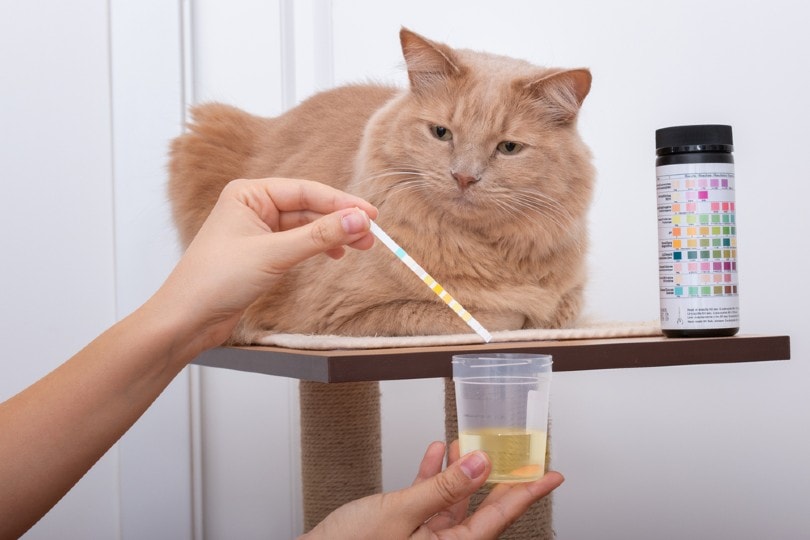
woman collecting urine sample of an orange cat

A urine sample can help a veterinarian check for various conditions in a feline’s urinary tract and kidneys. If your vet has asked you to bring in a sample of urine from your cat, you might be feeling a bit bewildered as to how to actually get one. After all, how likely is your cat to cooperate if you attempt to hold a collection pot under them as they pee?

Although you might be imagining all sorts of bizarre or messy scenarios, obtaining a urine sample from a cat is actually not that difficult. The only potentially frustrating aspect of the procedure is waiting for your cat to actually use the bathroom! Read on for the easiest way to get a urine sample from a cat.

divider cats oct 2024

Before You Start

This is a simple procedure, but you do need a few pieces of equipment, and there are vital steps you should take and things to keep in mind. The most important thing is to thoroughly clean your cat’s litter box—this will encourage the cat to use the bathroom and get rid of any dirt or feces that may contaminate the urine.

If your cat does poop before urinating in the litter box you’ve cleaned for the purpose of urine collection, remove it and any surrounding litter to avoid contamination. Try your best to remove any traces of the cleaning products that you used, as these can also affect the sample.

How to Get a Urine Sample From a Cat

Most veterinarians will request a fresh sample. It must be in an appropriate sample pot and collected with a dropper or syringe. If your vet didn’t give you a sample pot, a clean jar can be a substitute, but you should double check with your vet.

What You'll Need
  • A sample pot/glass jam jar
  • A dropper/syringe
  • A clean, dry litterbox
  • Non-absorbent cat litter/shredded magazine paper
  • Gloves
Steps
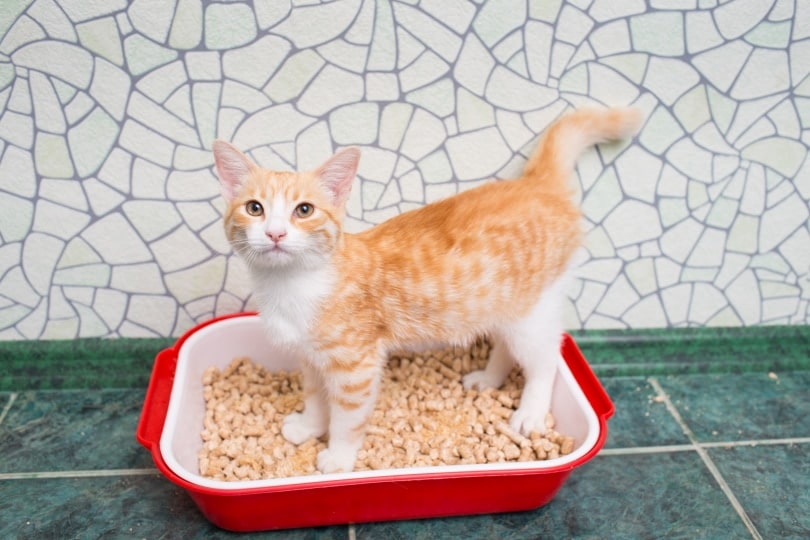
  • After thoroughly cleaning the litter box, fill it with a good helping of non-absorbent litter. You should use non-absorbent litter to avoid the sample getting soaked up before you can collect it. If you don’t have any, you could use shredded paper from an old magazine.
  • Wait for your cat to use the litter box. You may need to wait for a while—unfortunately, there aren’t many ways to encourage a cat to pee if they don’t want to. Just offer clean water or plenty of wet food throughout the day as usual, and wait it out.
  • Once your cat has urinated, put on your gloves, and suck up some of the urine with the dropper.
  • Empty the contents of the dropper into the container. Label the pot with your pet’s name and the time the sample was collected if your vet has provided you with a label to stick on.
  • Take the sample to your vet as soon as possible. If you can’t take the sample immediately, put it in the refrigerator to keep it cool.

divider cats oct 2024

How Much Urine Is Needed for a Sample?

Not much. As a rule, around 1–2 ml should be sufficient, though in some cases, your vet may need a larger sample. This depends on whether the test will be done in-house or needs to be sent to a laboratory.

cat owner collecting urine sample from her pet cat
Image Credit: Yaya Photos, Shutterstock

What If I Can’t Collect a Urine Sample?

If you’re unable to collect the sample for any reason, speak to your vet, and they’ll be able to advise you and help you out. Sometimes, a vet will invite you to leave your cat at the clinic for a day so the staff can collect the sample there. In some cases, vets will extract the sample from the bladder itself rather than doing so externally; this is called cystocentesis.

Why Does My Vet Need a Urine Sample?

Your vet could ask for a cat urine sample for a variety of reasons, including the need to check for:
Conditions vets may be looking for when examining a urine sample include:

divider cats oct 2024

Final Thoughts

Getting a urine sample from a cat is pretty straightforward. Granted, your cat may make you wait a while for that sample, but apart from that, you should be able to collect it without too much stress. As long as you’ve got a spotless litter box, the right kind of litter, and a whole lot of patience, you’ll be just fine!

Remember, don’t worry if you’re having a really hard time collecting a sample—your vet is always there to help.

Related Read:


Featured Image Credit: Yaya Photos, Shutterstock

Want content like this delivered to you?

Sign Up For Our Newsletter

News, insights, expert advice, and everything cat

* By submitting, you agree to our Terms & Conditions and Privacy & Cookies Policy.


How useful was this post?

Click on a star to rate (you can leave written feedback after clicking submit)

Help us improve Catster for pet parents!

Your feedback really matters.

What did you like about this post? Also how can we improve it?

Join the conversation

Leave a Reply

You’re very welcome to leave a comment or question. Please know that all comments must meet our community guidelines, and your email address will NOT be published. Let’s have a positive and constructive conversation.


Talk With A Vet Online

Peace of mind,
anywhere, anytime

Affordable vet advice

Tabby vs. Calico Cats: What’s the Difference? (With Pictures)

Tabby and Calico cats are not breeds, but rather types of coats that cats of various breeds may have. That said, there is...

How Often Should I Brush My Cat? Vet Approved Advice

If you’re a cat parent, you’re familiar with the lovely moments you spend brushing your cat while they purr away contentedly. Or, if...

4 DIY Cat Bridges You Can Build Today (With Pictures)

Our cats love to hang out in weird places. With some kitties, it seems like the higher up they can get, the more...

Do Cats Have Hair or Fur? Vet-Verified Facts & Info

Having hair is one of many characteristics that distinguish mammals from other classes of animals, such as reptiles and birds. Other traits include...

More related

Do Feral Cats Hunt In Groups Or Share Their Kill? Facts & 3 Ways to Help

Feral cats don’t usually hunt in groups. Most prefer to catch prey on their own, and sharing food is mostly limited to feral...

How Do I Calm a Feral Cat? 5 Steps That Can Help

Have you ever interacted with a feral cat? “Interacted with” might not be the right wording, as feral cats will often not let...

How to Tell if Your Cat Has Separation Anxiety: 8 Vet-Reviewed Signs to Look For

You may have heard about dogs having separation anxiety, but this condition can affect cats, too. If you’re wondering if cats can have...

Cats and Countertops: What Olga Gets Away With

Hi, I’m Christopher! Read my introduction to learn more about me and my silly Russian Blue cat, Olga. Due to their climbing and...

Keep reading

Why Does My Cat Sit On Me All The Time? 6 Vet-Verified Reasons

Cats, for the most part, are not always the most affectionate creatures in the world, and for many cat lovers, this is precisely the reason for owning one. Dogs are enthusiastic and affectionate to the point where it can become...

Can a Litter of Kittens Have Different Fathers? Vet-Verified Facts & FAQ

Most of the time, littermates resemble each other a great deal, sharing colors and body shapes at the very least. But sometimes surprises crop up, with one or two kittens who look different from their siblings. So, what could be...

tabby mother cat feeding her kittens

Are Hostas Poisonous to Cats? Our Vet-Approved Advice

There are some houseplants that are fine to have around your house. But unfortunately, hostas are not one of them, as they are poisonous to cats. If your favorite feline companion gets into your hosta, they’ll probably experience vomiting and...

Catster_Are Hostas Poisonous to Cats

Can Cats Drink Vegetable Oil? Vet-Approved Diet Facts & FAQ

Cats are curious creatures that like to put their noses, mouths, and paws everywhere. Moreover, cat parents who cook a lot know how difficult it is to keep their feline’s inquisitive nose out of their kitchen! But if your cat...

Can Cats Drink Vegetable Oil

Why Does My Cat Paw Under The Door? The Reasons For This Behavior (Vet-Verified)

If you are sitting in your room with the door closed and hear a scratching sound, chances are you’ll know what’s causing it if you own a cat. A small furry paw from under your door may be a common...

cat paws under the door

Can Cats Eat Cumin? Vet-Reviewed Facts & FAQ

If you’re fond of giving people food to your cat now and again, you’re likely always on the hunt to discover what’s safe to feed them and what isn’t. While some people foods are okay for your kitty to eat...

Can Cats Eat Cumin

Are Tomato Plants Toxic to Cats? Vet-Reviewed Houseplants Examined

There’s nothing more exciting than welcoming a new cat into your life. Having a pet involves taking good care of it and buying the proper cat food, plenty of kitty litter, and some toys. If you plan on allowing your...

Catster_Are Tomato Plants Toxic to Cats

Is Your Cat Your Bathroom Buddy? 7 Vet-Reviewed Reasons Why Cats Sit At Your Feet

If you’re a cat owner, you know how much your feline loves to join you in the bathroom. Your cat often interrupts what feels like a private and quiet time, leaving you with the question, “Why does my cat sit...

light grey cat with rubber ducky bath bathroom shampoo