How to Get Your Cat to the Vet: 6 Vet-Approved Tips If They Really Don't Want to Go


In this article
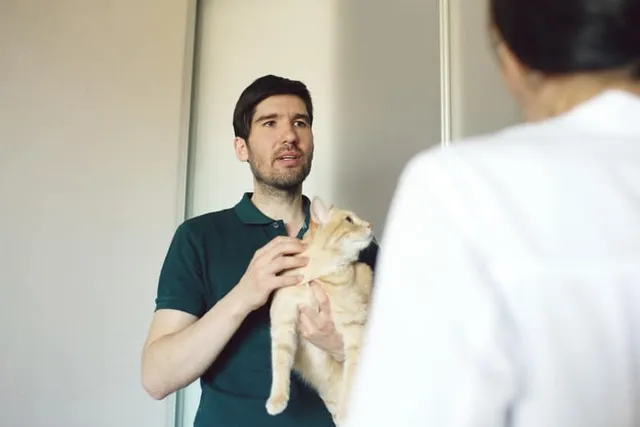
Going to the vet will be a routine (but hopefully not regular!) part of your cat's life, but they might never acclimate well. Many cats do not like going to the vet as it raises several anxieties. It changes their environment, forces them to experience other smells from strange animals, and can make them very nervous, especially if they are rescue cats. They may also be suffering from pain or illness, making the trip even worse for them.
In this article, we aim to go over some helpful tips on getting your cat to the vet, even if they are extremely hesitant or resistant. These tips work only in preparation for routine vet trips, and not in the emergency situation. However, if you put in the work early on in your cat’s life, when an emergency does arise, they will be more familiar with their cat carrier and the veterinary practice.

The 6 Tips to Get Your Cat to the Vet
1. Don’t Prepare Quickly
Don't make the mistake of shoving your cat into a carrier and strolling off without a thought. Your cat needs time to prepare, and so do you. Even though you know you have a vet appointment on Thursday, your cat doesn't understand this.
They are afraid, uncertain and sometimes poorly, and there is no language on earth to communicate with them to let them know everything will be okay. So, have a little compassion and understanding when it comes to these sudden changes you’re about to put on your cat. Get your cat familiar with their carrier and car rides long before the appointment.
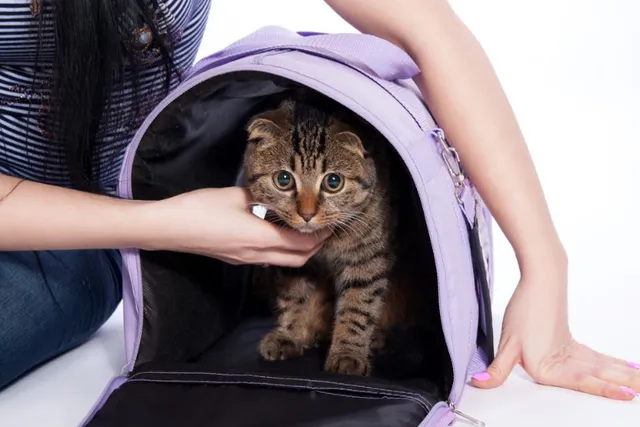
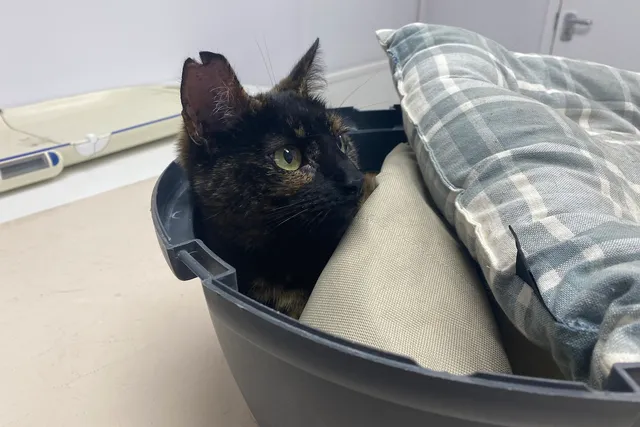
Cat carriers are often placed in the shed or garage, and only brought out for vet visits. A good idea is to make the car carrier a part of the furniture and somewhere your cat goes to rest on a normal day. This will mean that when the cat does need to go to the vet, it will already be used to the carrier.

2. Pay Attention to Your Cat First
Spend some time with them before putting them in a carrier. Make sure they have all of their boxes checked for the day. Relax with your buddy a bit—get them fed and comfy. Then, you can slowly start to navigate towards your travel method.
3. Coax Them with a Favorite Snack
Everyone knows the way to a cat's heart is through their belly! They’re a lot more like men than we give them credit for. So, if you’re having trouble, maybe try rattling a bag of their favorite treats. This will get their attention, motivate them to get into the carrier, and the two of you can be on your way. Everyone wins!

4. Use a Suitable Carrier
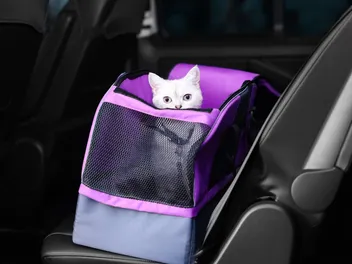
Not all carriers are built the same. Some of them are more suitable than others. For example, some people choose mesh and nylon carriers to encourage airflow while providing a more comfortable and collapsible design. However, these soft carriers can collapse in on themselves when opened, causing distress to your cat. They are also difficult to clean.
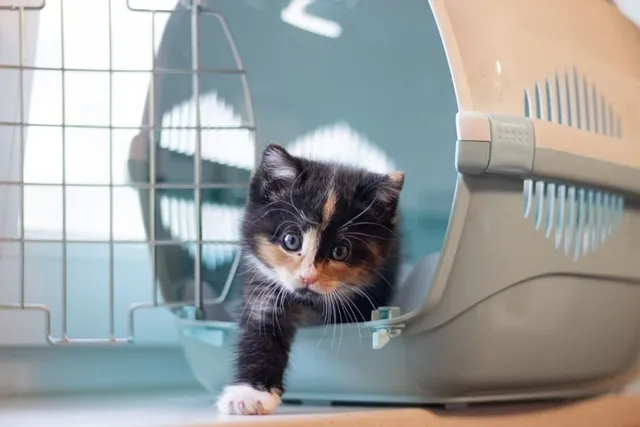
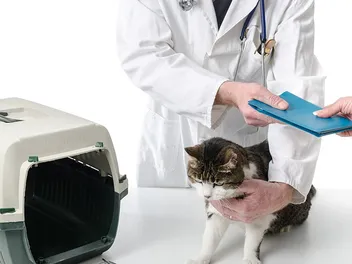
Hard carriers are very long lived, but they are more difficult to store or carry. The bulkiness can make it a challenge, and they can be quite heavy for some people—especially if you have a full grown cat, adding 15 pounds to the equation. However, these are the preferred option for transporting cats to the vet. They should have a removable top half, to allow your cat to be examined by the vet while staying in the familiar surroundings of their own box.
Make sure the carrier is car safe and well secured while you are on the road. A good place for the carrier is in the foot-well, behind the front seat.
A leash, harness, or holding your cat in the car and vet waiting room is not a safe option. In the car, they have no protection in the case of an accident, and in a waiting room, cats are likely to try to escape, which may mean a loose cat in a waiting room full of dogs, or even worse, an escape onto an unfamiliar road. Cat carriers that are well designed, and that are covered with a light blanket are more of a safety zone to a cat than being on a harness.

5. Explain the Situation to Your Vet Beforehand
Give the vet's office a call before you come in. Ask for any tips and tricks that they might have. Explain your cat’s personality type and see what they recommend. If you have a particularly scared cat, they might give you a few pointers or even prescribe medication to reduce your cat’s anxiety for events such as this.
It's good to bring up so that your practice knows what to expect when you arrive. If your cat is very anxious, you can be shown into an empty room, away from dogs and other cats. Some cat friendly practices have special waiting areas and shelves to place your cat carrier so that your cat is off the ground and away from other animals.
6. Consider a Calming Supplement
Calming supplements that can decrease a pet's anxiety are available online from a vet or from most pet stores. They come as tablets, wipes, sprays or plug-ins. The sprays, wipes and plug-ins are usually made of synthetic pheromones, which help to reduce stress. Not all cats will respond the same way to calming supplements, so it might be something you should try before the day of the vet trip. The sprays are useful to spray inside the carrier about 15 minutes before you plan to leave.
If your cat has been particularly anxious one day, use the supplement you have to see if you notice an improvement. That way, when the time comes to go to the vet, you’ll know whether it’s worth the trouble.
If you ever have issues taking your cat to the vet, we recommend trying meeting with a vet online.
Importance of Vet Care
Vet care is critical to a long, healthy life for your cat. Taking your animal to the vet will ensure that you get ahead of any developing health conditions to ensure they're treated promptly. Often, it is a lack of care that allows diseases to progress until they are untreatable.
You should always take your cat to the vet yearly for their annual checkups. So don't let your cat's resistance deter you from going. It might be a task, and they might not like it, but they definitely need it.
Selecting Pet Insurance
Have you opted for a health insurance plan for your cat? It's becoming increasingly popular for pet parents to do so. Pet insurance provides financial cover if your cat becomes ill, gets injured or has an emergency. Different plans with different companies cover different things so it is vital that you read the small print before taking out a policy. Certain plans will cover wellness visits, prescription cat food and alternative treatments like physiotherapy, and others will not.
You can easily add your cat to an existing policy if you have one with a company that supports pet insurance. Some examples of this would be Nationwide or Progressive. If you don't already have a policy with a company that offers coverage, it's very easy to get a quote from specific pet insurance companies.
Some popular choices include:
- Spot Pet Insurance
- Bivvy Pet Insurance
- Lemonade Pet Insurance
- ASPCA Pet Insurance
- Fetch Pet Insurance
- Pumpkin Pet Insurance
Vet bills can be very expensive—especially for emergencies. Pet insurance gives owners peace of mind.


Conclusion
So, now you can take your fearful feline to the vet without too much trouble. It isn’t always easy, but it can certainly be manageable. Going to the vet is a crucial part of your cat’s life—and not something that should be skipped if your cat is just a little vet-shy.
Remember that the vet's office can be very stimulating, and the ride alone is usually bad enough for our cats. So, always work with your cat, not against them. If the anxiety is too bad, ask a vet for a prescription or advice on a suitable anti-anxiety supplement.
See also:
Sources
Featured Image Credit: Maria Sbytova, Shutterstock
Expert cat care, straight to your inbox
News, insights, and useful advice, delivered to you.

No spam — unsubscribe anytime.
By signing up, you agree to our Terms & Conditions and Privacy & Cookies Policy.
How useful was this post?
Click a star to rate. You can leave written feedback afterwards. (We read all feedback.)
As a freelance dog writer and passionate pet enthusiast, Ashley Bates is pursuing studies in animal therapy. A mother to four human children and 23 animal companions, Ashley is dedicated to volunteering at shelters, advocating for animal rights, and rescuing animals in need. Her goal is to spread awareness, provide education, and offer entertainment about pets to reduce homelessness. Ashley's specialties include dogs and cats.