Why Are Some Cats So Fractious During Vet Visits? Our Vet Explains

In this article
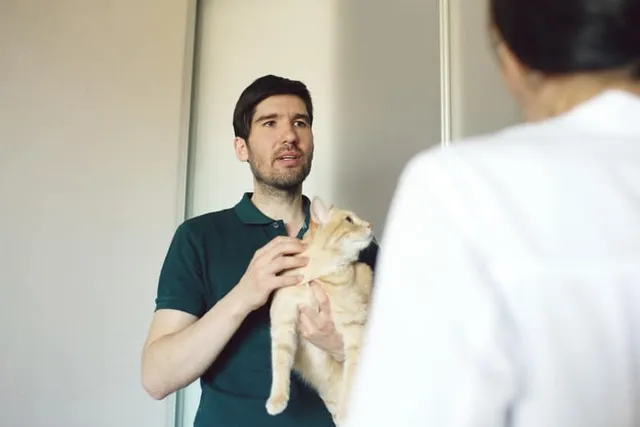
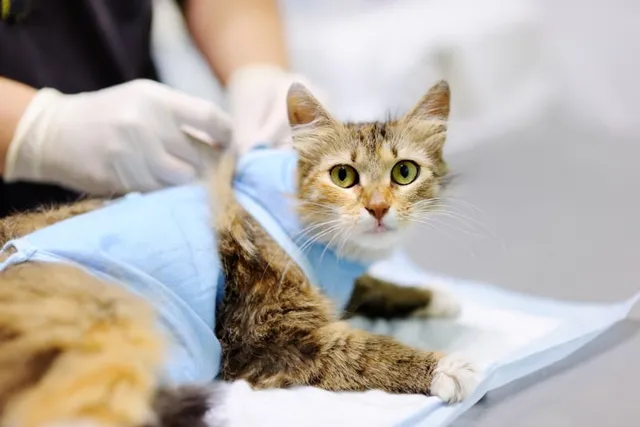
For many cats and their owners, a visit to the vet is a very stressful experience. Some cats do not mind the trip and may even enjoy themselves with all the extra cuddles and chin scratches. Other cats will become extremely stressed very quickly and will not tolerate an examination in any shape or form. This can be incredibly frustrating for both owners and veterinary staff, especially if the cat is ill and needs tests or treatment carried out. Both vets and owners must understand this behavior and the reasons behind it. This will allow all parties involved to ensure that the vet visit is as calm and stress-free as possible.

What is a Fractious Cat?
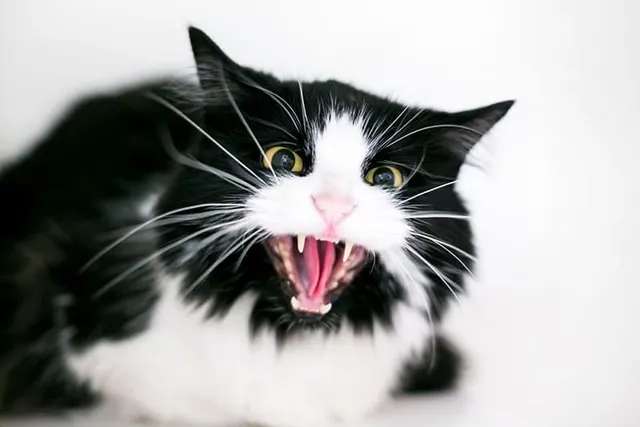
A fractious cat is a term used to describe a cat that gets easily irritated, agitated, and/or shows aggressive behavior. Typically, this behavior includes:
- Hissing
- Swiping with paws
- Scratching
- Biting
The behavior can be directed toward fellow cats, other animals, or humans. Fractious cats are quick to react to their surroundings and will often seem overstimulated.

Signs of a Fractious Cat
Initial signs of a fractious cat at the vet can include:
- Refusing to make eye contact
- Crouching at the end of their cat box or basket
- Unwillingness to come out of cat box/basket
- Keeping their tail close to their body
- Flicking their tail
- Holding themselves away or moving their head to hide
- Flattened ears
- Dilated pupils
- Panting/increased respiratory rate
- Trying to escape
- Hair standing on end
- Vocalization (hissing, growling, yowling)
- Scratching/biting
If your pet is showing these signs, we suggest you speak to a vet.
What Are the Reasons for Fractious Behavior in Cats?
There are a few very good reasons cats may come across as fractious. The more common reasons are listed below.
1. Fear
Cats are generally very sensitive creatures and constantly react to things in their immediate surroundings. They can easily become frightened by being in a new place, encountering new people, or having new experiences. When visiting the vet, they are typically presented with a new environment with lots of strange smells. There will possibly be other cats there that they have never met before. They will meet and be handled by a new person who is not their owner and that they are not familiar with.
Often, unless there is a designated cat waiting area in the practice, cats will be sat in the waiting room next to noisy barking dogs. This can be very frightening.

2. Anxiety
When a cat is anxious, they will show fractious behavior. They are more likely to attack or show signs of aggression as they think they are defending themselves or escaping from whatever is the source of their anxiety.
3. Pain
If your cat is in pain in any way, they are more likely to demonstrate fractious behavior. Their instinct to protect themselves will take over and they will typically lash out and become aggressive. Cats suffering from medical conditions such as arthritis, kidney disease, urinary tract infections, and dental disease are often not visibly injured but are experiencing a considerable amount of pain.
4. Illness
If your cat is sick in any way, they will show more fractious behavior. Your cat may be experiencing physical changes due to an illness such as extreme fatigue, nausea, and fever. This can cause them to feel irritable and make them less tolerant of people trying to handle them. Some illnesses can cause dramatic behavioral changes making them more likely to be aggressive or reactive.

5. Lack of Social Skills
If a cat has not been properly socialized as a kitten, they are much more likely to be anxious and frightened in new situations with strangers. Cats that have not been socialized may be more apprehensive towards other unfamiliar animals and people. They are also likely to have difficulty adapting to change which can lead to more fractious behavior.
6. Behavioral Issues
Cats that have underlying behavioral problems can often act more fractious. Bear in mind that the fractious behavior may be a sign of a more serious behavioral issue that needs to be investigated by your vet before more trauma is caused.
Why Are Cats So Fractious at Vet Visits?
There are a few good reasons why cats may show fractious behavior when they attend the vet clinic. It is a unique situation that presents many stressors to them.
- Unfamiliar territory: Firstly, it is a place with unfamiliar smells, sounds, and sights. This can be very overwhelming as cats are territorial animals and feel secure in familiar surroundings.
- Cat carrier and transport: Getting your cat into a car box or carrier and putting them into a vehicle can be extremely disruptive and stressful for them. They may suffer from motion sickness on the journey. They will often associate the sight of the carrier with a negative experience as they remember being taken to the vet in it.
- Restraint: When vets need to safely examine your cat, often physical restraint is required. This can be frightening for cats as they feel they are under attack and need to defend themselves.
- Negative experiences: Your cat may associate the vets with a previous negative experience where they were in a lot of pain, for example being neutered or having a microchip implanted. They will remember this, and it can make them stressed and anxious.
- Individual personality: Some cats cope much better in certain situations than others. This can depend on how confident and outgoing they are. Each cat is different.
How to Manage a Fractious Cat
1. Identify Potential Triggers
The first and most important thing to do is to try and identify any potential triggers that may cause your cat to become fractious. The trigger may be something as simple as being stroked or touched in a certain place. Once you have identified the trigger(s), whenever possible you can try to avoid them or at least help your cat to cope with them.
2. Speak to Your Vet
It is important that any underlying health issues are ruled out as this may be the cause of fractious behavior in cats. For example, if they are sore or have an issue that alters their behavior.

3. Keep Calm
It may sound trivial, but if you are calm and gentle when your cat is fractious, it will help calm them down to a certain extent. Showing aggression and raising your voice is guaranteed to stress your cat out and make the situation worse.
4. Make Sure Your Cat Has a Safe Space
Your cat needs a space that they can go to where they feel secure and safe. This will help them cope better as they will be able to remove themselves from a stressful situation they might be presented with.

5. Consult an Animal Behaviorist
If your cat's fractious behavior is out of control, it might be worth contacting an animal behaviorist to seek professional help. Your vet will also be able to help you with certain behavioral matters.
Tips for Dealing with Fractious Cats Before a Vet Visit
- Give your vet a full clinical history. Let them know exactly why you need to visit your vet. Try and give as much detail as possible. Do you think your cat may be in pain? Let your vet know if there is a specific area that you think might be bothering them, for example, an injured leg or paw. A checkup for vaccinations is likely to be quicker, less stressful, and potentially less painful than an examination that requires blood tests and other diagnostics.
- Advise your vet on any past experiences. If your cat usually does not tolerate an exam let your vet know. If there are any specific behaviors they display only in the vet, mention them before you get your cat out in the consulting room. Be aware that some cats may never show any fractious behavior at home, but they may get stressed at the vet due to past experiences they have had there.
- Let your vet know if your cat prefers to have minimal restraint or if they respond better to being wrapped in a towel, for example. Some cats feel safer this way. Others will really dislike it.
- Enquire if your vet has any equipment that will make the examination less stressful for your cat. For example, ear thermometers instead of rectal ones.

Conclusion
If you are worried about your cat's fractious behavior, it is very important to speak to your vet about your concerns. There are many ways fractious cats can be managed and the more owners do to help their cat, the better chance they have of receiving the best veterinary care at a visit. Your vet will need to rule out any underlying disease and treat it accordingly.
Sources
Featured Image Credit: Trac Vu, Unsplash
Expert cat care, straight to your inbox
News, insights, and useful advice, delivered to you.

No spam — unsubscribe anytime.
By signing up, you agree to our Terms & Conditions and Privacy & Cookies Policy.
How useful was this post?
Click a star to rate. You can leave written feedback afterwards. (We read all feedback.)
Dr. Emma Chandley, BVM MRCVS (Veterinarian)
Dr. Emma is an experienced vet who is happy to share her expertise and knowledge about cats with readers. Her passion is surgery but she will happily talk about anything animal-related. Dr. Chandley graduated from The Royal Vet College and since then she has worked in general practice in Great Britain. Dr Chandley has completed a postgraduate certificate in Small Animal Surgery and has also gained Advanced Practitioner status in the same discipline. She enjoys developing her skills in animal behavior, nutrition, and clinical pathology as well.