Ask Dr. Paola – Help! How Much Pee Is Too Much Pee? (July 13, 2026)

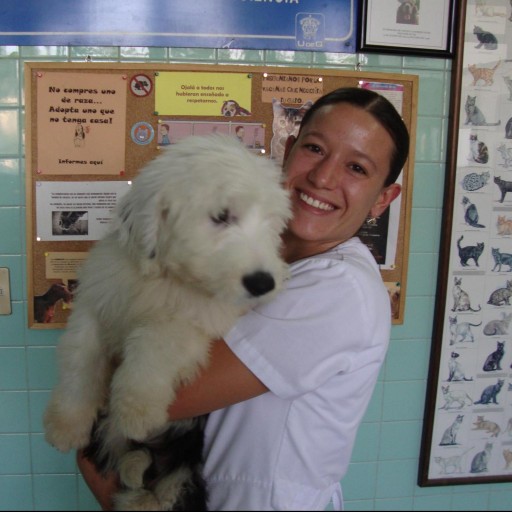

Welcome to our "Ask Dr. Paola" series, where every Monday we bring expert advice straight from Dr. Paola Cuevas (MVZ) to help our readers better understand their cat's health and well-being.
Whether you're a new pet parent or a seasoned cat lover, Dr. Paola is here to provide answers to your most pressing questions. From nutrition tips and preventive care to troubleshooting common behavioral issues, Dr. Paola is ready to offer insights that will keep your kitty happy, healthy, and feline fine. Stay tuned for expert guidance on a range of topics that matter most to you and your cat, so you can make informed decisions and provide the best possible care for your furry companion.
Have a question? Send it in here!

HELP! How Much Pee Is Too Much Pee?
"Hi Dr Paola,
My female cat, Kiwi, is 15 years old and has always loved water and drinking it. She eats dry food. I’ve noted she’s urinating 5 times a day. Is this within range for the amount she’s urinating?"
- Ange
Hi Ange!
Five trips to the litter box each day doesn't automatically fall outside the normal range, especially if Kiwi has always loved drinking water and eats a dry food diet. Cats can vary quite a bit in how often they urinate, so the number of visits to the litter box is only one piece of the puzzle. What matters more is whether she's producing unusually large amounts of urine and if her water intake has increased compared to what has always been normal for her.
As a general guideline, healthy cats drink around 40 to 60 mL of water per kilogram of body weight each day, although cats eating dry food often drink closer to the higher end of that range because kibble contains very little moisture. Consistently drinking more than 100 mL/kg/day is considered excessive and deserves further investigation. Normal urine production is approximately 20 to 45 mL/kg/day, so for a 4.5 kg (10 lb) cat, that's about 90 to 200 mL of urine per day. Since most pet parents aren't measuring urine output, the litter box can provide helpful clues. Five average-sized clumps spread throughout the day could be completely normal, whereas several very large, heavy clumps may suggest she's producing more urine than expected.
Because Kiwi is 15 years old, it's also worth considering whether this is simply her lifelong habit or a recent change. Increased thirst and urine production are common early signs of conditions such as chronic kidney disease, hyperthyroidism, and diabetes mellitus, all of which become more common as cats age. If you've noticed she's drinking more than she used to, the urine clumps have become larger, or there have been any other changes in her appetite, weight, or energy level, I'd recommend scheduling a veterinary examination. A physical exam, blood work, and a urinalysis can help determine whether her drinking and urination are normal for her or if there's an underlying condition that would benefit from early treatment.
I hope this helps!
- Dr Paola
This article is a part of our weekly Ask Dr. Paola series

Expert cat care, straight to your inbox
Vet-reviewed advice, behavior tips, and the best of Catster. Free, and you can unsubscribe anytime.
By signing up, you agree to our Terms & Conditions and Privacy & Cookies Policy.
As a certified cat-lover, Radim was excited to join the Catster team on the mission to help all the cat parents in the world by providing useful and helpful information. He used to live with two wonderful cats before embarking on his travels around the world. Radim currently lives in Slovakia, surrounded by nature and his neighbors' cat community.
Join the conversation
Ask a question, share your story, or send private feedback.