Get

In Your Inbox

Catster is reader-supported. When you buy via links on our site, we may earn an affiliate commission at no cost to you. Learn more.

Subtle Signs Your Cat Might Have Diabetes That Vets Urge You to Check


Share

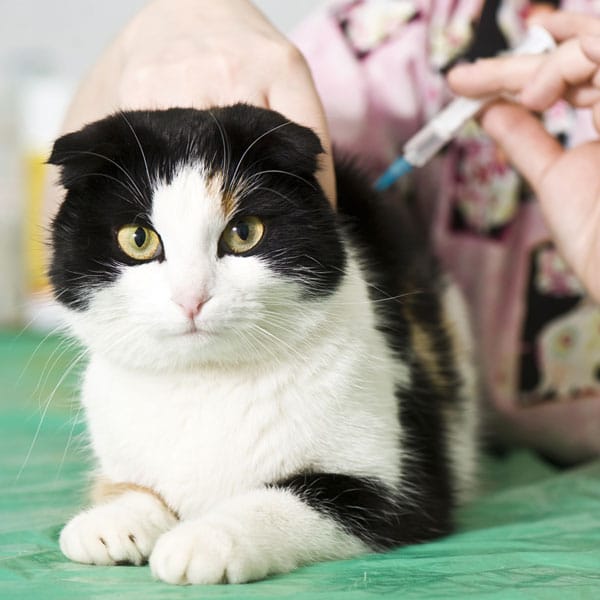
Cat with diabetes getting injected with needle

If your cat’s been drinking more water lately or sleeping a bit too much, you might just chalk it up to age or laziness. But here’s the thing: subtle changes in your cat’s habits can sometimes signal something serious—like diabetes.

Feline diabetes affects about 1 in every 100 cats, and while that number might sound small, it’s more common than you’d think, especially in older or overweight kitties. The good news? When caught early, it’s very manageable, and your furry friend can still live a long, happy life.

Let’s go through seven signs that may indicate your cat could have diabetes and what you should do if you spot them.

divider cat paws oct 2024

The 7 Hidden Signs of Feline Diabetes

1. Frequent Urination (and More Thirst Than Usual)

If your cat is suddenly camping out by the water bowl or visiting the litter box nonstop, your alarm bells should ring. Diabetes often causes increased thirst and urination because your cat’s body is struggling to balance blood sugar levels.

Tip: Keep an eye on how often you’re refilling the water dish—or scooping the litter box. Any big change is worth a call to your vet.


2. Lethargy or Weakness

Has your normally playful cat turned into a couch potato? Diabetes can zap your cat’s energy, leaving them tired or wobbly. Some cats may even walk flat on their hind legs (a plantigrade stance) or stumble due to nerve issues caused by high blood sugar.

Tip: If left untreated, this weakness can lead to permanent hind-leg paralysis. The sooner you act, the better your cat’s chances of recovery.

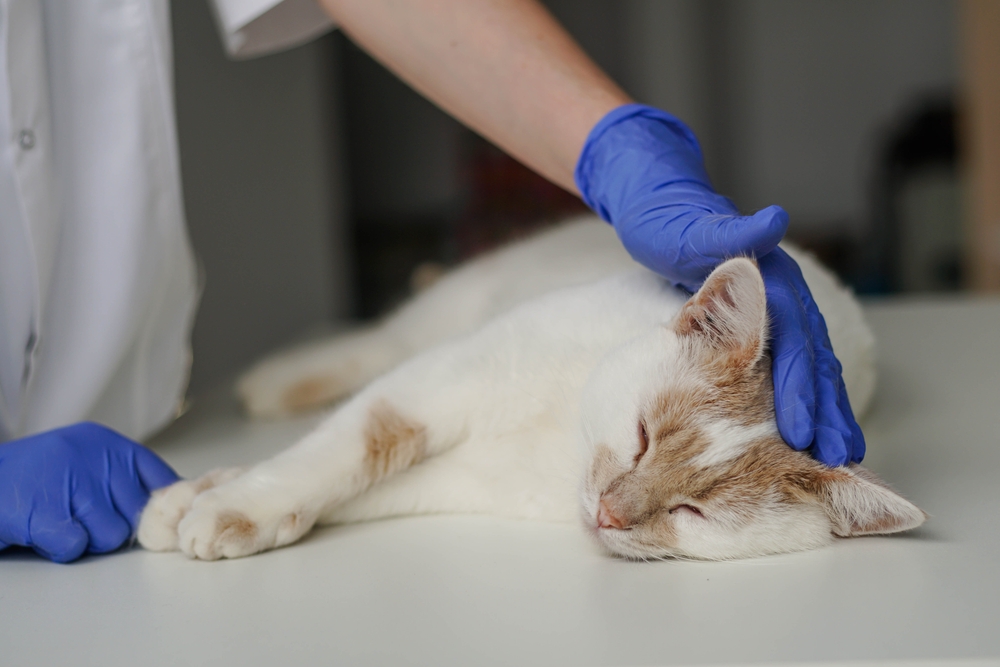
tired sick cat
Image by: natata, Shutterstock

3. A Sudden Change in Appetite

Diabetic cats may start eating way more—or way less—than usual. Their bodies are struggling to convert sugar into energy, so hunger signals go haywire.

Tip: Don’t brush it off as pickiness or boredom. If mealtime behavior changes suddenly, your vet can help rule out diabetes or other underlying issues.


4. Rapid Weight Changes

Notice your cat slimming down (or bulking up) out of nowhere? Both can be red flags. Many diabetic cats experience rapid weight loss, even if they seem to be eating normally or more than usual.

Tip: The body isn’t using nutrients correctly, so it starts breaking down fat and muscle for fuel. That’s why maintaining a healthy weight is key to prevention and management.


5. Vomiting

Vomiting is always concerning—but when combined with other symptoms on this list, it could signal uncontrolled diabetes. Severe cases can even lead to a dangerous condition called diabetic ketoacidosis, which requires immediate veterinary care.

Tip: If your cat vomits more than once or seems weak afterward, call your vet right away.

sick-cat-vomits
Image by: chie hidaka, Shutterstock

6. Missing the Litter Box

If your usually tidy cat starts peeing outside the box, don’t assume it’s misbehavior. Diabetes-related lethargy and weakness can make it difficult for them to reach the litter box in time.

Tip: Try placing an extra litter box nearby while you wait for a vet appointment—it helps reduce accidents and stress for your cat.


7. Loss of Interest or Personality Changes

Cats with diabetes often seem “off.” Maybe your social butterfly is hiding more, or your once-curious cat ignores their favorite toys. This loss of interest or playfulness can be a sign of fatigue caused by unstable blood sugar.

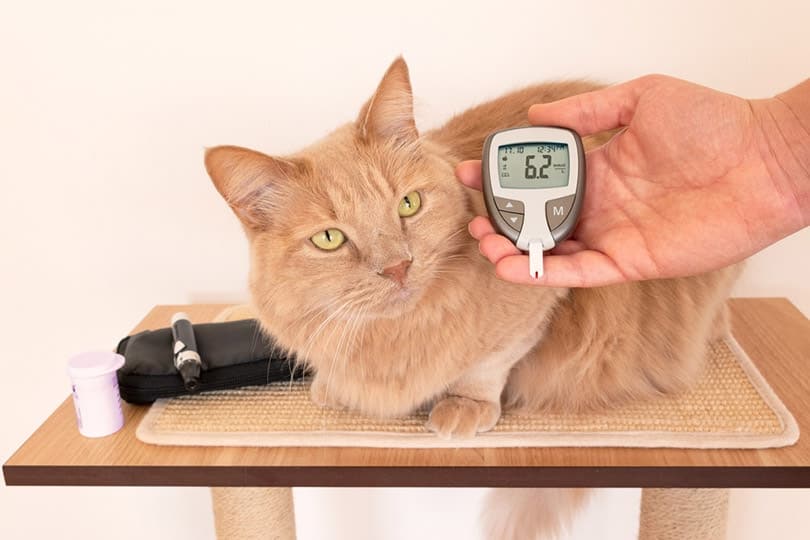
Tip: Talk to your vet about testing your cat’s glucose levels. It’s quick, easy, and could save your cat’s life.

divider cat paws oct 2024

Treatment: What Happens Next

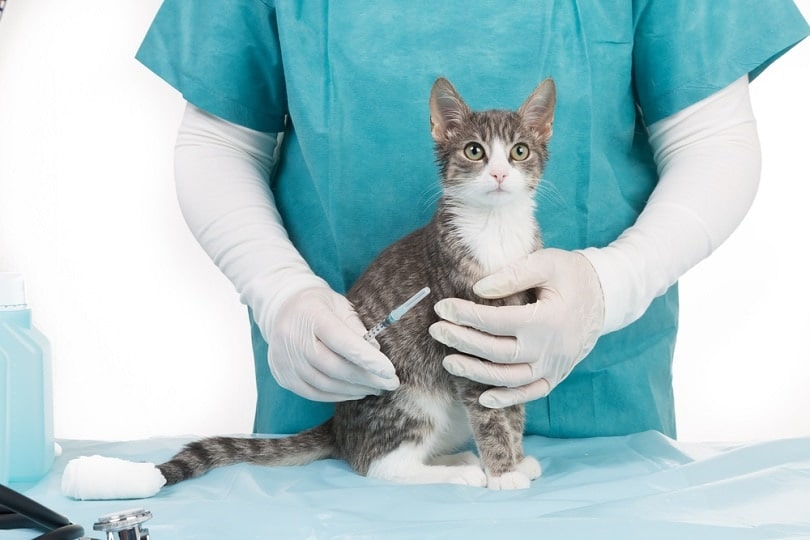
If your cat is diagnosed with diabetes, don’t panic—treatment is very manageable. Most cats need insulin injections once or twice a day, paired with a low-carbohydrate diet to keep blood sugar levels stable.

With the right care, your cat can live on average, 13–17 years, which is just as long and happy as a non-diabetic cat. Some even go into remission with proper management!

vet holding a cat
Image by: Prostock-studio, Shutterstock

divider cat paws oct 2024

Wrapping Up

Spotting the early signs of diabetes can feel overwhelming, but knowledge is your best defense. If your cat shows even a few of these symptoms, schedule a vet visit soon.

With timely care, a balanced diet, and a little extra love, diabetic cats can thrive for years to come, just as cuddly and full of personality as ever.


Did You Know? 

  • Our brand-new posts are rounded up and included in our weekly emails. Don’t miss out on the latest – sign up for our newsletter below!


Featured Image Credit: Kachalkina Veronika, Shutterstock

Want content like this delivered to you?

Sign Up For Our Newsletter

News, insights, expert advice, and everything cat

* By submitting, you agree to our Terms & Conditions and Privacy & Cookies Policy.


How useful was this post?

Click on a star to rate (you can leave written feedback after clicking submit)

Help us improve Catster for pet parents!

Your feedback really matters.

What did you like about this post? Also how can we improve it?

Join the conversation

Leave a Reply

You’re very welcome to leave a comment or question. Please know that all comments must meet our community guidelines, and your email address will NOT be published. Let’s have a positive and constructive conversation.


Talk With A Vet Online

Peace of mind,
anywhere, anytime

Affordable vet advice

Why Chicken Bones Are More Dangerous for Cats Than Most Parents Realize

Chicken bones seem harmless enough, but for cats, they can cause serious damage quickly. Whether your cat swiped a piece off the counter...

Fantastic Pet Pantries and Where to Find Them

Let’s face it: times are really tough right now, and those of us in the 99% are struggling with the cost of just...

Ask Dr. Paola – Help! My Cat Refuses to Drink Water! (April 13, 2026)

Welcome to our “Ask Dr. Paola” series, where every Monday we bring expert advice straight from Dr. Paola Cuevas (MVZ) to help our...

Why Healthy Cats Still Vomit Sometimes (And How to Respond)

A cat that just vomited needs a specific kind of care, and the feeding decisions you make in the next few hours actually...

More related

How to Tell If Your Cat Has Internal Bleeding: Our Vet Explains the Signs

Internal bleeding is a serious condition that requires immediate medical attention. It is often the result of external trauma, such as getting struck...

Senior Cat Grooming: Vet Approved Facts & Tips

Felines are fastidious creatures. They love to be clean and spend much of each day grooming themselves. As cats age, they sometimes have...

Catster Photo Contest: Cats of the Week Winners (July 17, 2025)

Every week our team gets the privilege of sorting through our readers photos to choose what cats will win this weeks contest! See...

Can Cats Eat Meatballs? Vet-Reviewed Dangers & Facts

Spaghetti and meatballs are a classic comfort food and a childhood favorite meal for many people. If you and your family regularly enjoy...

Keep reading

Why Does My Cat Grab & Bite My Arm? 6 Vet-Reviewed Reasons & What to Do

Cats are often unfairly stereotyped as moody and unpredictable animals. While many dedicated cat lovers would argue otherwise, our feline friends sometimes display behavior that’s hard to understand. For example, some cats seem like they enjoy petting but will quickly...

cat biting owner

Can Cats Catch Covid? Vet-Approved Facts & FAQ

Medical researchers are still learning about the SARS-CoV-2 (Severe Acute Respiratory Syndrome Coronavirus 2) virus that causes Covid-19 (Coronavirus Disease 2019). While it is rare, we know that pet cats can catch Covid from infected humans. It should not be...

man sick with cat beside him

Botflies in Cats: Signs, Causes & Care (Vet Verified)

A botfly larva doesn’t intend to find its way onto your cat, but it could cause a problem if it does. Once there, it will burrow and make your cat its host for the next month. Skin lesions often look...

Bot Fly Larva

How Do I Help My Cat With Arthritis? 10 Vet-Approved Home Care Tips

Cats, particularly older ones, can suffer from arthritis. Technically known as osteoarthritis (OA), the condition involves progressive joint inflammation and degeneration, which is influenced by many factors. The resulting pain often reduces mobility and negatively impacts cats’ quality of life....

cat with arthritis

Cat Blood Test Results Explained – What Should I Look For?

Sometimes, cats show signs of an illness or disease, but a confirmed diagnosis isn’t possible without blood tests. Blood tests have a wide range of uses in veterinary medicine. They can help verify the good health or illness of a...

cat blood sample

7 Safe Exercises for Cats With Arthritis: Vet-Approved Advice

Cats with arthritis need special care to overcome the pain and stay active. If your feline friend has been diagnosed with arthritis, they will become slower and won’t enjoy their playing time as much as before. While the condition primarily...

cat folding his paw while sleeping

What Can Cats Eat Besides Cat Food? Vet-Verified Nutrition Guide

When it comes to being a responsible cat parent, there is no worse feeling than getting home from the grocery store and unpacking everything, only to find you forgot the cat food! And that’s before your cat starts giving you...

tabby cat eating fresh food

How Do Cats Communicate With Each Other? Vet-Verified Facts & Info

Most mammals, including cats, are able to communicate, although non-verbally. Cats have developed forms of inter-cat communication over the millennia; some are vocal, some are physical, and others are chemical. Cats do it well in whatever form of communication they...

two cats touching noses

Love Cats? So Do We! Join the Catster Community

Stay informed with expert pet care insights delivered straight to your inbox! Discover professional guidance on animal behavior, feeding tips, trusted product picks, and much more.


Sign up for the Catster Email Newsletter

Stay informed with expert pet care insights delivered straight to your inbox! Discover professional guidance on animal behavior, feeding tips, trusted product picks, and much more.