Cat Owners Beware: These Everyday Smells Drive Cats Crazy


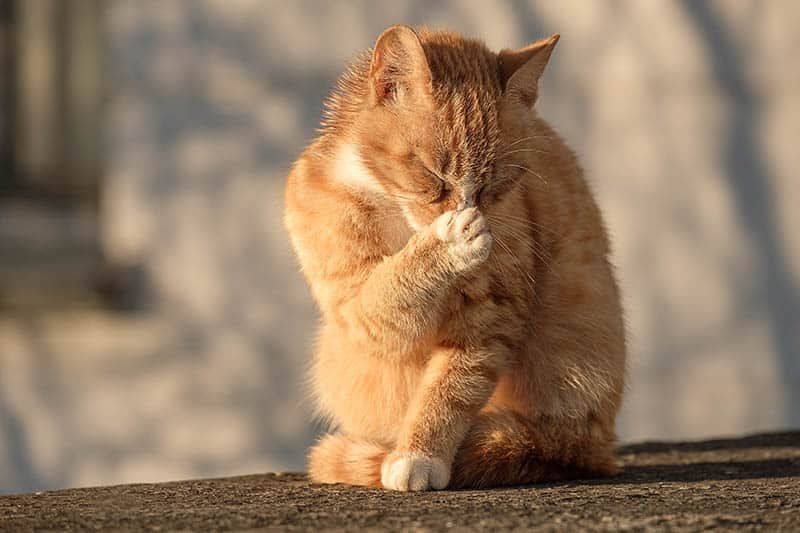
Cats may be fastidious, graceful, and affectionate—but when it comes to certain smells, they’re anything but subtle. With a sense of smell up to 14 times stronger than ours, cats experience scents in an entirely different way. What smells pleasant, or even neutral, to us can be overpowering or even repulsive to a feline.
Understanding which smells cats hate isn’t just a fun fact for trivia night. It can help you manage your home more effectively, avoid using irritating scents around your pets, or even gently discourage cats from entering certain areas or causing trouble in places like the garden, furniture, or litter-prone zones.
So, which scents are most offensive to your feline friend? Let’s explore the smells that most cats instinctively avoid, and how some of them might be used to your advantage, always with safety in mind.

From Citrus to Coffee: 14 Scents Your Cat Secretly Hates

1. Citrus
Cats have a well-known dislike for anything citrus. Oranges, lemons, limes, and grapefruits are more than just unpleasant to their noses—they’re potentially toxic. Over generations, cats have developed a natural aversion to citrus oils and peels, which explains why they tend to steer clear of these scents. While citrus essential oils might seem like a good repellent, they’re far too concentrated and unsafe for use around cats. A safer alternative is to boil citrus peels and dilute the aroma with water in a spray bottle, avoiding any direct contact with your pet.
2. Lavender
Lavender is another scent that cats instinctively avoid. While humans find it calming, it contains compounds—like linalool and linalyl acetate—that cats can’t metabolize. Lavender essential oil is especially potent and toxic, so it should never be used near pets. However, lavender plants in pots can offer a mild deterrent in specific areas, as long as your cat isn’t tempted to chew on the leaves.
3. Rosemary and Thyme
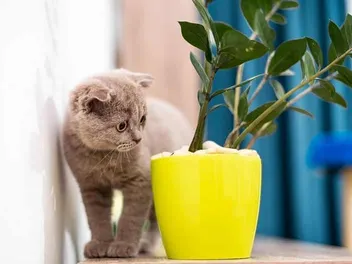
Herbs like thyme and rosemary also tend to be on a cat’s "no-go" list. The scent is strong and unfamiliar to their noses, which may explain the aversion. Unlike lavender or citrus, these herbs aren’t toxic, making them a relatively safe option if you want to discourage a curious cat from certain areas. Planting thyme or rosemary, or placing satchels around your home, can help keep feline explorers at bay.
4. Peppermint and Mint
Scents like peppermint and other types of mint—such as spearmint and pennyroyal—are also disliked by cats. While mint is a staple in many human households, it’s actually toxic to felines and should be used carefully. Avoid essential oils completely, but strategically placing mint plants in pots can act as a mild deterrent for indoor cats.
5. Vinegar
If you’re trying to keep your cat out of a specific area, something as simple as white vinegar might do the trick. Its overpowering smell can mask other scents, which is helpful when trying to prevent cats from revisiting places they’ve previously marked. A diluted mix of white vinegar and water in a spray bottle is effective, though it should never be sprayed directly on or near your cat.
6. Eucalyptus
Eucalyptus may be a soothing scent for people, especially when used to relieve respiratory symptoms, but it’s far too intense for cats. While its strong aroma can work as a repellent, eucalyptus—especially the essential oil—is toxic to felines, so it should be kept out of reach.
7. Chili Powder and Spices
Other smells that cats hate include chili powder, due to the irritation it can cause to their sensitive eyes and nose. Although it might seem like an effective garden deterrent, it poses too many risks, including skin and mouth irritation, and even digestive issues if ingested, so we do not recommend its use as a deterrent.

8. Mothballs
For similar reasons, mothballs are also off-limits. Though effective in repelling cats due to their pungent scent, they’re highly toxic—and in some areas, even illegal to use as animal deterrents.
10. Banana Peels
Banana peels, while seemingly harmless, release ethene gas during the ripening process, which cats find highly unpleasant. Although they likely won’t eat the peel, the smell alone is usually enough to make them avoid the area. However, banana peels shouldn’t be left out for too long, as they decompose quickly and can attract mold or pests.
11. Ammonia
Ammonia is another scent cats despise—likely because it mimics the smell of urine. Unfortunately, this makes it a poor choice for cleaning, as it can actually encourage cats to mark the same spot again.
12. Coffee Grounds
Coffee grounds are disliked by most cats due to the strong scent, and since caffeine is toxic to felines, they instinctively avoid it. Used grounds can be placed in gardens or on countertops—safely out of reach—as a mild deterrent.
13. Onions and Garlic
Onions, like garlic, are also highly toxic to cats and tend to irritate their eyes and noses thanks to sulfur-containing compounds. While most cats steer clear of these foods naturally, neither should be used as a repellent due to the risk of ingestion.
13. Certain Household Cleaners
Strong-smelling disinfectants, bleach, and other chemical cleaners overwhelm cats. Their noses are so sensitive that even small traces can feel unbearable.
14. Strong Perfumes & Deodorizers
What’s a pleasant floral spritz to us is overpowering to cats. Heavy fragrances found in air fresheners, perfumes, and candles are common household irritants. Essential oil diffusers are also a no-go with cats.

Keeping Your Home Safe for Your Cat

While many of these smells are natural cat repellents, not all are safe for use around your pets. Essential oils, concentrated plant compounds, and substances like ammonia or mothballs pose real risks. Always prioritize your cat’s safety when attempting to use scents to manage behavior or mark boundaries in your home or garden.
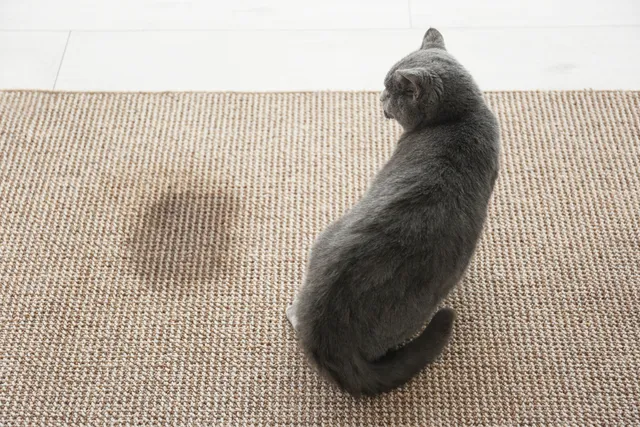
For those trying to stop cats from peeing in certain areas, keep in mind that scent deterrents alone may not solve the issue. A thorough cleaning is essential to eliminate all traces of urine—especially those your cat can smell, even if you can’t. Once the area is truly clean, you can use milder scent deterrents like herbs or vinegar spray to discourage future accidents.

Final Thoughts
A cat’s sensitivity to smell is one of its most defining traits, and one that can be used thoughtfully when managing behavior or creating boundaries at home. Whether it’s the overwhelming scent of citrus or the pungency of vinegar, understanding what your cat dislikes can help you create a more harmonious shared space. Just be sure to avoid toxic substances and always observe your cat’s reactions carefully. A fresh-smelling home is great—but a safe one is even better.
Did You Know?
- Our brand-new posts are rounded up and included in our weekly emails. Don't miss out on the latest - sign up for our newsletter below!
Feature Image Credit: Andrei-Metelev, Shutterstock
Expert cat care, straight to your inbox
News, insights, and useful advice, delivered to you.

No spam — unsubscribe anytime.
By signing up, you agree to our Terms & Conditions and Privacy & Cookies Policy.
How useful was this post?
Click a star to rate. You can leave written feedback afterwards. (We read all feedback.)
Dan has been working in the pet world for over 4 years covering cats, dogs, and all other pets in between. He loves helping pet parents keep their companions happy, healthy, and of course, totally spoiled! Originally from London, Dan now travels and works remotely, which unfortunately means no pets at home, but it gives him plenty of opportunities to fuss over other people's furry friends.