The Purr-suit of Happiness: A New Way to Measure Feline Quality of Life
How can you tell if your cat is truly thriving?
It's a question that every pet parent has probably wondered at some point. We often look for the obvious signs: Is our cat eating well? Do they still enjoy chasing a toy or curling up beside us for a nap? While those observations certainly matter, veterinarians know that a cat's quality of life is far more complex than simply being free of disease.
That's why researchers have developed and scientifically validated a new assessment called the Feline Quality of Life (FelQoL) questionnaire. Designed to be completed by pet parents in less than 10 minutes, FelQoL provides a standardized way to evaluate a cat's physical health, emotional well-being, and daily behaviors, helping veterinarians gain a more complete picture of life beyond the examination room.
More importantly, it represents a shift in how we think about feline health. Instead of focusing solely on diagnosing disease, it encourages us to ask a different question: How is this cat doing in their everyday life?

Looking at the Whole Cat

One of the biggest challenges in feline medicine is that cats rarely tell us when something is wrong. As both predators and prey, they evolved to hide signs of illness and discomfort, making subtle changes easy to overlook.
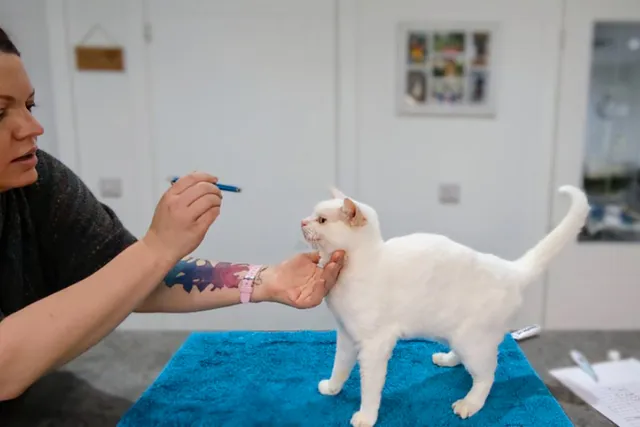
The researchers recognized another important challenge. Cats often behave differently at the veterinary clinic because travel, unfamiliar surroundings, and handling can all cause stress. Even during a thorough examination, a veterinarian only sees a brief snapshot of a cat's life, and the behaviors observed in the clinic may not accurately reflect how they behave at home, where they spend almost all of their time.
That is where pet parents become essential partners in veterinary care.
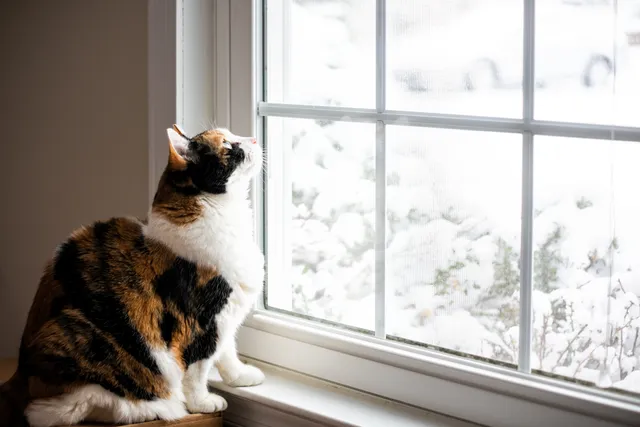
Rather than relying only on what happens during an appointment, FelQoL captures the observations that only a pet parent can make. Has your cat stopped jumping onto their favorite windowsill? Are they playing less than they used to? Do they seem more withdrawn or less interested in interacting with the family? These small changes may seem insignificant on their own, but together they can paint a meaningful picture of a cat's overall well-being
More Than Just a Questionnaire
Developing a reliable quality of life assessment involves much more than writing a list of questions.
The researchers began with a prototype containing 65 questions based on previous feline quality of life studies and refined it with input from veterinarians and animal behavior experts, eliminating questions that were repetitive or provided little useful information. After extensive statistical testing, the final questionnaire was reduced to 37 scored questions that evaluate seven distinct dimensions of feline quality of life:
- Active
- Talkative
- Satisfied
- Relaxed
- Mobile
- Appetite
- Sociable
Together, they evaluate much more than physical health alone. The questionnaire considers how active and playful a cat is, their mobility and comfort, their appetite and enjoyment of meals, their interactions with people, their vocal communication, and signs of emotional well-being such as relaxation and confidence.
This whole-cat approach allows greater insight into aspects affecting quality of life that cannot be measured by a physical examination, bloodwork, or diagnostic imaging alone. A cat with a well-managed chronic medical condition may still enjoy an excellent quality of life, whilst a cat that is fit and healthy from a medical standpoint may experience poor welfare if they are living with chronic stress, fear, or an environment that does not meet their behavioral needs.
The follow-up validation study also highlighted the importance of a cat's environment. Cats with access to elevated resting places, such as shelves or cat trees, tended to have higher activity scores, supporting previous research showing that environmental enrichment contributes to feline wellbeing. Interestingly, cats with outdoor access scored differently in some quality-of-life domains. The researchers suggest this may be because outdoor cats spend more time being active outside their owners' view, or may supplement their diet through hunting or food from neighbors. However, they emphasize that these findings are preliminary and require further study before any firm conclusions can be drawn.

Built on Science
To validate the questionnaire, researchers collected responses from 1,324 cat owners in the United States and the United Kingdom. They then used established statistical methods to determine whether the questionnaire consistently measured meaningful aspects of feline wellbeing.
The team also asked 385 pet parents to complete the questionnaire again about two weeks later. Because the scores remained relatively consistent when a cat's quality of life had not changed, the researchers concluded that the assessment was reliable over time rather than producing random results. They also demonstrated that the questionnaire performed consistently across different groups of cats, supporting its use as a general quality of life assessment rather than one limited to specific breeds or medical conditions.
The researchers then conducted a second validation study to determine whether the questionnaire reflected meaningful differences in cats' everyday lives. The results were encouraging. Older cats generally scored lower in areas such as activity, mobility, and sociability, while cats with owner-reported health conditions tended to have lower quality-of-life scores than healthy cats. These findings provide additional evidence that FelQoL measures meaningful aspects of a cat's daily life rather than simply producing consistent scores.
The researchers also developed preliminary reference values for different life stages that provide a helpful benchmark for understanding what quality of life scores might look like in healthy kittens, adults, and senior cats. As additional research becomes available, these reference values may help veterinarians better distinguish between expected age-related changes and declines that warrant further investigation.
Just as importantly, the questionnaire was designed with practicality in mind. More than half of the participants completed the full survey, including demographic questions, in less than nine minutes. Answering only the quality-of-life questions took fewer than four minutes for most pet parents, making it realistic for routine use in both research and clinical practice.
Why This Matters for Pet Parents
As veterinarians, we often remind pet parents that they know their cats better than anyone else. You notice the little things that no one else can see. Maybe your cat no longer races to greet you at breakfast. Perhaps they hesitate before jumping onto the sofa or spend more time sleeping in quiet corners of the house. These gradual changes are easy to dismiss as normal aging, yet they may be early clinical signs that deserve further investigation.
Interestingly, the researchers found that even healthy senior cats showed predictable changes in several quality-of-life areas, particularly activity and mobility. While some changes are a natural part of aging, monitoring them over time may help veterinarians distinguish between expected age-related changes and those that deserve further investigation.
A tool like FelQoL doesn't replace a physical examination or diagnostic testing. Instead, it complements them by organizing those everyday observations into meaningful information that veterinarians can use alongside clinical findings.

This research recognizes quality of life as an important part of preventive healthcare, not just something to consider when a cat becomes seriously ill. By monitoring changes over time, veterinarians and pet parents may be able to identify concerns earlier, evaluate how well treatments are working, and make adjustments that help cats remain comfortable and engaged in their daily lives.
As veterinarians, we often say that cats are experts at hiding illness. This research reminds us that paying attention to the little things, how a cat moves, plays, eats, rests, and interacts with their family, may tell us just as much about their wellbeing as any single diagnostic test.
FelQoL will not tell us exactly how happy a cat is, nor is it a substitute for a veterinary examination. Instead, it offers veterinarians and pet parents a scientifically validated way to monitor changes in a cat's everyday well-being over time. By combining a pet parent's observations with clinical findings, veterinarians can gain a more complete picture of how a cat is truly doing and, ultimately, help them live not only longer lives but healthier, more comfortable, and more fulfilling ones.
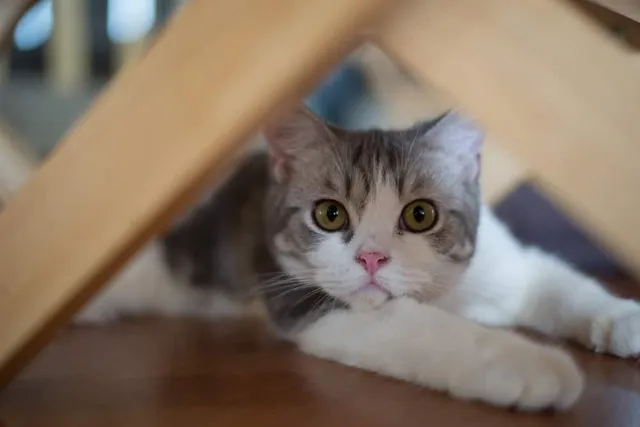
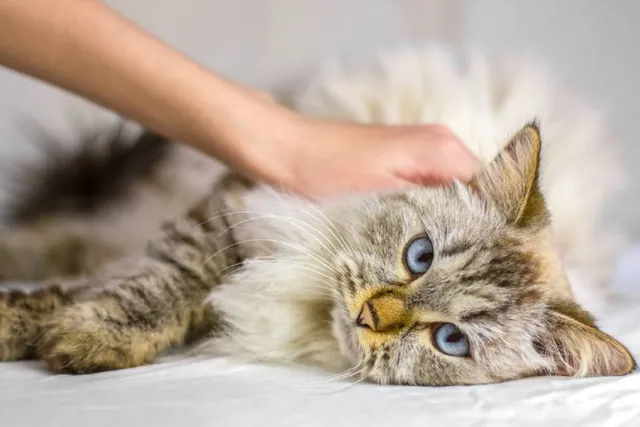
Feature Image Credit: PHOTOCREO Michal Bednarek, Shutterstock
Did You Know?
- Our brand-new posts are rounded up and included in our weekly emails. Don't miss out on the latest - sign up for our newsletter below!

Expert cat care, straight to your inbox
Vet-reviewed advice, behavior tips, and the best of Catster. Free, and you can unsubscribe anytime.
By signing up, you agree to our Terms & Conditions and Privacy & Cookies Policy.
Dr. Paola Cuevas MVZ (Veterinarian)
Dr. Paola Cuevas is the Senior In-House Veterinarian at Pangolia, the parent company of Catster. She has over 18 years of experience as a veterinarian and animal behaviorist. Paola's focus is on preventive medicine and animal welfare. Paola has a large range of skills in from diagnostic imaging to nutrition and clinical pathology. Paola enjoys sharing her extensive knowledge of animal training with our Catster readers and is always happy to answer reader questions as our in-house veterinarian.
Join the conversation
Ask a question, share your story, or send private feedback.