Raas Cat: Breed Info, Facts, Pictures & Care

In this article
Raas cats are an exotic breed of cat from the Indonesian island of Raas. They’re not a common cat to see outside of Indonesia and are even less common outside of Asia. They’re a large breed cat that has been successfully domesticated but would be better owned by an experienced cat owner who can hand tame their cat since the domestication of Raas cats is relatively recent.
Breed Overview
Height:
Weight:
Lifespan:
Colors:
Suitable For:
Temperament:
Once tamed, they’re highly energetic and playful cats that need a lot of mental and physical stimulation to be happy. They can be nervous when introduced to new people, mainly if they aren’t used to people yet. However, once they realize you mean them no harm, they become pretty affectionate, even needy at times.
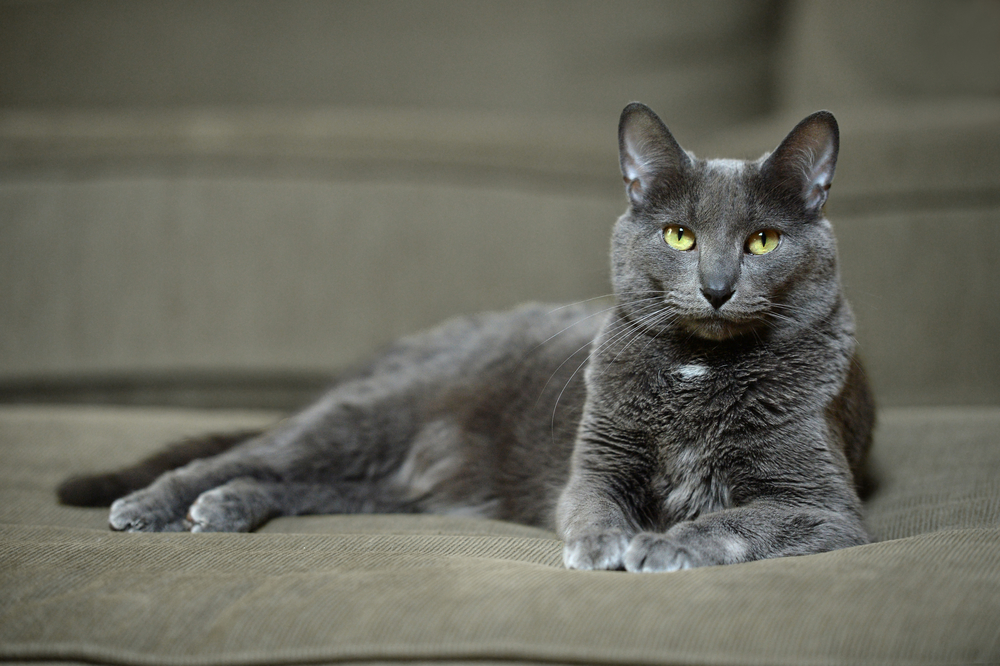
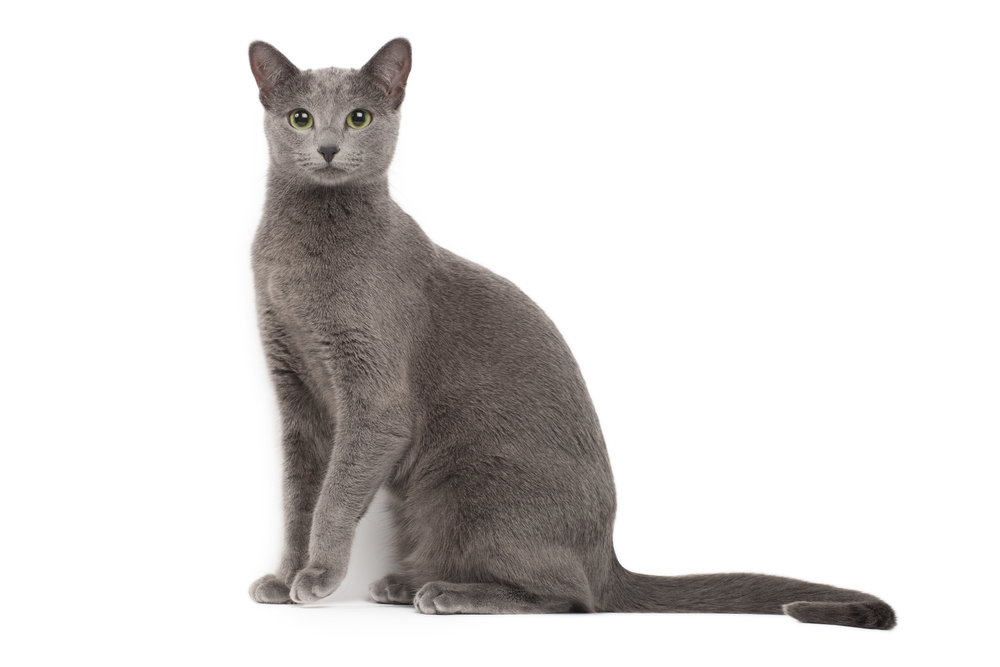
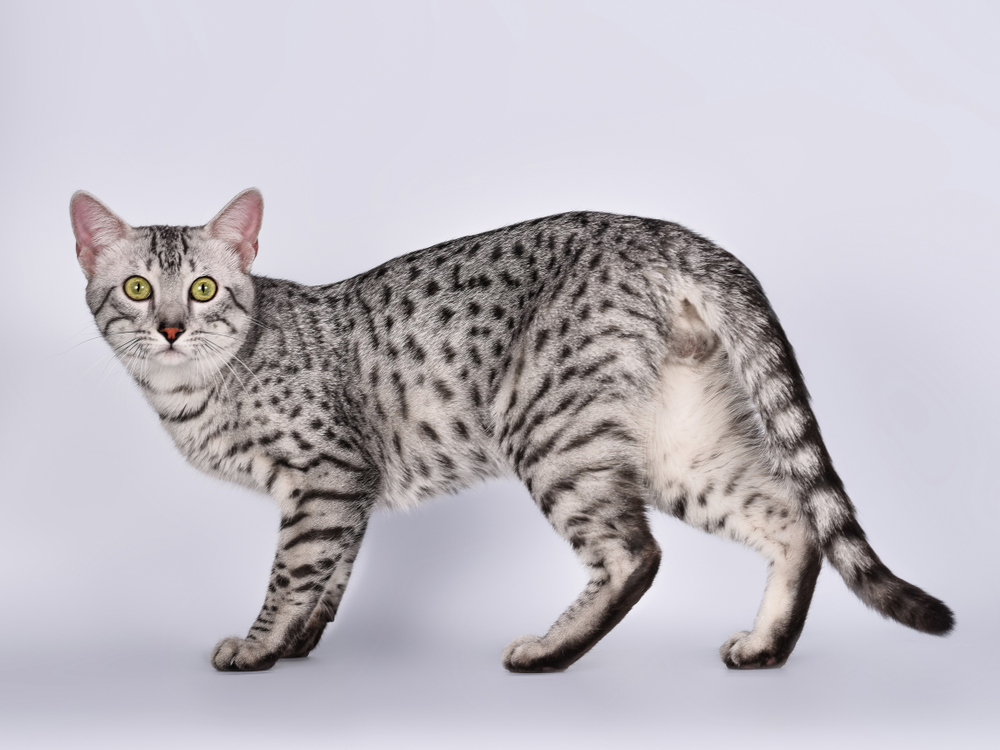
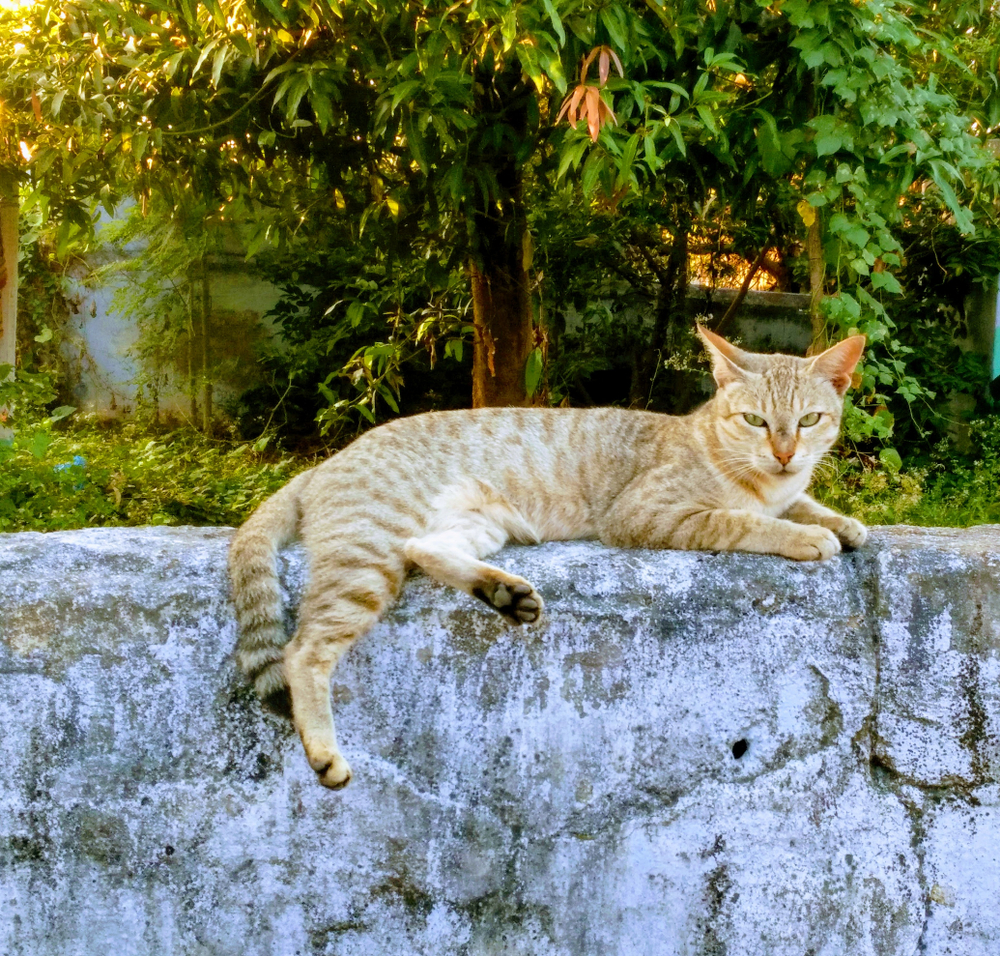
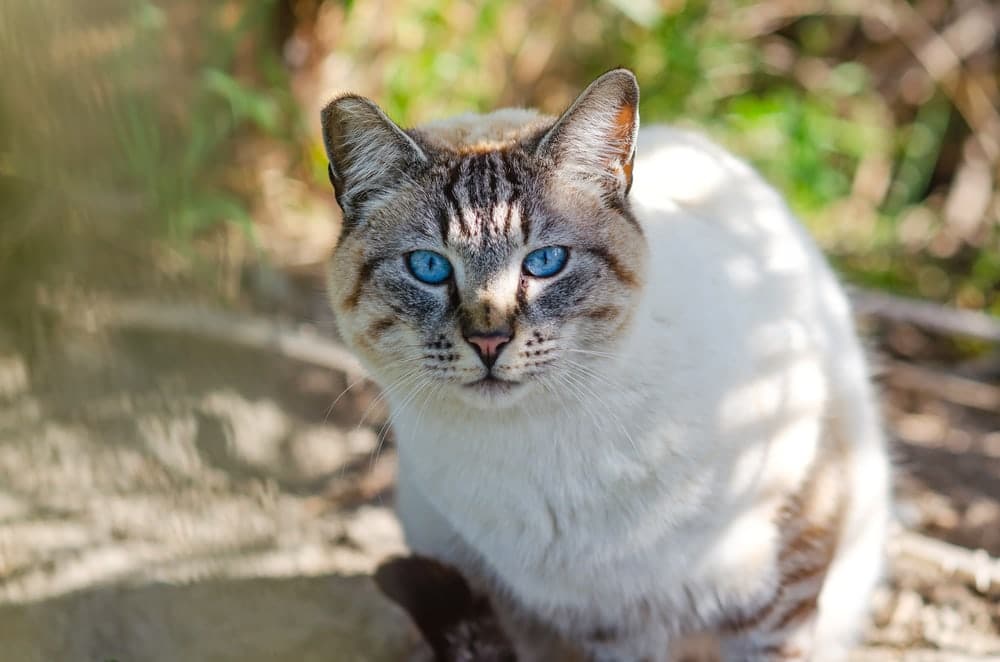
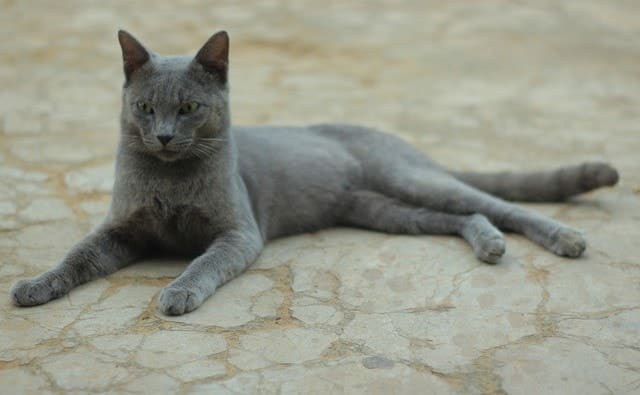
Their striking blue-gray coats are hard to forget once you’ve seen them once, and they’ve captured the hearts of thousands of people worldwide who are itching to know how they can get their hands on one of the gorgeous creatures.
Raas Cat Characteristics

Raas Kittens
Raas kittens are known for their reserved yet affectionate nature. They are highly intelligent and curious and, as a result, can be a bit more challenging for first-time cat parents. These kitties require plenty of stimulation to keep their curious minds active, so providing interactive toys, puzzle feeders and climbing structures is essential.
Due to their intelligence, Raas cats love puzzle-solving activities and will thrive in environments that keep them mentally engaged. Socialization is important early on, as Raas kittens can be wary of people at first, but with patience and understanding, they can form strong bonds with their families and become comfortable around new people.
Temperament & Intelligence of the Raas Cat 🧠
Raas cats are brilliant and enjoy doing tasks and learning. They’ll need to be trained in more ways than the average cat because boredom can cause them to become destructive. Obedience training is possible with Raas cats, and they will enjoy the process of learning and being rewarded. However, they won’t excel the same way dogs do because they aren’t people-pleasing animals like dogs.
Are Raas Cats Good for Families? 👪
Though Raas cats are highly energetic, they don’t suit families well because they get nervous around people and may find children scary. Families with older children who understand that they need to treat the cat with respect may have more success with Raas cats, but parents of young children will want to seek a different cat breed that is more tolerant of roughhousing.

Do Raas Cats Get Along with Other Animals?
Raas cats can get along with other animals when properly socialized. However, just like with people, they may find them scary at first and may avoid interaction where they can.
Things to Know When Owning a Raas Cat
Food & Diet Requirements 🐡
Raas cats are large-breed cats that need more food than the average cat. A high-quality, high-protein diet will be necessary to keep up with the Raas cat’s high energy. As a kitten, they’ll need extremely high amounts of food to keep up with their growth as large breed cats.
Exercise 🐈
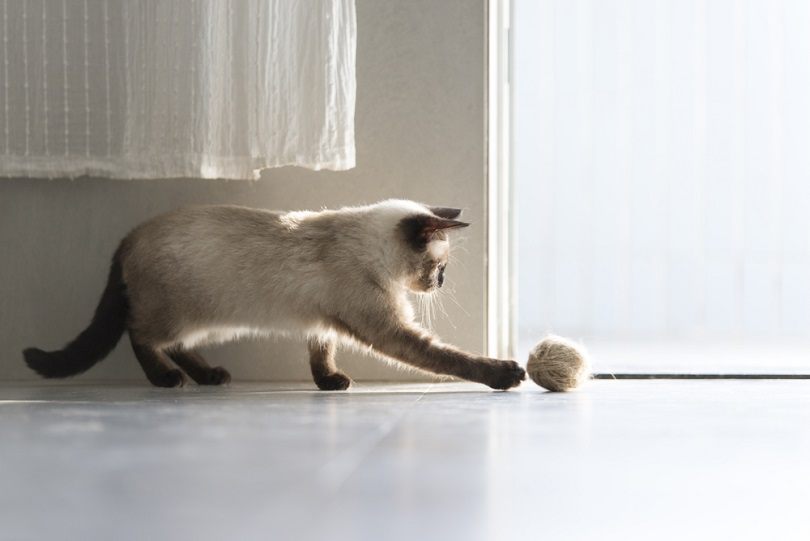
Raas cats will need a lot of exercise, but you probably won’t have to convince them to do it. They’re highly energetic cats that will tear through your house looking for something to play with. If there are not enough toys to play with, they could become destructive trying to find something to keep them entertained.
Training 🧶
Training is necessary with Raas cats because they’re a relatively new cat breed on the domestication scene. While domestication has been considered successful, most Raas cats are still reserved around new humans and may react with fear if not socialized and tamed correctly.
Litter box training should be done promptly as Raas kittens may not have the same innate sense of where to go compared to more established cat breeds.
Obedience training can be successful with them because they’re brilliant. However, their high intelligence can make them stubborn. Raas cats will challenge your authority whenever they see fit, doubly so because they’re cats.

Grooming ✂️
Raas cats aren’t long-haired. So, frequent brushing isn’t necessary. However, regular brushing can help reduce shedding. It’s also important to regularly trim their nails to avoid them becoming unmanageable for the cat.
Health and Conditions 🏥
Raas cats are generally healthy cats. Due to how new they are to the companion animal scene, there isn’t much information about their health outcomes and health information documented. Cat parents of Raas cats will want to watch out for common cat illnesses, like feline lower urinary tract disease.
If your Raas cat likes to explore outdoors, you’ll want to keep an eye out for fleas, ticks, and heartworms. Regular deworming should help prevent your cat from developing a heartworm infection and is recommended if your cat likes to go outside.
Male vs. Female
There is very little difference between male and female Raas cats when it comes to physical appearance. Male cats may be more affectionate, while females may be more aloof. Regardless of whether you get a male or female, it is important to have them spayed or neutered to prevent unwanted pregnancy, undesirable behaviors such as spraying or urine marking, and even certain cancers.
3 Little-Known Facts About the Raas Cat
1. They have a bent tail tip.
The bent tail tip is a common trait amongst Asian cat breeds. Siamese and Burmese cats both display bent tail tips. Raas cats also have turned tail tips.
2. Their origins are largely unknown.
We don’t know the origins of the Raas cat breed. Some believe that the Korat is their ancestral species, but it’s unclear.
3. They can be trained to do tricks.
Raas cats are brilliant and can be trained to do tricks much like dogs. They need a lot of mental and physical stimulation. So, learning to do tricks is a great way to keep your Raas cat’s mind busy!

Final Thoughts
Raas cats are as beautiful as they are mysterious, and we hope their popularity will continue to grow worldwide. As more people experience their beauty and are introduced to more locations, more information will become readily available about these beautiful cats. Unfortunately, getting your hands on one of these cats will be difficult. Still, the tenacious cat parents will enjoy a loving and affectionate relationship with a cat that’s built on mutual trust!
Featured Image Credit: Kucing Busok Jantan, Wikimedia Commons CCO 1.0 Universal

Expert cat care, straight to your inbox
Vet-reviewed advice, behavior tips, and the best of Catster. Free, and you can unsubscribe anytime.
By signing up, you agree to our Terms & Conditions and Privacy & Cookies Policy.
Luxifa is a freelance writer with a passion for animal science and technology. She loves to share the world of animal science with people to help them make informed decisions for themselves and their pets. Luxifa has worked in professional pet care for over six years and strives to help change the world of pet care by bringing the information people need to them in terms they can understand. Knowledge is power, and Luxifa loves to help everyone become the most informed they can be.
Join the conversation
Ask a question, share your story, or send private feedback.