Get

In Your Inbox

Catster is reader-supported. When you buy via links on our site, we may earn an affiliate commission at no cost to you. Learn more.

How Many Hours Do Kittens Sleep? Early Habits & Behaviors Explained (Vet-Verified Info)

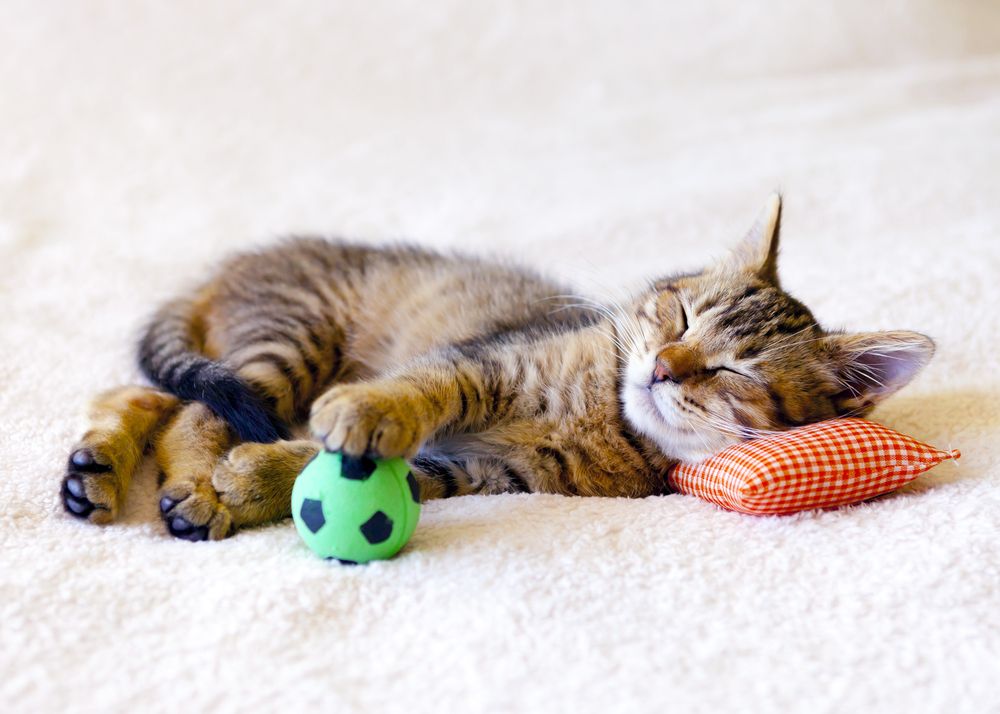
Kitten sleeping on a pillow

Cats love to sleep, and no kitty loves to sleep more than a newborn does! New kittens sleep most of the day away, being awake only for brief intervals to nurse. The youngest kittens sleep an average of roughly 22 hours a day, though that starts to decrease as they grow and become more active. In contrast, an adult cat sleeps up to 16 hours per day.

Kittens sleep 22 hours or so for their first 2 weeks, and around the third week, that starts to change. As their senses develop, kittens will want to engage with the world more often, but they still engage in many “power naps” throughout the day. These naps are interrupted for playtime, eating, and of course, learning the ways of the cat from their mothers.

If you’re as fascinated by cats and their sleep habits as we are, you’re in the right place! We have all the info that you might want to know about kittens, sleep, and how to help your kitty get a better night’s rest!

divider 1 paws

Why Do Kittens Need So Much Sleep?

Like baby humans, kittens are new to the world and need sleep to grow. More specifically, they feed during their fleeting awake times and promptly go back to sleep. That’s when their bodies do the magic of converting mother’s milk into muscles, bones, brain tissue, and all the stuff that makes a cat a cat. During this time, a kitten is cozied up to their mother and littermates, which keeps them warm while their body learns how to regulate their temperature.

Part of the reason kittens need so much sleep is because cats are predators. Many predators are born extremely helpless and need long periods of sleep to further their development before they can explore the world and learn how to hunt. For example, kittens are born blind and deaf and can only crawl a few centimeters (enough to find a teat from which to nurse). Conversely, the young of many prey animals are comparatively much more independent at birth. Some prey newborns are able to stand and run within minutes of being born!

During their time asleep, a kitten’s brain is busy not only growing neurons but also reinforcing everything they learn during their time awake. They know that their mother takes care of them by feeding and grooming them, which provides the foundation for socialization. They don’t know much else during these early days, but the comforting presence of the mother and littermates helps the kitten develop healthy attachments. When it all comes down to it, sleep is vital for both the kitten’s physical and emotional well-being.

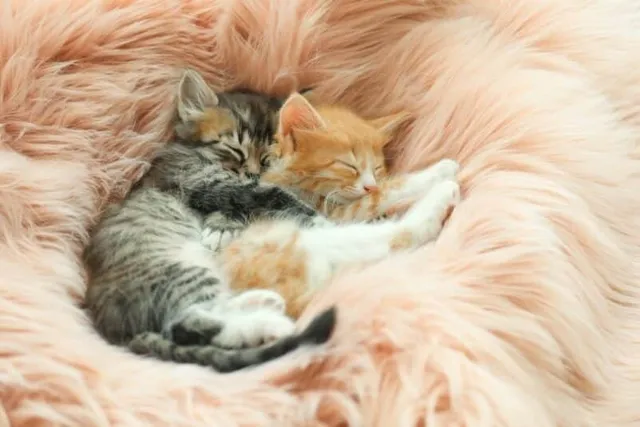
kittens sleeping
Image Credit: New Africa, Shutterstock

divider 3 paws

Why Isn’t My Kitten Getting Enough Sleep?

Kittens that don’t get enough sleep can suffer a range of negative consequences, from a compromised immune system to excessive weight gain to noticeable anxiety or aggression. There are a lot of different reasons a young kitten isn’t getting enough sleep, so let’s check some off so you can deduce the cause of your kitten’s lack of sleep.

Reasons for Lack of Sleep in Kittens:
  • Hunger: Kittens that are hungry will not be able to sleep well and will wake up earlier than anticipated.
  • Cold: Kittens cannot regulate their temperature well when they’re born and often huddle with each other to keep warm whenever their mother leaves the nest. Even still, they’re susceptible to becoming too cold. This is more likely in single-kitten litters, and a cold kitten will not sleep or eat well.
  • Displacement: Kittens that become displaced from their nest or mothers will not sleep and instead will produce a very distinct, high-pitched stress call.
  • Illness: Kittens that are ill may not sleep well. However, this isn’t always the case. Some unwell kittens are too weak to wake up and feed and seem to be always sleeping and not putting on weight properly.
  • Discomfort: Digestive discomfort is a very common reason for distress among kittens, particularly orphaned kittens. Up until they are around 3-4 weeks of age, kittens need to be assisted in order to relieve themselves. If you don’t do this, the pain might result in a kitten that’s constantly crying and not sleeping.

Is there anything better than a happy cat? We don’t think so—that’s where the Hepper Nest Bed comes in.

Hepper Cat Nest Bed
  • HAPPY COZY CATS - Your kitty will bask in luxurious sherpa-lined comfort while feeling warm, safe,...
  • MODERN DESIGN - Contemporary styling with upholstered fabric construction; just like your human...
  • WARM FLEECE LINER - Self warming, thick sherpa fleece with microfiber trim.

This product was designed with both your and your kitty's happiness in mind. While the comfortable bowl shape and wide lip to rest their heads on are ideal for sleepy kitties, you’ll appreciate the removable and machine-washable fleece liner for easy cleaning. It doesn’t get any better than this! Click here to try it out.

At Catster, we’ve admired Hepper for many years and decided to take a controlling ownership interest so that we could benefit from the outstanding designs of this cool cat company!

divider 2 cats

How to Help Your Kitten Get Enough Sleep

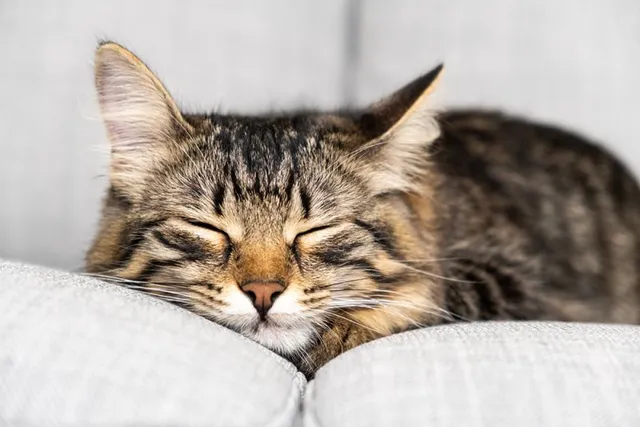
kittens sleeping
Image Credit: luxstorm, Pixabay

Helping your sleepless kitten sleep better is essential for their continuing growth and well-being. It’s important to keep in mind that sleeping often is normal for kittens; therefore, if your kitten is not sleeping, your first action should be to contact your veterinarian for their input.

If your veterinarian gives your cat a clean bill of health, the following tips can help.

Tips for Helping Your Kitten Sleep:
  • Provide your kitty with a warm, safe, comfortable, and private sleeping space to help them sleep more deeply.
  • Ensure your kitten is well-fed. Kittens do best with multiple small meals per day.
  • Ensure that you interact with your kitten often. Socialization and interaction are not only crucial for proper development but also play a role in exercising your cat’s mind and helping them curb boredom. A well-contended kitten is more likely to sleep normally than a stressed kitten.
  • Keep your expectations realistic. It’s not normal for a kitten to sleep soundly through the night for 8 hours. Just because your kitten wakes up in the middle of the night to play around doesn’t necessarily mean there’s something wrong with them.

divider 1 paws

Conclusion

Kittens are bundles of furry, cuddly joy, but they sleep more than 90% of the time early on in their lives. They need every wink they can get to continue growing up happy and healthy, which makes sleep an important consideration early and later in life.


Featured Image Credit: MaxyM, Shutterstock

Want content like this delivered to you?

Sign Up For Our Newsletter

News, insights, expert advice, and everything cat

* By submitting, you agree to our Terms & Conditions and Privacy & Cookies Policy.

How useful was this post?

Click on a star to rate (you can leave written feedback after clicking submit)

Help us improve Catster for pet parents!

Your feedback really matters.

What did you like about this post? Also how can we improve it?

Join the conversation

Leave a Reply

You’re very welcome to leave a comment or question. Please know that all comments must meet our community guidelines, and your email address will NOT be published. Let’s have a positive and constructive conversation.

Talk With A Vet Online

Peace of mind,
anywhere, anytime

Affordable vet advice

Ripple Rug for Cats Review 2025: A Detailed Look

In the United States, cats are one of the most popular pets, often beating out “man’s best friend” when it comes to ease...

Olive & Rye Custom Cat Portraits and Art

Today, I’d like to introduce you to Laura Kicey, a graphic designer, illustrator, photographer, and artist currently living in quarantine in her house...

How to Keep Raccoons Out of Cat Food: 7 Vet-Verified Tips

If you have an outdoor feeding station for your cats, you might sometimes find that they seem to be eating more food than...

What Causes Lumps on the Rear Legs of Cats? 4 Common Causes (Vet Answer)

If you’re an experienced pet owner, you know that it is not uncommon that petting your beloved companion can reveal concerns, including lumps...

More related

How Do Vets Deworm Cats: Typical Procedure (Vet Answer)

Over the last few years, “animal dewormer” has frequently been in the news—and not for use in your beloved pets. As veterinarians, we...

How Do Cats Cool Down? Vet-Reviewed Methods & Signs of Overheating

Like most mammals, when the weather gets hot, cats use different methods to stay cool. That’s especially true for cats with thick coats...

Is Your Cat a Vertical Pee-er? What to Do & How to Help (Vet-Reviewed)

Cats can develop strange habits that leave us feeling perplexed. One such strange behavior is vertical peeing. Cats can start to pee vertically...

Why Does My Cat Sleep on My Pillow? 5 Vet-Reviewed Reasons

Cat owners are no strangers to waking up with cat fur in their faces, followed by the faint sounds of a purring, content...

Keep reading

Can Cats Eat Mums? Vet-Approved Risks & FAQ

Chrysanthemums are popular flowers that make dynamic and colorful additions in your garden or in a vase. Due to their long and challenging-to-spell name, they are also affectionately known as “mums.” If your cat seems to be interested in your...

Can Cats Eat Mums

Do Cats Pee Out of Spite? Behavior & Possible Causes Explained

No, cats do not pee outside of the litter box out of spite. While you may think that your cat has it out for you when they pee outside of the litter box, it’s usually for a reason, and the...

cat pee on carpet

Why Do Cats Rub Against You? 4 Vet-Verified Reasons For This Behavior

One of the most heart-warming feelings is a kitty rubbing up against you, asking to be pet. But have you ever stopped to wonder what those gestures mean in cat language? There are two main ways a cat rubs their...

cat rubbing against owner

15 Hazards That Could Hurt or Kill Your Cat & How to Avoid Them (Vet Reviewed)

When you are at home relaxing with your cat, you might be totally oblivious to all the hazards around the home. After all, we don’t foresee some events, making it difficult to navigate. While we could go on for hours...

vet wrapping cat's injured paw with bandage

Do Cats Inbreed? Vet-Reviewed Dangers & Why It’s Bad

Inbreeding involves the mating of relatives, and it’s often done to select for physical traits when breeding pedigree cats e.g Siamese points. It also happens among unaltered, related domestic cats left to their own devices and in feral cat colonies...

two cats_Thomas B., Pixabay

How to Dry a Cat After a Bath: Vet-Approved Step-by-Step Guide

You rarely find a cat that will gladly accept having a bath without putting up a fight. If your cat is as apprehensive as most others, you may want to make sure you’re doing everything correctly to minimize the agony...

gray cat newly bathe

Inhaler for Cats: Vet-Approved Tips on How to Use It for an Asthmatic Feline

Feline asthma is a respiratory condition that results from inflammation and muscle constriction in the airways. It is not well-understood in cats, but is often treated similarly as asthma in humans. There are several treatments for asthma in cats, including...

Treating a cat for asthma with an inhaler

Is Your Cat Losing Teeth? What’s Normal & When to Worry (Vet-Verified)

Dental problems are a pretty big issue among cats. In fact, it is estimated that over two-thirds of cats over 3 have some degree of dental disease. However, losing a tooth doesn’t necessarily equate to a problem. So if your...

cat with open mouth and teeth