Fostering Shelter Cats: Our Vet Shares 10 Tips Before You Bring One Home

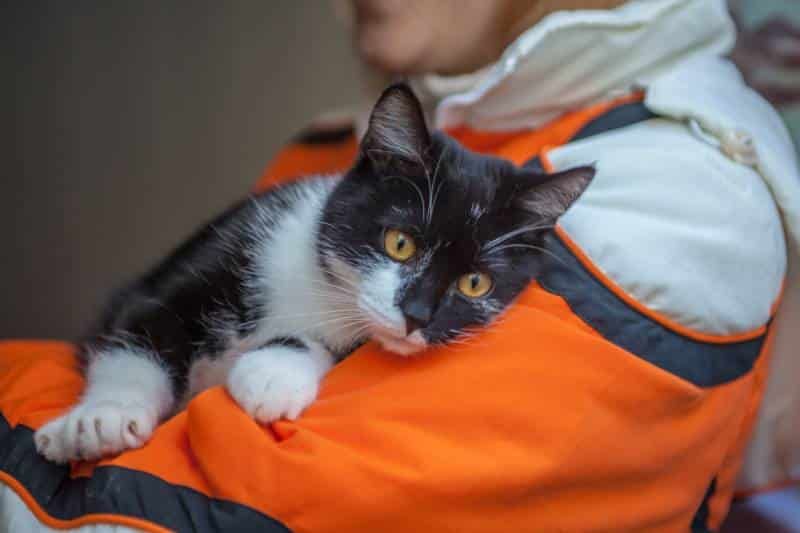
Roughly 66% of American households have a pet, with cats ranking second among the most popular animals. Shelters have come a long way toward making the process more streamlined so more cats can find forever homes. Fostering pets is an excellent bridge in the process that makes the success rate even higher.
Many organizations require prospective foster caregivers to apply for the position. Remember that the cat’s welfare is their primary concern. After all, irresponsible pet ownership is one reason these animals need this extra care. If you’re considering fostering shelter cats, here are 10 tips to keep in mind before bringing one home.

The 10 Tips on How to Foster Shelter Cats
1. The Responsibility
Bringing a pet into your home is a responsibility you shouldn’t take lightly. It’s not a whim. The cat’s welfare and well-being need to be foremost in your mind before taking in a shelter animal. They have additional concerns than other pets. However, the overall care begins at the same point. Therefore, we suggest understanding what you’re committing yourself to when making this choice.

2. Financial Commitment
Caring for a cat is a financial commitment even if you only keep them for a short time. Food will likely be your biggest investment. It can be spendy if the animal has a pre-existing health condition that makes a special diet necessary. You must also get a box and litter for your kitty.
3. Interaction and Playtime
Interaction and playtime are vital for any cat. However, depending on this history, it’s a critical factor for shelter animals. Many pets may have had traumatic experiences before entering the shelter. Your job for fostering is to help build trust again so that the kitty can ease into their forever home with the least amount of stress. These interactions provide crucial mental stimulation, enrichment and bonding opportunities.

4. The Care Importance
Gentle care is necessary for a shelter kitty. Life before you’ve brought them in has likely been filled with many unknowns. That spells much trauma and stress. Some pet owners relinquish their cats for personal reasons, such as health or financial concerns, and others may have been removed from abusive or unsafe homes.
5. The Pet’s History
The takeaway is that every shelter cat has a story. It may have good and bad parts that affect how the animal interacts with you and your family. You’ll likely get filled in with the information that is known to the shelter. Ensure that everyone in your household knows the score. All should handle these animals with kid gloves to help them deal with any issues.

6. The Risk of Zoonotic Conditions
Cats can transmit some diseases and parasites to humans. A shelter cat that has been outside or feral in their previous life has a greater risk of exposure and, thus, transmission. The rescue facility likely had a veterinarian check the animal over before releasing it to you but they may need some follow-up care, such as worming and vaccinations. Common-sense hygiene will help to protect you and your family. However, we recommend teaching your kids to wash their hands after handling any animals, but especially an animal with an unknown history.
7. The Importance of Patience
All pets require patience to learn the house rules. It’s challenging enough to go to a new home. It’s even harder with a cat that has a history. Building trust is a slow process. It will have its ups and downs. Cherish the good times. Remember that it’s some of the most rewarding aspects of being a foster family. The fulfillment of this commitment is priceless.

8. The Step to a Forever Home
A foster situation is the next step to a forever home. Your job is like triage. You’re helping the cat get through the upheaval in their life. One of the most important outcomes is stress relief and restoration of some sense of peace. You can use your time to create a routine that can follow the cat to their forever home.
9. The Effect of Change
Even in the best of times, cats don’t like change. It’s instinctive since it can affect their hunting success and, thus, their survival. A shelter kitty might be in total survival mode because of everything that has happened to them from their time before the shelter, when they were there, and placement in your home. That’s a lot for an animal to endure.

10. Adult Cat: Pros and Cons
Kittens separated from their mothers and littermates before 8 weeks old are more likely to be fearful and will need more work to settle into a new environment. That can make an adult cat preferable to some fosterers. However, adult cats often come with their own issues, as they have experienced life already, and we don’t always know what that life was like. Depending on their background, they may find settling into a new home easier or more difficult than a kitten might. Some traits are more common in certain breeds. For example, Russian Blues are more likely to show fearfulness when new people come into the house, whereas a Siamese is likely to be more sociable.

Tips for Making Your Pet Comfortable
You should prepare a small, quiet room for your shelter cat to help them adjust to their new home. Remember that the animal’s first instinct will be to hide. Research has shown that providing a box in which your new cat can hide will help lower stress levels in shelter cats. Giving them a scratching post allows them to mark their territory, making them feel safe and comfortable in their surroundings.
Cats are very food motivated. Treats can help build positive associations and trust during the critical first days in their foster home. You should keep your kitty on the food they received in the shelter to minimize digestive upset. We recommend keeping any family pets separate from the shelter animal at first. They’re dealing with enough change without the added stress of introductions.
We suggest instructing your kids to give the cat space when they eat or sleep. Let them feel comfortable in their new home before they have to deal with lots of people, new smells and noises. Start a daily routine with a set time for meals and downtime to help your cat adjust to the family’s schedule.

Conclusion
Fostering a shelter cat is an admirable task. Patience and gentle care are imperative in making the transition as smooth and stress free as possible for the kitty. Don’t overwhelm the animal with too many new changes in a short time. Change is never easy for cats, so going into a new home is a huge deal for them. However, with patience, and allowing your cat to go at its own pace, you’ll likely find it a rewarding experience for you and your family.
Featured Image Credit: Balazs Rezmanyi, Shutterstock
Expert cat care, straight to your inbox
News, insights, and useful advice, delivered to you.

No spam — unsubscribe anytime.
By signing up, you agree to our Terms & Conditions and Privacy & Cookies Policy.
How useful was this post?
Click a star to rate. You can leave written feedback afterwards. (We read all feedback.)
Dr. Alice Athow-Frost BVM BVS MRCVS (Veterinarian)
Coming from London, Alice has been a small animal vet since graduating in 2016 from the University of Nottingham in England. Prior to that, Alice studied Zoology at the University of Bristol, so she has a love of all things animal.
Alice has experience in both small animal medicine and surgery and particularly enjoys working on complex medical cases in the clinic.
Alice loves studying and traveling and is currently living in Kenya where she is really enjoying seeing the incredible array of animals from lions to honey badgers!