Lead Poisoning in Cats: Our Vet Explains the Causes, Signs & Treatment

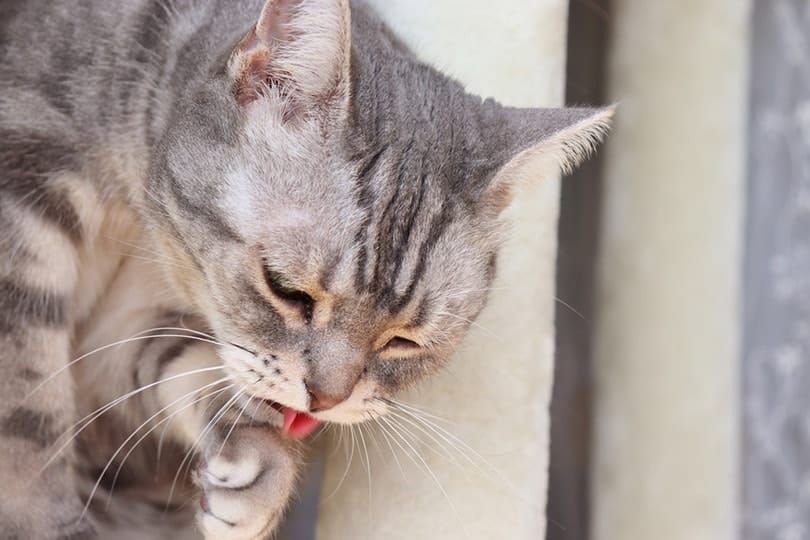
Lead poisoning in cats is an issue you definitely want to avoid for your pet, and it’s a diagnosis that no cat owner ever wants to hear. Thankfully, lead poisoning, or “plumbism”, as it has previously been called, is a relatively uncommon diagnosis in today’s veterinary world—in large part due to the regulation of lead-based paints, which have been slowly phased out for less toxic paint bases.
However, there are still other ways that lead poisoning in cats can occur. Knowing about the possible causes, how to prevent them, and the signs can be helpful. If caught early, many cats with the condition can receive treatment. On the other hand, if it is caught at a later stage, many cats with this condition may face euthanasia since it is a toxin that builds up over time and can cause irreversible damage or illness. Many times, the condition is only definitively diagnosed through blood testing by your cat’s veterinarian.
Read on to learn more about lead poisoning in cats.

What Is Lead Poisoning in Cats?
Lead poisoning is the ingestion of toxic amounts of lead or lead-containing substances. Generally, this is a toxicity that builds up over time—often over months or years. Lead poisoning in cats is less common than in dogs or other species, such as cattle, as cats are not as likely to eat foreign objects as these species. However, cats’ grooming and ingestion of lead dust have been reported as a concern for lead toxicity.
When lead reaches certain levels in the body, it can impact a variety of important organ systems, as well as the production of certain cell types (e.g., red blood cells). Lead is absorbed through the gastrointestinal tract and eventually deposits in the bones. Lead impacts the function of the kidneys, the brain, the reproductive system, and the ability of the body to produce red cells, amongst other things. Therefore, it can be quite a serious disease due to its widespread effects on the body.

What Are the Causes of Lead Poisoning in Cats?
Lead Paint
Lead-based paints tend to be found in older buildings, which are becoming less and less common to encounter. In part, these paints have fallen out of favor for this exact reason—that the toxicity they can cause with repeated exposure can, in turn, result in lead poisoning.
Generally, this takes repeated exposure over a long period. For cats, this can involve eating paint flakes repeatedly (or grooming them off the haircoat) or chronically licking items that are painted in lead paint. If you suspect your cat may have been exposed to lead-based paints and eaten them, contact your vet right away to find out how to proceed.
Other Sources
Less commonly, cats can be exposed to other lead sources that can include lead shot or pellets, lead fishing weights, leaded gasoline, contaminated foliage, or contaminated food. Older houses may also contain lead pipes that can leach lead into water over time.
Where Are the Signs of Lead Poisoning in Cats?
Signs of lead poisoning in cats can vary widely. Often, clinical signs will depend on how prolonged the exposure has been and the amount of lead that has been ingested.
Signs of lead poisoning can include:
What Are the Potential Dangers of Lead Poisoning in Cats?
The dangers of lead poisoning result from the profound impact the toxin can have on the body. If caught early, dangers may be limited to gastrointestinal upset. However, as the toxicity progresses, a cat can become anemic due to red blood cell damage from the lead.
The kidneys can also be damaged by lead, leading to kidney failure. Infertility can result from similar damage to the reproductive organs. Additionally, lead poisoning can impact the nervous system, leading to changes in behavior and mental status. The longer and more frequent the exposure to lead, the more likely it is to have a greater impact on the body systems and their functions.

Frequently Asked Questions (FAQs)
What should I do if I suspect my cat might have lead poisoning?
If you suspect your cat might have lead poisoning, contact your veterinarian immediately. They will be able to properly assess the situation and the severity, as well as guide you on how best to proceed.
Is lead poisoning contagious?
No, one cat with lead poisoning can’t cause other cats to get it. However, if one animal in the house (or a person) is diagnosed with lead poisoning, consider that the other pets may also have been exposed if the source was environmental. In this case, it would be a good idea to have them checked as well!

How is lead poisoning in cats diagnosed?
Although clinical examination and medical history can help identify lead poisoning, especially if known exposure has occurred, bloodwork may be needed to help definitively diagnose the condition.
What are the treatment options for lead poisoning in cats?
It depends on the form of exposure, the amount of lead ingested, and how badly affected the cat is.
A single exposure to a small amount of lead still warrants a trip to your veterinarian, though it might not require any treatment.
Treatment therapies may include medications designed to chelate (bind) any lead and antioxidants to prevent tissue damage. Treatment is far more likely to be successful if the exposure has only recently happened or if the amount ingested was very small.
Chronic exposure to lead, in large amounts, is often very resistant to treatment.
Conclusion
Fortunately, Lead poisoning in cats is uncommonly encountered. However, it is of real concern when it does occur. Many cats with minimal exposure to lead can do well. However, longer-term exposure to large amounts of ingested lead can lead to fatality.
So, if you suspect your cat may have been exposed to or eaten lead, it is very important to let your veterinarian know the circumstances and why you suspect the exposure. Often, your vet will want to do an examination and then proceed to diagnostics to determine the next best steps based on how severe the condition is.
See Also:
Carbon Monoxide Poisoning in Cats: 3 Vet-Reviewed Critical Signs
Can a Cat Detect Carbon Monoxide? The Interesting Answer! (Vet Reviewed)
Sources
https://www.msdvetmanual.com/toxicology/lead-poisoning/lead-poisoning-in-animals
https://www.mayoclinic.org/diseases-conditions/lead-poisoning/symptoms-causes/syc-20354717
https://www.petmd.com/cat/conditions/digestive/c_ct_lead_poisoning
https://www.aspcapro.org/resource/understanding-and-treating-lead-toxicosis
Featured Image Credit: chie hidaka, Shutterstock
Expert cat care, straight to your inbox
News, insights, and useful advice, delivered to you.

No spam — unsubscribe anytime.
By signing up, you agree to our Terms & Conditions and Privacy & Cookies Policy.
How useful was this post?
Click a star to rate. You can leave written feedback afterwards. (We read all feedback.)
Dr. Lauren Demos DVM (Veterinarian)
As a veterinarian, Lauren is eager to share her experience in emergency medicine and cats, with our readers. She loves sharing helpful, real life tips for having cats as part of your life, and what to do in critical situations with your pets.
Lauren is a vet with over a ten years of experience in cats and dogs, along with infectious diseases. She enjoys teaching, and lectures for students, pet owners, and clinicians, on various topics.
Lauren received her degrees from Murdoch University, in Perth.