What's the Price of Cat & Kitten Vaccinations in Canada? (Costs in 2026)

In this article
The moment that you adopt a kitten, you're committing to a lifetime of caring for them. You'll need to provide them with high-quality food, access to clean water, a comfortable bed, hiding spots, toileting areas, company, and a safe environment with plenty of toys and scratching posts to keep their life fulfilling and enriching. In return, you'll get many years of snuggles and companionship.
However, one aspect of pet ownership that is sometimes overshadowed by the excitement of bringing home a new pet is providing them with regular veterinary care. Vaccinations are essential to keeping your kitty healthy, and they're something that you'll need to commit to providing for your pet year after year. Sadly, vaccines aren't free for pets like they are for Canadian humans.
Fortunately, knowing how much you will need to spend on vaccinations every year can help you develop a budget. The average cost to vaccinate your kitten is between $25 and $75 per shot, depending on where you live, what type of clinic you visit, and the number of vaccines your cat receives Keep reading to learn the costs of cat and kitten vaccinations in Canada.

The Importance of Cat & Kitten Vaccinations
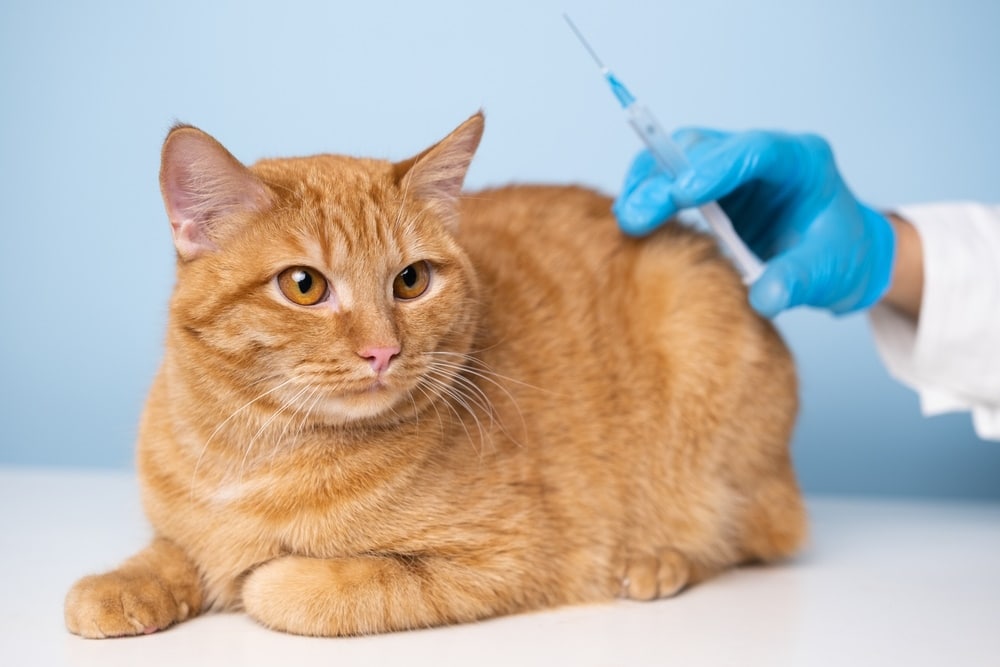
One of the best ways to ensure your kitten stays healthy is to keep up to date with their vaccinations. Feline vaccines, like those for humans, protect your kitty against infectious diseases that can harm them when given on the proper schedule.
Kittens are vulnerable to several infections because of their still-developing immune systems. Therefore, staying on schedule with their vaccinations is imperative to minimize exposure to infectious agents. If not much is known about the early weeks of your kitten's life and how much they were able to nurse from their mother, it is particularly essential to get the vaccines on time.
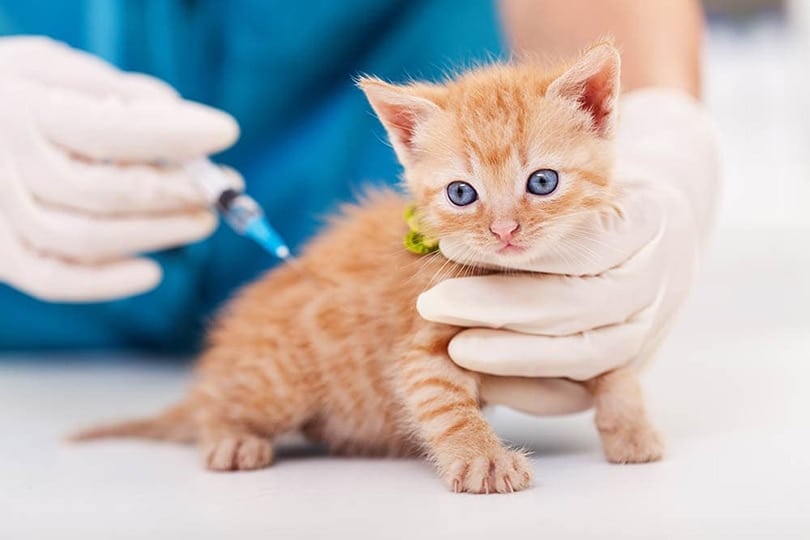
Kittens get a series of vaccinations over 4 months, beginning when they're around 6 to 8 weeks old. Vaccinating them earlier is not recommended or effective, as young cats should receive antibiotics from their mother's milk for the first several hours after birth. These antibodies last several weeks and can interfere with how well a kitten responds to vaccines.
It's not just kittens that need vaccines, however. Adult cats must receive boosters every 1 to 3 years, depending on the vaccine and lifestyle.
How Much Do Cat & Kitten Vaccinations Cost?
The price of your kitten and cat's vaccines will vary depending on several factors. First, your location in Canada can significantly impact the price of your veterinary care. Each clinic has different prices, and it may do so to stay competitive with other vets in your city.
Secondly, the final cost depends on the type of clinic you're visiting for the vaccines. If you're on a tight budget, we recommend contacting your local SPCA to see if they offer vaccines at a lower rate. Our research indicated that provincial SPCAs provide feline vaccines for about half the cost of animal hospitals. Your area might also have a low-cost veterinary service where you can vaccinate your pet even cheaper than the SPCA price.
The number of vaccines you get for your cat will also affect the cost. Most vets recommend three primary vaccines—FVRCP, feline leukemia virus (FeLV), and rabies—but yours will take your cat's lifestyle into account when creating a vaccine schedule for them.
Booster shots are only needed once every 1 to 3 years, so vaccinating your adult cat will be much more affordable.
| Vaccine | West Coast SPCA | East Coast SPCA |
| FVRCP | $37 | $25 |
| FeLV | $37 | $25 |
| Rabies | $37 | $25 |
Additional Costs to Anticipate
Unfortunately, most vet visits aren't as simple as popping in to get a vaccine and leaving. While getting an appointment strictly for vaccines is possible, most vets will recommend having a wellness exam performed simultaneously. We encourage getting the wellness exam, especially when it is your kitten's first time seeing a vet and when it is time for your adult cat's annual visit. You can expect a wellness exam to cost between $70 and $150.
Your vet might suggest other vaccines that protect against Bordetella or Chlamydophila felis, especially if you have an outdoor cat or live in a multi-cat household. These vaccines are typically around $30 to $45 each.

How Often Do Cats Need Vaccines?
Your kitten should get their first vaccine, FVRCP, between 6 and 8 weeks. They should then get a series of shots every 2 to 4 weeks until they reach 16 weeks. These vaccines will generally include FeLV and the second and third rounds of the FVRCP vaccine. At around the 3-month mark, the rabies vaccine should be administered.
FVRCP and rabies boosters are recommended at the 1-year mark and every 3 years after that. The FeLV booster may be necessary yearly if your cat is at risk of contracting the virus. Your vet will create a vaccination plan depending on your cat's needs.
Does Pet Insurance Cover Vaccinations?
Pet insurance can cover vaccinations, but it depends on your policy. Most plans that provide preventative or wellness care provide some form of vaccine coverage; the reimbursement rate will depend on your plan. Some companies cover a certain number of vaccines annually, while others will put a dollar amount on how much you can claim for vaccines.

What Vaccines Are Recommended?
The American Association of Feline Practitioners Vaccination Advisory Panel recommends that all indoor cats receive FVRCP, rabies, and leukemia vaccines. The FVRCP is a combination vaccine that protects your cat from three common diseases: feline viral rhinotracheitis (caused by feline herpes virus type-1), feline calicivirus, and feline panleukopenia. All three of these viruses are highly contagious and potentially life-threatening.
Rabies is a deadly viral infection that spreads through bites but is also transmissible if a wound is exposed to saliva from an infected animal. Skunks, bats, and raccoons are among Canada’s most common wild carriers of the infection. Rabies is fatal once signs begin to develop.
FeLV is the primary cause of virus-associated deaths. The virus kills approximately 50% of cats within 2.5 years of diagnosis. The disease is transmitted from cat to cat through saliva, nasal secretion, feces, or urine. Communal grooming and fights are the most common ways the virus spreads, though kittens can contract the disease in utero or through their mother's milk.
Your vet may also recommend other vaccines depending on your cat's lifestyle, age, and living situation. The Bordetella vaccine is recommended for cats that live in tight living quarters, such as those in shelters or multiple cat homes. Chlamydia felis vaccine is sometimes included in the FVRCP combo. It's generally only recommended in multi-cat households with a confirmed infection.
Conclusion
Vaccinations protect your kitten and adult cats from dangerous and common infectious agents. Although there is an upfront cost to getting your kitty vaccinated, in the long run, you could save yourself money and your kitten from serious illnesses. Cats that develop the viruses the vaccines prevent can rack up hefty vet bills quickly. A few hundred dollars per year is worth it if your cat can remain healthy and virus-free.
Featured Image Credit: H_Ko, Shutterstock

Expert cat care, straight to your inbox
Vet-reviewed advice, behavior tips, and the best of Catster. Free, and you can unsubscribe anytime.
By signing up, you agree to our Terms & Conditions and Privacy & Cookies Policy.
For Chantelle, writing and animals are the two driving forces in her life. Growing up on the Canadian prairies surrounded by pets, she now shares her home with five cats, two guinea pigs, and a bearded dragon. Chantelle, her husband, and their child pride themselves on being dedicated pet parent, even spending a fortune on wall-mounted cat shelves to provide their cats with an indoor jungle gym. When she's not snuggling with her cats or photographing their humorous moments, Chantelle is exploring the Rocky Mountains, rewatching her favorite Netflix series, and reading up on various random subjects.
Join the conversation
Ask a question, share your story, or send private feedback.