Catster is reader-supported. When you buy via links on our site, we may earn an affiliate commission at no cost to you. Learn more.

Cat Health & Care

Is Vanilla Essential Oil Safe for Cats? Vet-Approved Facts & FAQ

By Rachel Giordano · Reviewed & fact-checked by Dr. Maxbetter VizelbergVet Approved
Dr. Maxbetter Vizelberg
Reviewed & Fact-Checked byDr. Maxbetter VizelbergDVM (Veterinarian)
A native of New Orleans, Louisiana, Maxbetter has been cultivating his interest in veterinary medicine since a young age. From being read Russian children’s stories about “Doctor Aybolit” by his grandmother to interning at the Israeli Wildlife Hospital to working at numerous small animal hospitals, he has thoroughly enjoyed learning about and sharing his joy of animals with others over the years. He prides himself on educating others to help give their animals the best possible lives and strives to provide the best medical care to his patients. Outside the clinic, he can be found performing his rap songs at open mics, playing soccer and basketball, and going on hikes with family and friends. He currently practices in New York City.View authorThe information is current and up-to-date in accordance with the latest veterinarian research. Read about our vets
Share
Catster_Is Vanilla Essential Oil Safe for Cats

In this article

Essential oils come from extracting oils from certain plants and flowers, and vanilla essential oils come from fermented vanilla beans. You can use vanilla essential oils for many things, such as flavoring agents in foods and beverages, in oil diffusers for pleasant scents, and even in the pharmaceutical industry. But is vanilla essential oil safe for cats? The short answer is no, vanilla essential oil is not safe for cats.

In this article, we'll dive into vanilla essential oil and discuss why it's best to avoid using it as well as other essential oils around your cat.

divider cats oct 2024

Is Vanilla Essential Oil Safe for Cats?

Generally, no essential oils are safe for cats. According to the ASPCA, essential oils in their 100% concentrated form are toxic to animals when digested, inhaled, or put onto the fur, which penetrates down into the skin. Vomiting, diarrhea, and depression are common symptoms of essential oil poisoning in cats.

Essential oils are metabolized through the liver, and cats have a decreased number of liver enzymes that do not allow the oils to be metabolized effectively. Remember that cats are self-groomers, meaning if they get any essential oil on their fur, they will lick it off and digest the oil, and it doesn’t take much to pose a health problem.

Image By: Ninetechno, Pixabay

What Are the Symptoms of Essential Oil Poisoning?

If you suspect your cat has digested, inhaled, or had direct contact with an essential oil, watch for these signs:

  • Drooling
  • Lethargy
  • Difficulty breathing
  • Smell the scent on the fur
  • Pawing at the face or mouth
  • Muscle tremors
  • Burns or redness in the mouth (lips, tongue, gums) or the skin
  • Vomiting

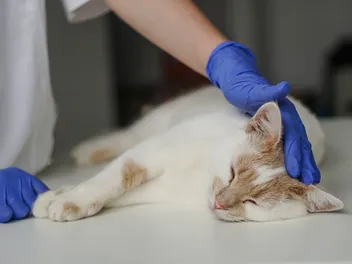
If you suspect that your cat is suffering from any of the above, it's best to contact your vet or animal poison control for more information and determine your next steps.

Shortcoder: pangovet-infection-illness

What Essential Oils Are Considered Toxic?

As we’ve mentioned, no essential oil is 100% safe for cats, but some are more toxic than others. Here are the oils to avoid at all costs:

divider cats oct 2024

Tips for Keeping Your Cat Healthy & Safe

Many people love to use oil diffusers to give off a pleasant scent in the home. Before using one, we recommend consulting your veterinarian. And if you buy a diffuser, ensure it’s a passive one rather than an active one.

Passive diffusers work by evaporating the oil into the air, whereas active diffusers disperse droplets of the oil into the air, which can land on your cat’s fur. Plug-in, reed diffusers, and candle burners fall into the passive diffuser category and are considered the safer of the two. Some essential oils are more harmful than others, and vanilla essential oil is not classified as one that is harmful. However, it’s best to avoid any essential oils altogether for the safety of your cat and any other pets in the home.

Rinse your cat immediately with mild dish soap if you notice any oil on the fur. In general, the quicker you take action, the better the prognosis, whether your cat inhaled, digested, or made direct contact with the fur. Keep essential oils out of reach from your cat, and if you must have a diffuser, keep it in an area of the home where your cat cannot access it.

Image Credit: Pixel-Shot-Shutterstock
divider cats oct 2024

Conclusion

For the best chance of keeping your cat safe, we recommend not using any essential oils, whether it’s vanilla or otherwise. Essential oils pose too much of a health risk for your cat and are not worth the chance.

If you want to keep a diffuser in your home, opt for a passive diffuser and keep it in an area your cat cannot access. Also, consult your vet before using any essential oil as an extra precaution.

Sources

Featured Image Credit: Madeleine Steinbach, Shutterstock

The Catster Newsletter

Expert cat care, straight to your inbox

News, insights, and useful advice, delivered to you.

No spam — unsubscribe anytime.

By signing up, you agree to our Terms & Conditions and Privacy & Cookies Policy.

Click a star to rate. You can leave written feedback afterwards. (We read all feedback.)

Rachel Giordano
Authored by

Rachel Giordano

Leave a Reply

You're very welcome to leave a comment or question. Please know that all comments must meet our community guidelines, and your email address will NOT be published. Let's have a positive and constructive conversation.

Provirtec Pawtent Ultra Air Purifier Review 2026: Our Expert’s Opinion

Provirtec Pawtent Ultra Air Purifier Review 2026: Our Expert’s Opinion

When it comes to achieving high indoor air quality in a home with pets, the challenges are many. And getting the “best” purifier on the market may not actually…

Sara Seitz
By Sara Seitz ·
How Smart Litter Solutions Can Create a Healthier Life for Cats

How Smart Litter Solutions Can Create a Healthier Life for Cats

Cats are often easy to care for, but difficult to monitor. Their independence can make subtle changes in health and behavior easy to miss, while everyday chang…

Nicole Cosgrove
By Nicole Cosgrove ·
Invisible Aging In Cats: How Veterinary Geroscience Could Help Cats Live Longer, Healthier Lives

Invisible Aging In Cats: How Veterinary Geroscience Could Help Cats Live Longer, Healthier Lives

Cats age in many ways that we cannot see. Veterinary geroscience, a field of study that investigates how aging and chronic disease overlap in pets, is helping…

Dr. JoAnna Pendergrass
By Dr. JoAnna Pendergrass ·
Catster’s Weekly Photo Contest Winners: The Highest Perch (September 14, 2026)

Catster’s Weekly Photo Contest Winners: The Highest Perch (September 14, 2026)

Every week our team gets the privilege of sorting through our readers photos to choose what cats will win this weeks contest! See all the winners here

Radim Chudej
By Radim Chudej ·

What Normal Aging Looks Like in Cats and When You Should Worry

These days, cats can live anywhere from 13 to 17 years on average, with some making it well into their 20s. That is a long life, with considerable changes affe…

Dan Seymour
By Dan Seymour ·
What Normal Aging Looks Like in Cats and When You Should Worry

Vets Urge Owners: Don’t Ignore Sweet Smell Coming From Cats

Cats are not particularly known for having a pleasant aroma. The occasional whiff of fishy cat breath and that unmistakable post-litter-box scent simply come w…

Dan Seymour
By Dan Seymour ·
Vets Urge Owners: Don’t Ignore Sweet Smell Coming From Cats

Meet VOICE: The Program Helping Rescue Pets Through Simple Daily Clicks

What if you could help feed animals in need without spending a dime? At a time when the cost of living keeps rising, one of the first things to be scrapped fro…

Dr. Karyn Kanowski
By Dr. Karyn Kanowski ·
Meet VOICE: The Program Helping Rescue Pets Through Simple Daily Clicks

One in 100 Cats Gets Diabetes - Here's How to Catch It Early

One in every 100 cats develops diabetes.1 That's not a rare, unlucky condition reserved for cats with obvious health problems. It's common enough that most vet…

Dan Seymour
By Dan Seymour ·
One in 100 Cats Gets Diabetes - Here's How to Catch It Early

Why One Squinting Eye in Cats Is Never Worth Ignoring

A cat squinting both eyes is usually a sign of contentment. A cat squinting just one eye is a different story. That asymmetry matters more than most cat owners…

Dan Seymour
By Dan Seymour ·
Why One Squinting Eye in Cats Is Never Worth Ignoring

Boost Your Cat’s Protection This Summer with Great Deals on Flea & Tick Prevention at PetSmart

With warm weather on the horizon, it’s time to get ready – and we’re not talking about working on our beach bod! While summer might be the season of sunny days…

Dr. Karyn Kanowski
By Dr. Karyn Kanowski ·
Boost Your Cat’s Protection This Summer with Great Deals on Flea & Tick Prevention at PetSmart

Why Healthy Cats Still Vomit Sometimes (And How to Respond)

A cat that just vomited needs a specific kind of care, and the feeding decisions you make in the next few hours actually matter. Too much too soon can make thi…

Dan Seymour
By Dan Seymour ·
Why Healthy Cats Still Vomit Sometimes (And How to Respond)

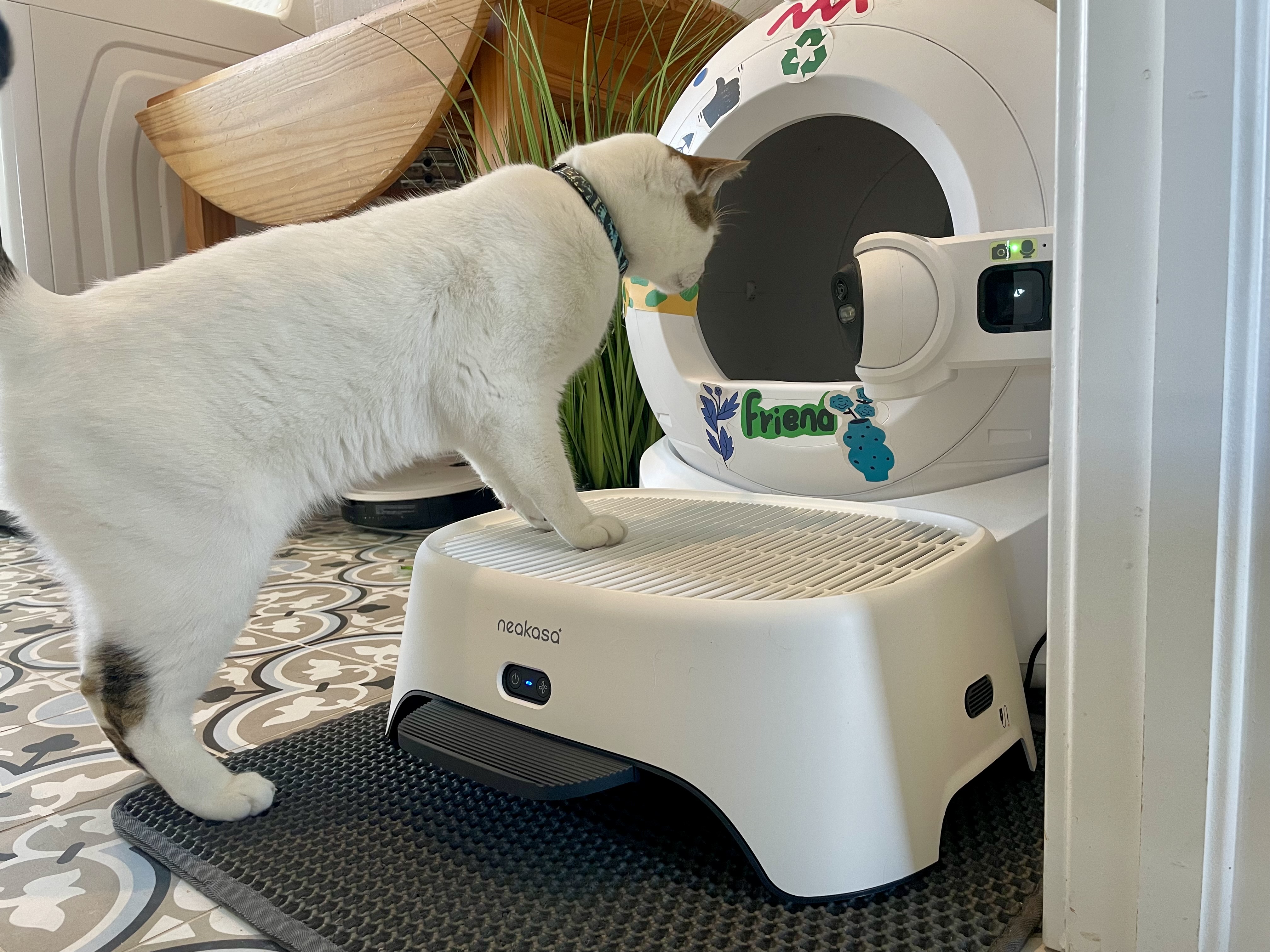
Neakasa AirStep Odor-Eliminating Cat Litter Box Step Review 2026: Our Expert’s Opinion

For most cat owners, the battle against litter box odors is an endless one. It doesn’t seem to matter how good your litter is at absorbing odors, how often you…

Sara Seitz
By Sara Seitz ·
Neakasa AirStep Odor-Eliminating Cat Litter Box Step Review 2026: Our Expert’s Opinion

Love Cats? So Do We! Join the Catster Community

Stay informed with expert cat care insights delivered straight to your inbox! Discover professional guidance on feline behavior, feeding tips, trusted product picks, and much more.

You may opt-out at any time. View our Privacy Policy for more information.

The Catster site on a phone