Are Diffusers Safe for Cats to be Around? Vet-Approved Science & Safety Guide


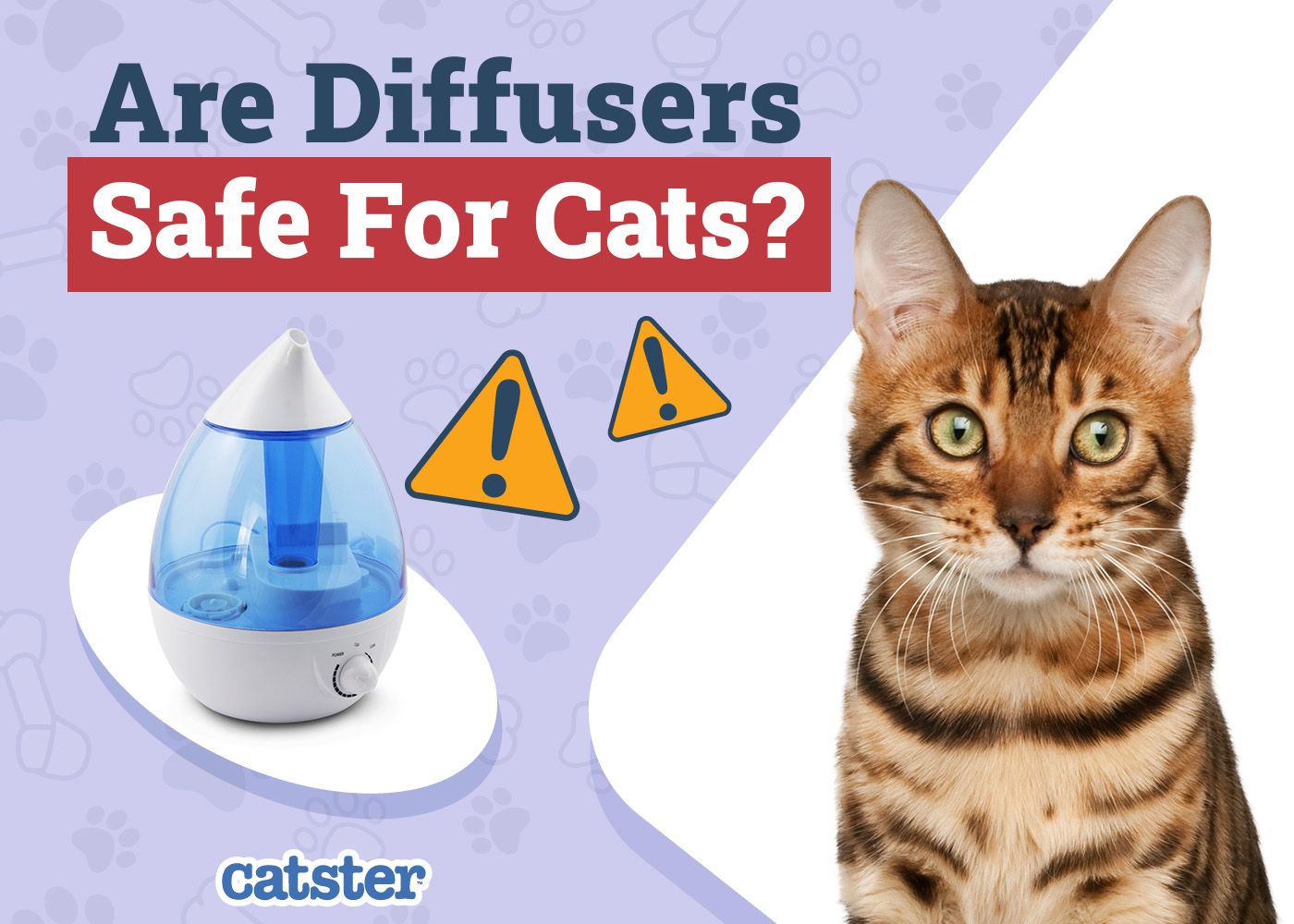
It may surprise you to learn that cats primarily interpret the world from their nose. This is because, like many other animals, their sense of smell is stellar. You may wonder if diffusers are safe to use around them. Though diffusers can occasionally be safe for cats, more often than not, they’re very risky and are best avoided around your feline.
Our guide will explain what you need to know and what diffusers are safe for your pet and which ones you should avoid. Let’s begin by putting your cat’s olfactory world in perspective.

Cats & Their Sense of Smell
Cats navigate their world through scent. They are better suited than we are to rely on this sense so heavily. The number of scent receptors that an animal has in the tissues lining their nasal cavities is an excellent indication of how well-developed their sense of smell is. When we smell something, it sends a chemical signal to our brain to identify it. Cats have about 200 million receptors. We humans have 5 million.
However, the risk with diffusers isn’t necessarily associated with what your cat can smell, but rather, the health risks of whatever it is you’re diffusing and the safety of the diffuser itself.

Are Diffusers Safe for Cats?
With such a strong sense of smell, you might be wondering if a diffuser is safe for cats to be around. Generally speaking, a diffuser poses too many risks for most cats and is best avoided. In order to use a diffuser around a cat, you have to consider the following:
Considerations for Diffusers
Types of Diffusers
A diffuser acts as a medium to disperse whatever content is placed inside it. For most people, these are essential oils. You’ll see several types, which can influence the safety factor. Many, such as candles, water, or electric devices, use heat to speed up the process. There are also nebulizers and reed diffusers. The objective is to control the release so the scent will last the longest time for the best value.
The operative phrase is the dispersal method. Anything involving a flame or heat carries a burn risk. Keeping your cat from getting too close to it is essential. The reed type might seem safe because it’s just relying on the movement of the essential oil up its length. However, the concentration of the content can pose an issue, both for pets and people.
Content in the Diffuser
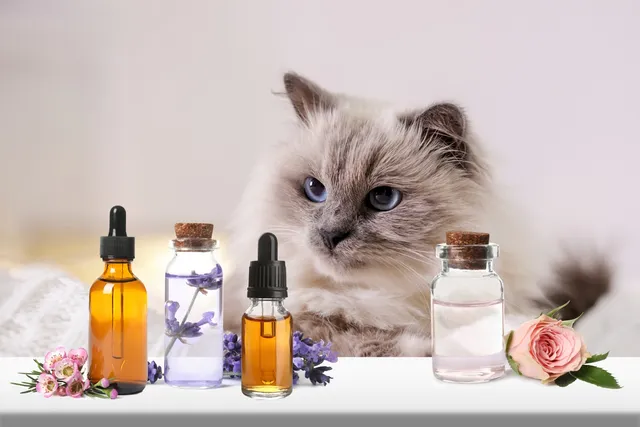
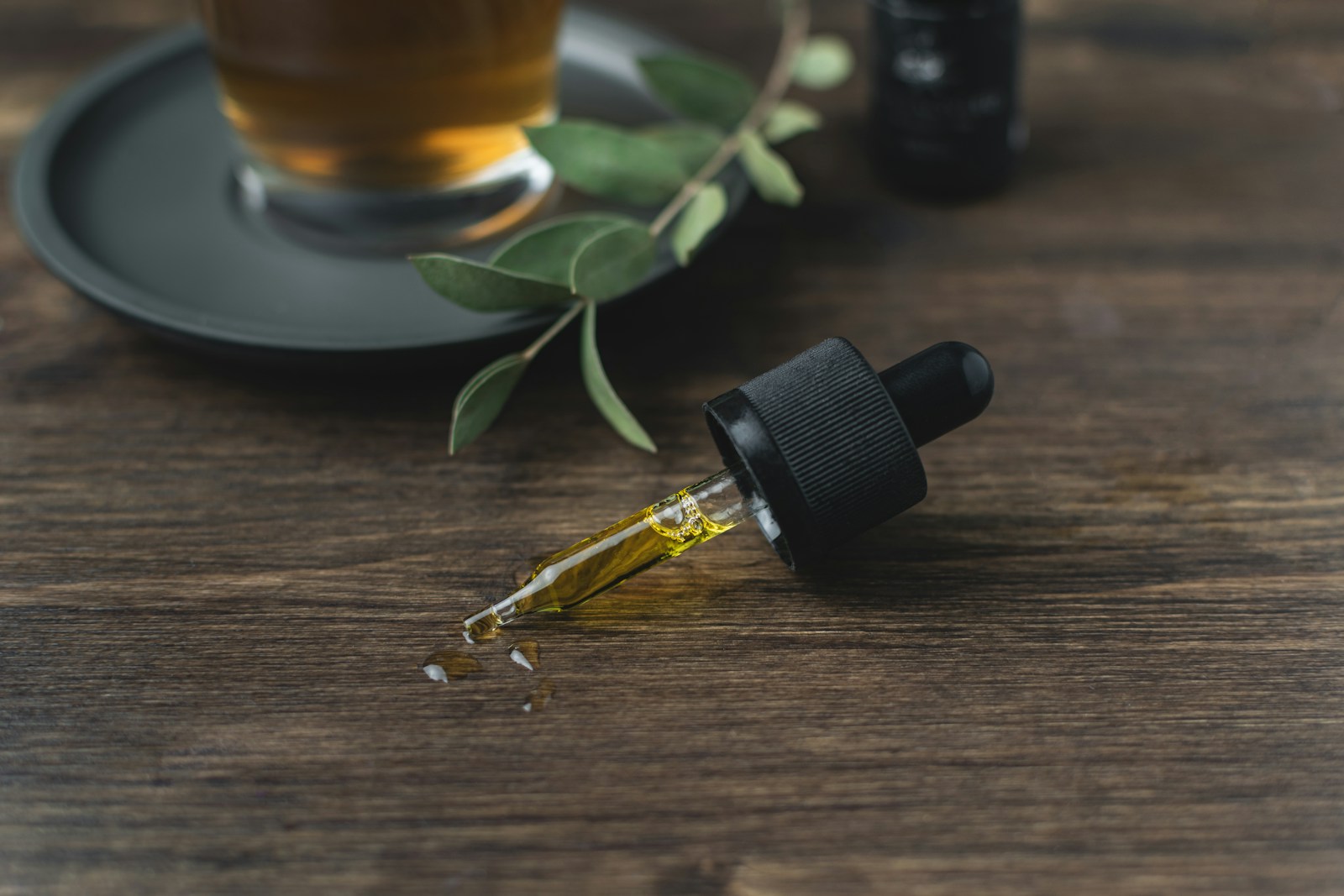
What is inside of your diffuser is the next part of the answer. Essential oils are concentrated volatile compounds responsible for what you and your cat smell. Almost all essential oils are considered unsafe for cats and shouldn’t be diffused around them, unless you are specifically instructed to do so by a holistically trained, licensed veterinarian. Such veterinarians are also able to formulate the appropriate dilutions of essential oils safe to use around your feline.
Essential oils are considered unsafe for kittens, pregnant cats, sick cats, and lactating cats. Cats lack the enzymes necessary to break down essential oils and can easily ingest them because a diffuser would release tiny droplets into the air, which would fall on various surfaces a cat could come into contact with. At other times, these droplets may fall directly onto your cat. Your cat may inadvertently ingest them whenever they groom themselves. In addition, the diffused essential oils are also an inhalant risk for cats.
While you may associate certain scents with cleanliness, they’re more likely to adversely affect your cat rather than help them. It’s also worth mentioning that certain oils we commonly find in the market, such as citrus oils, are toxic to both cats and dogs and have the potential to cause nervous system problems. So, if your pet might not like the oil and it could hurt them, why would you use it in your and your kitty’s home?
Fortunately, there are diffuser products that are made specifically for and are safe for felines and can even help with behavioral issues. They contain synthetic pheromones that can calm stressed pets and reduce aggression among cats. They are welcome additions to your home because of the potential health benefits that they offer.
Before exposing your pet to any new environment, we recommend speaking to a professional.
Access to the Diffuser
Access is an essential thing to consider, especially with kittens. Curiosity will drive many pets to explore new things in their home, even if it isn’t the safest for them. If a cat finds the scent pleasing, there’s a risk of them ingesting a toxic amount if they can get inside of it.
On the surface, it seems that there’s a simple fix for that issue: keep the diffuser out of reach of an inquisitive feline. In practice though, this is very difficult. Cats are remarkably athletic and agile and can easily jump onto a surface (especially if they’re curious enough to explore it).
Usage
Cats have a keen sense of smell. They use it to mark their territory — including you — and help them feel secure. However, as mentioned above, there are many risks associated with diffusers beyond their smell, which warrant extreme caution with their use. Therefore, it’s best to not have your cat in the room whenever you’re diffusing anything for yourself.

Final Thoughts
It’s essential to view questions like this one from your cat’s perspective, given the importance of smell in their world and the toxicity of essential oils for cats. Generally speaking, if you wish to use a diffuser for yourself, it’s best to remove your cat from the space prior to doing so. Diffusing products specifically made for cats, however, is considered safe.
See Also:
Featured Image: Kristi Blokhin, Shutterstock
Expert cat care, straight to your inbox
News, insights, and useful advice, delivered to you.

No spam — unsubscribe anytime.
By signing up, you agree to our Terms & Conditions and Privacy & Cookies Policy.
How useful was this post?
Click a star to rate. You can leave written feedback afterwards. (We read all feedback.)
Christian started writing for a local newspaper as a teenager, and he's been involved in the publishing industry for most of his adult life. Combining his love of writing with a passion for animals, he is currently the Director of Editorial at Pangolia and the Editor-in-Chief at Catster.
Christian lives in the Philippines with his wife, son, and four rescue cats: Trixie, Chloe, Sparky, and Chopper.