Why Your First Cat Shouldn't Be One of These Breeds

You've scrolled through enough cat photos to know which breed you want. Maybe it's that sleek Bombay that looks like a miniature panther, or the exotic-looking Savannah with its wild leopard spots. You're ready to bring one home, set up the litter box, and start your life as a cat owner.
Here's what no one tells you in those adorable Instagram posts: some cat breeds will make your first experience with cat ownership feel like advanced-level chaos. They're not bad cats. They're just cats with personalities, quirks, and needs that can overwhelm someone who's never navigated feline behavior before.
If you're a first-time owner, these breeds deserve serious consideration before you commit.

The 5 Least-Recommended Cat Breeds for First-Time Owners
1. Bombay: The Rough Player

Bombays look exactly like miniature panthers, and they seem to believe they are panthers. This isn't a breed that does gentle, delicate play. They play rough, and you'll come away with scratches and bite marks as proof. It's not aggression exactly, but it's physical intensity that catches new owners off guard.
They also startle easily. Loud noises or sudden movements can trigger a defensive lash-out, which makes them particularly unsuitable for homes with small children who haven't learned volume control yet. If you've never learned to read cat body language or redirect rough play before it escalates, a Bombay will school you the hard way.
2. Persian: The Allergy Amplifier

Persians are loving, loyal, and incredibly comforting when they're curled up purring in your lap. They make excellent emotional support animals. So why would they be challenging for first-time owners?
One word: allergies. If you're even slightly allergic to cats, a Persian will expose that fact immediately and dramatically. They produce more of the Fel d 1 protein (the one responsible for allergic reactions) in their coat than any other breed. Expect constant sniffling, red eyes, and possibly worse if you're sensitive. Many people discover they're allergic to cats only after bringing home a Persian, which creates a heartbreaking situation where you have to rehome a cat you've already bonded with.
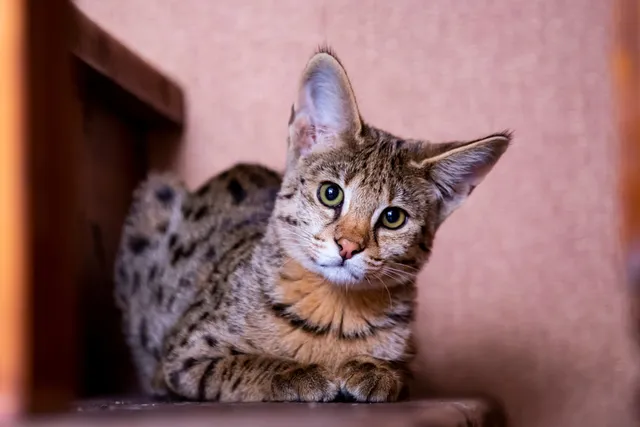
3. Savannah: The "Don't Touch Me" Cat

Would you run up to a leopard in the wild and try to pick it up? Of course not. So why would you assume you can cuddle the leopard-lookalike Savannah?
Savannahs hate being held, and they'll make that abundantly clear with claws and teeth if you push the issue. They're independent, aloof, and need owners who understand how to give cats space and wait for them to approach on their own terms. First-time owners often want an affectionate, cuddly cat. Savannahs are the opposite, and the mismatch leads to frustration on both sides. You'll find yourself buying Band-Aids in bulk while the cat remains distant and unapproachable.
4. Siamese: The One-Person Cat

Siamese cats could easily appear on a "best breeds" list depending on your perspective. They're intelligent, vocal, and incredibly bonded to their people. The problem? They often bond with a single family member and become possessive of that person.
If another family member tries to interrupt cuddle time or get attention from "their" human, the Siamese may respond aggressively. This is particularly problematic in households with children or if you're not the chosen one. Breaking this habit is nearly impossible without significant cat behavior experience, and first-time owners rarely have the training background needed to address it.
5. Egyptian Mau: The Resource Guarder

Egyptian Maus are absolutely stunning cats, but they come with a serious behavioral challenge: resource guarding. Try to take away a toy or treat, and you may pull back a bloody hand. They're withdrawn and quiet, which can hide their mean streak until you accidentally trigger it.
Interestingly, they bond strongly with their families, so you might only see their aggressive side when guests visit. This makes them unpredictable from an outsider's perspective, and managing resource guarding requires behavioral knowledge that most first-time owners simply don't have yet.
Some Other Challenging Breeds for First-Time Cat Owners
Beyond the top five, several other breeds present difficulties that experienced owners can navigate but beginners often struggle with.
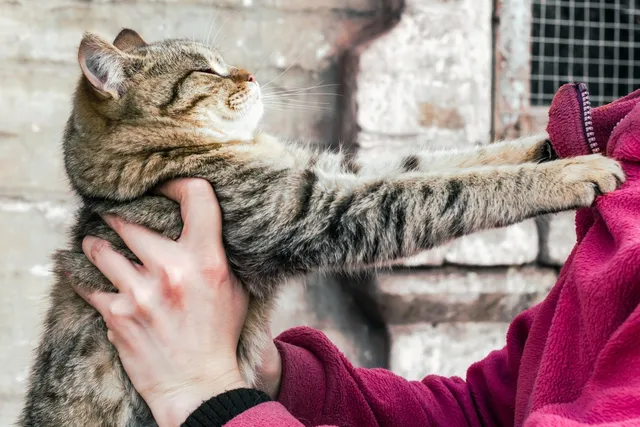
American Wirehairs look adorable and cuddly, which is misleading. They're naturally independent and don't appreciate being picked up for cuddles. They give minimal warning before letting you know you've crossed a line, and they're especially reactive around strangers. Many owners find themselves locking these cats away whenever company visits.
Korats are rare, which may be fortunate given how few homes can accommodate them properly. They demand peace and quiet, and they may lash out violently if they can't get it. They're potentially suitable for single owners who keep quiet households, but disastrous in homes with children.
Singapuras have an alien-like appearance that makes them tempting, but they're strong-willed and extremely skittish. Surprise them and you'll face a flurry of claws and teeth. Without proper socialization, they tend to hide constantly. You could own a Singapura for years and barely see it, only knowing it's alive because the food bowl empties.
Scottish Folds charm first-time owners with their folded ears and smushed faces, but like Siamese, they bond with whoever feeds them and largely ignore everyone else. They also dislike other animals, which creates household tension if you have dogs or other pets.
Bengals are famously wild compared to other breeds, which sounds romantic until you realize wild cats don't enjoy being handled and respond aggressively when picked up. They're fantastic pets if you can handle roughhousing and being stalked around your own house, but that's not what most first-time owners envision when they dream of cat ownership.

Choose Wisely
None of these cats are bad. They're just cats with strong personalities, specific needs, and behavioral quirks that require experience to manage successfully. If you're a first-time cat owner, you're learning everything simultaneously: litter box training, reading body language, establishing boundaries, understanding communication signals, and building trust.
Adding a cat with intense personality traits or behavioral challenges to that learning curve often results in frustration, injuries, rehoming situations, or owners who decide they "just aren't cat people" when the real issue happens to be breed selection.
Start with a breed that has generally easier qualities to work with. Learn what cat ownership actually involves. Build your confidence and skills. Then, if you want, graduate to one of these more challenging breeds with the experience needed to handle them properly.
Or, as the saying goes, you could skip straight to the big leagues and get a tiger. But definitely don't do that.
Feature Image Credit: Marie Charouzova, Shutterstock
Did You Know?
- Our brand-new posts are rounded up and included in our weekly emails. Don't miss out on the latest - sign up for our newsletter below!
Expert cat care, straight to your inbox
News, insights, and useful advice, delivered to you.

No spam — unsubscribe anytime.
By signing up, you agree to our Terms & Conditions and Privacy & Cookies Policy.
How useful was this post?
Click a star to rate. You can leave written feedback afterwards. (We read all feedback.)
Dan has been working in the pet world for over 4 years covering cats, dogs, and all other pets in between. He loves helping pet parents keep their companions happy, healthy, and of course, totally spoiled! Originally from London, Dan now travels and works remotely, which unfortunately means no pets at home, but it gives him plenty of opportunities to fuss over other people's furry friends.