Get

In Your Inbox

Catster is reader-supported. When you buy via links on our site, we may earn an affiliate commission at no cost to you. Learn more.

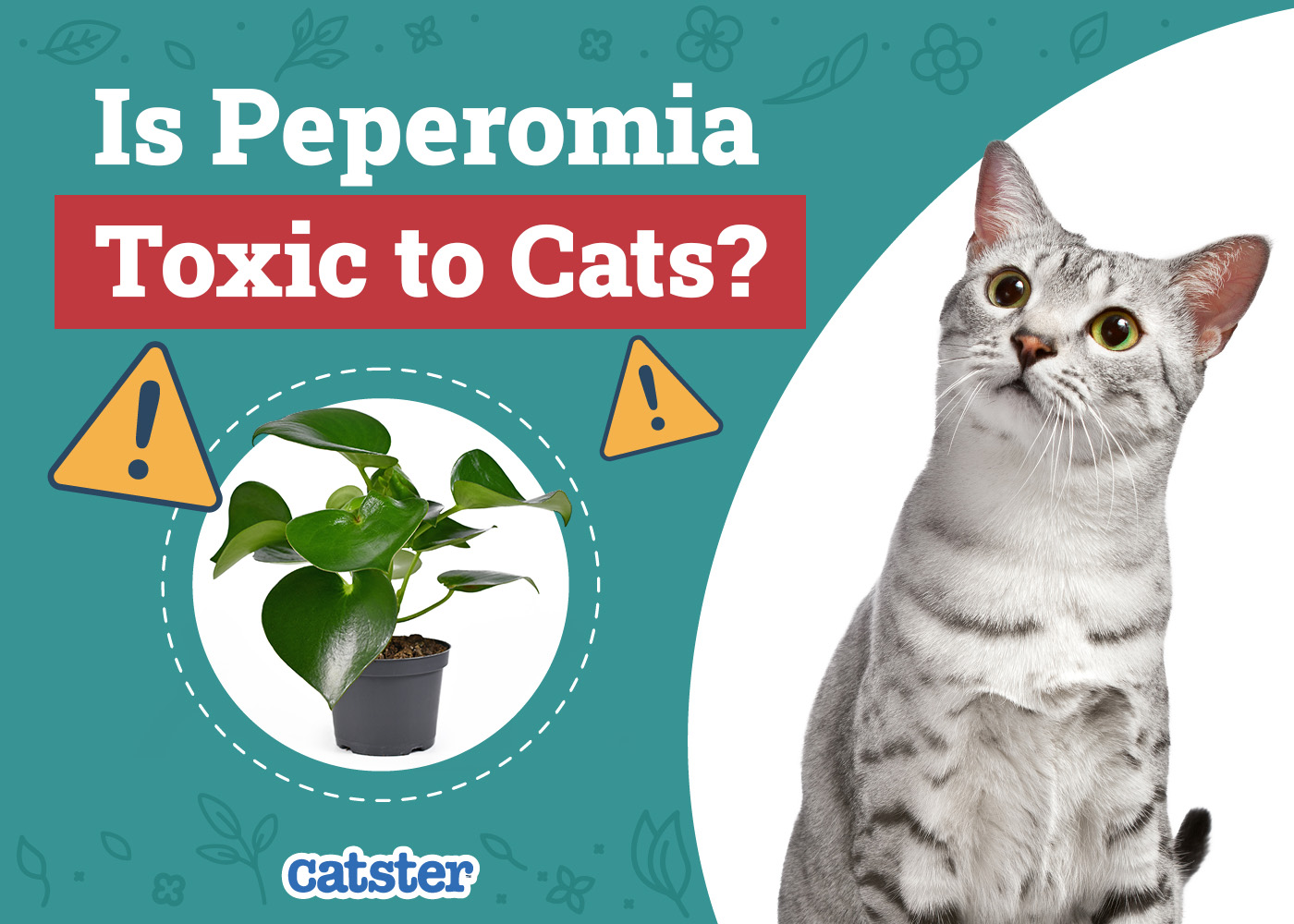
Is Peperomia Toxic to Cats? Vet-Reviewed Houseplants Examined


Share

Catster_Is Peperomia Toxic to Cats

Cats are absolute fiends when it comes to plants. After spending good money on a plant, we always find a nibble on a leaf or an entire plant uprooted from its pot. Even worse, it always puts us cat owners in a state of worry.

You don’t have to worry about peperomia plants because the ASPCA deems this plant 100% safe around cats. Let’s look at peperomia plants and other cat-friendly houseplants to keep in your space.

divider cats oct 2024

A Closer Look at Peperomia Plants

Peperomia plants (Peperomia griseoargentea) are gorgeous tropical plants originating in South America, Mexico, and the Caribbean. They’re quite popular amongst houseplant enthusiasts because of their drought tolerance and interesting leaf texture.

This plant also goes by the names baby rubber plant, rubber elder, and radiator plant, to name a few. Plus, there are over 1,500 species. Some common varieties include:

  • Watermelon Peperomia
  • Red-Edge Peperomia
  • Teardrop Peperomia
  • Silverleaf Peperomia
  • Japanese Peperomia
  • Jayde Peperomia
  • Ripple Peperomia
  • Belly Button Peperomia
  • Cupid Peperomia
  • Suzanne Peperomia

Any one of these peperomia plants is safe around cats and dogs. Just make sure your cat doesn’t overeat your plant. Cats are obligate carnivores and don’t require much vegetation in their diet.

Cats also don’t know when to stop eating the plant, which might make them sick. So, keep your plants away from your kitty as much as possible!

Watermelon-Peperomia
Image By: ATTOMY, Shutterstock

Keeping Your Cat Away From Your Peperomia Plants

Hanging baskets or plant hangers are your best options if you want plants in your home. This will help keep your cat away from your greenery and allow the plant time and space to grow. Plus, hanging plants look amazing near a window.

Wall gardens are another option that works wonders and looks fantastic. Different kinds of wall gardens exist, so you can choose what kind you want based on how many plants you have and what material you prefer.

Another great way to keep your cat away from your plants is to plant a cat garden specifically for your kitty. Some wonderful plants for a cat garden include:

  • Cat thyme
  • Oregano
  • Wheatgrass
  • Parsley
  • Dandelion root
  • Valerian
  • Catnip
  • Cat grass
  • Spider plant

You also can’t go wrong with shelves, either. You can hang shelves in many apartment complexes and homes even as a renter. Keeping your cat off the shelves might be a problem, but you should be fine if you fill the shelf with enough plants.

If that doesn’t work, you can try a tiny indoor greenhouse. This will protect your plants and give you extra room to grow other houseplants.

divider cats oct 2024

Other Cat-Friendly Houseplants

If you don’t want your peperomia to be your only houseplant, try growing these cat-friendly houseplants alongside it:

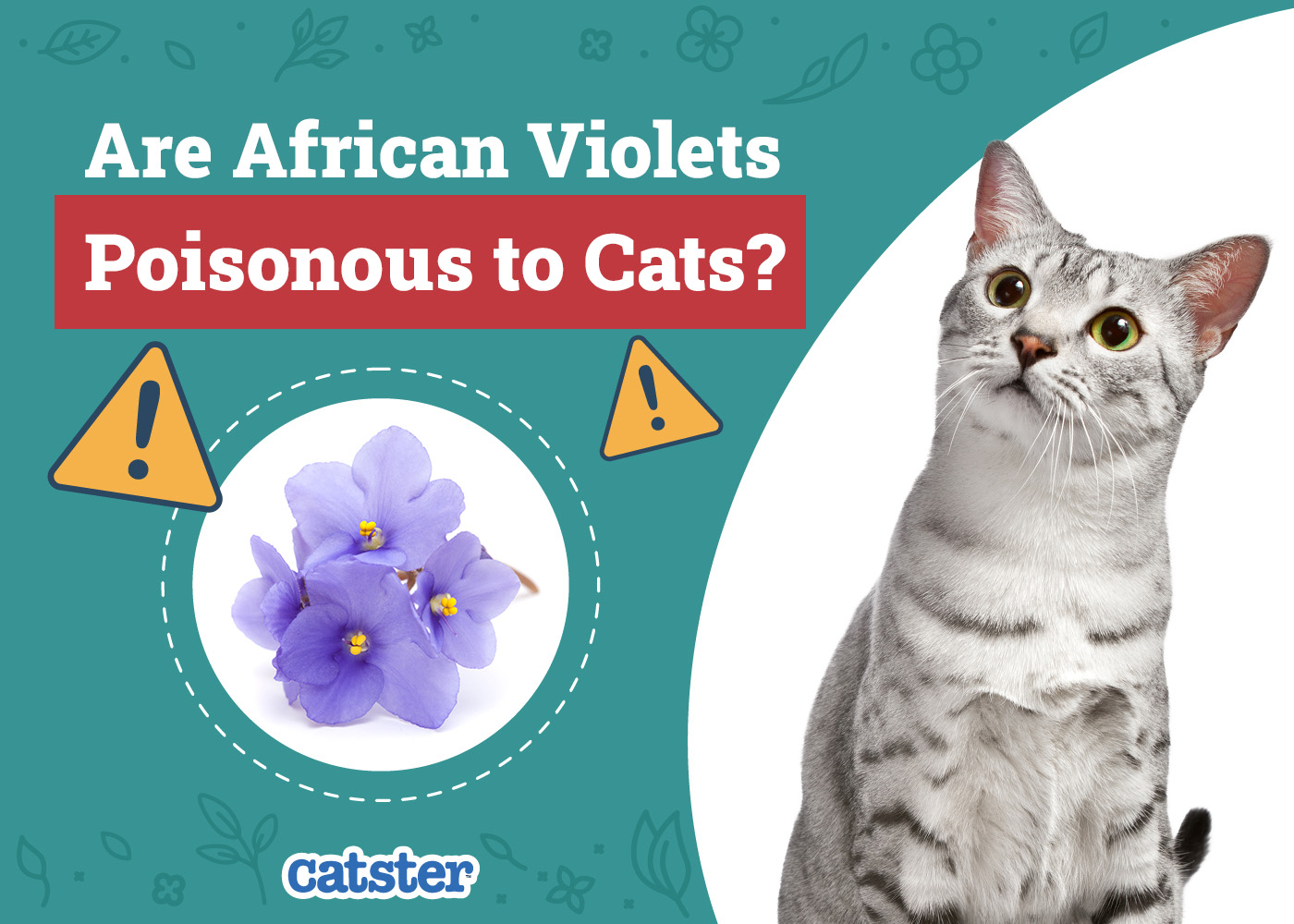
  • African Violet
  • Banana Tree
  • Baby Tears
  • Spider Plant
  • Boston Fern
  • Calathea
  • Orchid
  • Bromeliad
  • Ponytail Palm
  • Gloxinia
  • Areca Palm
  • Polka Dot Plant
  • Mosaic Plant
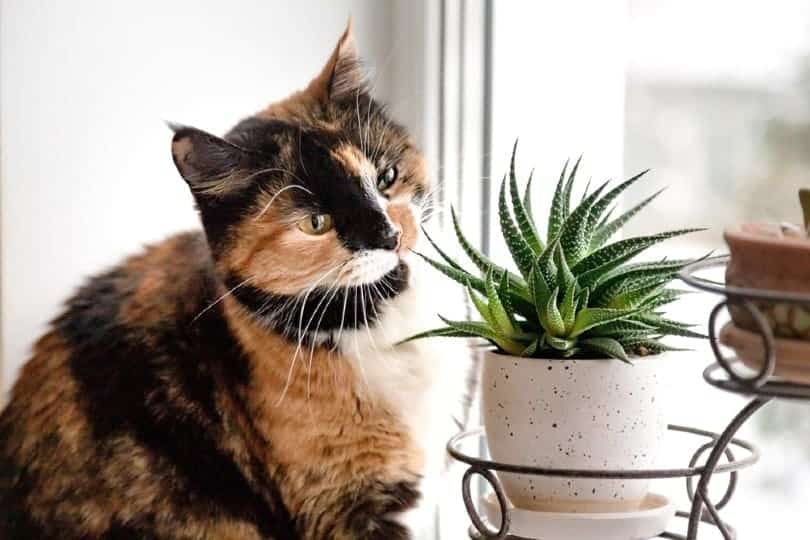
  • Haworthia
  • Swedish Ivy

Some of these plants don’t grow well in hanging baskets and have to be kept on a shelf or table, so keep that in mind when you select your next cat-friendly plants.

cat-surrounded-by-house-plants
Image Credit: Foto2rich, Shutterstock

Houseplants That Are Toxic to Cats

Let’s finish this with a list of plants to avoid if you have cats. All the following plants are toxic to cats to some degree. If you want to grow any of these, make sure you have a safe and secure spot for them.

  • Lilies
  • Ivy
  • Cyclamen
  • Delphinium
  • Aloe
  • Autumn Crocus
  • Azaleas and Rhododendrons
  • Tulips and Hyacinth
  • Sago Palm
  • Dianthus
  • Daisies
  • Dieffenbachia
  • Oleander
  • Kalanchoe
  • Larkspur

divider cats oct 2024

Conclusion

We hope we answered your burning question about peperomia plants and cats. Now, you have some ideas to expand your garden while still being cat-friendly.

Keeping cats away from plants is challenging, and every cat is different. So, know your cat’s behaviors and make purchases based on the information provided to you today. Now, off to your local nursery to fill your home with cat-safe greenery!

See Also: 


Featured Image Credit: leoleobobeo, Pixabay

Want content like this delivered to you?

Sign Up For Our Newsletter

News, insights, expert advice, and everything cat

* By submitting, you agree to our Terms & Conditions and Privacy & Cookies Policy.


How useful was this post?

Click on a star to rate (you can leave written feedback after clicking submit)

Help us improve Catster for pet parents!

Your feedback really matters.

What did you like about this post? Also how can we improve it?

Join the conversation

Leave a Reply

You’re very welcome to leave a comment or question. Please know that all comments must meet our community guidelines, and your email address will NOT be published. Let’s have a positive and constructive conversation.


Catster's Digital Magazine is Back!

Vet-approved health & behavior advice

Real cat stories & community features

Chatting About the Rainbow Bridge, Euthanasia, and Laughter During Grief | Chatty Cattys, Episode 24

If you’ve ever felt the loss of a beloved cat, or are dreading the day when your pet crosses the rainbow bridge, you’ll...

The Simple Reasons Cats Refuse to Let Anyone Use the Bathroom Alone

Cats have an extraordinary talent for making themselves present in the most inconvenient places, and the bathroom ranks near the top of the...

A Paw-sitive Milestone: Canada Officially Becomes a Declaw-Free Nation

Canada has officially become a declaw-free nation. On May 25, 2026, a new regulation was filed in Ontario under the Provincial Animal Welfare...

The Surprisingly Simple Ways to Help a Cat With Hairballs

Cats spend an astonishing amount of time grooming. It is part hygiene routine, part comfort ritual, and part instinct that traces back generations....

More related

How Do Groomers Bathe Cats? A Look Behind the Scenes

While you may know that cats learn how to groom, clean, and take care of themselves at a very young age, that doesn’t...

How Long Does It Take to Adopt a Cat? 3 Vet-Approved Factors to Consider

If you want to adopt a cat, you might wonder how long it will take to bring them home. If your area has...

American Longhair Cat Breed: Info, Care, Pictures, & Facts

The American Longhair cat was developed from crossing a Persian with an American Shorthair. The resulting cat is a playful, easygoing, and friendly...

How to Clean a Cat Litter Box: Our Vet Explains (With 10 Easy Steps)

Cleaning up after your cat includes keeping on top of their litter box hygiene. Not only does this help control unwanted odors in...

Keep reading

Can a Cat Laugh? Vet-Reviewed Scientific Facts & Information

Cat videos took the internet by storm for good reason; these extraordinary little creatures have a way of making us laugh like no other. Every cat lover knows that when you share your life with a feline companion, you are...

laughing cat

Why Are Cats Afraid of Water? Vet-Reviewed Facts & Useful Tips

Many cat owners have witnessed the displeasure that some cats derive from getting wet or being doused in water. While some cats like and even love water, for most owners, we really only see whether a cat loves or loathes...

cat staring at water

Feline Upper Respiratory Infection: Vet Reviewed Causes, Signs & Care

Respiratory infections are unfortunately pretty common in cats, but are they something your cat will get over, or do you need to take them in to see the vet? And what about secondary illnesses? We’ll take a closer look at...

A cat having a check-up at a small animal vet clinic

How to Tell if My Cat Is Sick? 24 Vet-Approved Signs

The cat is one of the oldest domesticated animals. They are intelligent, active, and playful. Cats are expressive animals, and they often communicate their moods, desires, and feelings through their expressions. Some of the more common expressions a cat will...

tired sick cat lying on bed

Do Cats Get Senile? Vet-Approved Signs & How to Help

As cats age, their behavior can change. They may sleep more, have less energy, suffer from joint problems, and suffer a decline in their cognitive functioning. By age 16, more than 80% of cats are affected by feline cognitive dysfunction,...

old tabby cat lying on bed

How Much Does a Cat Blood Test Cost? 2026 Pricing Guide

If the vet recommends blood tests, it’s easy to get confused about their purpose. After all, there are many types of blood tests, and on the patient’s end, they all look the same. The vet draws a bit of blood...

blood samples in test tubes

Why Do Cats Lay in the Middle of the Floor? 7 Vet-Verified Reasons

Cat owners everywhere are familiar with the feline antics their furry roommates get up to, but it’s not always obvious why they do the peculiar things they do. For example, why do cats just lie in the middle of the...

cat lying on the floor and looking up

How to Play With a Cat at Every Age: Vet-Reviewed Guide

Playing with your cat is a fun way to strengthen your bond and help your kitty become a healthier version of themselves. Some people think that all cats play the same regardless of age, but the truth is that kittens...

woman playing with her cat

Love Cats? So Do We! Join the Catster Community

Stay informed with expert pet care insights delivered straight to your inbox! Discover professional guidance on animal behavior, feeding tips, trusted product picks, and much more.


Sign up for the Catster Email Newsletter

Stay informed with expert pet care insights delivered straight to your inbox! Discover professional guidance on animal behavior, feeding tips, trusted product picks, and much more.