How to Keep Cats Out of Your Yard & Garden: 9 Vet-Approved Methods


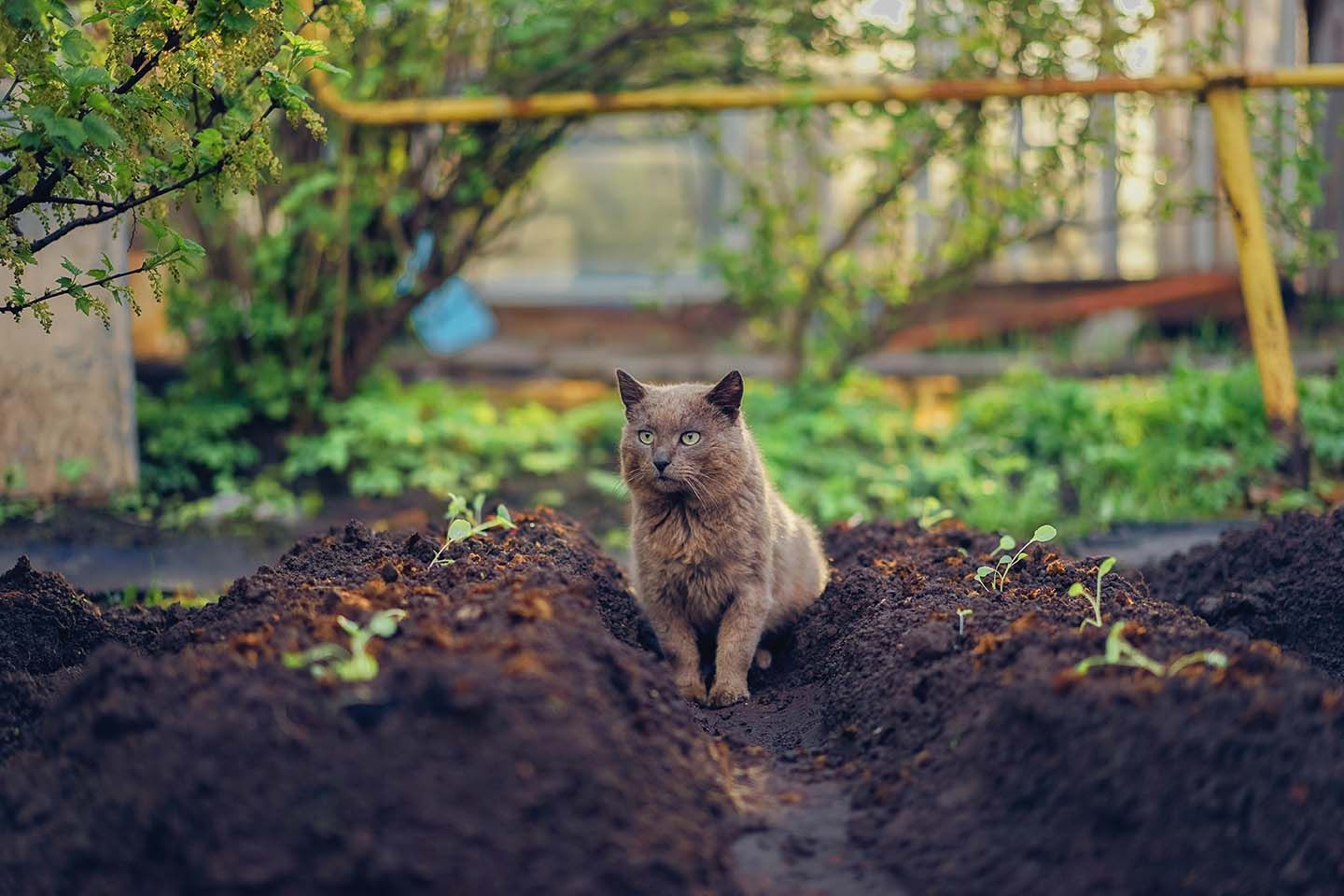
While all cats are adorable, fun, and frisky, they can also be destructive, and strays can sometimes carry diseases. If you have a garden, you might want to keep strange cats out to prevent them from digging up your plants or using your garden space as a litter box.
Fortunately, when it comes to keeping cats out of your yard and garden, there are incredibly humane and easy ways to do so. Let us learn more about what you can do to keep your yard intruder free.

Top 9 Tips on How to Keep Cats Out of Your Yard and Garden
These are nine different humane and safe ways to keep cats from getting into your yard or garden. You can use one or a combination of these methods to make sure the neighborhood cats choose another place to do their business.
1. Plant Cat-Repelling Plants

Cats really like to steer clear of some plants. Add some of these selections to your flowerbed, vegetable garden, or yard perimeter:
Repellent Plants for Cats:
These plants are completely non-toxic for cats, but they don't like to be around them either. These plants are gorgeous additions to any garden, so it's really a win-win for you.
2. Use Citrus Smells
Cats typically dislike the smell of citrus. If you're having trouble with cats getting into your flowerbed, this is a risk-free way to keep cats out of your garden. You can scatter peels from oranges, limes, grapefruit, and other citrus fruits. These are totally safe and non-toxic for felines.
3. Sprinkle Coffee Grounds

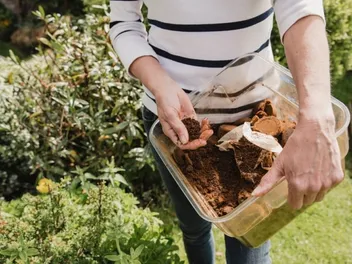
Coffee grounds can come in handy in your garden for a variety of reasons. Cats and dogs are both deterred by the strong scent of coffee. You can just put wet coffee grounds in your regular compost or sprinkle by itself.
Not only does it keep pesky strays out of your greenery, but it also strengthens your soil for richness and purity. Coffee grounds are completely biodegradable, replenishing your soil and promoting optimal growth.
4. Remove Urine Markings
If a cat has used your lawn or garden as their own personal litter box, they're going to return for a repeat offense. Cats tend to go to the bathroom in the same spots. Thoroughly hose down the area to remove any previous odors or scents so as not to re-attract the same crowd.
5. Build Barriers

If you have the space for it, you can always make a barrier around your yard or garden. Much as Farmer McGregor tried to keep bunnies out of his garden, you can do the same with cats. Barriers can also be quite effective in keeping out other creatures that want to snack on your veggies.
If you already have a fenced-in yard, make sure there are no small spaces cats can squeeze through. Reinforce any spaces that a cat could weasel their slinky bodies through to prevent it. There are also options to have caged fencing around your gardens that keeps your plants fully exposed to light while staying protected.
6. Make Your Garden Unpleasant
It's no secret that cats love digging. One of the main reasons they like fresh soil is that it's easy to do their business. If you make your flowerbeds or garden unattractive to them, they will likely steer clear of them.
Rather than using traditional mulch or soft soil, one way to keep cats out of your yard is to use prickly, uncomfortable options instead. You can use pine needles as mulch or plant thorny or vining plants as a carpet around your existing plants. Cats won't like the way this feels on their paws, nor will they be able to dig easily.
7. Buy Animal Repellents

There are many store-bought options when it comes to deterring strays from lingering around. Some of these repellents use a combination of scents that cats can't stand. But most of them are gentle and natural enough not to hurt the feline or the plants in your garden or yard.
You can find all-natural, safe options on sites like Chewy.
8. Put Litter Boxes Out
If the cats are your own and you don't have another method that works, you can always try to set litter boxes outside. Sure, it might be a pain to clean multiple litter boxes indoors and outside, but it can be worth it.
If you do your part to make other areas undesirable and set out litter boxes as an added reinforcement, your cat will most likely use the litter box in place of your garden soil.
9. Contact a Local Shelter

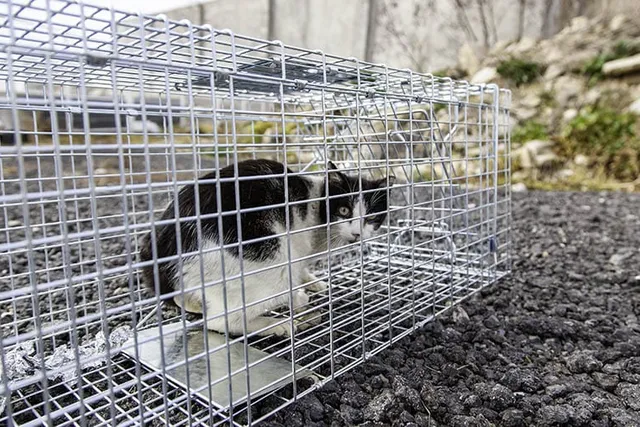
Our last suggestion on how to keep cats out of your yard is to contact a shelter. Many local shelters can assist you with stray animals. Whether they come to rescue the animal or guide you on what to do next, they can sometimes provide helpful tips to get you on the right track. Many shelters perform what is called a TNR, which stands for trap, neuter, and release.
You get a live trap or some other means of containment, take the cat into the shelter, and they spay or neuter the animal. You can then release them back into the wild. It might seem harsh, but it does reduce unwanted breeding and behaviors, such as urine marking, on people's property.
Reasons You Might Want to Keep Cats Out of Your Yard
You might want to keep cats out of your yard for several reasons, but let's cover the basics.
1. Cats Kill Nature's Critters
Whether you leave seed out for squirrels or sugar water for hummingbirds, you might love feeding the wildlife around your neighborhood. If you have a stray or two around, they can kill or injure the little critters running around your backyard.
This behavior can disrupt local ecosystems and ruin the peace and aesthetics you have going on. Cats are natural carnivores, so they are drawn to killing smaller prey. While this is an entirely normal phenomenon and no fault of the cat, it's also something you want to avoid in your yard.

2. Cat Poop Can Be Harmful
If you're gardening or pulling weeds from your flower bed, the last thing you want to do is stick your hand in a pile of cat droppings. Not only is it disgusting, but it's also completely unsanitary. Cat poop can carry lots of nasty bacteria that could make you sick.
Cats that haven't had regular vet care can be at risk of carrying transmissible microbes in their poop. They can carry a parasite called Toxoplasma gondii. This parasite is contracted by eating small mice, birds, and other backyard rodents.
This parasite can cause an illness called toxoplasmosis. It's especially harmful to pregnant people because it can be transmitted to the unborn baby, with extreme consequences in some cases.
3. It Can Upset Your Pets
It might get your family pets all riled up to see an unfamiliar cat in the yard. Not only can it upset the family dog, but it also might pose a risk to your felines if you occasionally let them explore your yard.
Keeping up with regular vet care is a great way to avoid any issues with strays. You can get your cats vaccinated and spayed or neutered to protect them. However, illnesses like feline leukemia can still spread to your cat via saliva, blood, and feces.
Since stray cats can carry this disease without your knowledge, you might want to keep them away from your cats for their own protection.

4. Cats Might Destroy Your Garden or Flowers
Perhaps the most obvious reason you don't want unwanted cats in your yard is to prevent your garden from becoming a litter box. Cats are programmed to cover their waste. If you just planted a garden or flower bed with fresh plants, they might not have deeply rooted in the soil yet. Some smaller annual flowers never do. Just a few kicks can dig up your plants, killing or damaging them.
Final Thoughts
If you are persistent, you can avoid the problem of cats visiting your yard or garden. Most of the time, though, it's going to take a combination of techniques to get rid of the problem completely. However, with perseverance, you can keep cats out of your yard and garden, helping them remain poop and urine free.
See Also:
Featured Image Credit: DEJA_VU1990, Shutterstock
Expert cat care, straight to your inbox
News, insights, and useful advice, delivered to you.

No spam — unsubscribe anytime.
By signing up, you agree to our Terms & Conditions and Privacy & Cookies Policy.
How useful was this post?
Click a star to rate. You can leave written feedback afterwards. (We read all feedback.)
As a freelance dog writer and passionate pet enthusiast, Ashley Bates is pursuing studies in animal therapy. A mother to four human children and 23 animal companions, Ashley is dedicated to volunteering at shelters, advocating for animal rights, and rescuing animals in need. Her goal is to spread awareness, provide education, and offer entertainment about pets to reduce homelessness. Ashley's specialties include dogs and cats.