Get

In Your Inbox

Catster is reader-supported. When you buy via links on our site, we may earn an affiliate commission at no cost to you. Learn more.

Are Coffee Plants Toxic to Cats? Vet-Reviewed Houseplants Examined


Share

Catster_Are Coffee Plants Toxic to Cats

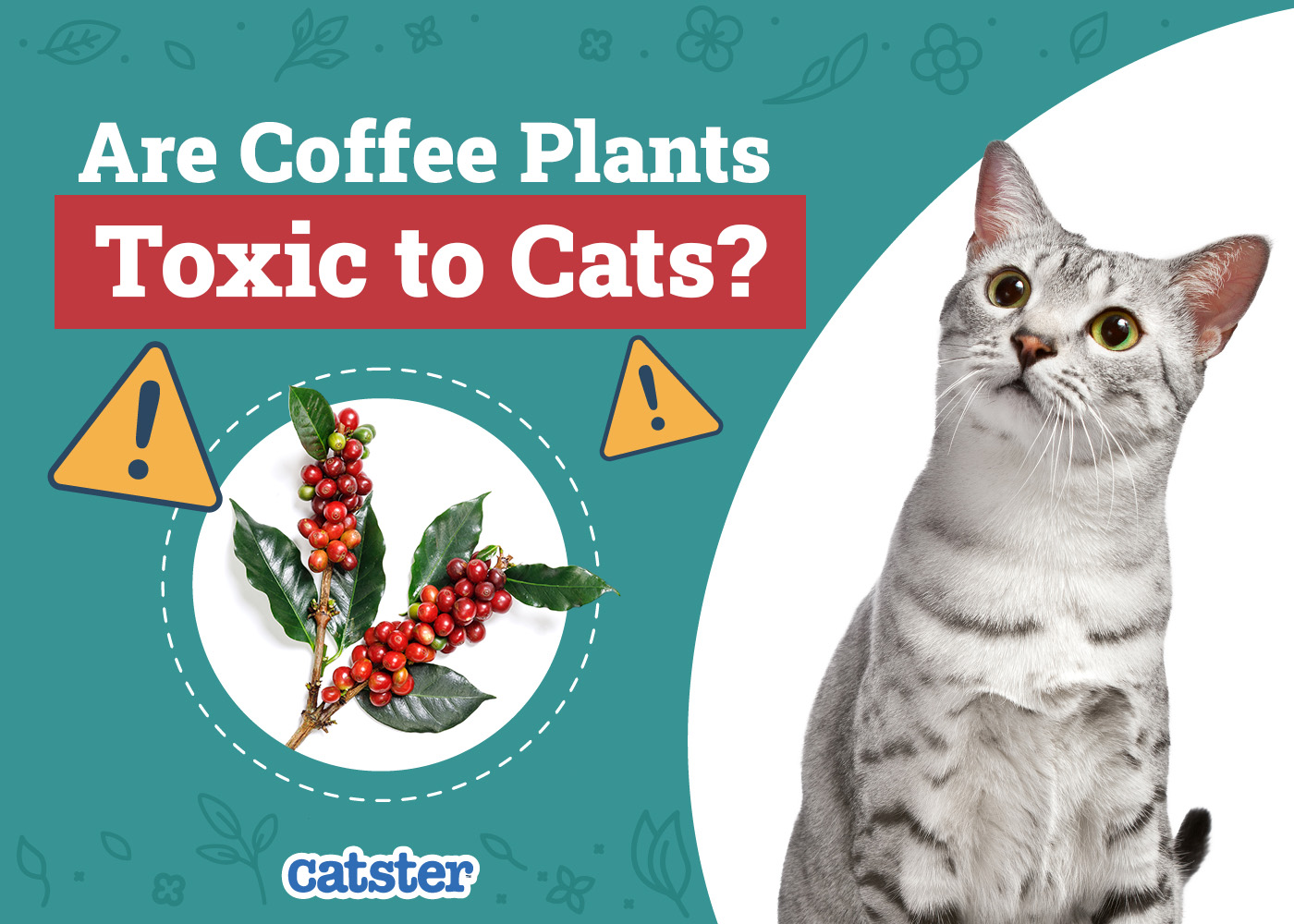
The coffee tree, Polyscia guilfoylei, is an attractive species that makes an excellent potted indoor plant. Note that it is not related to the coffee plants used for making coffee beans, such as Coffea arabica. It flowers in springtime, with small white flowers and small berries, though the flowering of indoor plants is not common. Unfortunately, every part of this interesting plant is toxic to your cat.

Whether your cat has ingested part of the plant or brushed up against it, they could experience troubling clinical signs. Read on to find out what these are and what to do if you suspect that your cat is suffering from coffee plant poisoning.

divider 1 paws

What Is Coffee Tree Poisoning?

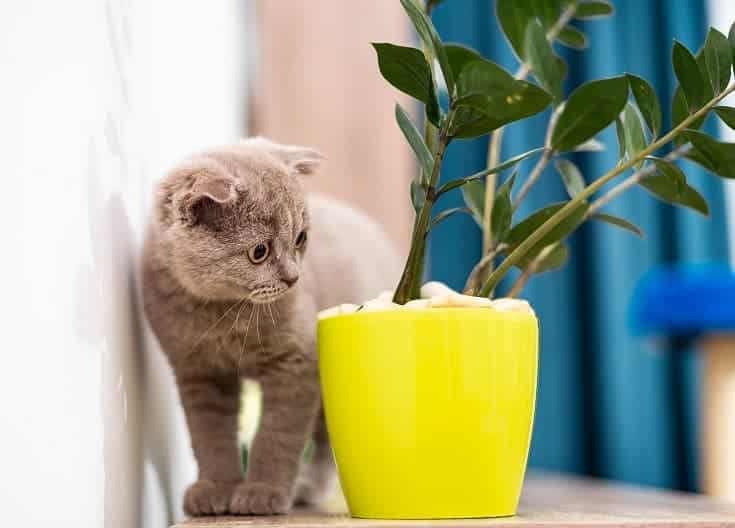
The coffee tree contains toxins called saponins, which irritate a cat’s skin, oral cavity, and gastrointestinal tract if ingested. Your cat can be exposed to the toxins when they rub against the plant or orally when they nibble on or eat part of it.

You’ll be relieved to know it’s rare for coffee plant poisoning to be serious. However, if you suspect your cat has been poisoned, it’s still important to discuss it with your vet or poison center.

Image Credit: vjkombajn, Pixabay

Signs of Coffee Plant Poisoning

Your cat’s clinical signs depend on how much of the plant they have consumed. If the exposure was brief or they ingested a small amount, you may not see any signs. If the feline comes into contact with or eats a large amount, however, they can show signs like:

  • Contact dermatitis
  • Depression
  • Fatigue
  • Loss of appetite
  • Vomiting
  • Weakness
  • Seizures
  • Tremors

If you don’t see your cat near the plant, touching it or nibbling it, but you suspect they’ve been poisoned, take them to the vet.

Diagnosis & Treatment

To help with the diagnosis and your cat’s eventual recovery, you’ll need to provide valuable information to the veterinarian. Describe your cat’s signs to your vet and try to remember as accurately as possible when the incident may have occurred. Either bring the plant along or take pictures, so your vet can see what was eaten and how much.

Unfortunately, there isn’t a test for coffee tree poisoning, but your vet will use all the information you provide to devise a plan.

Thankfully, the majority of cats will make a full recovery from coffee tree poisoning. It’s very rare for cats to suffer complications after this incident. However, that doesn’t make what is happening to your cat any less scary.

divider 1 paws

Conclusion

When it comes to plants, you have to be careful what you have around your cat. It’s best to keep plants known to be toxic out of your home or at least somewhere your cat can’t access.

While cats don’t tend to eat things that are unfamiliar, curiosity and boredom can get the best of any feline. The ASPCA’s list of non-toxic and toxic plants can help you determine which species are unsafe for your pet. So, while you don’t have to sacrifice your love of house plants, you may need to restrict what varieties you bring into your home if you have a cat in your life.


Featured Image Credit: Tixu, Pixabay

Want content like this delivered to you?

Sign Up For Our Newsletter

News, insights, expert advice, and everything cat

* By submitting, you agree to our Terms & Conditions and Privacy & Cookies Policy.


How useful was this post?

Click on a star to rate (you can leave written feedback after clicking submit)

Help us improve Catster for pet parents!

Your feedback really matters.

What did you like about this post? Also how can we improve it?

Join the conversation

Leave a Reply

You’re very welcome to leave a comment or question. Please know that all comments must meet our community guidelines, and your email address will NOT be published. Let’s have a positive and constructive conversation.


Catster's Digital Magazine is Back!

Vet-approved health & behavior advice

Real cat stories & community features

When a Cat Becomes a Water Fountain – Why Cats Vomit After Drinking

Seeing a cat drink water and then promptly bring it back up can be confusing. Sometimes the explanation is fairly simple, particularly if...

Chatting About Sleeping Positions, Loafing & Cats in Tubes | Chatty Cattys, Episode 33

In this episode of Catster’s Chatty Cattys podcast, Dr. Karyn and Nicole dive deep into the fascinating world of feline sleep behaviors. From...

The Bite Stuff: The Truth Behind a Cat’s Sudden Nip

A cat bite that seems to come out of nowhere is one of the more confusing things a cat owner deals with. Everything...

Your Cat’s Purr Proves They’re One of a Kind

There are few sounds more comforting to a cat parent than the familiar rumble of a purring cat. You probably know your own...

More related

Grey Persian Cat Breed: Info, Pictures, Care & More

The Grey Persian is a popular color of Persian cat, officially known as a Blue Persian. The grey color can range from a...

5 Natural Home Remedies For Ear Mites in Cats

You know your cat is fastidious about grooming and keeping themselves clean, so if you’ve noticed a grim-looking blackish-brown discharge from their ears,...

Doll Face Persian Cat: Breed Info, Pictures, Temperament & Traits

The Doll Face Persian Cat is a traditional Persian type. They match closer to what this breed of cat would have looked like...

Is It Normal For Well-Adjusted Cats To Get Into Fights? Vet-Verified Reasons & Solutions

Cat fights can be a serious issue in multi-pet households, both for the pets involved and the humans who love them. Not only...

Keep reading

Can Cats Eat Rice Krispies? Vet Approved Facts & FAQ

Rice Krispies are a beloved breakfast cereal made from puffed rice. Kids love this sweet food for its fun popping sound. Some may want to share this tasty treat with their kitty, but is this a safe snack for cats?...

Can Cats Eat Rice Krispies

Does UV Light Kill Fleas on Cats? Vet-Reviewed Effectiveness, Safety & Alternatives

Fleas are pernicious little parasites, and it can be hard to get rid of them on your cat. This fact has given rise to the rumor of UV light killing fleas, but is it true? UV light can technically kill...

Lamp ultra violet

Can Cats Eat Venison? Important Facts & Health Guidelines 

The word “venison” (from the Latin verb venari, meaning “to hunt”) refers to meat from large game animals, most commonly deer. Though not the most typical protein in commercial cat foods, venison is used in some food formulas. Home-prepared venison...

Can Cats Eat Venison

10 Cornish Rex Health Issues You Should Know (Vet Answer)

The first Cornish Rex kitten was born in Cornwall, U.K., in the 1950s due to a genetic mutation.1 This breed is known for its very fine, short coat. While Cornish Rex cats are generally healthy, pet parents need to be...

Cornish rex cat sitting on the grass

Can Cats Drink Sparkling Water? Nutritional Facts & Risks

If you own a cat, you always want to look after their health. After all, they are a member of the family! It should be no surprise that a hydrated pet is a healthy pet, so clean drinking water must...

Can Cats Drink Sparkling Water

How Do Cats Really Feel When You Work From Home? Cat Feelings Explained (Vet-Reviewed)

The COVID-19 pandemic made working from home more common. Many people have had to learn to make adjustments to new work habits and lifestyles. Consequently, pets have also had to get used to spending more time with their parents. Cats...

woman working on her laptop with her cat on the couch

How to Manage Cat Separation Anxiety: 8 Vet-Approved Tips

Although separation anxiety is often associated with dogs, it’s also a problem that can occur in cats. Knowing how to deal with separation anxiety in cats can be difficult, and it can become frustrating to manage this issue. To help...

lonely cat sits on a bed and sadly looks at the window

Can Cats Eat Paprika? Vet-Reviewed Facts & FAQ

Paprika is a commonly used spice that is made from dried peppers. The peppers used in paprika can be sweet or spicy peppers (generally from Capsicum annuum varietals), so there may be some variability in the flavor of your paprika....

Catster_Can Cats Eat Paprika_v1_Dec 4 2024

Love Cats? So Do We! Join the Catster Community

Stay informed with expert pet care insights delivered straight to your inbox! Discover professional guidance on animal behavior, feeding tips, trusted product picks, and much more.


Sign up for the Catster Email Newsletter

Stay informed with expert pet care insights delivered straight to your inbox! Discover professional guidance on animal behavior, feeding tips, trusted product picks, and much more.