7 Vet-Verified Ways to Keep Cats Out of House Plants


In this article
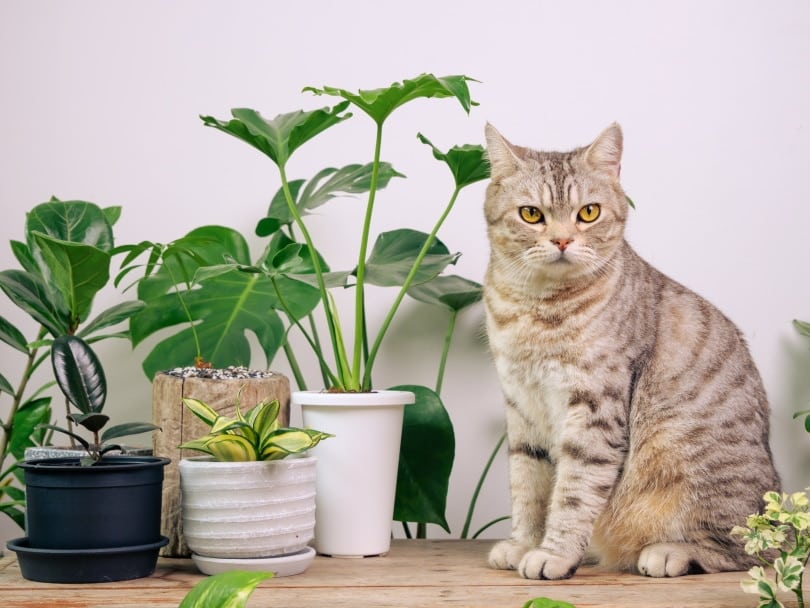
Is there a way to keep your kitty out of your plants? Of course, you could give away your plants, so you don’t have to fight with your precious puss, but this is probably not the advice you are looking for. You could also give away your cat, but we’re assuming you’re hoping to keep both your cat and your plants. So, what is a feline owner to do?
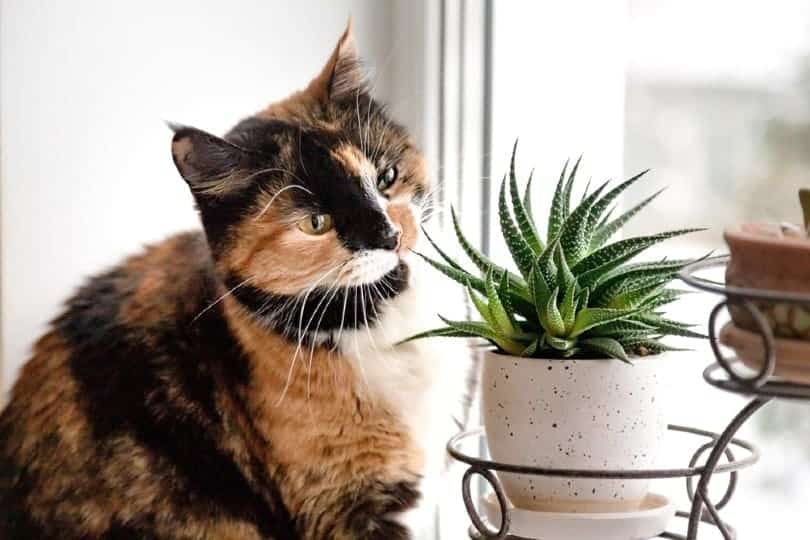
Cats are notorious plant marauders and will take every chance they get to mess with anything that grows leaves. Unfortunately, most houseplants don’t survive these escapades—and some can even pose a health risk to your cat. Before bringing any plant into your home, make sure it’s non-toxic to them. The truth is, cats are quite determined and can be difficult to control. The good news is that there are practical ways to keep them away from your plants while keeping everyone happy. But first things first—why can’t cats keep their paws off houseplants in the first place?

Why Do Cats Damage Houseplants?
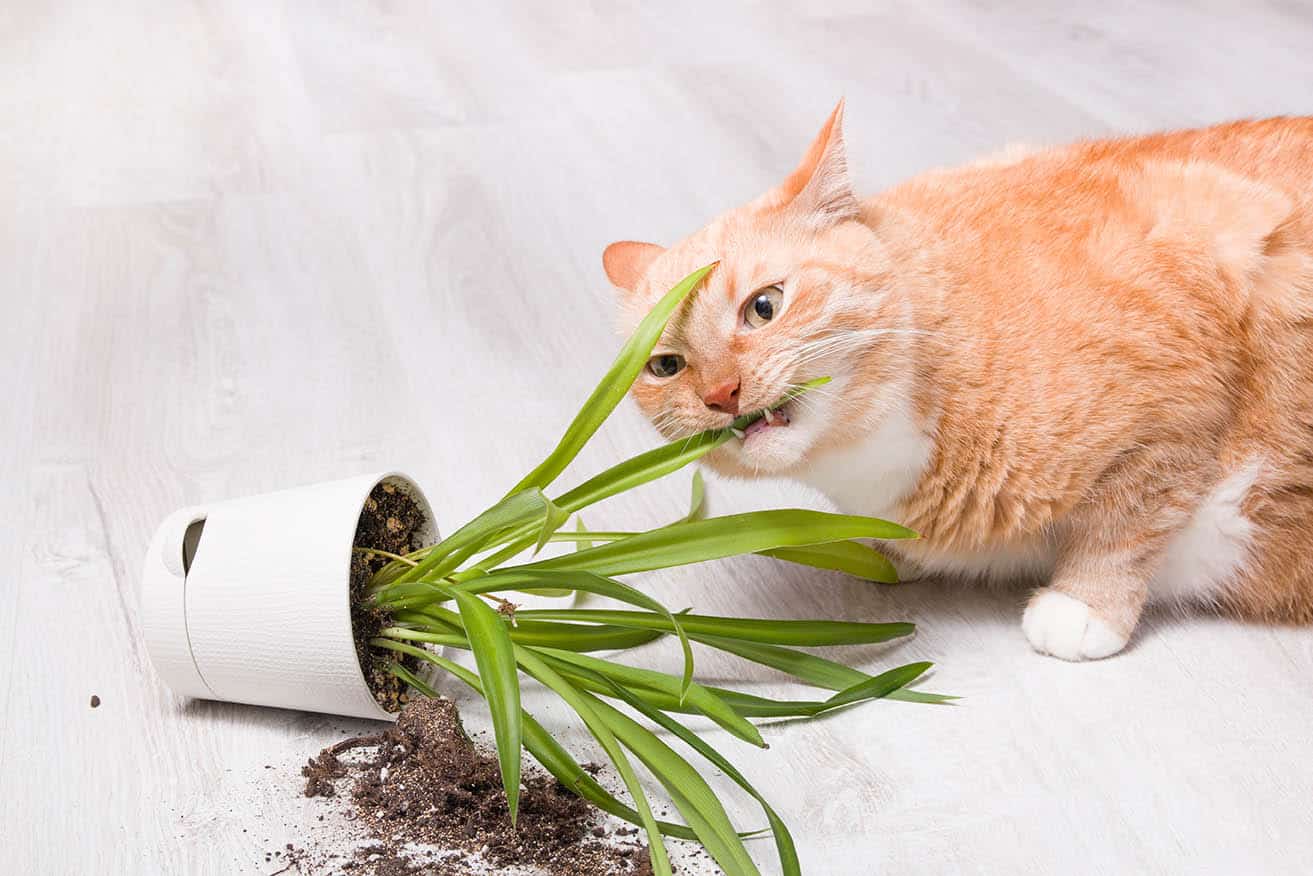
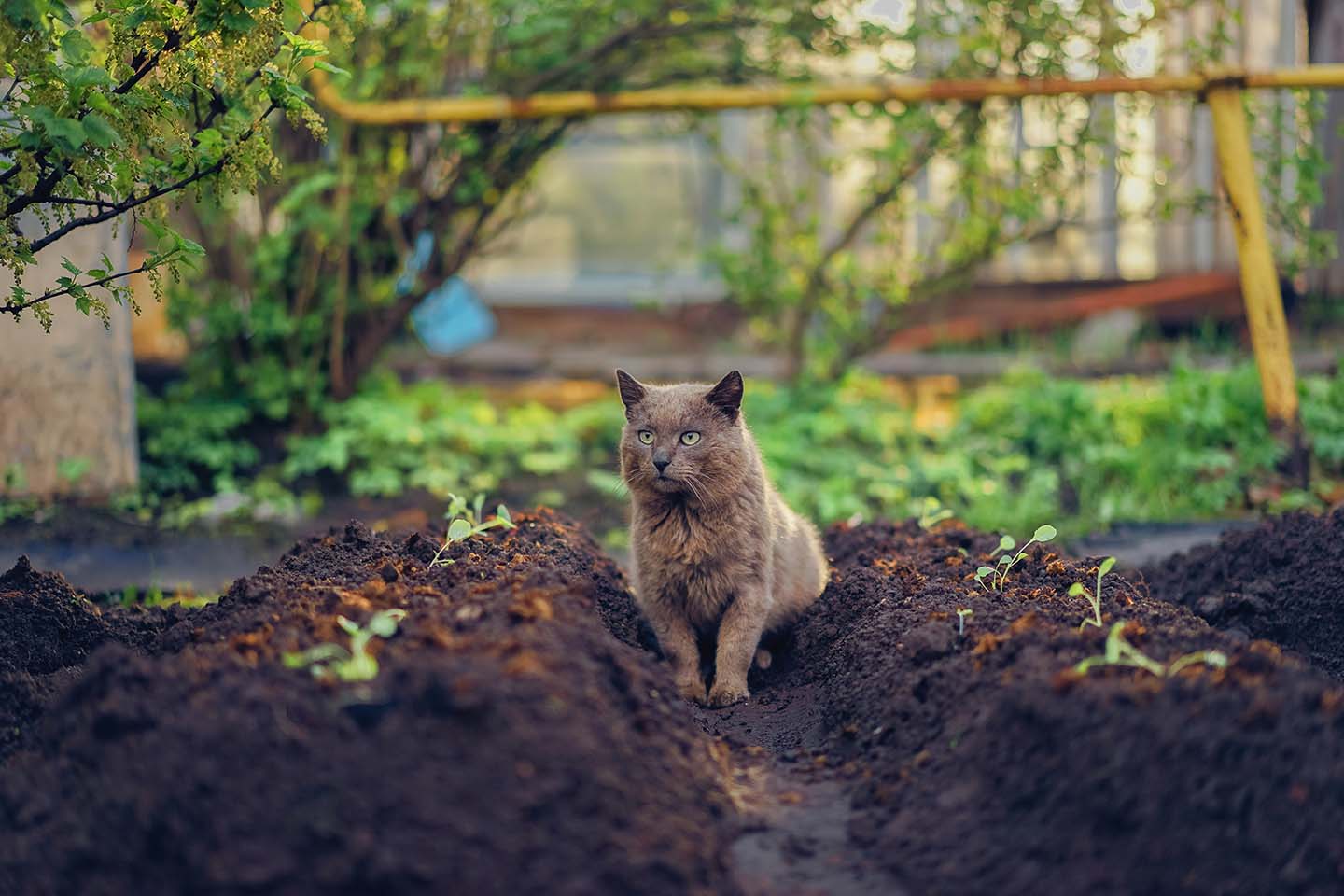
To set the record straight, not all cats will damage plants and those that do mean no harm. If you have troublesome cats, you know that they chew on leaves, dig plant pots, drop them, and can even relieve themselves in them. Yeah, it can get that messy.
Only cats can tell us for sure why they do this, but these are the common reasons why cats will not leave houseplants alone.
1. Boredom
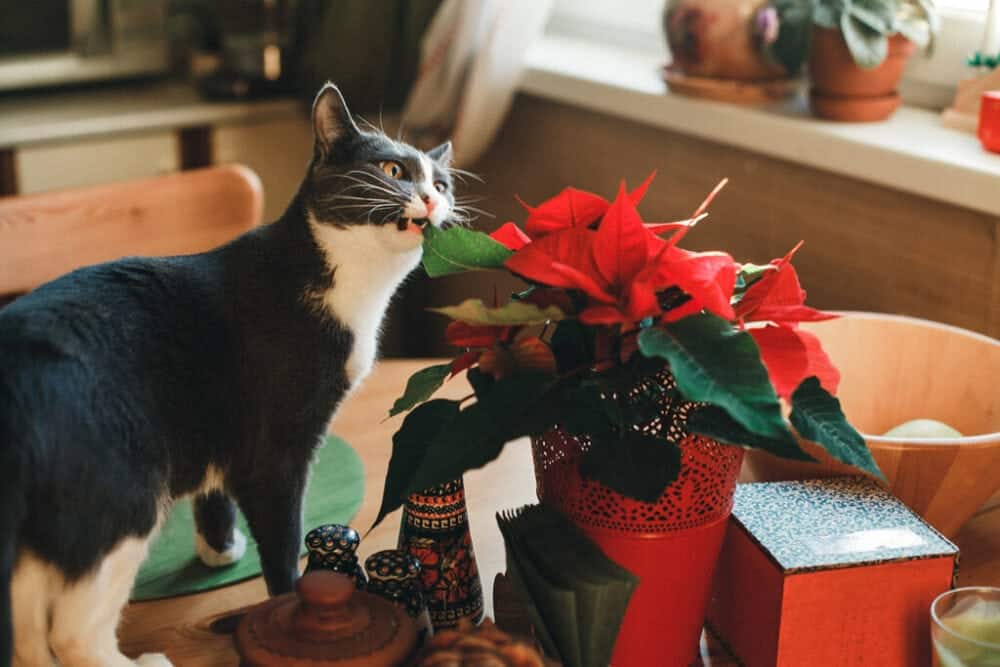
Boredom is bad for everyone. When your furry feline has nothing interesting going on in their lives, they will try to spice things up. Unfortunately, this might mean jumping on flower pots and trying to knock them over. It has also been noted that bored cats are likely to chew on plant leaves.

2. Cats Are Cheeky
Yes, they are! Felines are definitely mischievous and will find something to keep them busy. You see, cats still possess the wild instincts of their ancestors. And because they don’t have to hunt, watch out for other predators or fight for territories, they have to do something. And jumping on a low-hanging plant is not out of the equation.
3. Maybe They Like the Taste
Cats seem to enjoy the taste and smell of some plants. We all know that catnip is a charmer. Many other plants will tempt your pet to taste their leaves or want to dig out their roots.

4. It’s Good for Them
There are several theories about why cats chew on plants. Researchers from the University of California, Davis School of Veterinary Medicine suggest that this behavior may be an evolutionary trait inherited from wild ancestors. In the wild, felines may have eaten grass or other plants to help expel intestinal parasites or stimulate digestion. Even though most modern pet cats are regularly dewormed and no longer need to eat plants for this purpose, the instinct to chew vegetation appears to persist.
How to Keep Cats Out of Houseplants
If your cat seems overly anxious to destroy your houseplants, you definitely need to do something. And this doesn’t involve replacing the plants as soon as they are brought to the ground. Try the following.
1. Keep the Plants Out of Reach
It is easier to keep the plant out of the cat than the cat out of the plant. Overgrown leaves that hang sideways and swing in the wind close to your cat’s favorite hangout spot will most likely get scratched. Of course, this doesn’t mean that the cat will not touch anything out of their way. For example, it will jump on windows to reach the plants placed there.
If you can, hang your plants in a tricky-to-reach spot. Like somewhere away from the window or any furniture. Or maybe keep your plants in a lockable room?

2. Choose Unpalatable Plants
Many plants survive in the wilderness because they are unpleasant to herbivores. This is where things such as thorns or having a bad taste come in. What we are trying to say is that if you make your plants unpalatable, your cat will leave them alone.
You can try spraying the entire plant with plant-safe scented sprays. Be sure to double-check that whatever repellent you use is non-toxic to your kitty.
3. Cover Up Your Plants
If the cat can’t reach the leaves, they can’t chew on them, right?
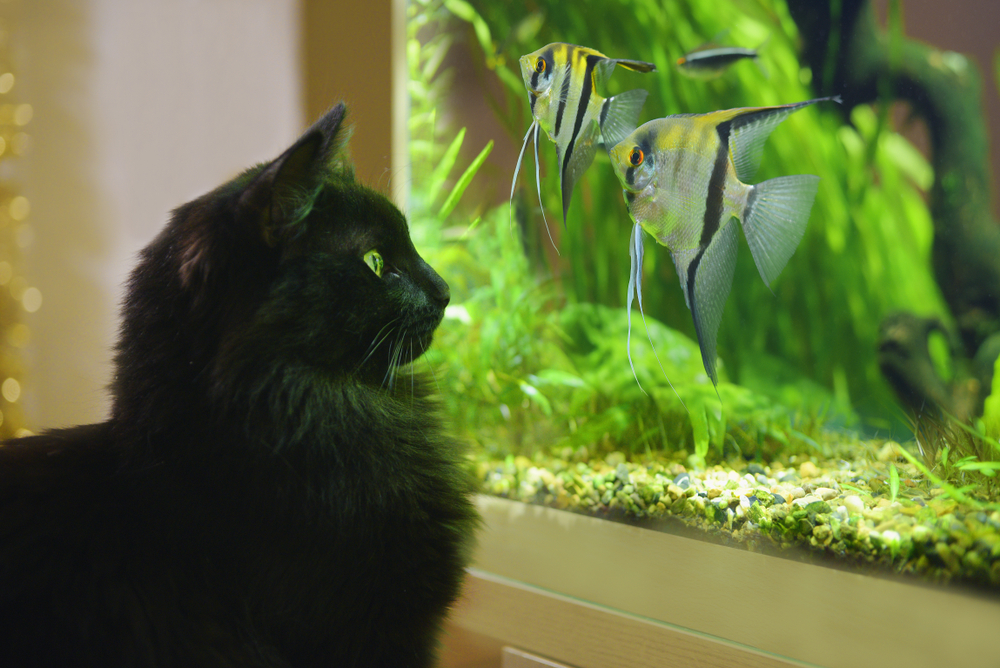
How about locking your plants in a birdcage? You only need to get a really nice enclosure with a bit of decoration (so that it’s presentable) and remove the top. Then, put your potted plants inside and close it up. You can also keep your plants in an aquarium with a screen at the top.

4. Add Some Stones
Ever found cat poop on your potted plant? The problem is that when a cat starts to relieve themself in one spot, it tends to keep going there. Plant pots tend to be an attractive spot for cats because they are usually full of soil and cats love digging when going to the toilet.
Pebbles or loose stones can make this stop. Add a good layer on top of the soil, and your cat will find no pleasure in digging and messing with your plant.
5. Keep the Litter Box Clean
Cats do not need to have a reason to do anything, and some will just want to be difficult. But a good number of them will poop on plant pots because of dirty litter. Cats are naturally clean and will not relieve themselves in a dirty place. Therefore, before you start pointing fingers, make sure that you are clean.

6. Keep Lemon Peels Close to the Plant
Cats generally dislike the smell of citrus fruits such as lemon and orange. These fruits contain compounds like essential oils and psoralens, which are toxic to cats if ingested. Because of that, if you decide to use citrus peels as a deterrent, do so with supervision. Place a few fresh lemon or orange peels near the base of your plants, but make sure your cat doesn’t chew or lick them—remove the peels immediately if they show any interest. The strong scent is often enough to discourage most cats from approaching, and they’ll likely find somewhere else to explore instead.
7. Give Them Their Own Plants
Some plants such as cat grass, thyme, mint, and catnip are good for your cats and will be much appreciated. If your cat can have their own plants to chew on, maybe you can have your plants to keep.
Conclusion
We won’t lie, there are no guarantees that anything will be an effective solution, but these are seasoned tricks of cat-owning that we hope bring you and your plants some relief. Try out different things and see what works for your furry feline because what works for one cat might not work for another.
Related Reads:
Featured Image Credit: t.sableaux, Shutterstock

Expert cat care, straight to your inbox
Vet-reviewed advice, behavior tips, and the best of Catster. Free, and you can unsubscribe anytime.
By signing up, you agree to our Terms & Conditions and Privacy & Cookies Policy.
Christian started writing for a local newspaper as a teenager, and he's been involved in the publishing industry for most of his adult life. Combining his love of writing with a passion for animals, he is currently the Director of Editorial at Pangolia and the Editor-in-Chief at Catster.
Christian lives in the Philippines with his wife, son, and four rescue cats: Trixie, Chloe, Sparky, and Chopper.
Join the conversation
Ask a question, share your story, or send private feedback.