12 Tips for Planting, Growing, and Harvesting Catnip
In this article
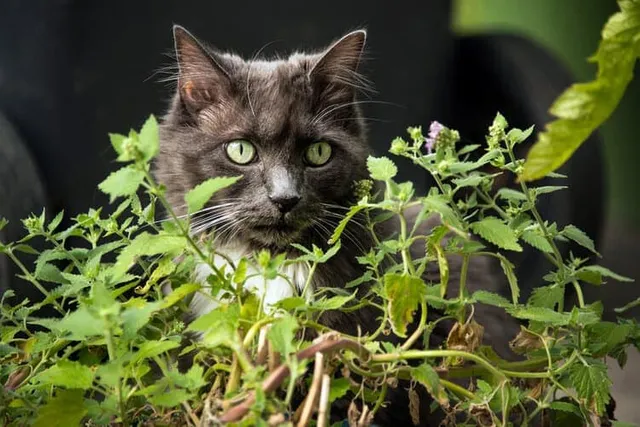
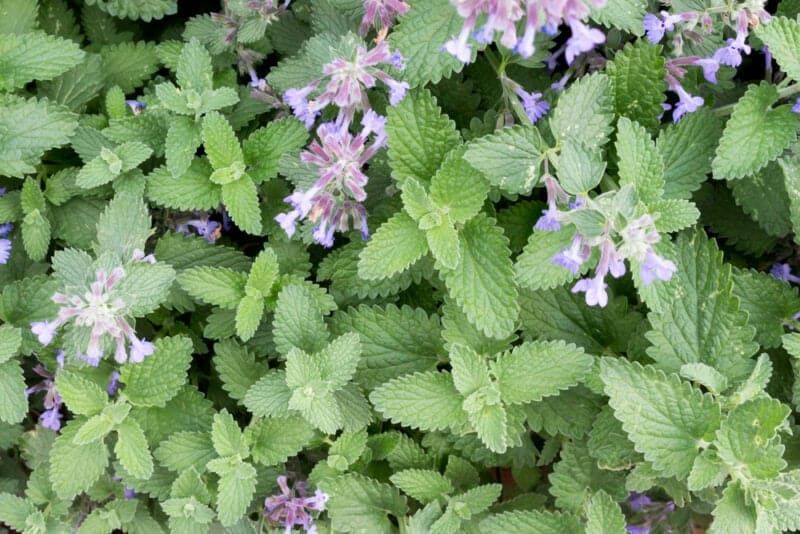
If your cat is a catnip fiend, at some point, you might start wondering about growing it yourself. After all, keeping fresh catnip plants around can give your cat lots of access to their favorite plant in all its forms. Catnip is also a good beginner herb that thrives indoors and outdoors throughout most of the United States and is easy to harvest and dry.

Preparing and Planting Catnip
1. Know Your Zone

If you’re just starting with growing catnip, you’ll want to look up your growing zone, especially if you’re growing outdoors. Growing zones are a simple shorthand that tells you how much frost and heat your region can expect. Catnip grows well in zones 3–7. That means that they’re happy growing outdoors in most of the US, but some areas in the South and Southwest are too hot to grow catnip outdoors. You’ll want to keep this plant in an indoor pot if you live in zones 8–10.
2. Prepare for Destruction

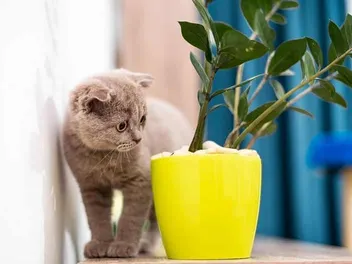
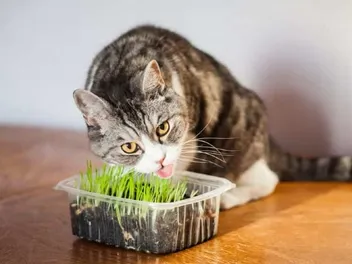
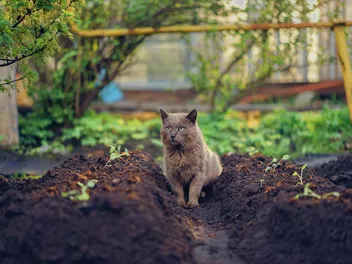
Cats can be destructive to their catnip! Many cats love to roll in or tear up live catnip plants, killing them. Even nibbling on plants before they are well-established can be too much. Potted plants and seedlings should be kept out of your cat’s reach until they are a little hardier. Some owners swear by using bamboo skewers or chicken wire to keep their cats from reaching the roots of the plants or flattening the whole garden.
3. Get the Best Soil

Catnip is a fairly adaptable plant, but good soil will still make a difference. Improving your garden’s soil with a good fertilizer or using a high-quality potting soil mix will make sure that your plants grow healthy and strong.
4. Use a Big Enough Pot

If you’re planning to grow catnip in a pot or planter, a bigger pot is better. You’ll want a pot at least 12 inches across and several inches deep. This will give your catnip plenty of space for its roots to grow. Bigger pots are also an advantage when it comes to cat access—that way, your cat can’t uproot the whole thing in one tug or tip over the pot easily.
5. Check for Drainage

Catnip is prone to rotting when it’s overwatered, so well-draining soil is a must. Outdoors, you’ll want to avoid places that get boggy or do not drain well. Potted catnip plants should be in pots with large drainage holes in the bottom. You can increase the drainage of a potted plant by adding a few inches of gravel beneath the potting soil.

Growing
6. Give Plenty of Light

Catnip plants do well in the sun! Don’t keep your catnip in a shady place; full sun will help it grow. If you live in a particularly scorching environment, you can make up for it with a little extra water on hot days if they start to scorch or wilt, but most catnip plants survive and thrive in full sun no matter the heat.
7. Start Seeds Early

Catnip is usually available in seed packets or as seedlings ready to transplant. If you’re growing catnip from seed for outdoor planting, you’ll want to start it about 6 weeks before the last frost in your area. This gives your plant plenty of time to get established and grow roots before it is ready to be planted. Seedlings should be kept out of reach of cats.
8. Be Patient With Transplanting

Even though you want to start your seeds about 6 weeks before the last frost, it’s important not to rush things, either. Once you get to planting time, make sure that your area is ready. Cold temperatures and frost can kill delicate new plants easily, and you wouldn’t want your hard work to go to waste.
9. Follow Care Instructions

This might be a no-brainer, but care instructions matter a lot when it comes to plants. Catnip is generally happiest in dry, well-drained soils, and many plant owners make the mistake of overwatering. For potted plants, follow the instructions that came with your plant or seeds when you bought it. Outdoor plants generally don’t need much watering beyond what your yard already gets unless you live in drought conditions.
Harvest and Storage
10. Harvest When in Bloom

Although your cat can nab a few leaves any time once the plant is established, the best time to harvest leaves is when the plant is in bloom. Cut off the flowers as you go—this prevents the plant from going to seed so that it will keep producing big, flavorful leaves.
11. Store in a Dark, Dry Place
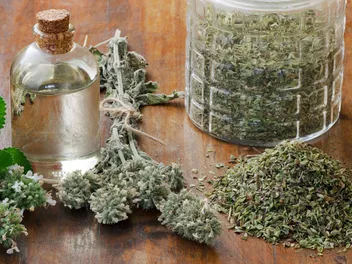
Once you’ve harvested your catnip, store it in bundles upside down in a dark, dry, cool place. This will help your catnip lose its moisture without losing its scent and flavor. It will also prevent rot or mold from growing on your catnip. Once your catnip is fully dry, (usually 2–3 weeks after harvest) you can crush it and store it like you’d store any dried herb.
12. Cut Down Before Winter

Outdoor catnip is likely to survive the winter once it gets established, popping back up year after year. If you want your catnip to survive the winter, give it the best chance by cutting each plant just above the soil once the first frost is approaching. This will help your plant save energy in the coming cold weather so that it is ready to shoot back up in the spring.
Last Thoughts
Catnip growing is a great and economical way to bring your cat’s favorite treats to them. It’s ideal for growing throughout most of the United States and will grow back year after year once it is established. Most of the time, failure in gardening happens the first year, so you’ll need to put in some extra work upfront. But once your catnip is thriving, you will be surprised at how hardy and easy to grow it is.
Sources
Featured Image Credit: wasilisa, Shutterstock
Expert cat care, straight to your inbox
News, insights, and useful advice, delivered to you.

No spam — unsubscribe anytime.
By signing up, you agree to our Terms & Conditions and Privacy & Cookies Policy.
How useful was this post?
Click a star to rate. You can leave written feedback afterwards. (We read all feedback.)

Chelsea Flake Mortensen is a writer with a passion for cats. Growing up, she spent quite a bit of time around cats, along with a variety of other interesting pets. Chelsea holds a BA in English and Creative Writing from Brigham Young University.