Grow a Herb Garden That’s Safe for Your Cat


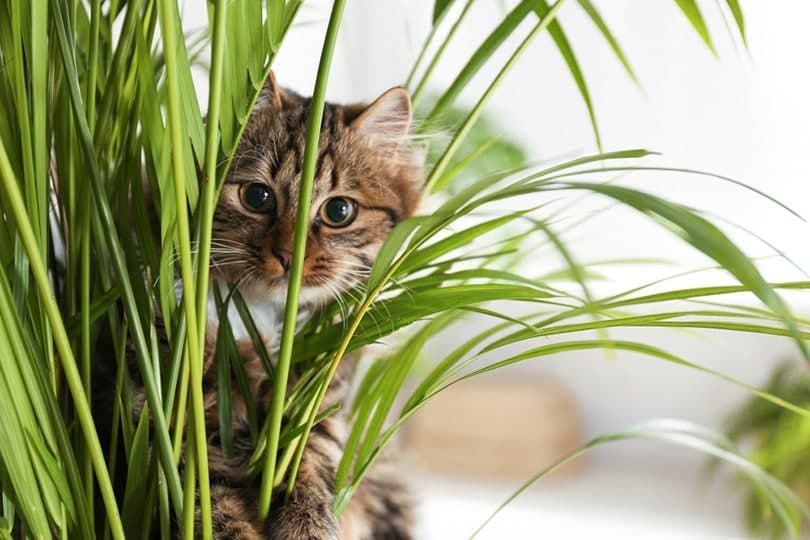
If you love cooking with fresh herbs, you’ve probably daydreamed about growing your own little garden. But if you share your home with a curious cat, you might wonder: Are herbs safe to have around them? The good news is that many common kitchen herbs are non-toxic for cats, meaning you can grow your herb garden with peace of mind.
While cats don’t usually enjoy herbs the way we do, some are safe to have around and even add a fresh scent or visual charm to your home. Others, however, should be avoided.
Whether you grow them for cooking, fragrance, or just greenery, here’s how to keep your herb garden both beautiful and cat-safe.

Kitchen Herbs Safe for Cats
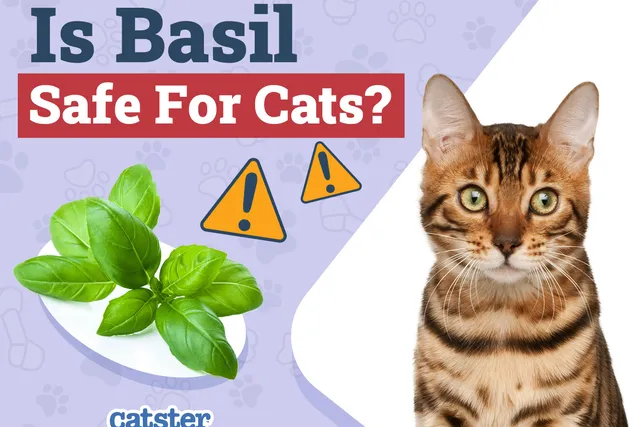
1. Basil
Basil is a popular culinary herb and is completely safe for cats. While it’s not a cat superfood, your feline can safely brush past it or even take a nibble. Basil is easy to grow in pots or garden beds, and its fragrant leaves add a fresh touch to your kitchen.
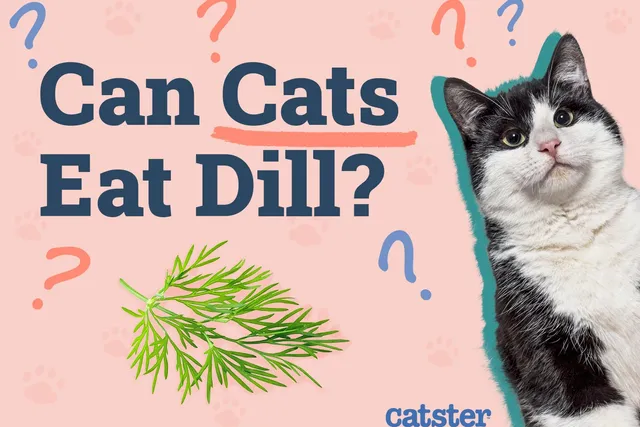
2. Dill
Dill is another kitchen favorite that’s safe to grow around cats. Its feathery leaves and mild scent make it a lovely addition to indoor pots or herb gardens. Dill prefers cooler spots and well-drained soil, and your cat can safely explore it without any harm.
3. Thyme
Thyme rounds out the safe kitchen herbs. This hardy plant tolerates indoor conditions well and can thrive with a bit of sunlight. Cats usually leave thyme alone, but if they get curious, it’s non-toxic and poses no danger.
Even though these herbs are safe, it’s best not to encourage your cat to eat them. A quick sniff or brush past is perfectly fine — they don’t need these herbs in their diet, but it’s safe for them to enjoy the greenery.

Medicinal and Enrichment Herbs Safe for Cats
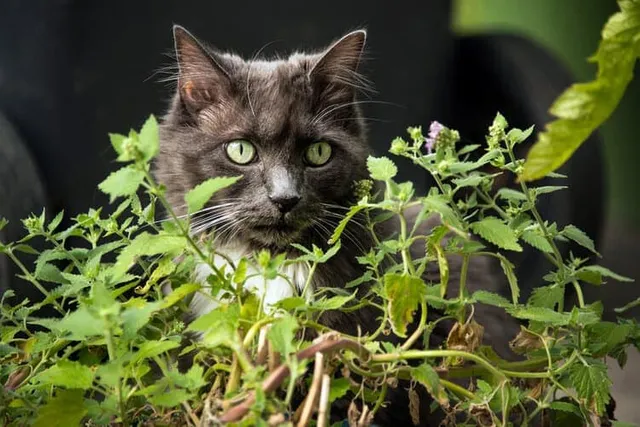
4. Catnip
Catnip is the ultimate feline favorite. It can make some cats roll, purr, or run around energetically, while others may simply relax. Catnip is safe to grow indoors or outdoors and can even help encourage play and enrichment for shy or older cats.
5. Cat Grass
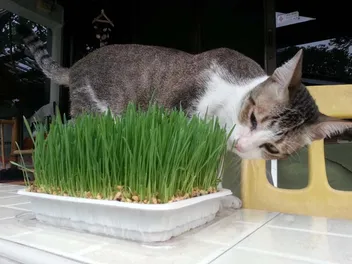
Cat grass (usually a mix of oat, barley, rye, or wheat grasses) is safe for cats and can aid digestion. It provides fiber and folic acid, supporting healthy red blood cells. Keep a small pot indoors to give your cat a safe, chemical-free “green snack.”
6. Valerian Root
Valerian root is known for its relaxing effect on humans, but cats can respond differently. Some become playful, while others find it calming. It’s a safe herb to include in your cat-friendly garden, often used in enrichment toys or calming blends.
7. Milk Thistle
Milk thistle is famous for supporting liver health. The active compound, silymarin, is gentle and well-tolerated by cats. While supplements should always be discussed with a vet, the plant itself is safe to grow around your feline friend.
8. Echinacea
Echinacea is widely known for immune support in humans, and it’s also safe for cats. While research focuses on people, cats tolerate it well. Its bright flowers can bring color to your garden without risking your cat’s health.

9. Licorice Root
Licorice root is a soothing, non-toxic plant for cats. It’s sometimes included in natural pet supplements and has gentle antioxidant and anti-inflammatory properties. While cats usually won’t eat it, it’s safe to have in your garden.
10. Dandelion
Often considered a weed, dandelion is actually safe for cats. Its leaves and flowers are non-toxic, and cats can explore it freely, as long as it hasn’t been treated with pesticides or chemicals.
11. Calendula (Marigold)
Calendula is a cheerful, bright flower that’s safe for cats. Often used in gentle natural remedies, it adds color and charm to your garden without posing a risk to your feline companion.
12. Marshmallow Root
Not the sugary treat, but the actual plant! Marshmallow root is soothing and safe for cats. It can support gentle health benefits in some herbal blends, and your cat can safely brush past it or explore it in the garden.

Tips for a Cat-Friendly Herb Garden
Even with safe herbs, it’s best to set boundaries. Keep pots stable and free from chemicals, and provide alternative greens like cat grass or catnip for cats who love chewing. Observe your cat’s behavior. If they suddenly start eating unusual items or showing new habits, check with your veterinarian to rule out health issues.
By sticking with these ten safe herbs, you can enjoy a lush, fragrant garden without worry. Your cat can safely explore, your kitchen can smell fresh, and your home can stay green and vibrant.
Feature Image Credit: New-Africa, Shutterstock
Did You Know?
- Our brand-new posts are rounded up and included in our weekly emails. Don't miss out on the latest - sign up for our newsletter below!
Expert cat care, straight to your inbox
News, insights, and useful advice, delivered to you.

No spam — unsubscribe anytime.
By signing up, you agree to our Terms & Conditions and Privacy & Cookies Policy.
How useful was this post?
Click a star to rate. You can leave written feedback afterwards. (We read all feedback.)
Nicole is a lover of all animals, especially of the feline variety. She's mom to four, three fur babies and a human baby. She and her husband, John, live on a large forest property down in New Zealand.
Their beautiful Burmese cat Baby (who is now 17 years old) was their first child, though he is now called Baby Cat since their human baby joined the party in 2022. The dogs Rosa and Mac also love cats, but the whole family agrees that King Baby Cat is enough cat for this household.
Nicole is the Director of Content Management at Catster and Pangolia. With a Bachelor's degree in Education and years of online experience, she shares her pet knowledge and the knowledge of other professionals with the world, aiming to improve pets and pet parents' lives.