Cat Poop Coffee: What Is It & What Does It Taste Like?

In this article
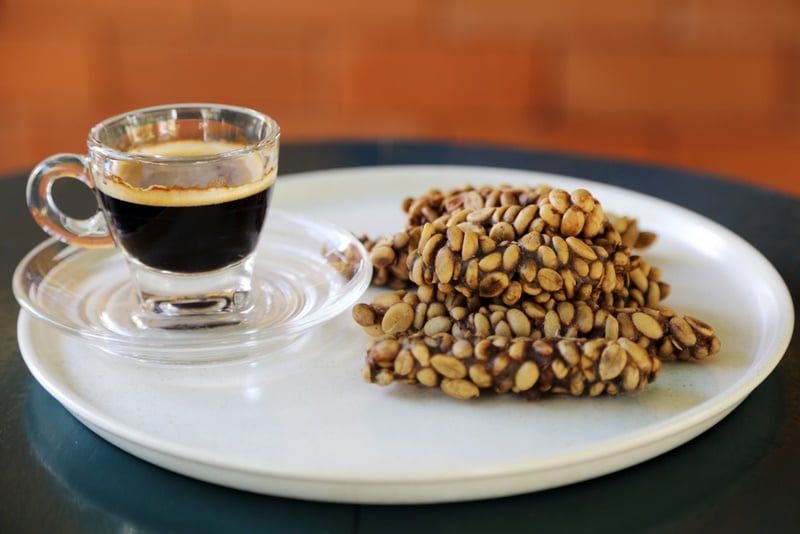
The culinary world is filled with many oddities and diverse flavors. One such odd food product is kopi luwak, or cat poop coffee. It’s exactly what you think it is—coffee beans that have been digested by cats and harvested from their poop.
Of course, kopi luwak that’s been properly harvested and prepared is clean and completely safe to drink. However, the controversy doesn’t just end with the safety of consuming this type of coffee. There are ethical concerns that surround kopi luwak, and it’s important to be well-informed about where you buy yours. So, if you’re interested in trying kopi luwak, make sure you do your research before purchasing a bag of coffee beans.

How Is It Made?
Cat poop coffee is also known as kopi luwak or civet coffee. It’s a special type of coffee that originates from Indonesia and involves Asian Palm Civets. In Bahasa Indonesian, “kopi” translates to “coffee,” and “luwak” refers to Asian Palm Civets.
Kopi luwak is known for being expensive because of how it’s produced. First, Asian Palm Civets must consume a bunch of ripe coffee cherries. After they’ve eaten their fill of coffee cherries, their digestive enzymes will break down the chaff covering the coffee beans and ferment the beans. The beans are then excreted and harvested. The coffee beans are sorted, washed thoroughly, and laid out to dry. Once they’re completely dried, any remaining skin is removed, and they’re ready to be roasted. After the coffee beans have been roasted, they’re bagged and ready for distribution.

What Does It Taste Like?
Coffee drinkers have mixed opinions about kopi luwak. Those who are fans of this type of coffee state that the beans have a distinct flavor that’s caused by their unique fermentation process. It’s believed that the Asian Palm Civet’s digestive enzymes raise the amount of citric acid in the beans. This causes the coffee to have a delicate, tangy flavor that’s reminiscent of lemons. Some people say that it also doesn’t have the bitter edge that many low-quality coffee beans have.
Kopi luwak isn’t loved by everyone, and some people will even go as far as saying that it’s the worst coffee they’ve ever drank. The tangy notes may taste too sour for some people, especially for those who prefer coffees with nuttier and deeper flavors.
Of course, the coffee bean flavors are affected by several different factors. Different kopi luwak farms have their own harvesting and roasting processes, so each farm can produce beans with distinct flavor profiles. How the coffee itself is prepared can also affect flavors. Different coffee ground sizes and the type of coffee-making method you use can all change how the coffee beans taste.
When you consider the mixed reviews and various factors that affect flavors, it’s fairly safe to say that average coffee drinkers won’t notice or care about how kopi luwak tastes. So, the cost probably won’t be worth it unless you’re a coffee enthusiast or expert.
Where Is It Used?
Other than how it’s prepared, there isn’t much difference between kopi luwak and other types of coffee. It doesn’t have any outstanding health benefits or issues when compared to regular coffee. Because of how expensive it is, it’s often reserved for special occasions. You don’t usually see people brewing large batches of kopi luwak. The beans are carefully measured and ground to produce just the right amount of coffee for guests.
Since kopi luwak has a fairly popular reputation, it’s often sold as souvenirs. So, don’t be surprised if a friend or family member brings back a bag of kopi luwak from their trip to Indonesia.

Advantages of Kopi Luwak
One of the main advantages of kopi luwak is its novelty. It can provide a fun experience for coffee enthusiasts who enjoy trying different kinds of coffee. People can also experience the same benefits of drinking regular coffee when drinking kopi luwak. When consumed in appropriate quantities, coffee may help reduce the risk of coronary heart disease, stroke, diabetes, and kidney disease. It can also protect your liver and may decrease DNA strand breakages.
Disadvantages of Kopi Luwak
Kopi Luwak and other types of coffee should be consumed in moderation. Drinking too much coffee can lead to adverse health effects, including insomnia, headaches, and muscle tremors.
Kopi Luwak is also notorious for being expensive, and it’s not a drink that the average consumer can drink daily. Another thing to be aware of is where you buy your kopi luwak, as there are some dark sides to how it’s produced. Kopi luwak is rarely produced naturally, and more often than not, kopi luwak producers don’t meet ethical standards for the treatment of Asian Palm Civets. These cats can end up living in inhumane environments and not be fed a healthy diet. So, it’s crucial to do thorough research and only purchase coffee beans from ethical suppliers.

Frequently Asked Questions
Where can I buy kopi luwak?
While kopi luwak is produced in Indonesia, you can find some online coffee distributors that can ship kopi luwak to your door. Whether you purchase kopi luwak online or in person, make sure to be vigilant and avoid scammers who are trying to sell regular coffee for high prices.
How much does kopi luwak cost?
Kopi luwak is known to be the most expensive type of coffee. One cup of kopi luwak can cost anywhere between $5 to $100. Bags of beans can easily be sold for a couple hundred dollars. The price will vary depending on where and how the beans were harvested.

Why is kopi luwak so expensive?
Kopi luwak is expensive mainly because of its unique fermentation process. Asian Palm Civets are small mammals that weigh between 4 to 11 pounds. You can imagine how they can’t eat very many coffee cherries in one sitting. So, it’s difficult to produce large quantities of coffee beans. Kopi luwak also has a relatively labor-intensive harvesting and production process. It takes a lot of work to produce a small quantity of beans, which ends up with high prices on bags of beans.
When was kopi luwak discovered?
Considering how kopi luwak is made, you might be wondering who could have possibly been the first person to discover and taste it. The discovery of kopi luwak isn’t attributed to a single person, but it’s believed to have first appeared during the 19th century. Local farmers were forbidden by Dutch colonists to harvest their own coffee beans from trees. They had to be resourceful and ended up discovering coffee beans in Asian Palm Civet feces. These beans were the catalyst for creating the kopi luwak market that we know today.
Conclusion
Learning about cat poop coffee will either satiate your curiosity or pique your interest to try it. If you’re curious about the taste, just make sure to make responsible consumer decisions. Make sure to do your research and only shop for kopi luwak that’s been produced by ethical coffee companies. Also, purchase just what you need and refrain from buying in excess. Being mindful of your purchase will ensure that you’ll safely enjoy the unique experience of drinking one of the rarest coffees in the world.
See Also:
Sources
Featured Image Credit: Mulberry C, Shutterstock

Expert cat care, straight to your inbox
Vet-reviewed advice, behavior tips, and the best of Catster. Free, and you can unsubscribe anytime.
By signing up, you agree to our Terms & Conditions and Privacy & Cookies Policy.
Jessica is a freelance writer who spends most of her day researching and writing while her fluffy Cavapoo, Nora, naps beside her. She loves and appreciates pets and animals because there’s so much to learn from them, and they do so much for people. As a dog owner, she understands the special connection that pet owners form with their pets. She loves sharing helpful information that people can use to better understand their pets. When she’s not writing, you can find her walking dogs, tending to her plant babies, or drinking her nth cup of coffee.
Join the conversation
Ask a question, share your story, or send private feedback.