My Cat Drank Coffee! Here’s What to Do (Vet Answer)

In this article
Coffee is something that many of us enjoy, usually as a way of getting a caffeine dose to help pep us up and face the day ahead. But what happens if you catch your cat drinking your coffee? Do you need to be worried? If your cat drinks coffee, consult your vet immediately because coffee is dangerous to cats. Here we explore the possible risks that caffeine can have on your cat and what actions you might need to take.

Can Cats Drink Coffee?
No! Cats should not drink coffee due to the caffeine it contains and its limited nutritional value. You may think that your cat likes coffee, but you absolutely should not give it to them. Depending on the type of coffee, it may also contain high levels of milk and sugar, neither of which are particularly healthy for our pets, either. Accidental scalding could also occur if your cat comes across a freshly made hot drink, especially something like a black coffee made with recently boiled water.

What Does Caffeine Do to Cats?
Caffeine is a type of chemical known as methylxanthine. People use it as a stimulant in mild doses to make us more alert and give us a bit of an energy boost, usually in the form of drinks or tablets. In very high doses, however, it can have many adverse effects.
Cats and caffeine do not go well together, as they are much more susceptible to the effects than humans, so it can be problematic if they eat or drink products containing caffeine. Low doses may just cause them to have lots of nervous energy or a mild tummy upset, whereas high doses will cause more serious signs, such as heart issues and seizures.
Coffee appears on the list of things that the ASPCA advises against giving your pet.1 It sits alongside chocolate, which is another poisonous substance to pets containing potentially harmful methylxanthines.
So remember, when it comes to cats and caffeine, the answer is a resounding no.
What Do I Do if My Cat Drank Coffee?
1. Remove Your Cat From the Area
Take your cat away from the area so that you can stop them from drinking more, and clear up any mess or spillages. Try to work out how much they may have drunk. Was the coffee caffeinated or decaffeinated?
2. Check Whether Your Cat Is Okay
Are they acting normally? Or do they seem agitated and twitchy? Any vomiting or diarrhea?

3. Call a Veterinarian for Advice
Ring a veterinarian if you are worried. If your cat has drunk a tiny amount of de-caffeinated coffee, monitoring is likely to be appropriate. However, cats can react differently to all drugs, including coffee. A vet will be able to give you personalized advice, taking into account the size of your cat, the type of coffee that your cat has consumed, and any health issues your cat has.
4. Follow a Veterinarian’s Advice
If a vet would like you to bring your cat down to the clinic, make sure you do so straight away. They may recommend treatment for your pet or ask that you monitor them at home.
5. Prevent Future Accidents From Happening
Try and keep any caffeinated products well out of reach from your cat. Don’t leave discarded cups of coffee lying around, throw away any leftovers, and never leave your pet unsupervised around hot drinks.

What Happens if a Cat Drinks Coffee?
If your cat has drunk a reasonable amount of coffee, you may see some side effects from the caffeine, which usually start within an hour or two of ingestion.
Caffeine poison signs from high doses include:
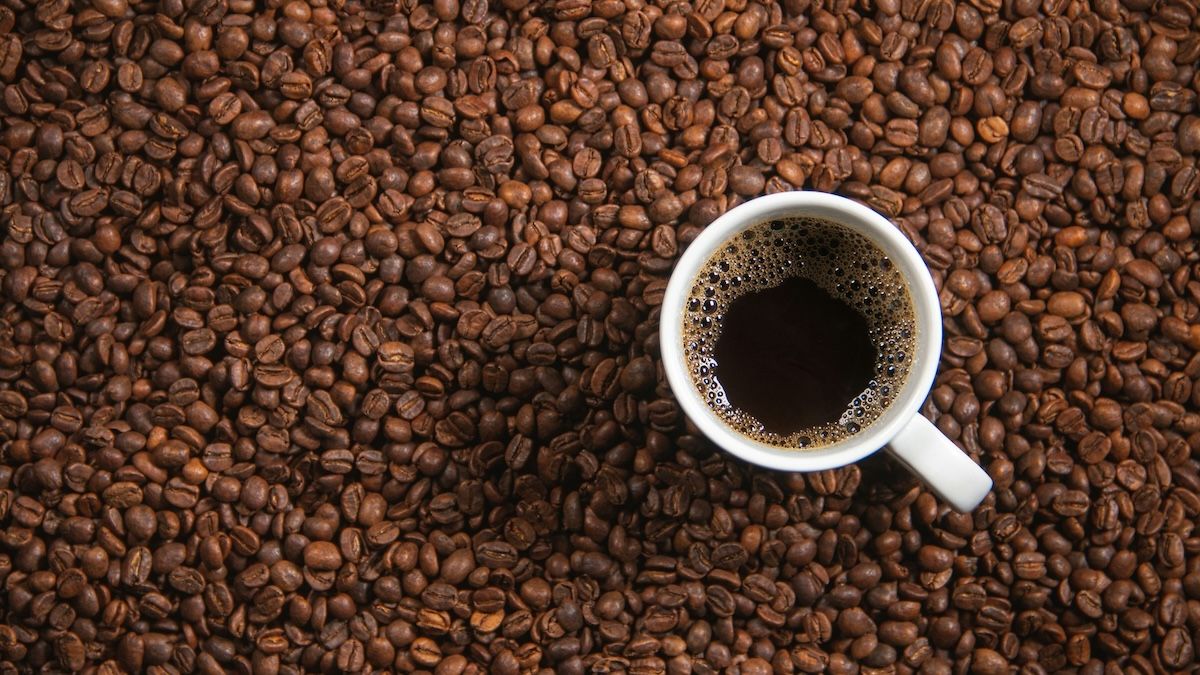
The exact signs will depend on the caffeine level in the coffee and how much your cat drank. Other products can also contain high levels of caffeine and could be dangerous to cats. These include whole coffee beans, discarded coffee grounds, loose tea or tea bags, energy drinks, caffeinated soda, and some types of diet pills.
If your cat drinks a particularly milky coffee or a latte, they may show signs of digestive upset from the dairy content. Most cats are lactose intolerant, meaning they can’t digest the natural sugars found in milk.
If you're curious about what's safe for cats to eat, are interested in supplements or have general questions about your feline's nutrition and diet, it is recommended you speak to your vet.
What Will My Vet Do if My Cat Drank Coffee?
If your cat has only had a sip or two of coffee, then your veterinarian may just get you to monitor your cat at home, particularly if they are not showing any signs of caffeine toxicity.
If your cat has had a dangerous amount of coffee or eaten any of the other previously mentioned caffeinated products, they may want to see your cat at the clinic. They will start by examining them and assessing for any cardiac abnormalities or signs of twitching and tremoring. If they have concerns about your pet, they may admit them to the hospital.
Sometimes they will try and induce vomiting in your cat to make them bring up the coffee. This may involve an injection in some cases, flushing their stomach out under an anesthetic. This will help stop your cat from absorbing any more caffeine and limit the risk of toxicity.
If your cat is already showing signs of poisoning, it could require fluids, usually given intravenously via a drip. This will help to "flush things through" and speed up the metabolism of the caffeine, as well as keep your cat hydrated. Caffeine can be reabsorbed through the bladder wall, so giving them fluids in this way will encourage them to urinate frequently so that they get rid of the caffeine quicker. Alternatively, a urinary catheter can be passed to help keep any urine draining out instead of building up in the bladder.
Blood tests may also be advised to help determine your pet's health status and screen for any other underlying problems. If your cat is experiencing cardiac issues or seizures, medication may be given to help counteract this. A very sick animal may need hospitalization for a few days.
It is worth noting that this scenario is very rare in cats. Most cases of caffeine toxicity that veterinarians see are actually in dogs, as they are more likely to eat large quantities of things they shouldn’t do!
Will My Cat Be Okay if They Drank Coffee?
Most cats are absolutely fine after drinking coffee, especially if it is only a small amount. The odd sip is unlikely to cause too many problems, whereas if they drank a whole cup, then you could see some adverse effects. Most cats are very unlikely to drink that quantity of coffee, however, due to its bitter taste.
The Pet Poison Helpline agrees, stating that one or two licks of coffee are unlikely to cause too much harm. It is suggested that most caffeine poisoning cases arise from more concentrated forms of caffeine like coffee grounds, caffeine tablets, and tea bags. Also, remember that different types of coffee contain different levels of caffeine; for example, espresso may be more problematic than a very weak latte. The overall risk of toxicity will also depend on exactly how much your cat has drunk.
If you are unsure how much coffee your cat has consumed, it may be best to contact your veterinarian for advice, particularly if your pet is showing any signs of ill health.
Can Coffee Kill Cats?
In theory, yes, coffee can kill a cat, but it is very unlikely. Some signs of caffeine ingestion can start to occur at around 9 milligrams/pound of body weight, 20 milligrams/pound could cause serious illness, with seizures and death occurring at 75-100 milligrams/pound of body weight.
The amount of caffeine in the average cup of coffee is thought to be about 95 milligrams, but this will vary depending on the brand or type of coffee bean used. This would mean an average cat weighing 10 pounds would need to drink 10 cups of coffee for it to be fatal! But they may show some of the milder side effects after drinking one cup.
If it is a decaffeinated coffee, it is even more unlikely to cause problems in cats, though anything outside of their normal diet has the potential to cause mild tummy upsets. However, bear in mind that if your cat ate a few diet pills, the caffeine levels these contain could make your cat very unwell. Always keep things like this well out of reach of your pet, ideally shut away in a cupboard out of sight.
Conclusion
In general, coffee poses a fairly low risk to cats because they would have to consume quite a lot to get a toxic dose. Most cats will only have a couple of sips at most. If your pet does drink a lot of your coffee or consumes other more concentrated caffeinated products, you should contact your veterinarian immediately, particularly if your cat is sick in any way. In the future, keep all caffeinated items well out of reach of your pet, and make sure you don’t leave drinks unattended to avoid problems occurring in the first place! Coffee is definitely one for us to enjoy, but it is not our furry friends!
See Also:
Featured Image Credit: Brent Ninaber, Unsplash
Expert cat care, straight to your inbox
News, insights, and useful advice, delivered to you.

No spam — unsubscribe anytime.
By signing up, you agree to our Terms & Conditions and Privacy & Cookies Policy.
How useful was this post?
Click a star to rate. You can leave written feedback afterwards. (We read all feedback.)
Dr. Joanna Woodnutt BVM BVS (Veterinarian)
Joanna is an experienced veterinarian working in the UK. She has written about pets and their health for many blogs, pet magazines and pet websites and loves to help readers understand their pets through her writing.
She has started her own freelance company so she can help more pet parents than just the one standing in front of her in a consultation room.
She enjoys teaching and educating clients, so a career in writing, public education and pet health is the perfect combination for her.