How to Stop Your Cat From Climbing the Curtains: 11 Vet-Reviewed Ways

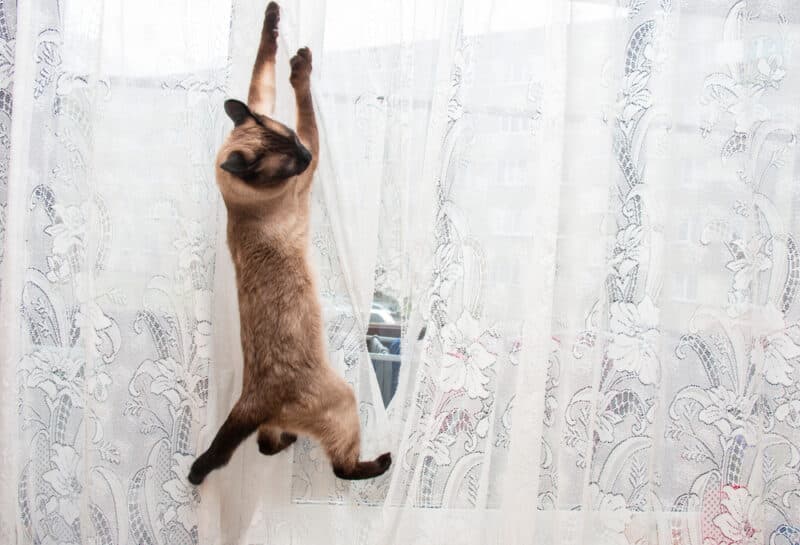
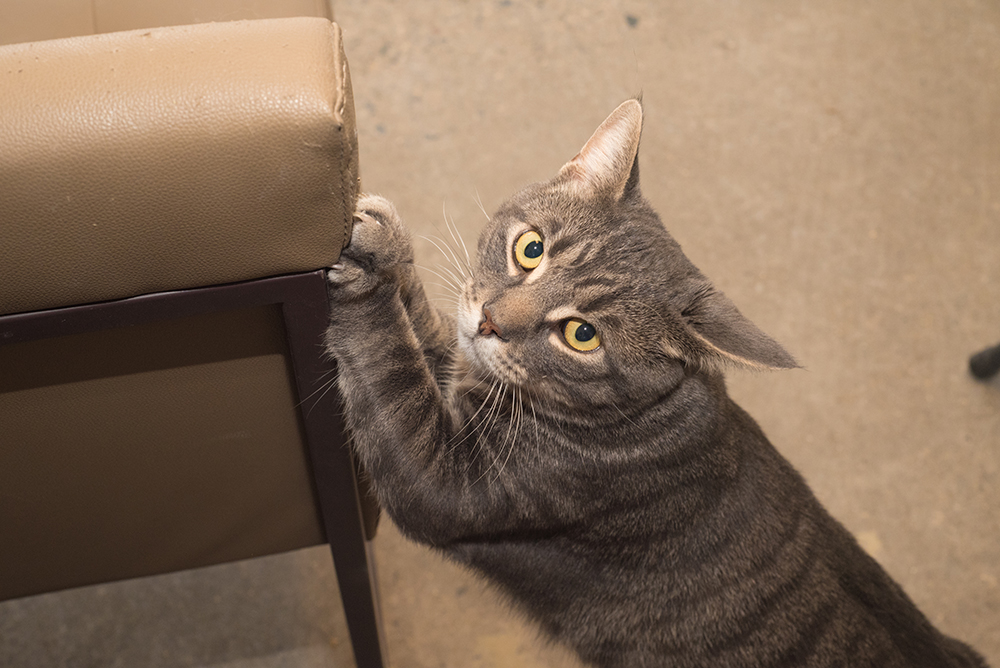
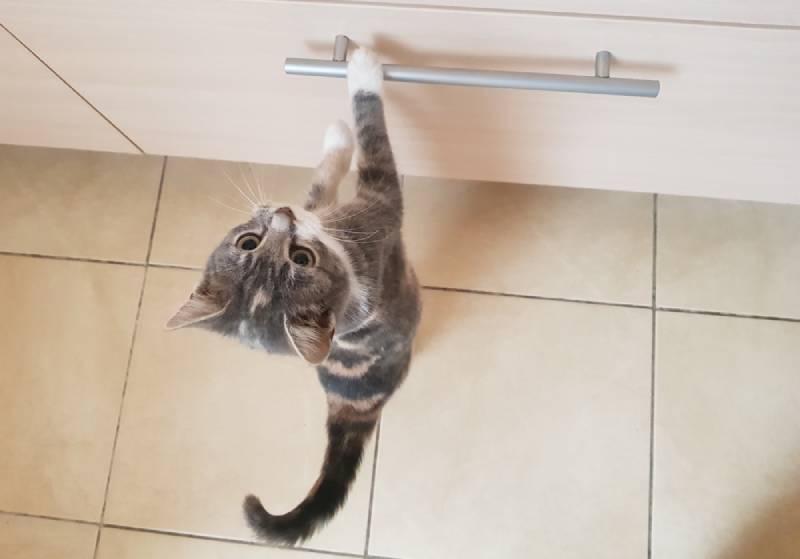
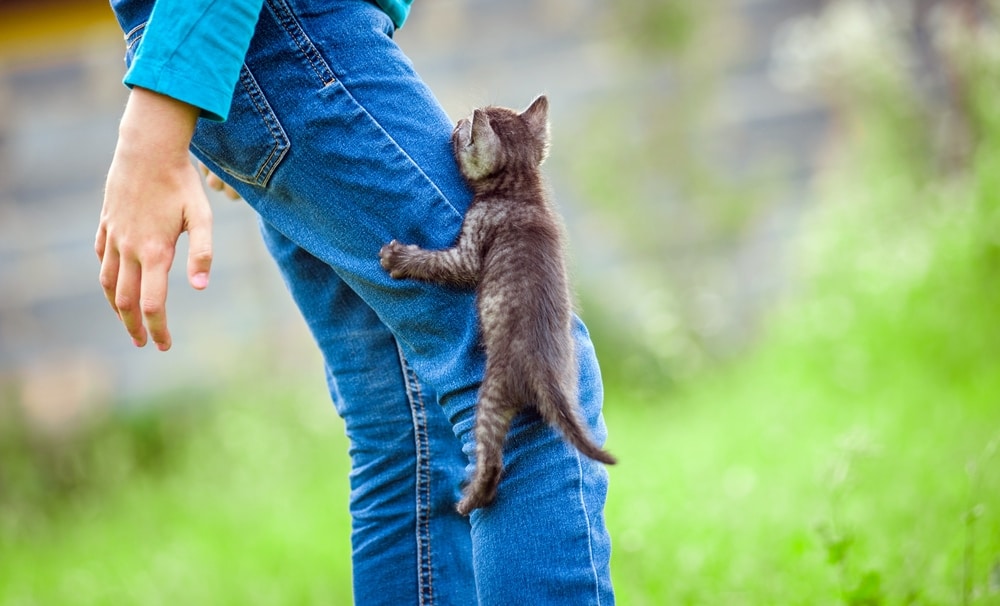
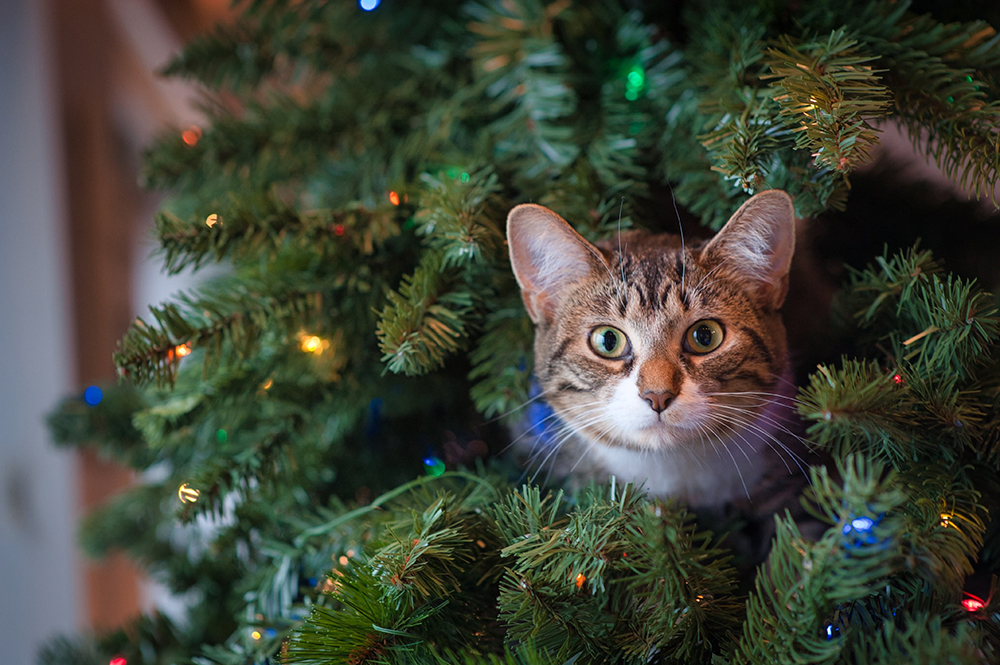
Cats can get up to all kinds of mischief around our homes—not out of spite but because they’re trying to release pent-up energy, explore something new and interesting, or simply enjoy themselves. For example, the curtains might be your pride and joy, but to your cat, they’re just big climbing frames there to be clambered up and swung on.
Although this is completely normal behavior, it can be frustrating, especially if your curtains come out of the experience looking a bit worse for wear. Here are tips on preventing your cat from climbing your curtains.

The 11 Ways to Stop Your Cat From Climbing Curtains
1. Offer Climbing Posts
If your cat is lacking “official” climbing spots, they might be going for your curtains because they’re the next best thing. Make things a bit more exciting at home for your cat by setting up things like cat trees, hammocks, and shelves for them to climb on.
2. Place a Cat Tree by the Window
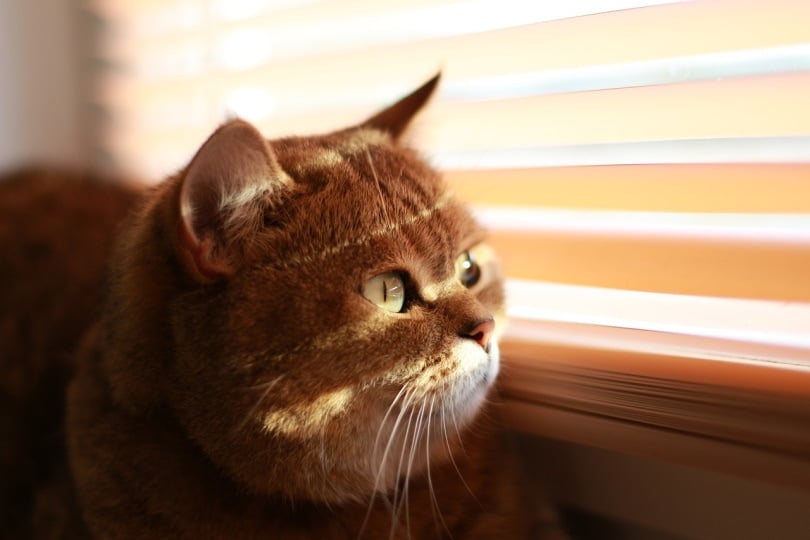
Placing a cat tree or climbing post by the window serves two purposes: It distracts your cat from climbing your curtains, and it gives them a great view of the outside world that can keep them entertained for hours.

3. Make the Curtains Less Accessible
This may or may not make the prospect of climbing the curtains a bit less exciting for your cat, but it’s nevertheless worth making them less accessible with ties or by finding a way to tuck them upward so your cat cannot reach them. This may not be the most visually appealing choice, though, so read on if this isn’t for you.
4. Spray Your Curtains With a Deterrent
Another option is to try a feline-safe deterrent spray on your curtains. These often contain scents like citrus (a smell that cats really don’t appreciate) and are designed to deter cats from scratching or urinating in certain areas. There’s no guarantee this will deter every cat, but some might take a whiff and decide it’s simply not worth it anymore.
5. Keep Your Cat Occupied
Not having enough to do can lead a cat to start exploring areas of the home that are off-limits. Try redirecting your cat’s attention to some fun and mentally stimulating toys like puzzle feeders. If you’re going out for a while, leave some interesting toys to ensure your cat is kept busy in your absence.
6. Exercise Your Cat
Just like when a cat isn’t mentally stimulated enough, a lack of exercise can lead to boredom, frustration, and more attempts to climb your curtains. Use teaser toys, balls, and toy mice—anything that will get your cat moving and tire them out. Try adding a few play sessions into your daily routine—these don’t need to be long. Even 10 minutes at a time is perfectly fine.
7. Replace the Curtains With Blinds
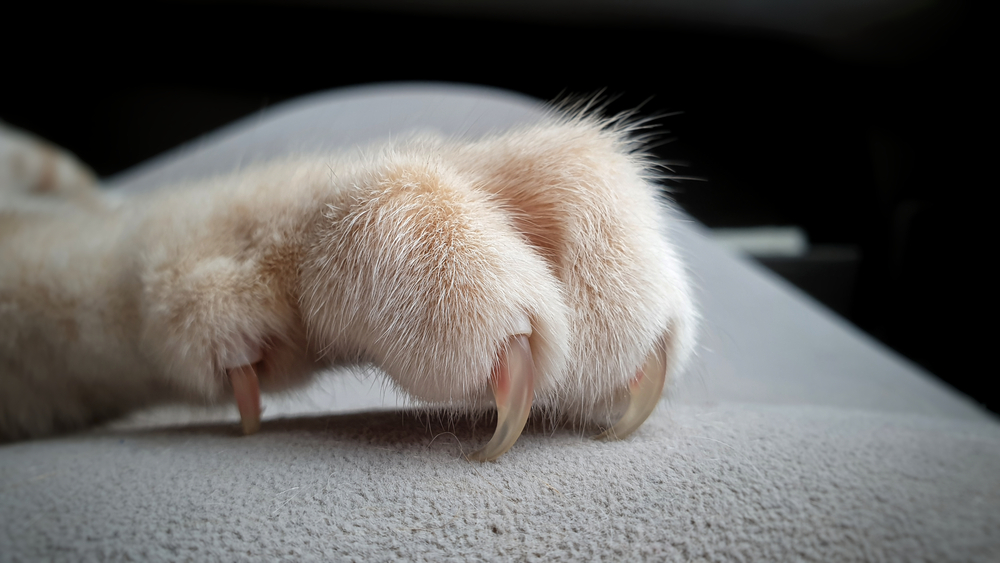
If you’ve been considering a few décor changes anyway, now might be the time to switch up your curtains for vertical blinds. These are much harder for cats to get their claws into than horizontal blinds or traditional curtains. However, be aware that blinds could be hazardous if your cat gets stuck or trapped, especially around their neck. Choose cordless ones and pull them up for safety if you’re not around.

8. Do Immediate Redirection
When you see your cat preparing to pounce on your curtains, try immediately redirecting the behavior by getting a toy and encouraging play or picking them up and taking them to a more appropriate object, like a cat tree. Go for a tree that has lots of different hidey-holes, hammocks, and platforms to fulfill all their climbing needs. After doing this a few times, your cat might start to get the hint that the curtains are off-limits.
9. Put Down Foil
Many cats dislike the feeling and sound of aluminum foil, so placing some sheets of this at the base of your curtains might make your cat think twice about climbing them. This may work well with some cats, but not with others.

10. Try a Motion Detector Deterrent
Motion deterrents work by emitting a high-pitched sound that cats can hear but humans can’t. The goal is basically to send the cat running in the opposite direction of whatever you want them to stay away from, which is in this case, your curtains. As with other deterrents like aluminum foil and pet repellant sprays, there’s no guarantee it will work with every cat, but it’s an option to consider. However, if your cat is scared and starts avoiding that room entirely after encountering the motion deterrent for the first time, it may be best to consider other options.
11. Limit Access to the Area
If your cat is especially fond of climbing a particular set of curtains in your home and your attempts to stop them just are not working, your last resort may be completely blocking your cat’s access to the curtains by not allowing them into the room.
Alternatively, you might be able to find plastic or sheer covers to protect your curtains when you’re not around to supervise your cat. These would sit in front of the curtains or be wrapped around them to minimize damage. These might be unsightly, but this could be a decent temporary fix if you’re heading out and are worried about the fate of your curtains.

Conclusion
We all know that cats and curtains simply should not—but often do—mix. Fortunately, you have an array of avenues to consider in terms of preventing the behavior and keeping your curtains safe.
Although your cat climbing your curtains can be seriously annoying, please avoid all punishments, even yelling. Your cat doesn’t realize they’re doing anything wrong and are just acting on instinct. Any type of punishment, far from instilling discipline, will only teach your cat to be afraid of you and will not prevent the behavior.
Featured Image Credit: Inga Gedrovicha, Shutterstock

Expert cat care, straight to your inbox
Vet-reviewed advice, behavior tips, and the best of Catster. Free, and you can unsubscribe anytime.
By signing up, you agree to our Terms & Conditions and Privacy & Cookies Policy.
Kit Copson is a freelance writer and lifelong animal lover with a strong interest in animal welfare. She has parented various furry beings over the years and is currently a proud cat mom of two—one very chilled (unless hungry) Siamese and a skittish but adorable Domestic Shorthair—and dog mom of one—an adopted Bichon Poodle cross. When not writing about or spending time with animals, Kit can be found doodling in her sketchpad, reading, or more often than not, drinking tea.
Join the conversation
Ask a question, share your story, or send private feedback.